Conservatism Domestic International About
2026
2025
2024
2023
2022
2021
2020
2019
2018
Previous Events

FRA 2024 Food Safety Forum

2024.12.21

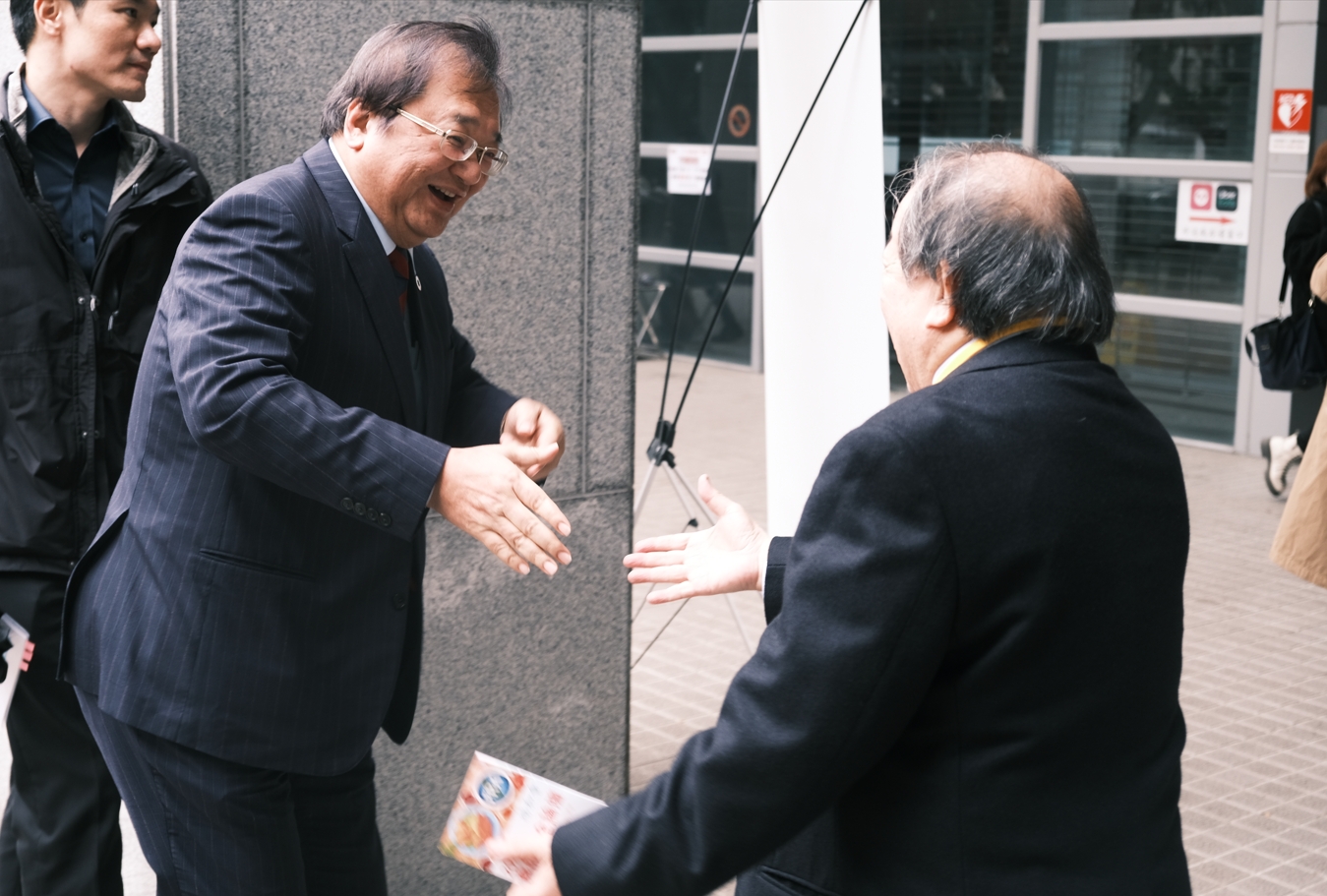
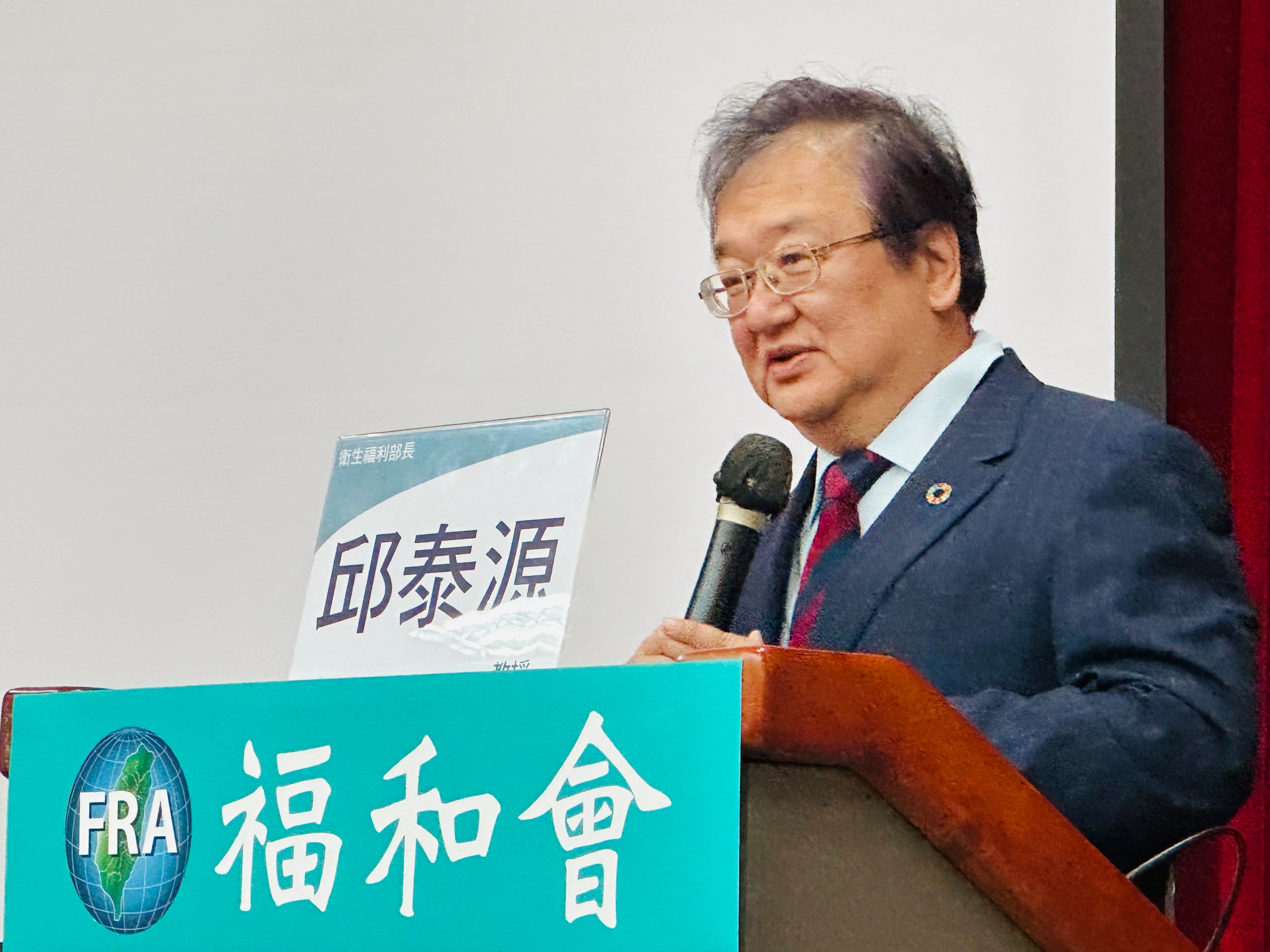
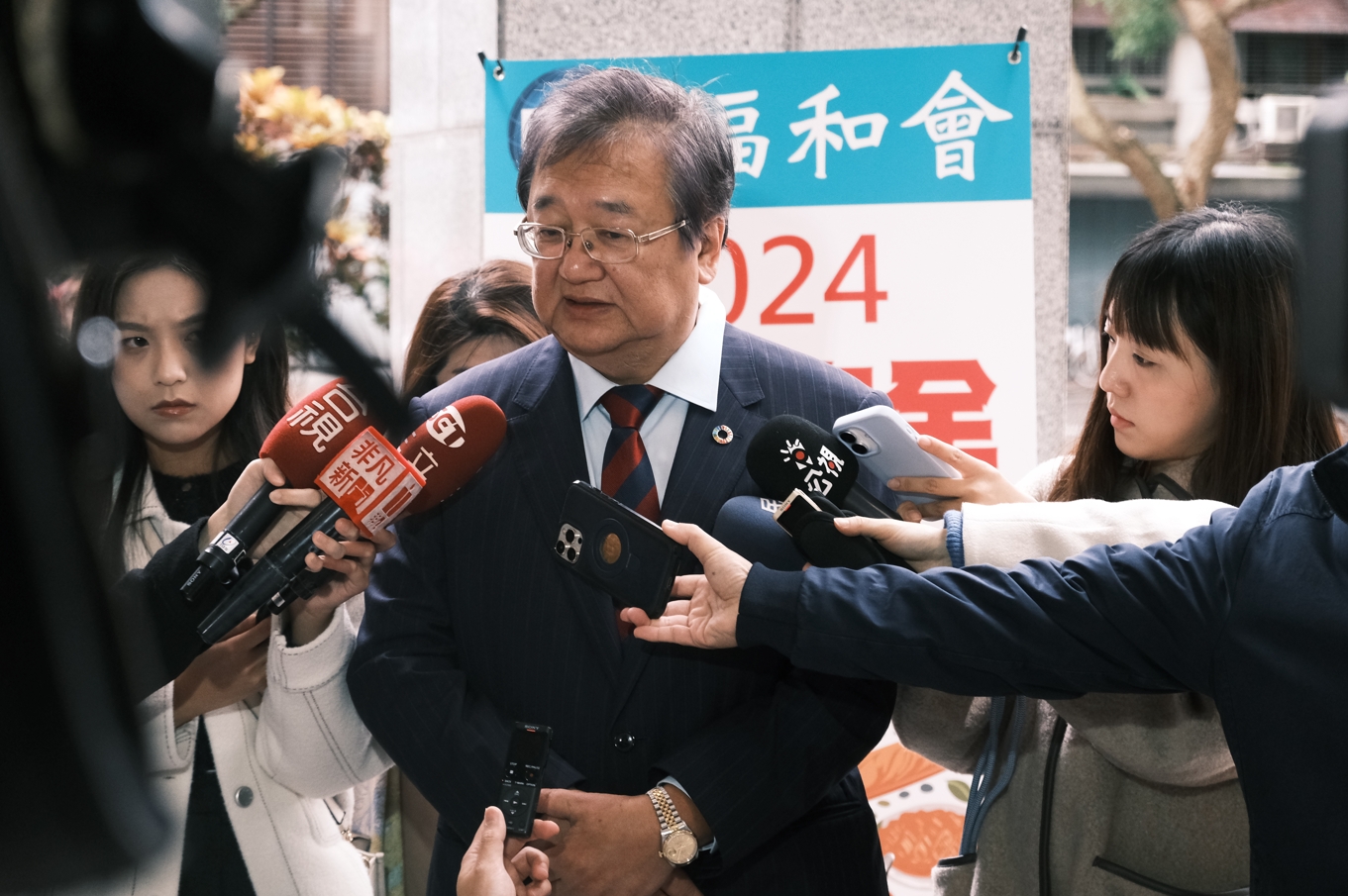
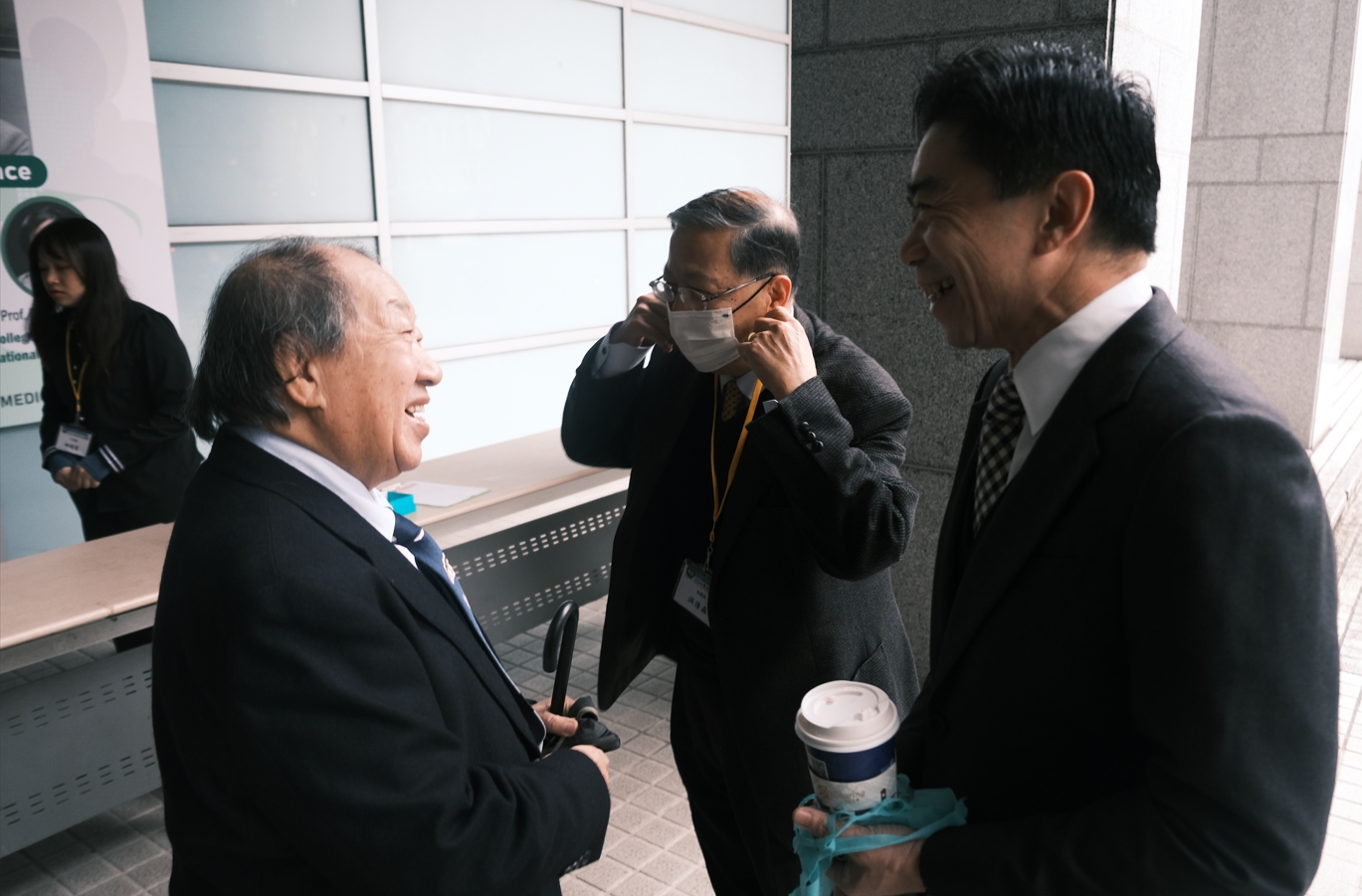
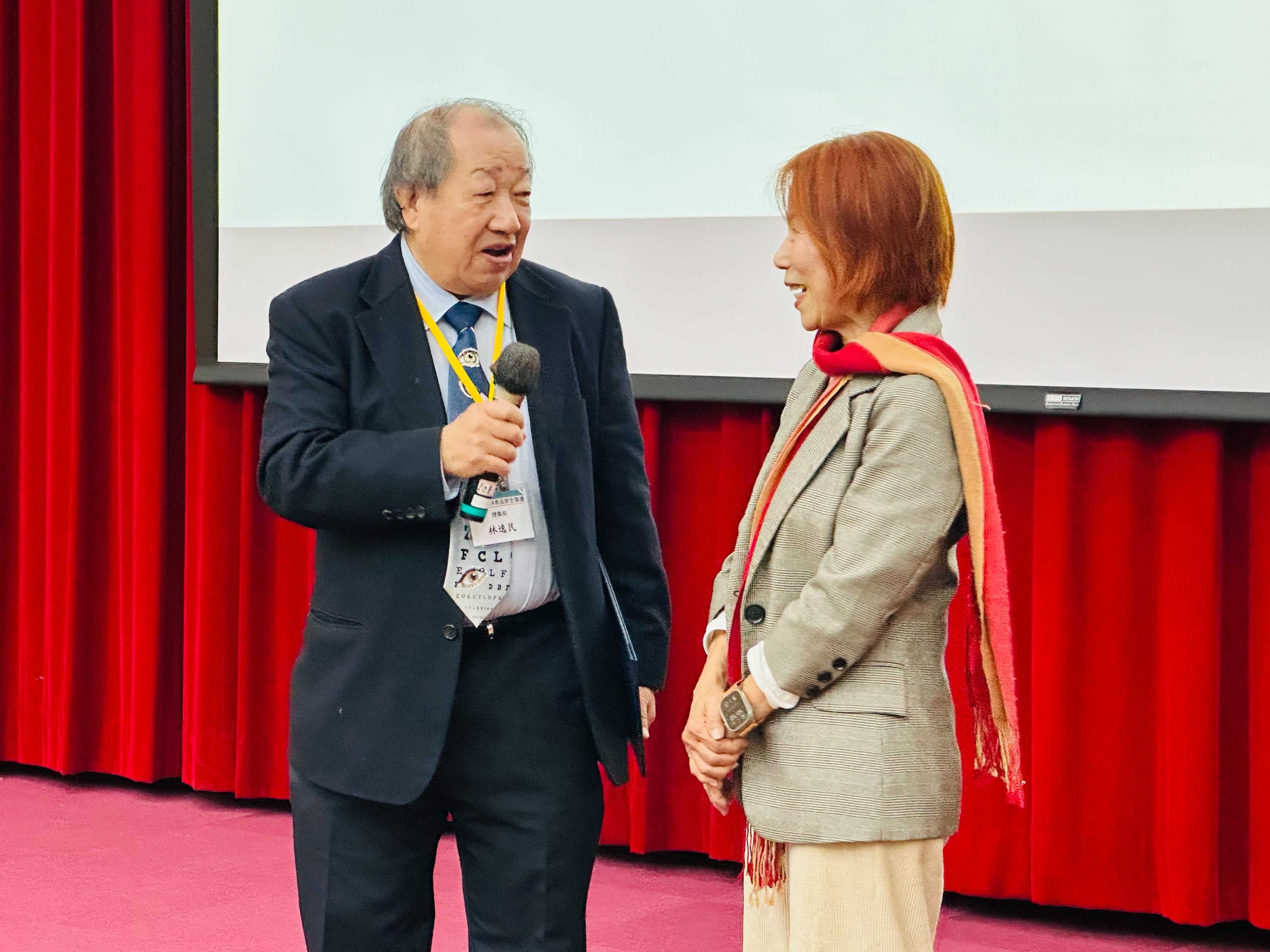
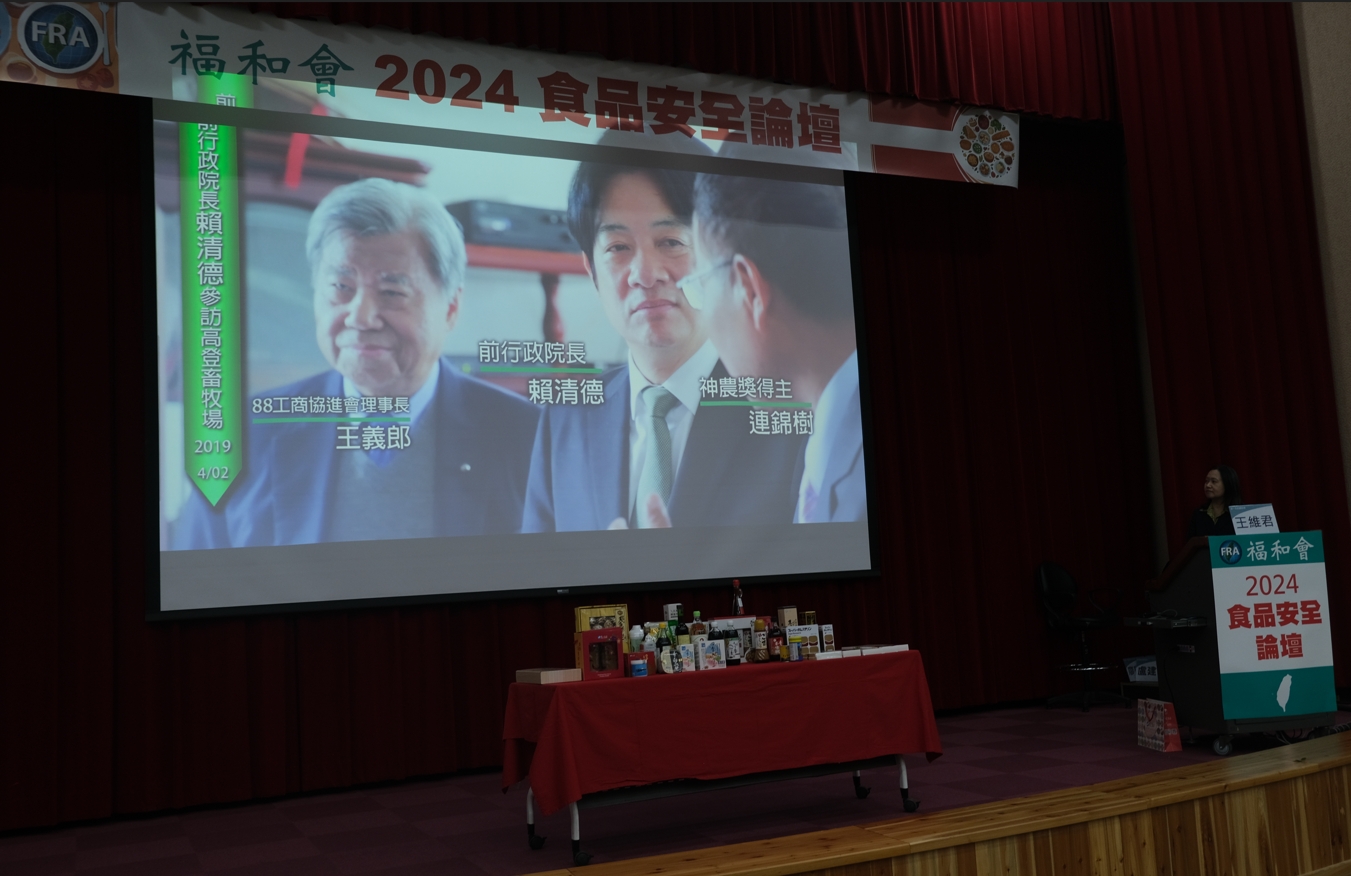
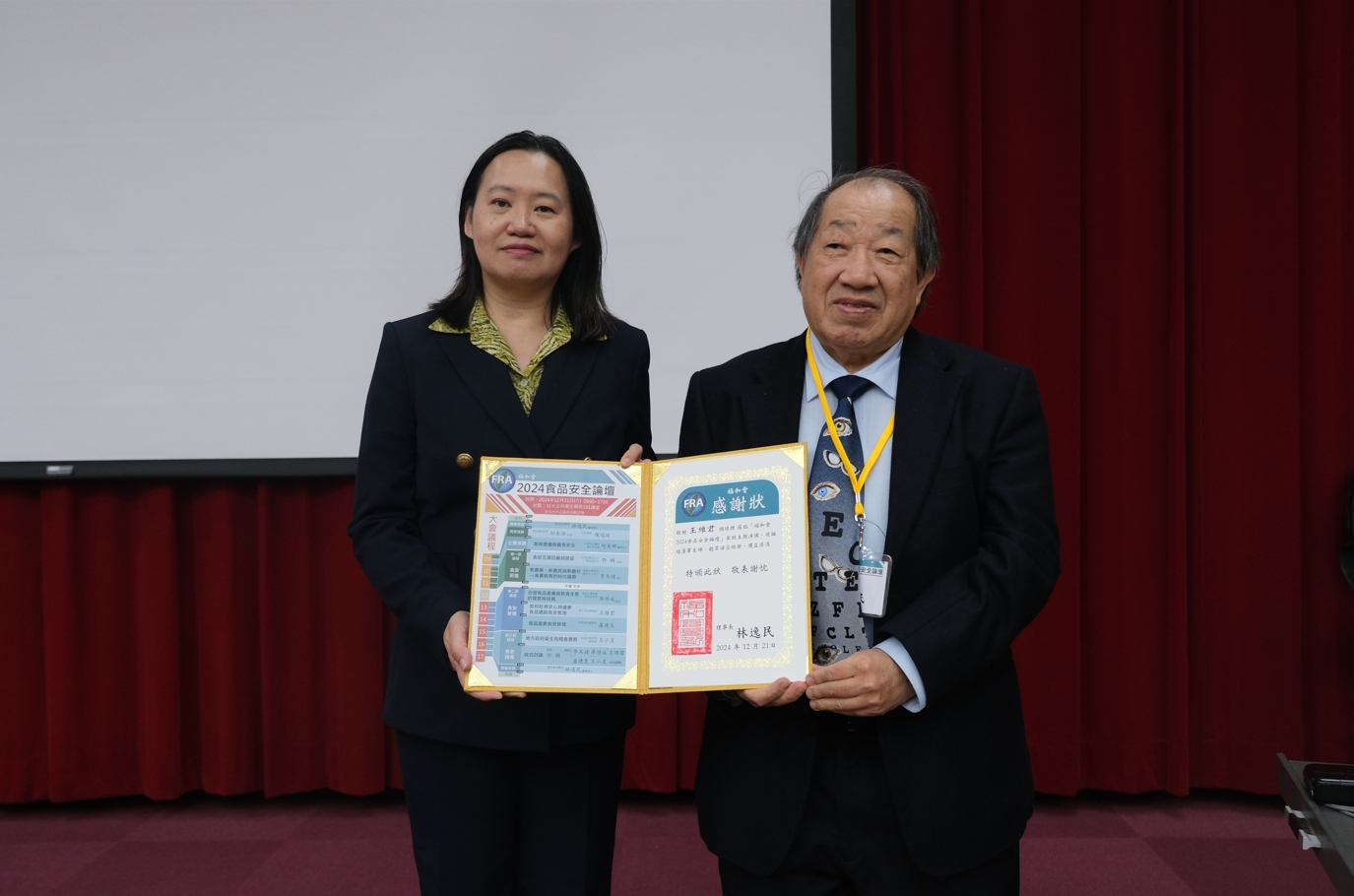
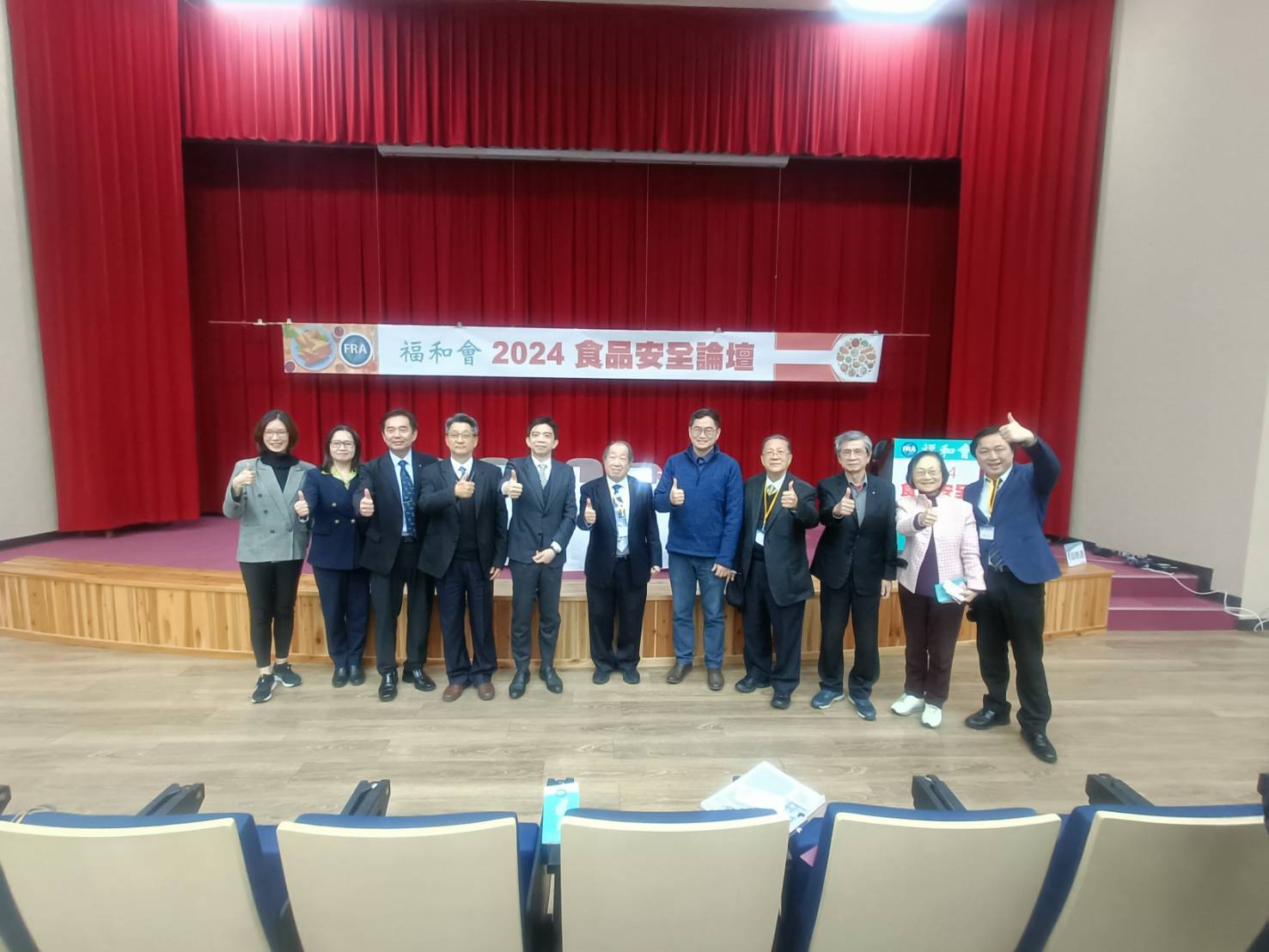
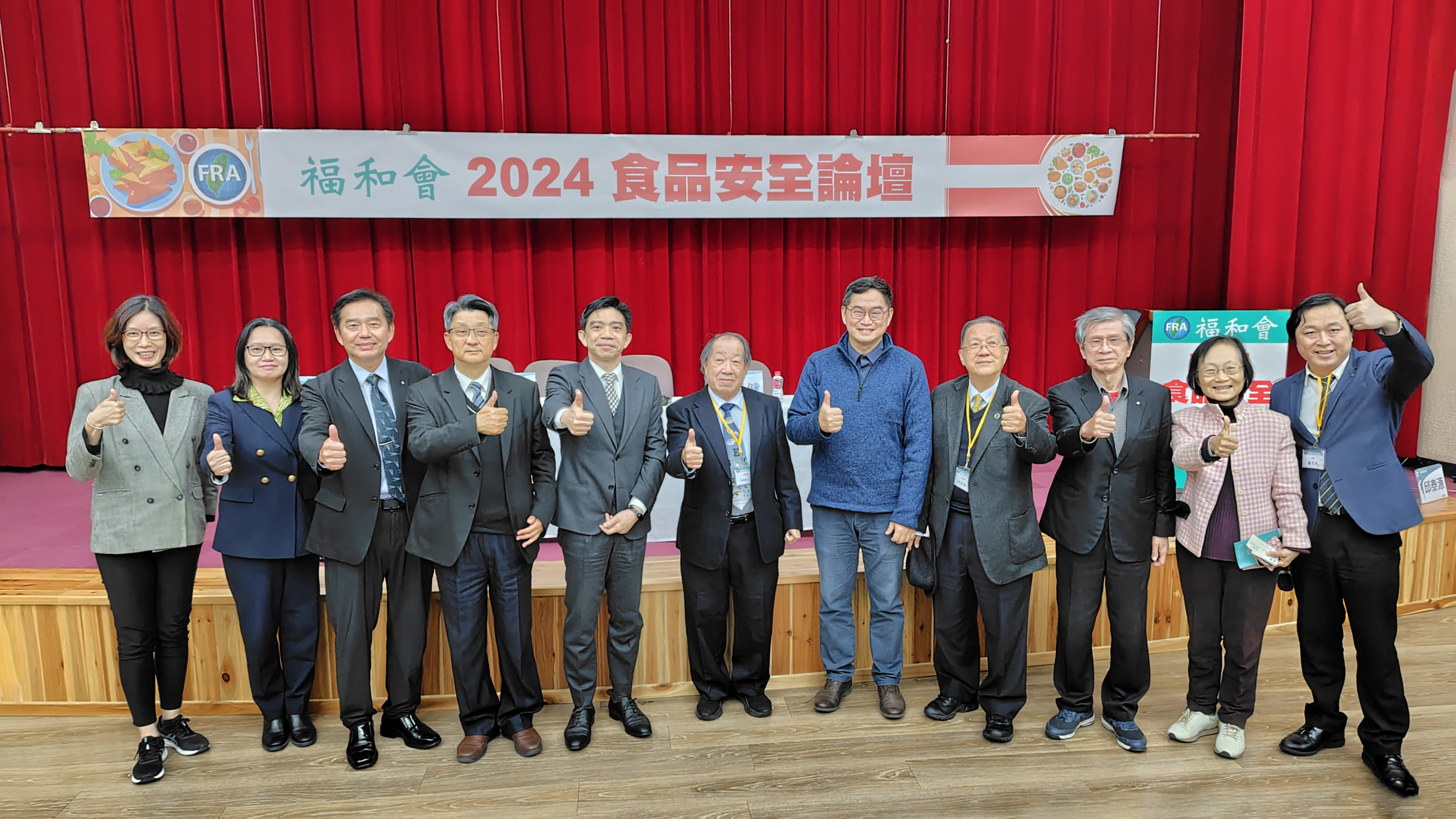
FRA hosted the “FRA 2024 Food Safety Forum,” with Minister of Health and Welfare Chiu Tai‑yuan and TFDA Director‑General Chuang Sheng‑hong—Taiwan’s top officials responsible for food safety—both attending in person. In the past, government officials often avoided food‑safety discussions organized by civil society because the issue is complex, highly sensitive, and closely watched by the public. Their presence this time signals the Ministry of Health and Welfare’s highest level of commitment to food safety.

The recent Sudan Red incident has caused widespread anxiety among the Taiwanese public. In reality, Taiwan is already among the leading countries globally in food safety. Following multiple food‑safety crises over the years, both the government and civil society have continuously introduced new response measures, making Taiwan’s food‑safety management increasingly comprehensive, constantly updated, and steadily improving.

Minister Chiu Tai‑yuan, long‑time professor of family medicine at National Taiwan University, reiterated the importance of bringing together industry, government, and academia to discuss food safety at this forum. He also conveyed President Lai Ching‑te’s directive that the “Five Strikes and Seven Safeties” initiative is a core government policy, with “food safety” being the most critical among the seven. He outlined the administration’s four‑year goals: coordinated action across central ministries and local government departments to jointly confront emerging challenges; adopting higher standards and more diverse technologies to help food‑industry operators strengthen self‑management; and ensuring that every stage from farm to table meets safety requirements. At the same time, the government will promote food‑safety education so that every citizen possesses basic knowledge of food safety.

Director‑General Chuang Sheng‑hong listened to the entire forum and offered a brief commentary. He noted that before becoming TFDA chief, when he was still in academia, he—like many members of the public—would question what the Food and Drug Administration was actually doing whenever a food‑safety incident appeared in the news. After assuming office on July 1 and going through extensive onboarding, he came to understand that the TFDA in fact carries out a vast amount of routine work. Compared with other countries, Taiwan ranks among the leading nations in safeguarding food and pharmaceutical safety. He explained that the TFDA handles 43 food‑safety projects a year, even though a year has only 52 weeks. When unexpected incidents occur, TFDA staff often proactively propose additional projects. They continuously identify problems and refine solutions. For example, pesticide violations used to be difficult to trace because contaminated produce was discovered only after passing through multiple distribution layers. To address this, TFDA staff shifted inspections upstream to wholesale markets, which requires arriving between 3 a.m. and 5 a.m. Once non‑compliant produce is found, it is immediately destroyed, preventing it from entering the market. Director‑General Chuang emphasized that TFDA personnel devote tremendous manpower, resources, and effort to safeguarding food safety, and he urged the public to recognize the dedication and hard work of the agency’s staff.

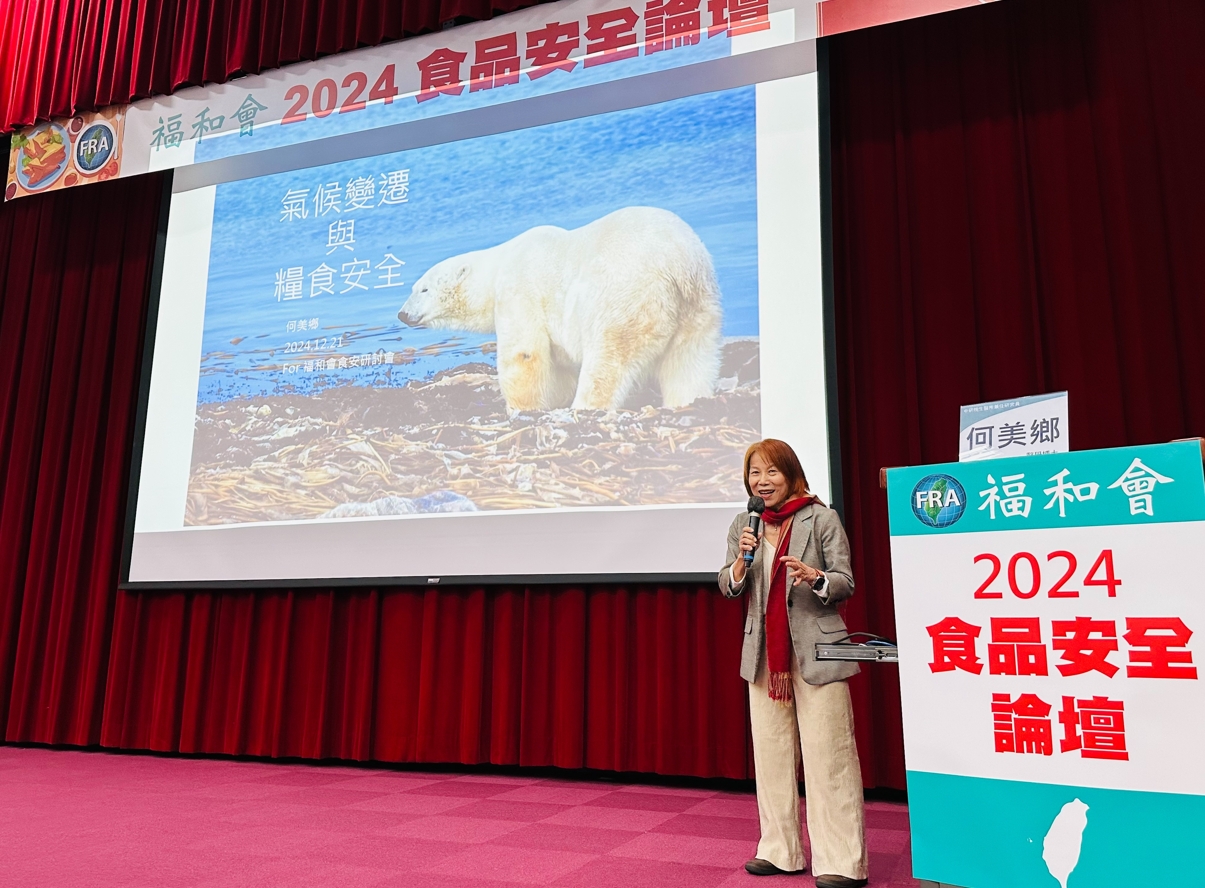
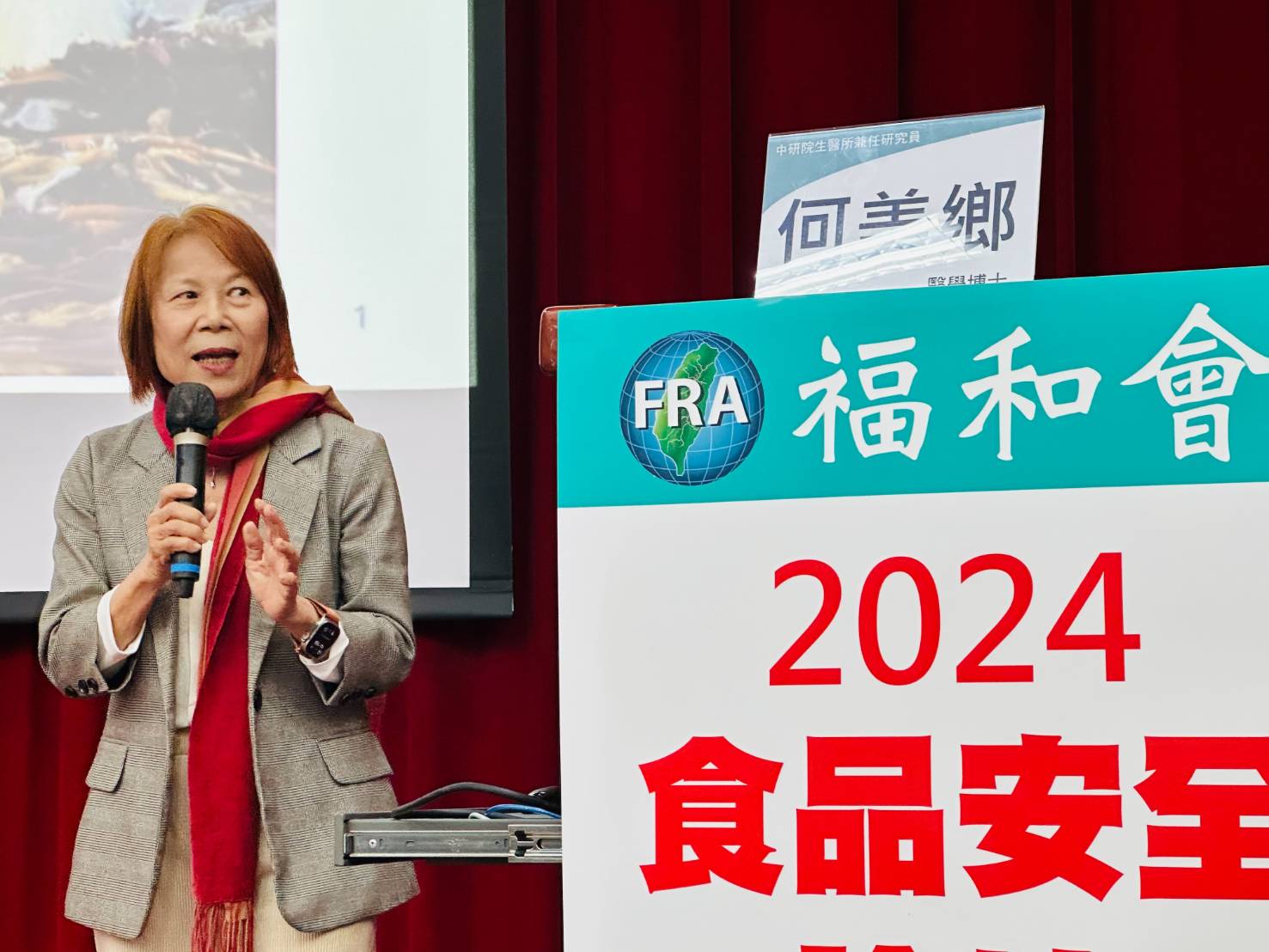
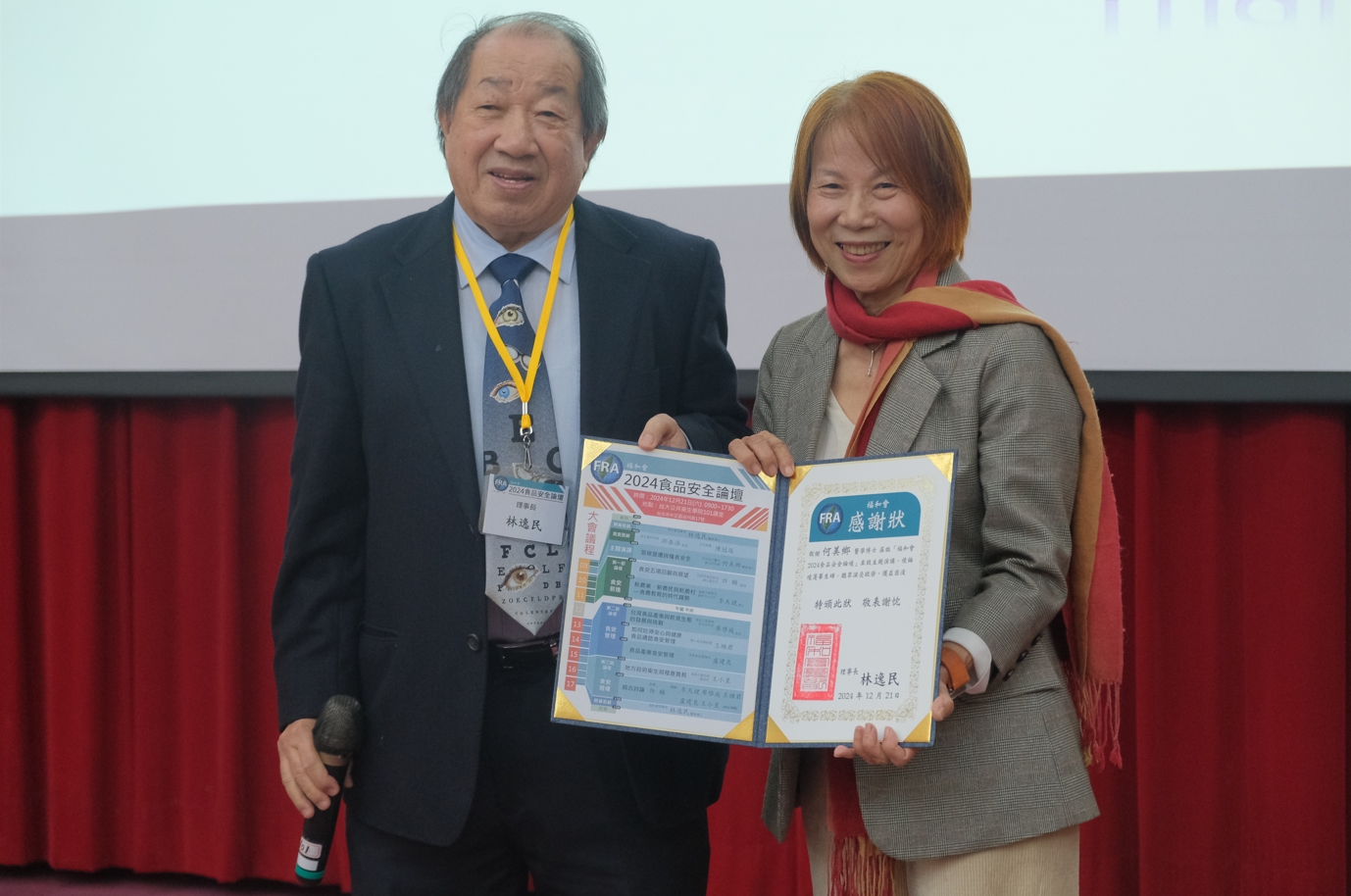
Former Academia Sinica research fellow and FRA member Dr. Ho Mei‑hsiang delivered the keynote speech, “Climate Change and Food Security.” She emphasized that the highest level of food safety is, in fact, food security. Under accelerating climate change, major food‑producing regions worldwide are increasingly affected, often disrupting global supply and demand. At the same time, agricultural production is closely tied to greenhouse‑gas emissions—for example, livestock farming generates substantial methane. Replacing animal‑based protein with plant‑based protein could significantly reduce methane emissions. Rice cultivation is also a major source of methane. In response, the government is studying the feasibility of upland rice. Because methane dissipates relatively quickly in the atmosphere, stopping or reducing emissions can yield faster and more pronounced benefits than carbon‑reduction measures. Dr. Ho also noted that elevated CO₂ levels can increase yields in C3 crops such as rice and wheat, but the increase is largely limited to starch content. She further reminded that when the Ministry of Agriculture promotes rice consumption, it should emphasize brown rice, as whole‑grain diets are more beneficial to health than polished white rice.

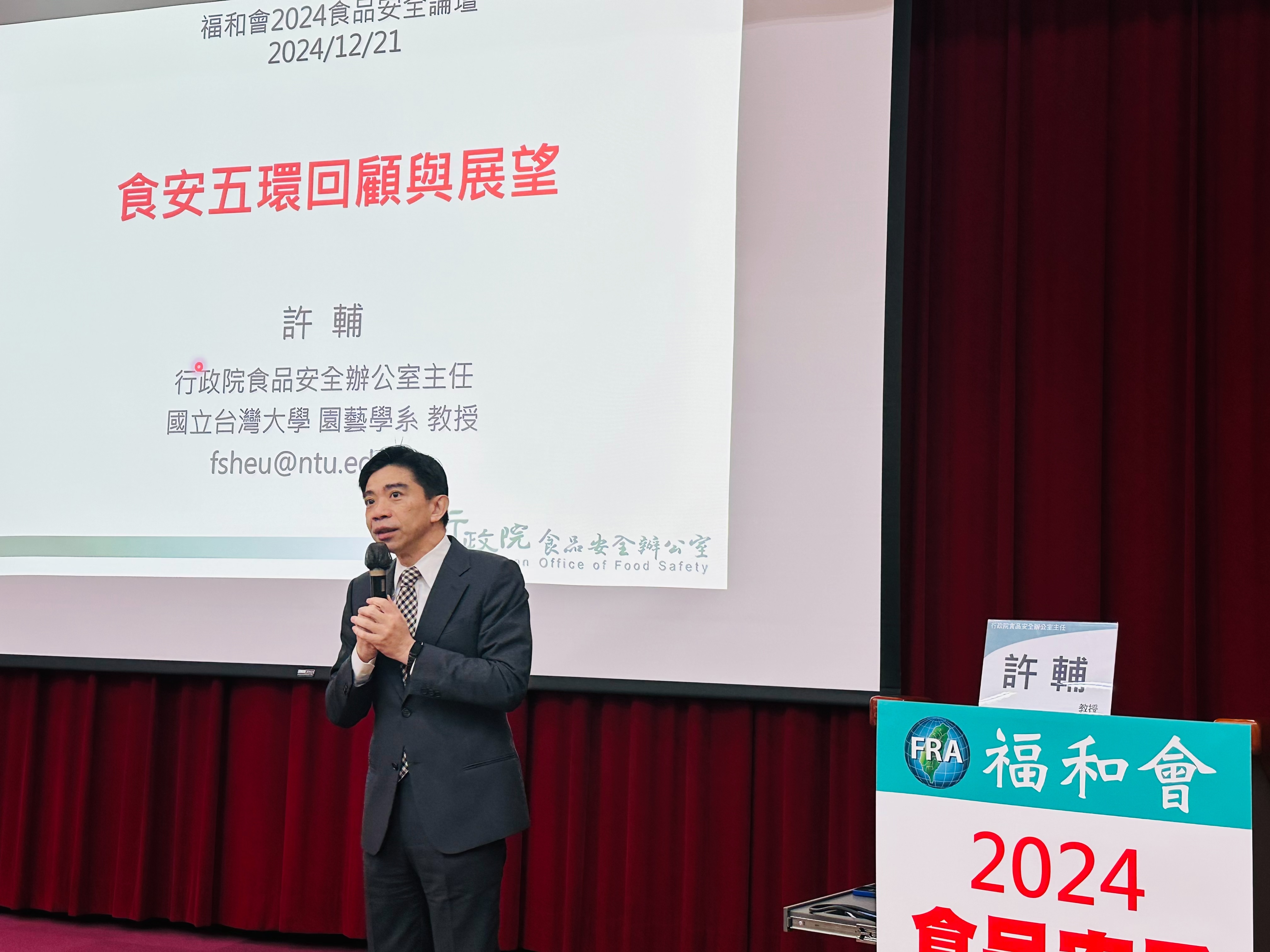
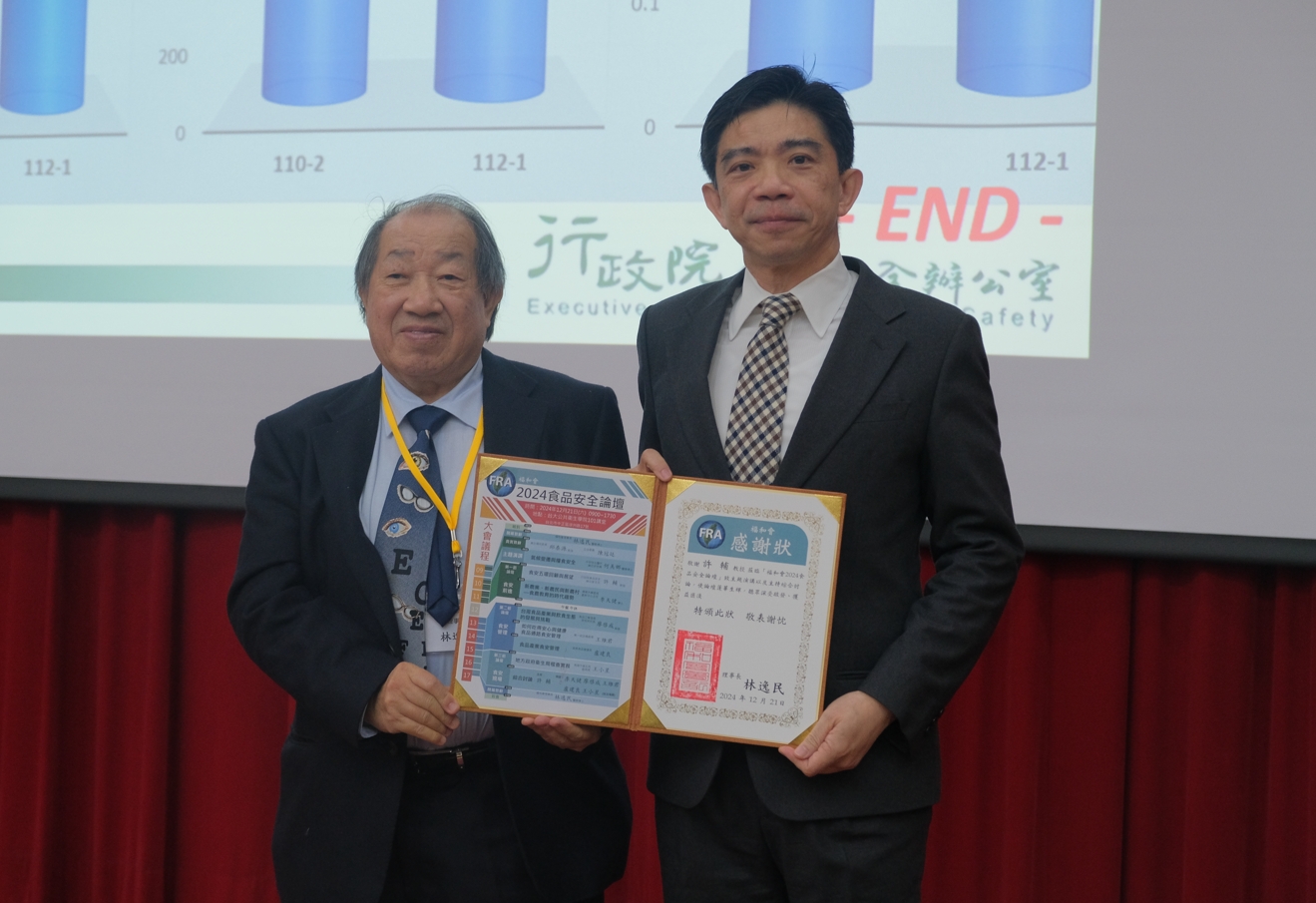
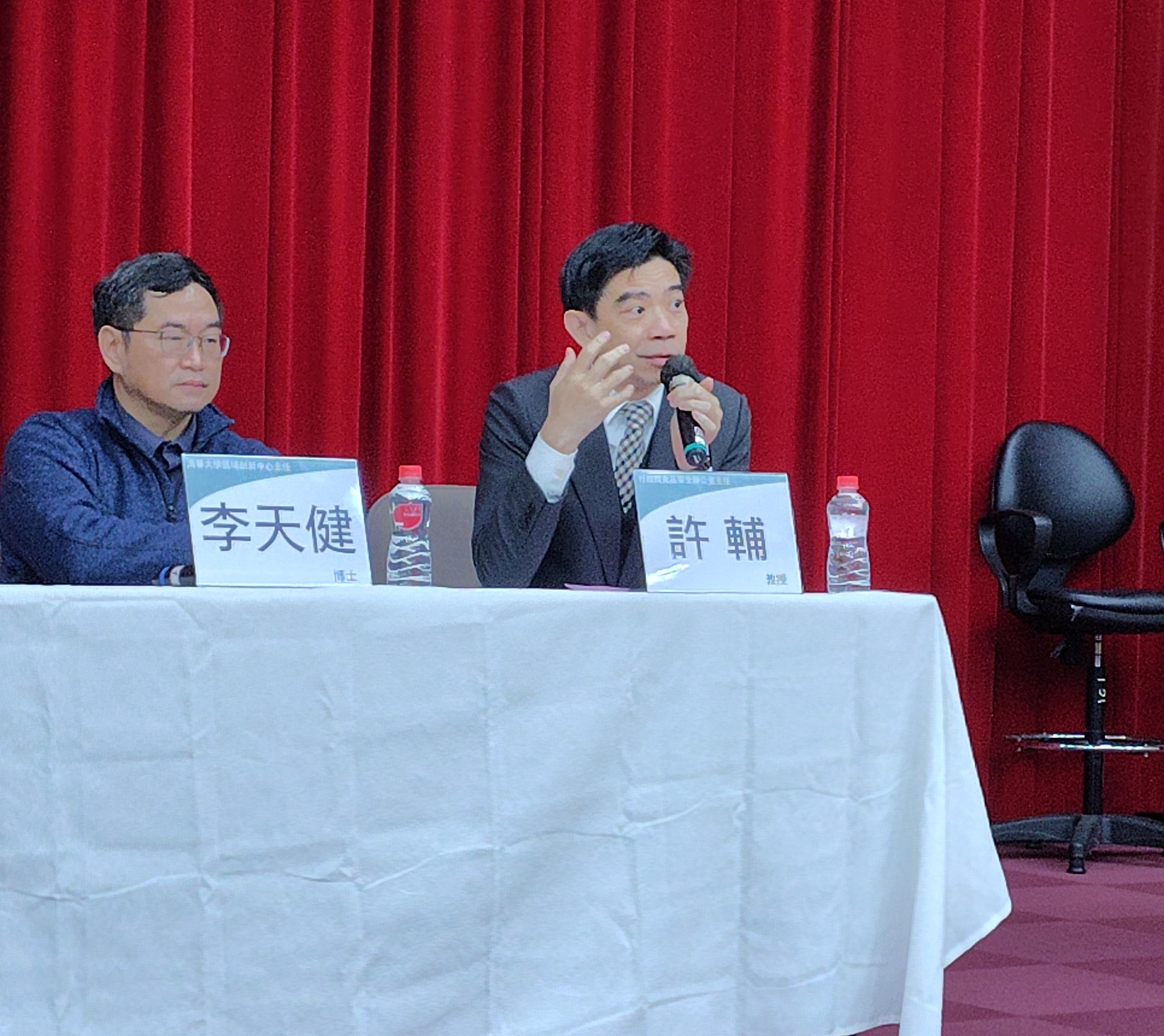
Professor Hsu Fu, Director of the Executive Yuan’s Office of Food Safety, has overseen cross‑ministerial coordination and policy planning since President Tsai Ing‑wen took office in 2016. He reviewed and reflected on eight years of the “Five Rings of Food Safety” policy and outlined future directions. Professor Hsu emphasized that food safety is an integrated system of environmental safety, agricultural safety, and food safety. Beyond central‑government coordination, frontline management and inspections fall largely to local health bureaus, with essential cooperation from agricultural, education, economic‑development, and environmental‑protection departments. Compared with the period from 2008 to 2016—which saw major incidents such as melamine contamination, plasticizer scandals, adulterated starch, mixed‑oil cases, reprocessed oil, and DDT violations—the number of systemic food‑safety incidents from 2016 to 2024 has dropped significantly. Only a few major cases occurred, including fipronil‑contaminated eggs, substandard liquid‑egg products, and the Sudan Red dye incident.

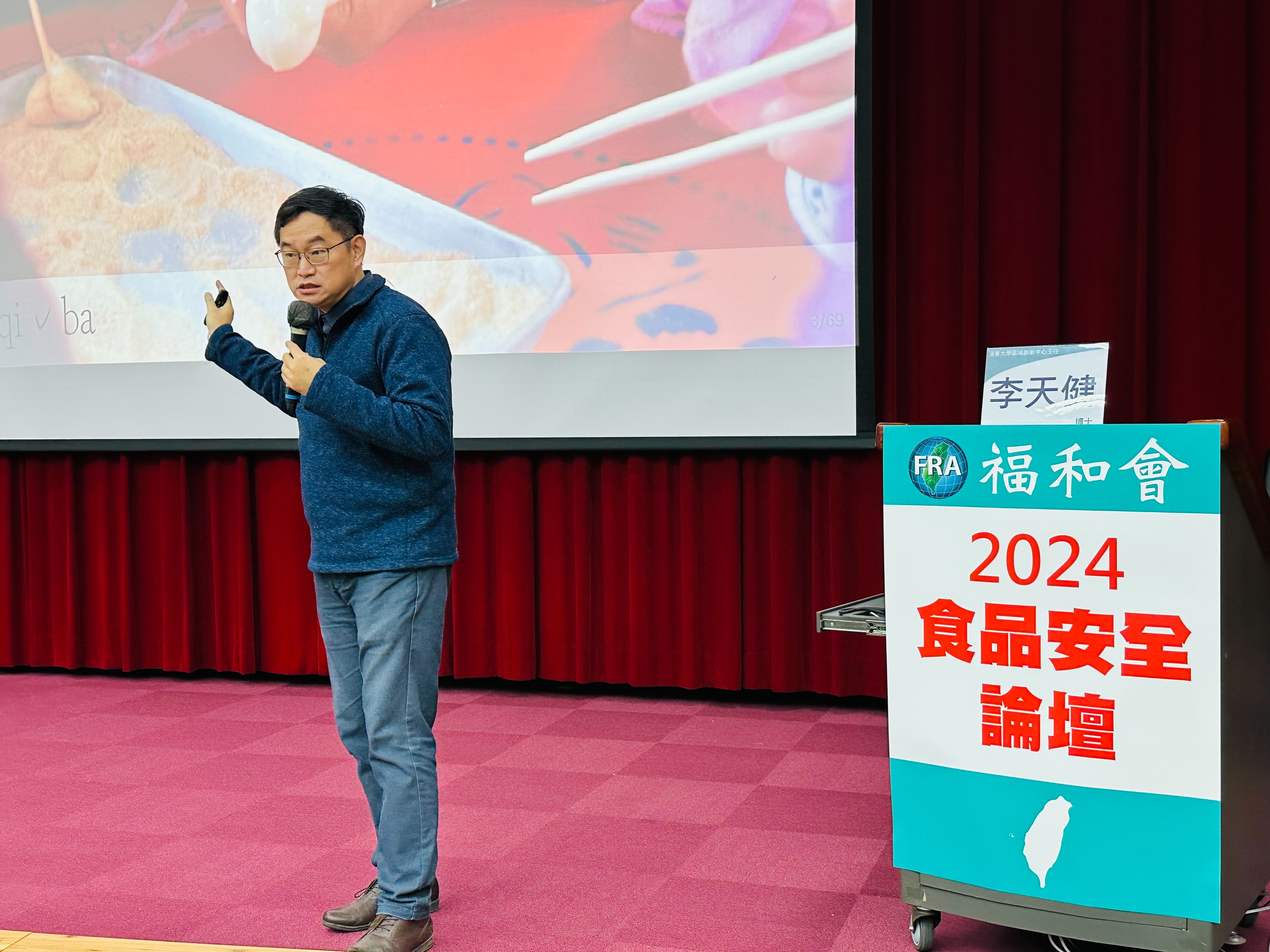
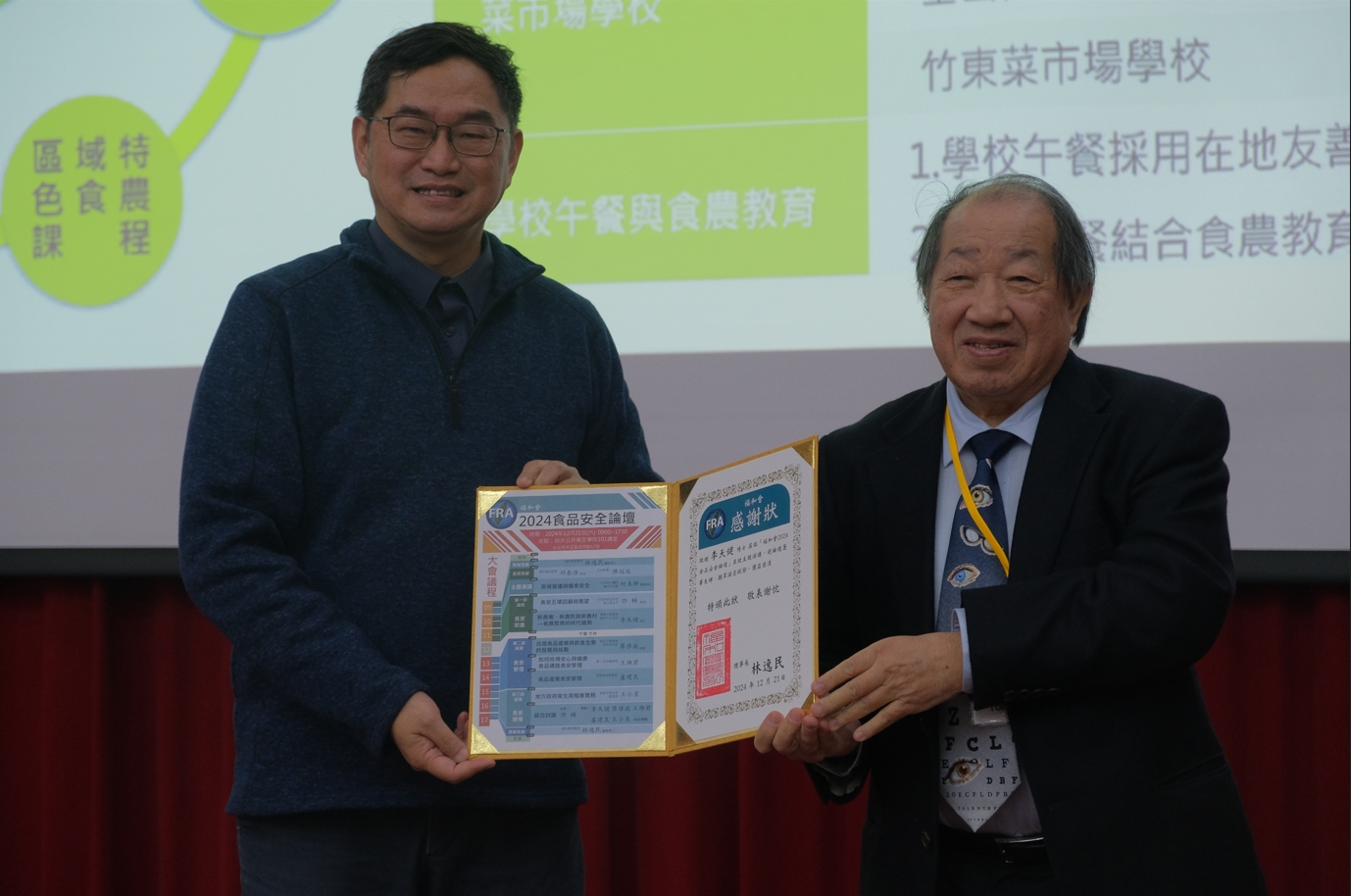
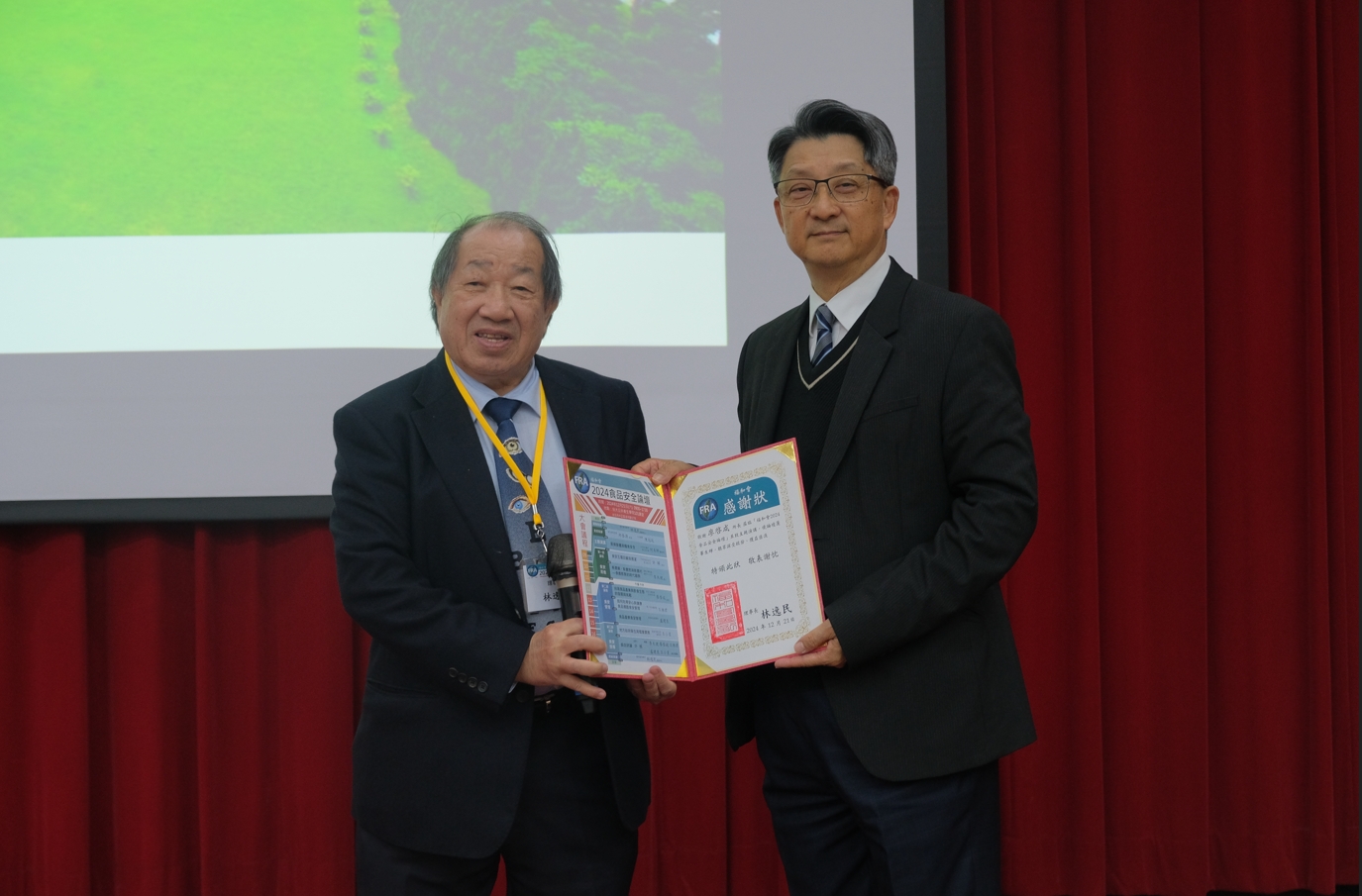
Dr. Li Tian‑chien, Director of the Regional Innovation Center at National Tsing Hua University, delivered the talk “New Agriculture, New Farmers, New Rural Communities: The Emerging Era of Food and Agricultural Education.” He emphasized that food is a vital expression of culture. Food safety is not only about eating enough or eating with confidence; it can also be elevated on spiritual and cultural levels by rebuilding the connection between people, nature, land, and local communities. FRA Chairman Dr. Tommy Lin expressed strong agreement, noting that this approach is one of the best ways to cultivate a sense of belonging to one’s homeland and forms an essential foundation for deepening local identity.

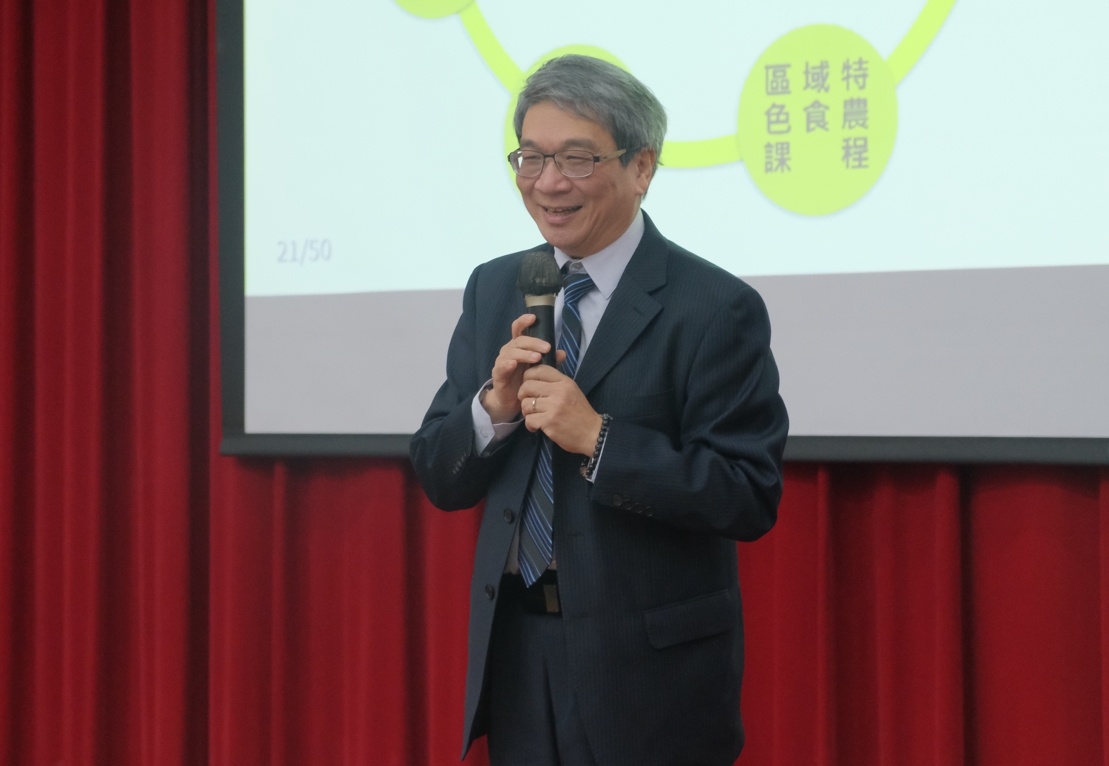
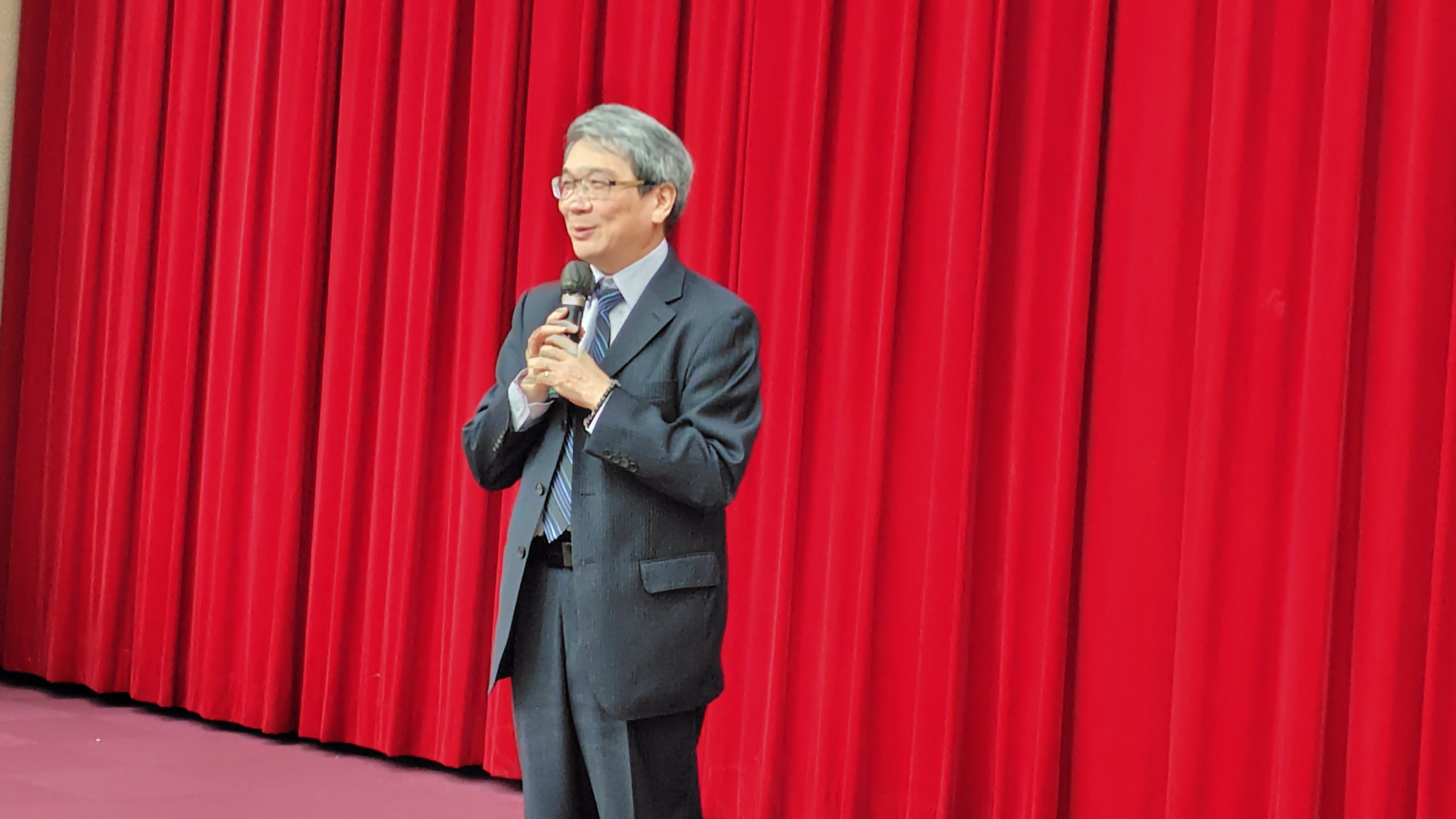
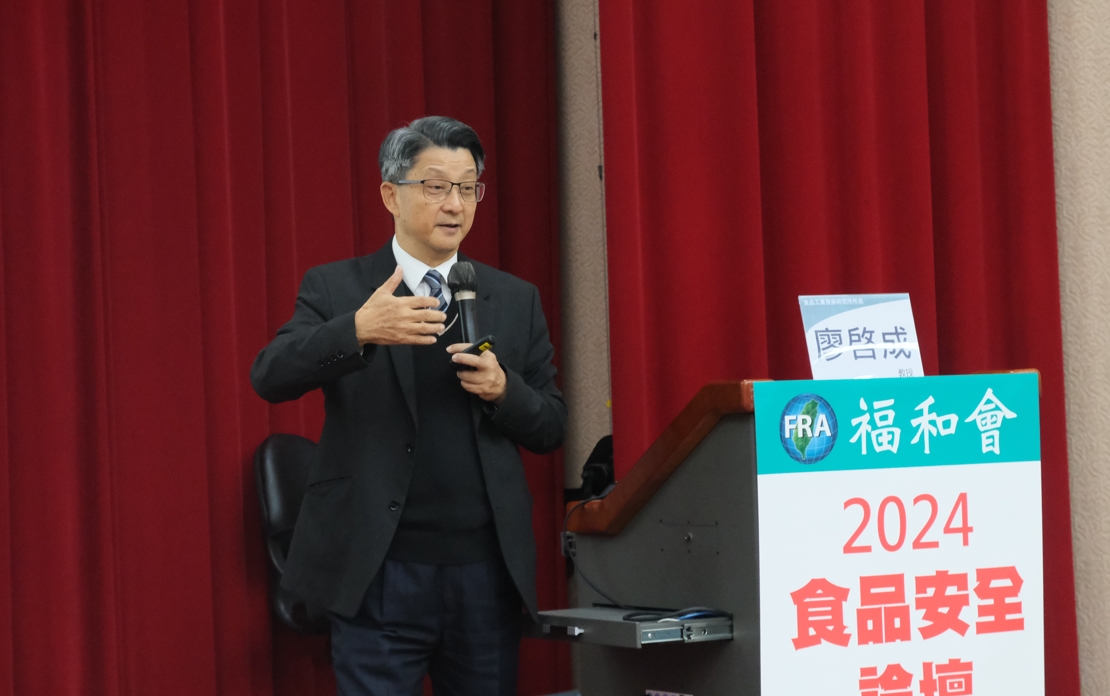
Professor Liao Chi‑cheng, Director of the Food Industry Research and Development Institute, delivered the talk “The Development and Challenges of Taiwan’s Food Industry and Dietary Ecosystem.” He noted that Taiwan’s food industry is currently facing major global shifts in technology and industrial structure. Looking ahead, the two central issues will be digital transformation and sustainable development. Artificial intelligence will increasingly be integrated into food‑industry operations, while the push toward net‑zero carbon emissions will require new thinking across every stage—from agriculture to food manufacturing. As new technologies and new materials enter the market, including innovations from numerous food‑tech startups, entirely new categories of food‑safety risks will emerge. These developments will bring corresponding, unprecedented food‑safety challenges that regulators and industry must learn to address.

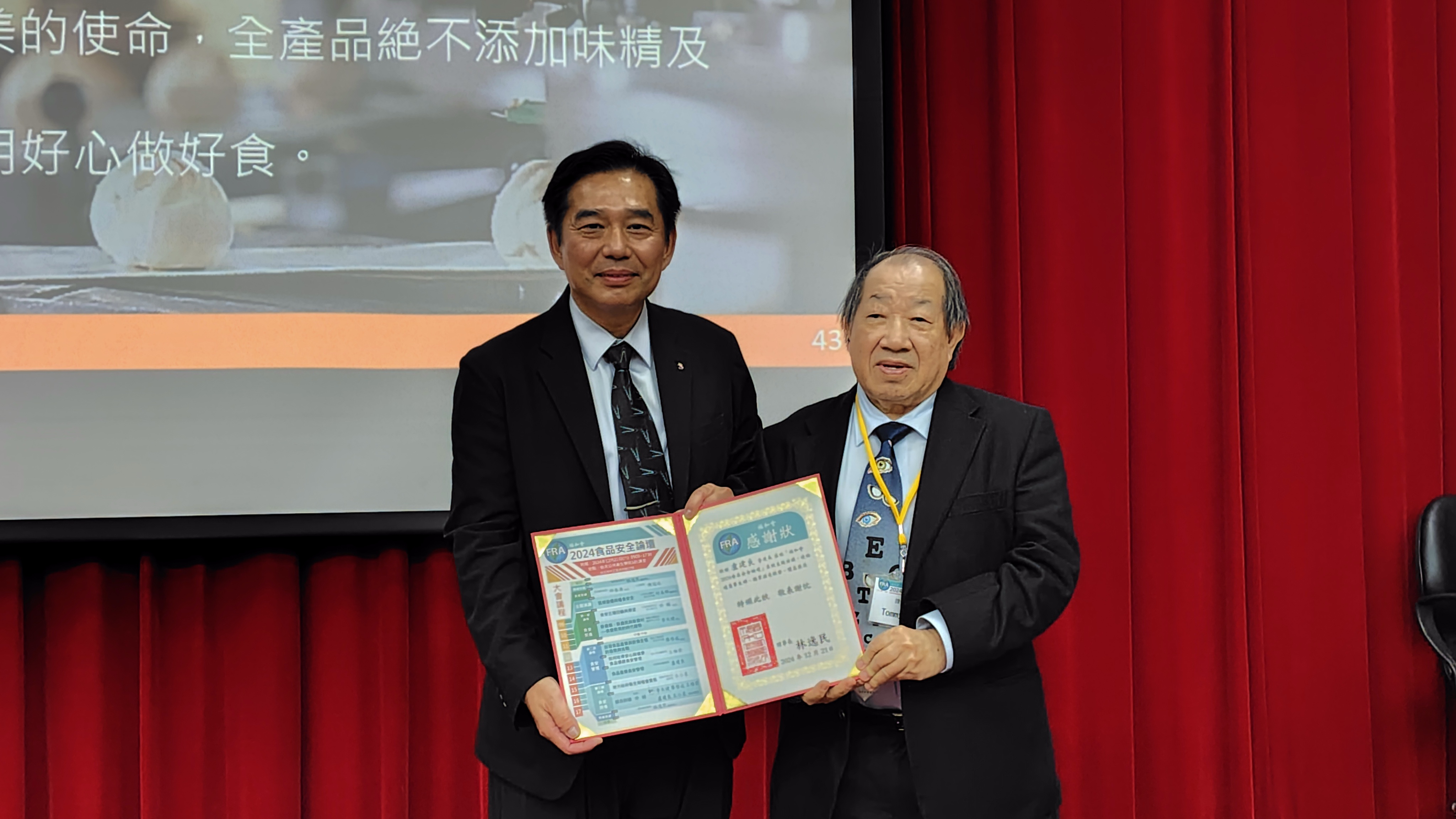
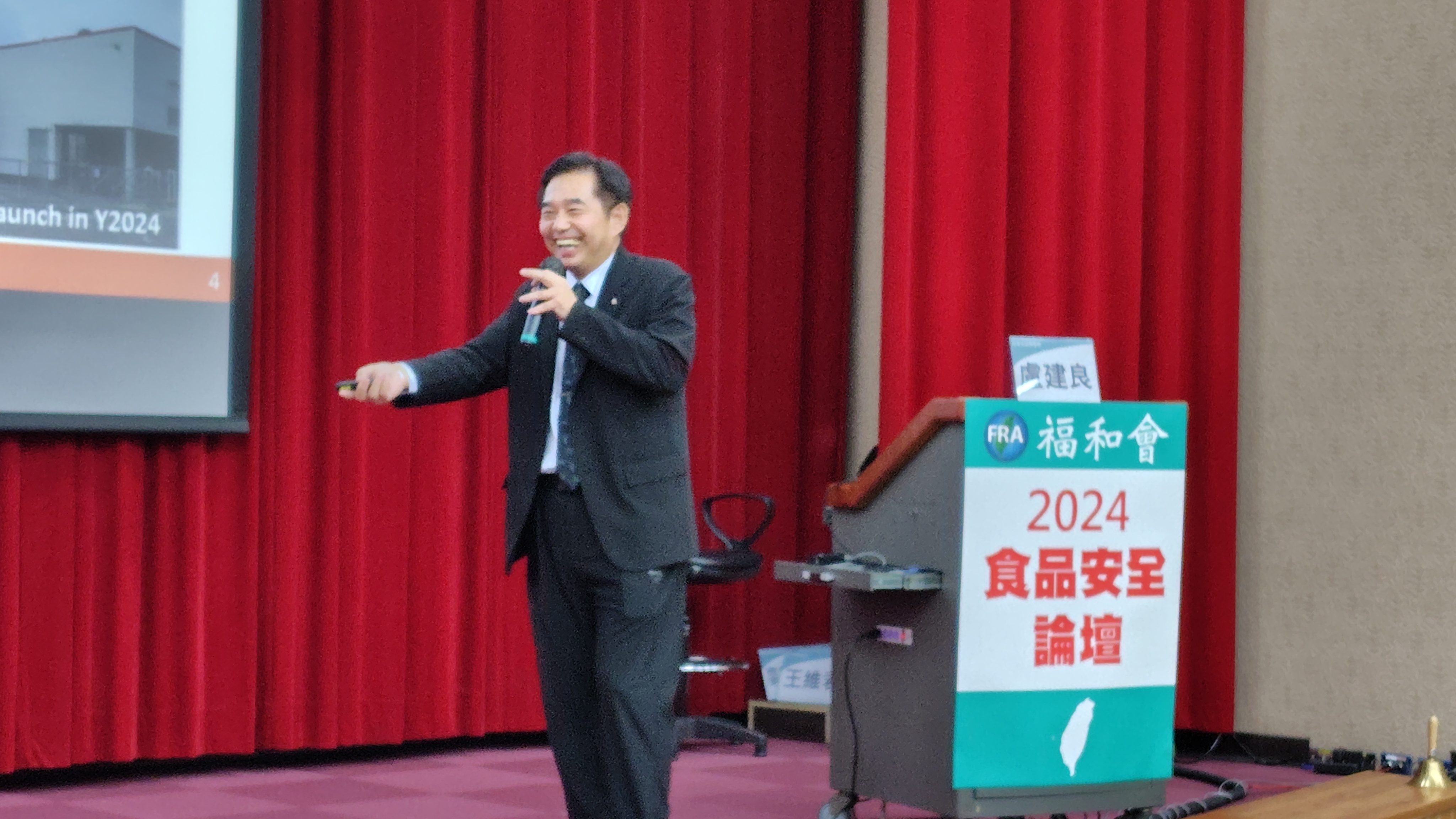
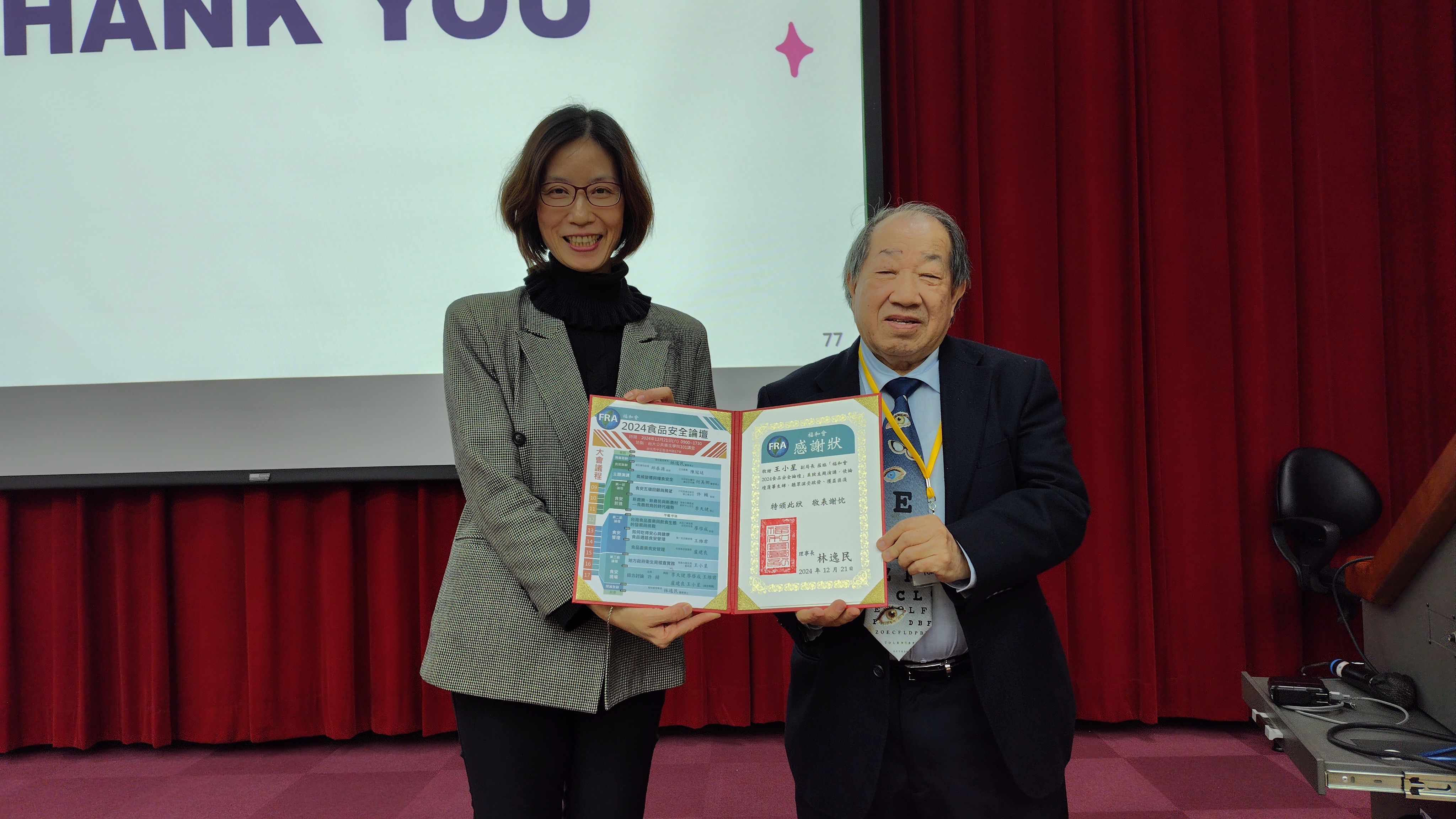
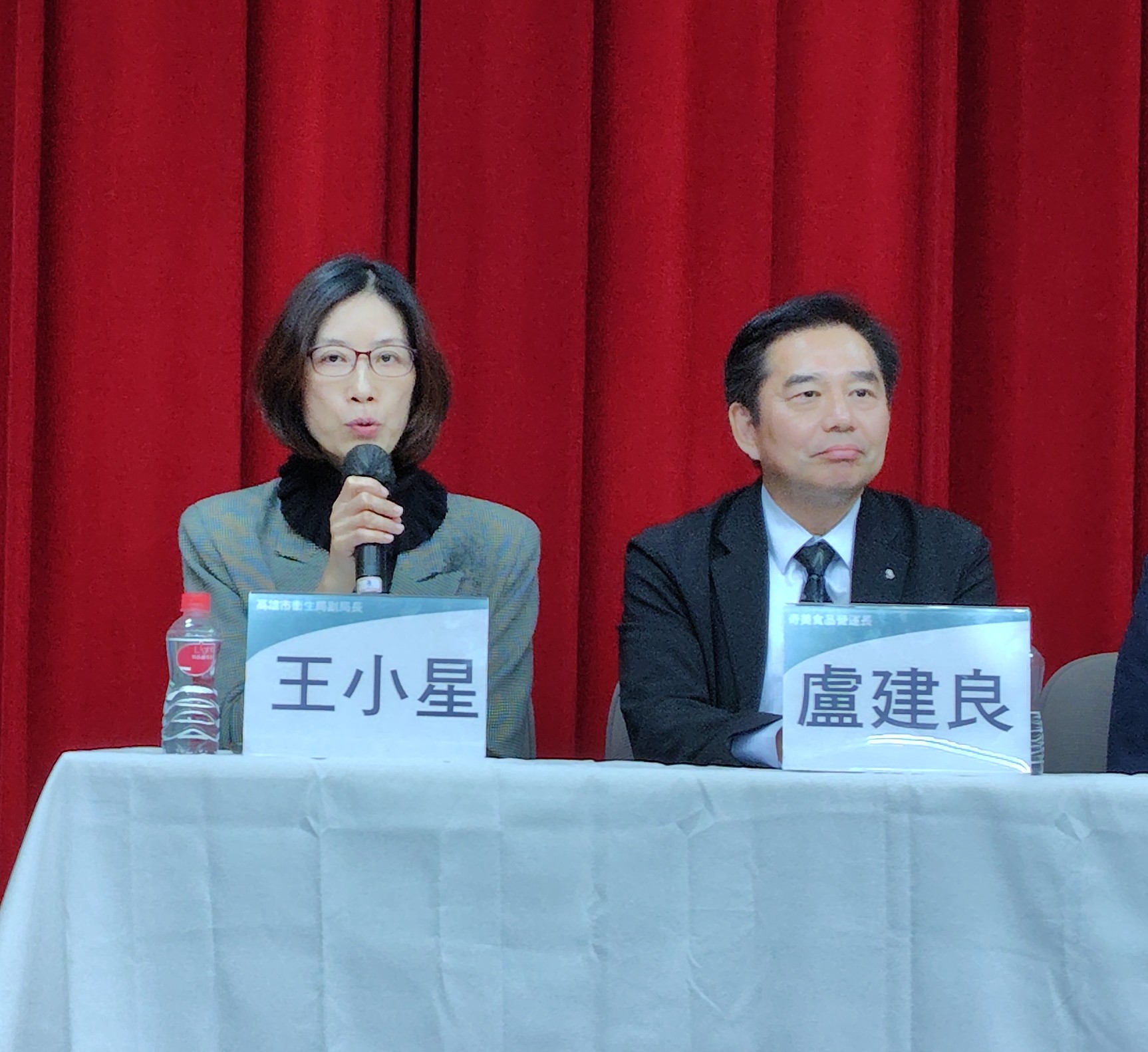
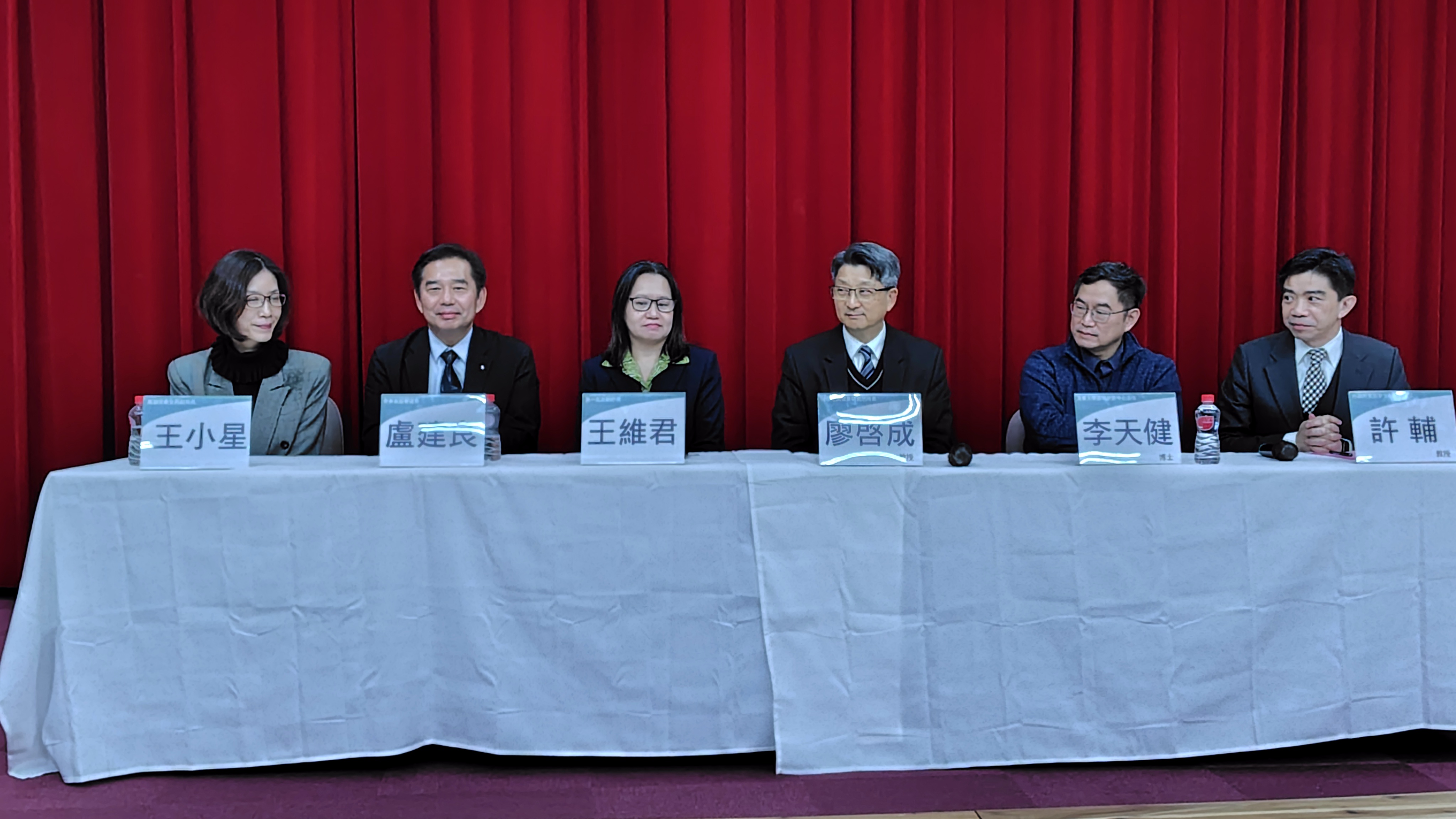
Dennis Wang, General Manager of First Store, proposed applying aviation‑safety thinking to safeguard food safety. Chimei Foods COO Lu Chien‑liang shared how major food manufacturers implement comprehensive controls—from raw‑material management, process control, packaging operations, and inventory flow, to laboratory oversight and full traceability—to ensure food safety at every stage. Deputy Director Wang Hsiao‑hsing of the Kaohsiung City Health Bureau discussed frontline inspection practices at the local‑government level. In the liquid‑egg incident, the bureau strengthened regulation and oversight of cold‑chain operators. During the Sudan Red incident, the bureau conducted inspections and seizures targeting the Jin‑Zhan Group, and subsequent sampling confirmed that the contamination had not spread further and that risks were under control. The bureau then worked closely with food‑importers and the Economic Development Bureau to tighten regulatory measures. In addition to stricter raw‑material controls for food‑import businesses, they also enhanced oversight of operators dealing in medicinal‑food dual‑use materials, closing loopholes where imported medicinal ingredients could be diverted for food use.

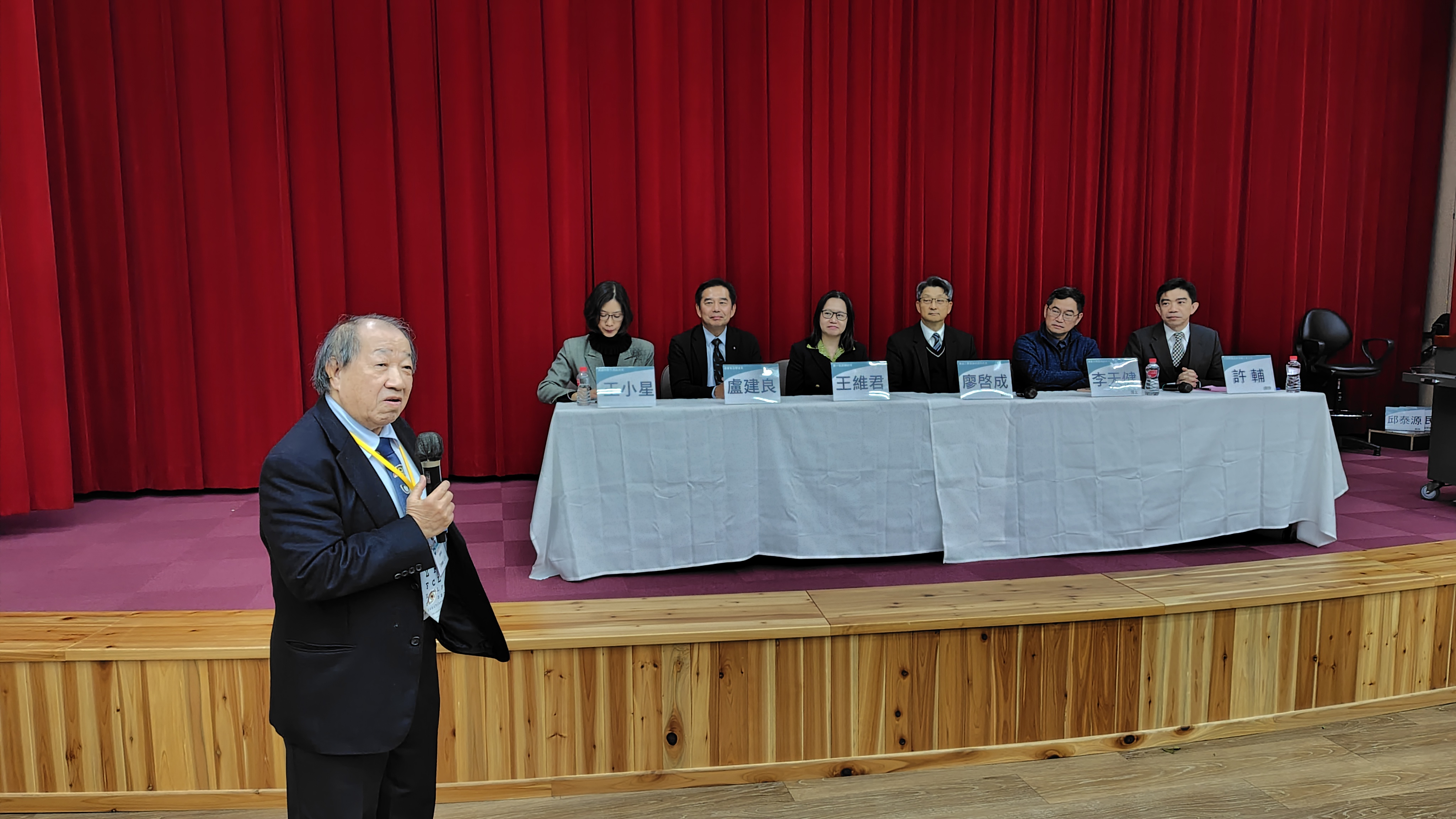
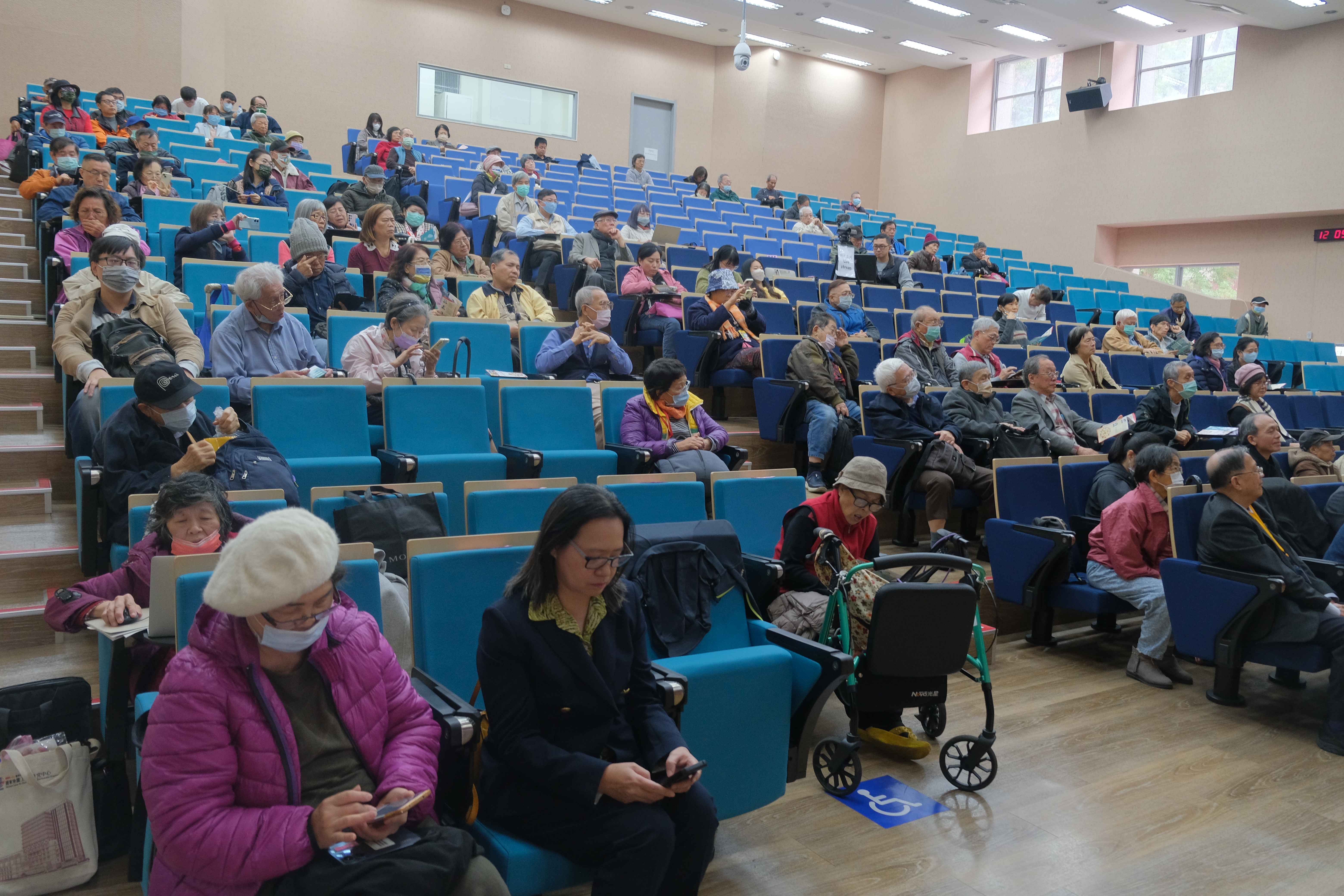
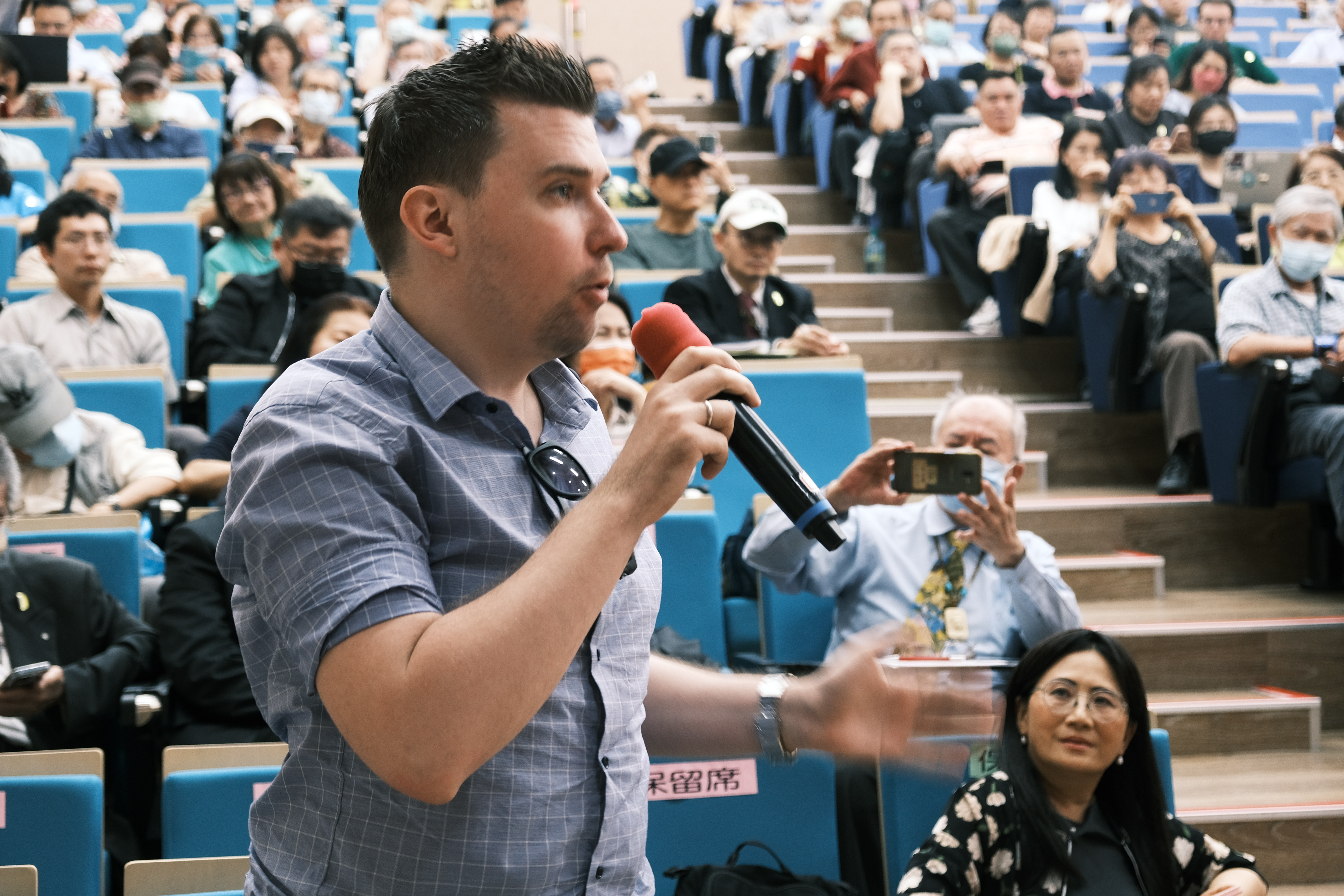
The forum concluded with a plenary discussion moderated by Director Hsu Fu. The audience responded enthusiastically, engaging in wide‑ranging dialogue on topics such as the risk of Salmonella in raw egg consumption, debates over genetically modified versus organic foods, the use of preservatives, labeling and traceability for packaged foods produced by smaller manufacturers, and the risks and hazards associated with food products from China.
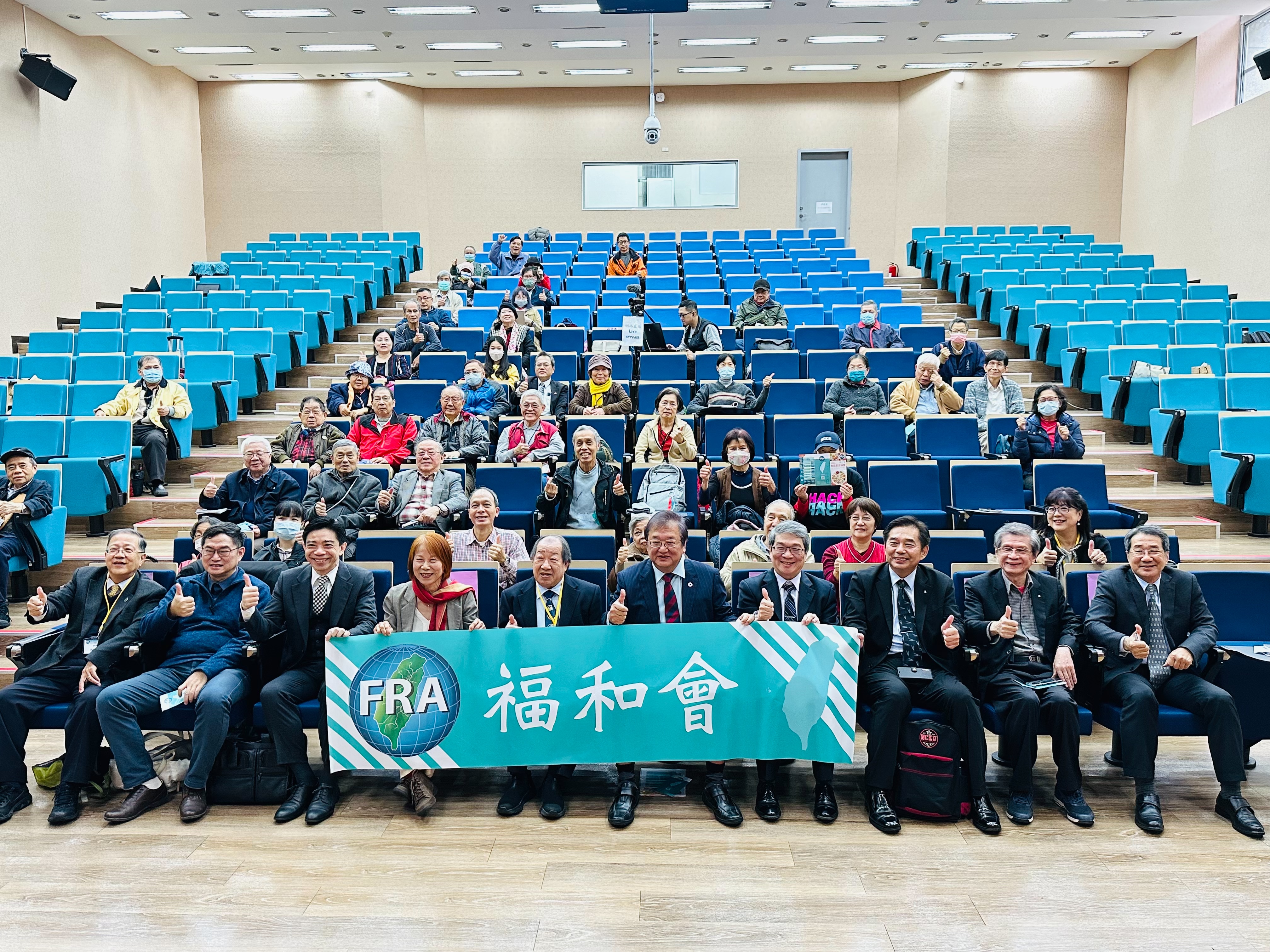
FRA 2024 Food Safety Forum FRA 2024 Food Safety Forum FRA 2024 Food Safety Forum FRA 2024 Food Safety Forum FRA 2024 Food Safety Forum FRA 2024 Food Safety Forum FRA 2024 Food Safety Forum FRA 2024 Food Safety Forum FRA 2024 Food Safety Forum FRA 2024 Food Safety Forum FRA 2024 Food Safety Forum FRA 2024 Food Safety Forum FRA 2024 Food Safety Forum FRA 2024 Food Safety Forum FRA 2024 Food Safety Forum FRA 2024 Food Safety Forum FRA 2024 Food Safety Forum FRA 2024 Food Safety Forum FRA 2024 Food Safety Forum FRA 2024 Food Safety Forum FRA 2024 Food Safety Forum FRA 2024 Food Safety Forum FRA 2024 Food Safety Forum FRA 2024 Food Safety Forum FRA 2024 Food Safety Forum FRA 2024 Food Safety Forum FRA 2024 Food Safety Forum FRA 2024 Food Safety Forum FRA 2024 Food Safety Forum FRA 2024 Food Safety Forum

FRA 2024 Energy and Net‑Zero Forum

2024.9.7

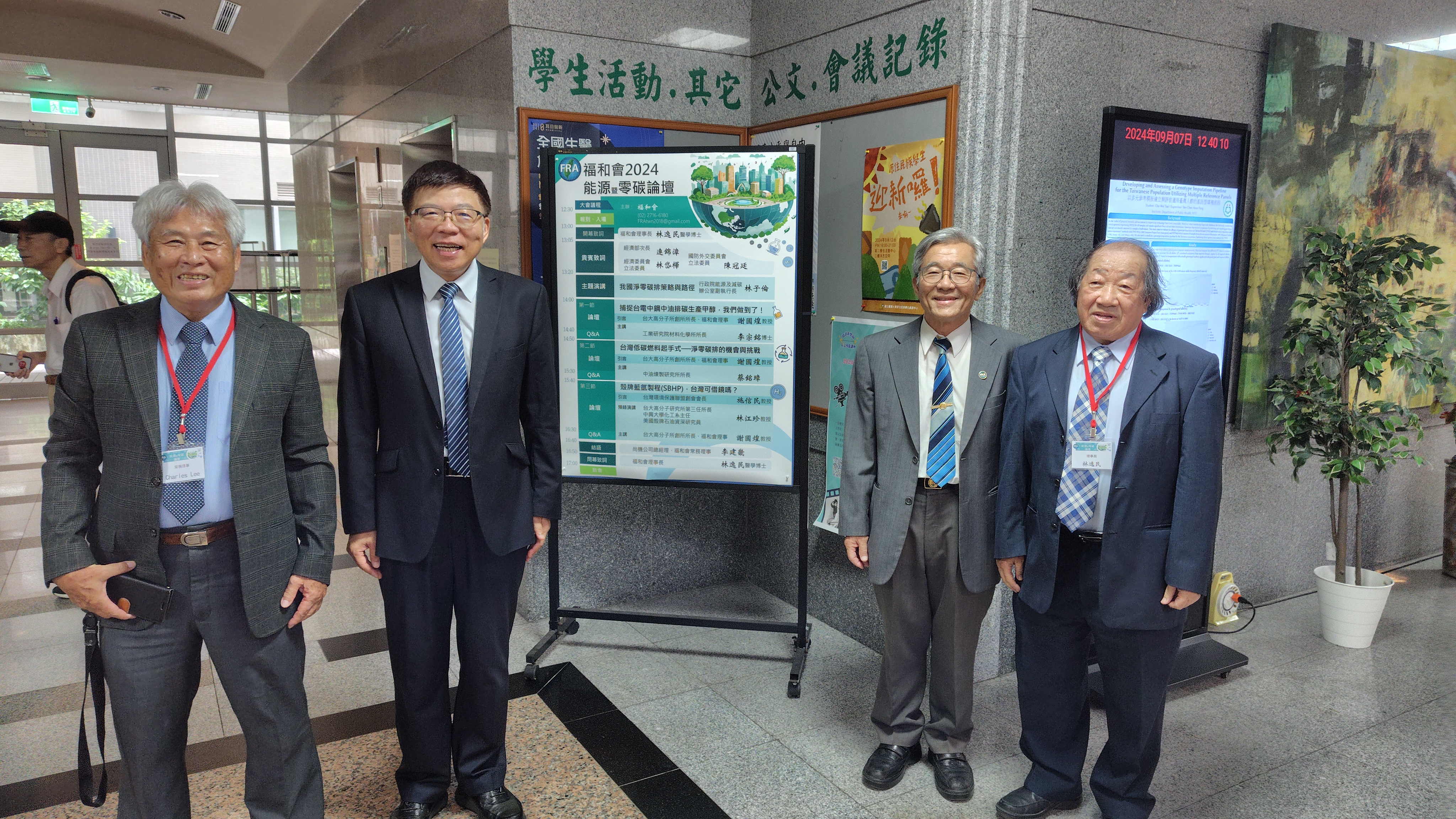
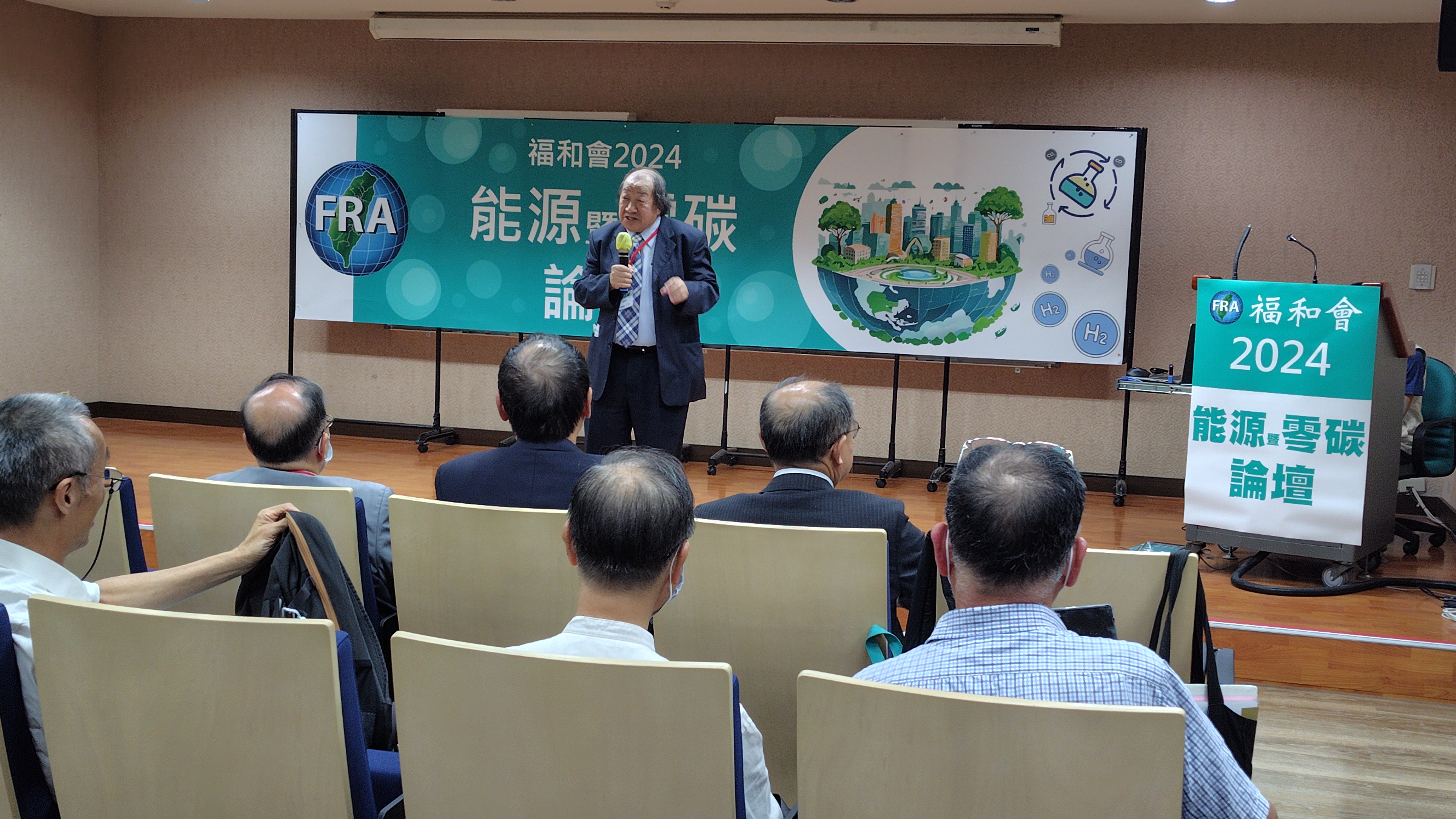
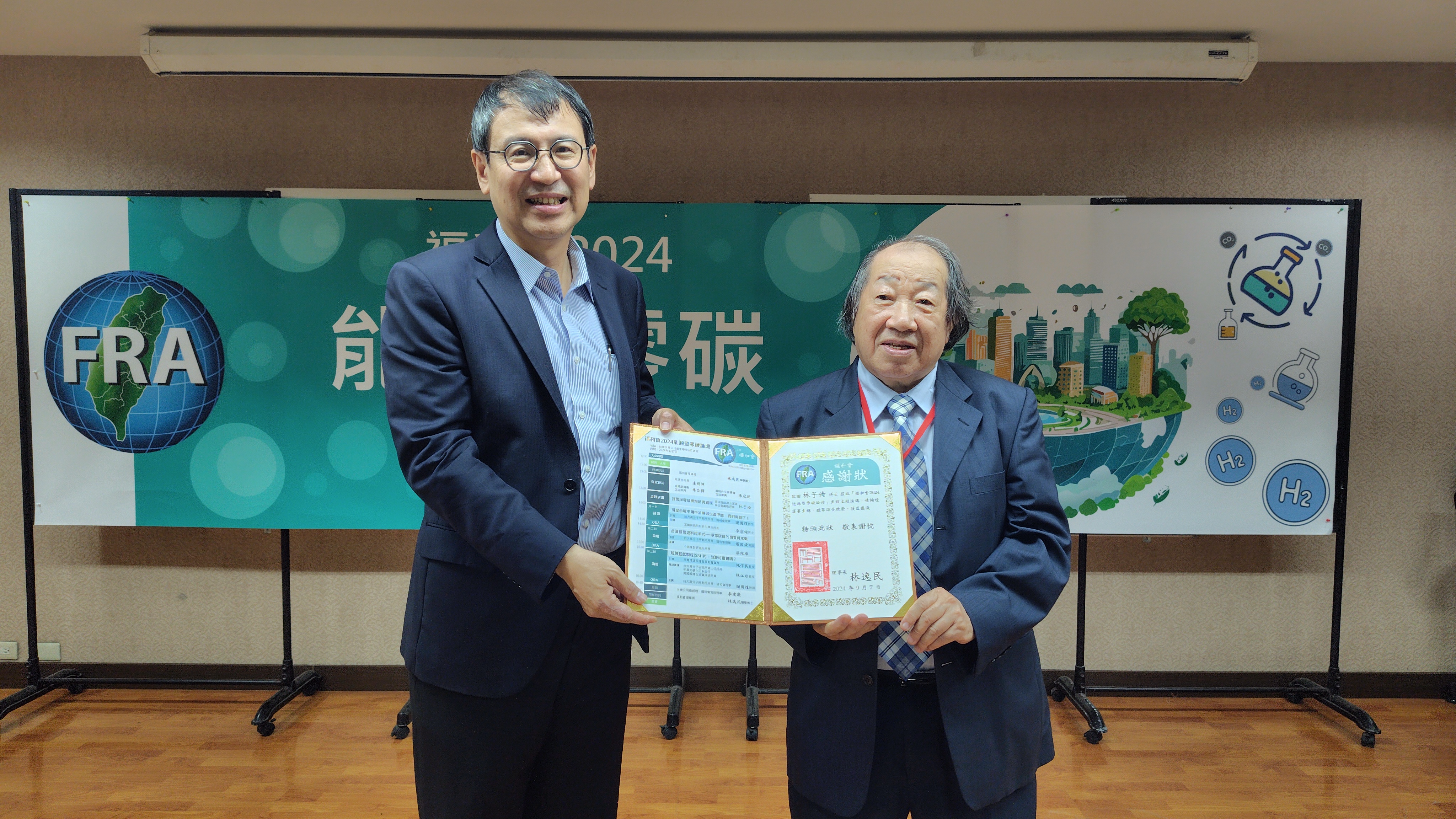
Energy strategy is a top priority in every nation’s overall strategic planning. In addition, the requirements imposed by major Western countries for industries to reduce carbon emissions have grown increasingly stringent. European and American corporations are also independently demanding that their supply chains—including Taiwanese exporters—ensure that their products and services use green energy or achieve net‑zero carbon emissions.

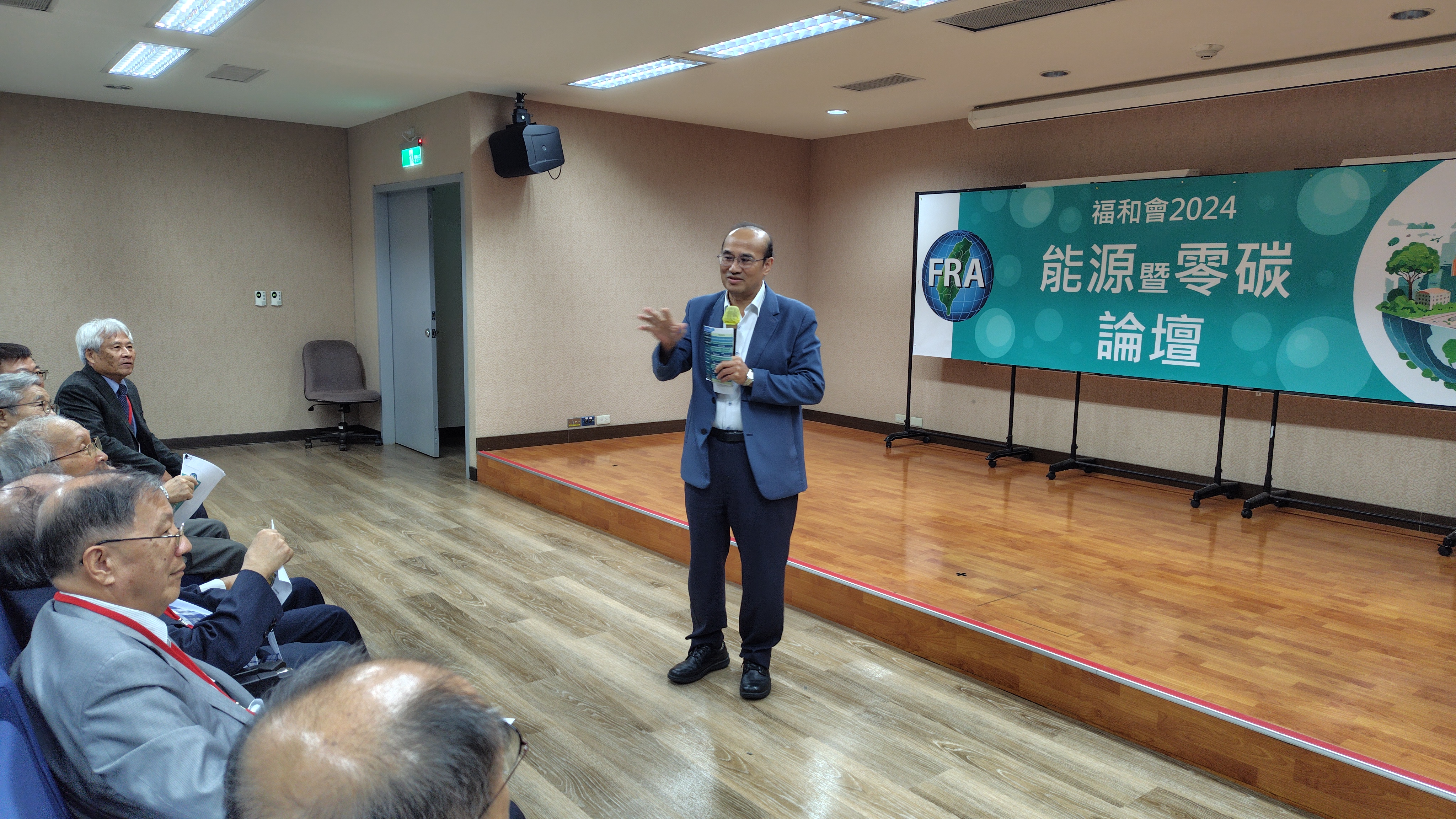
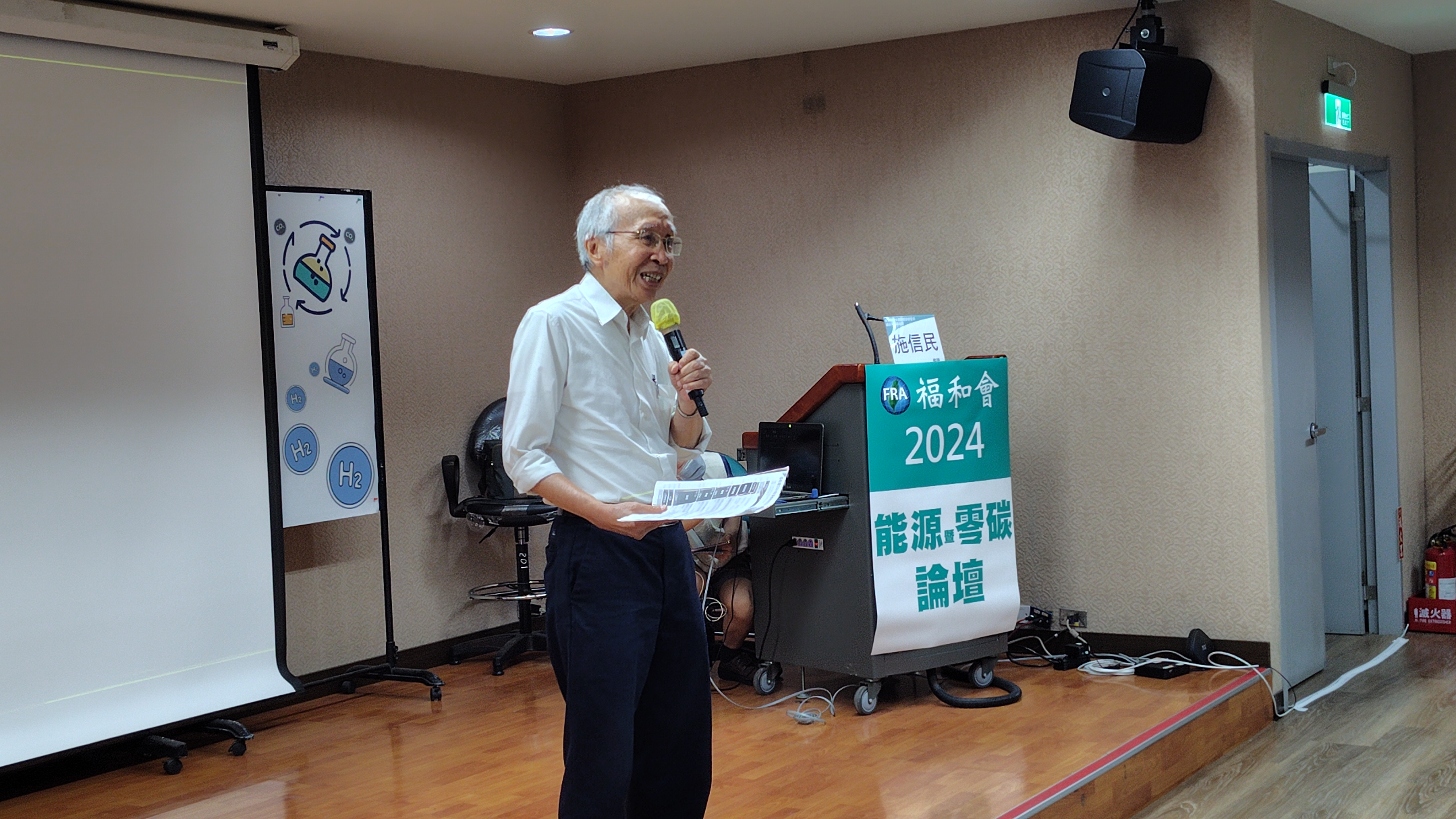
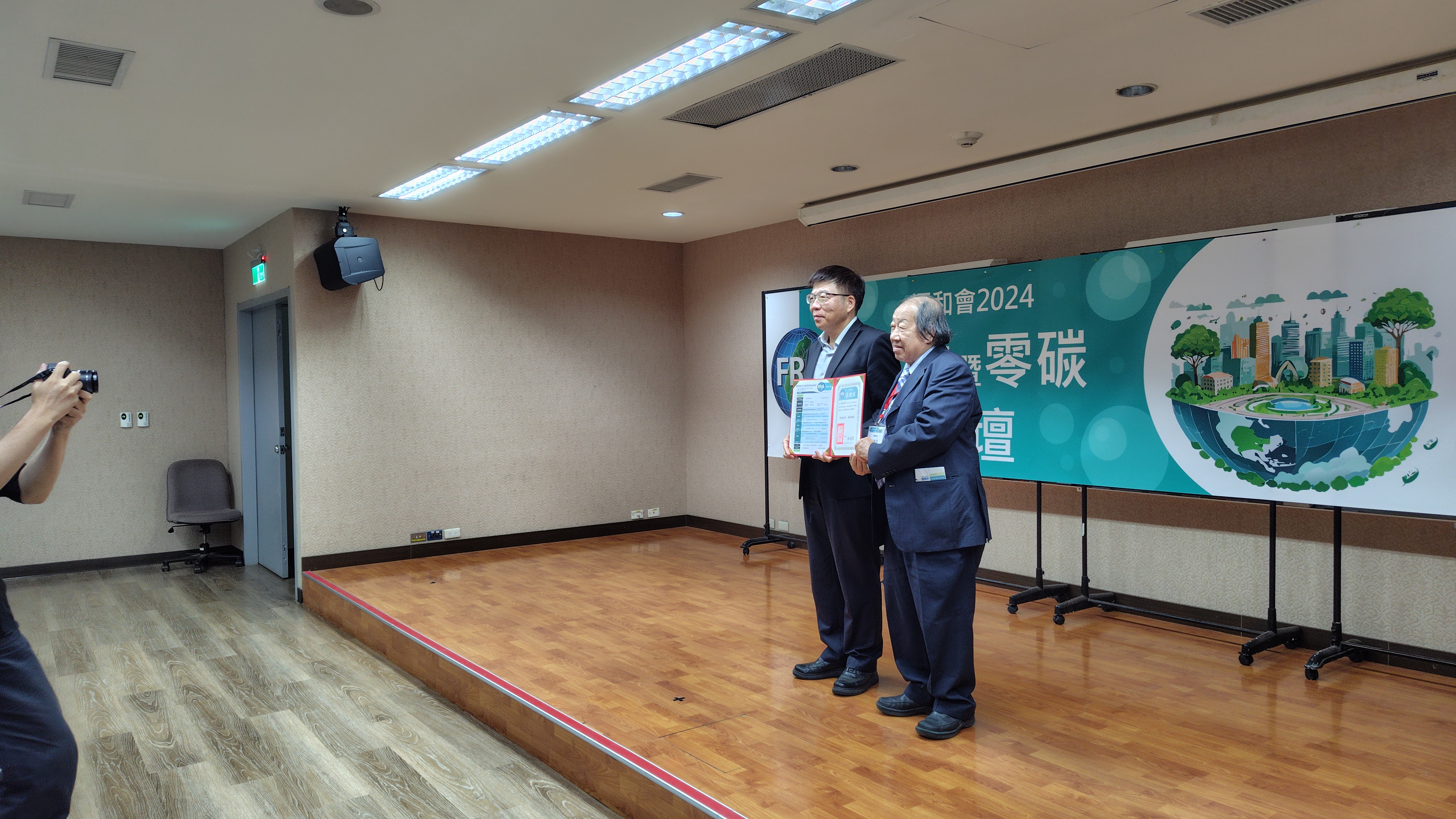
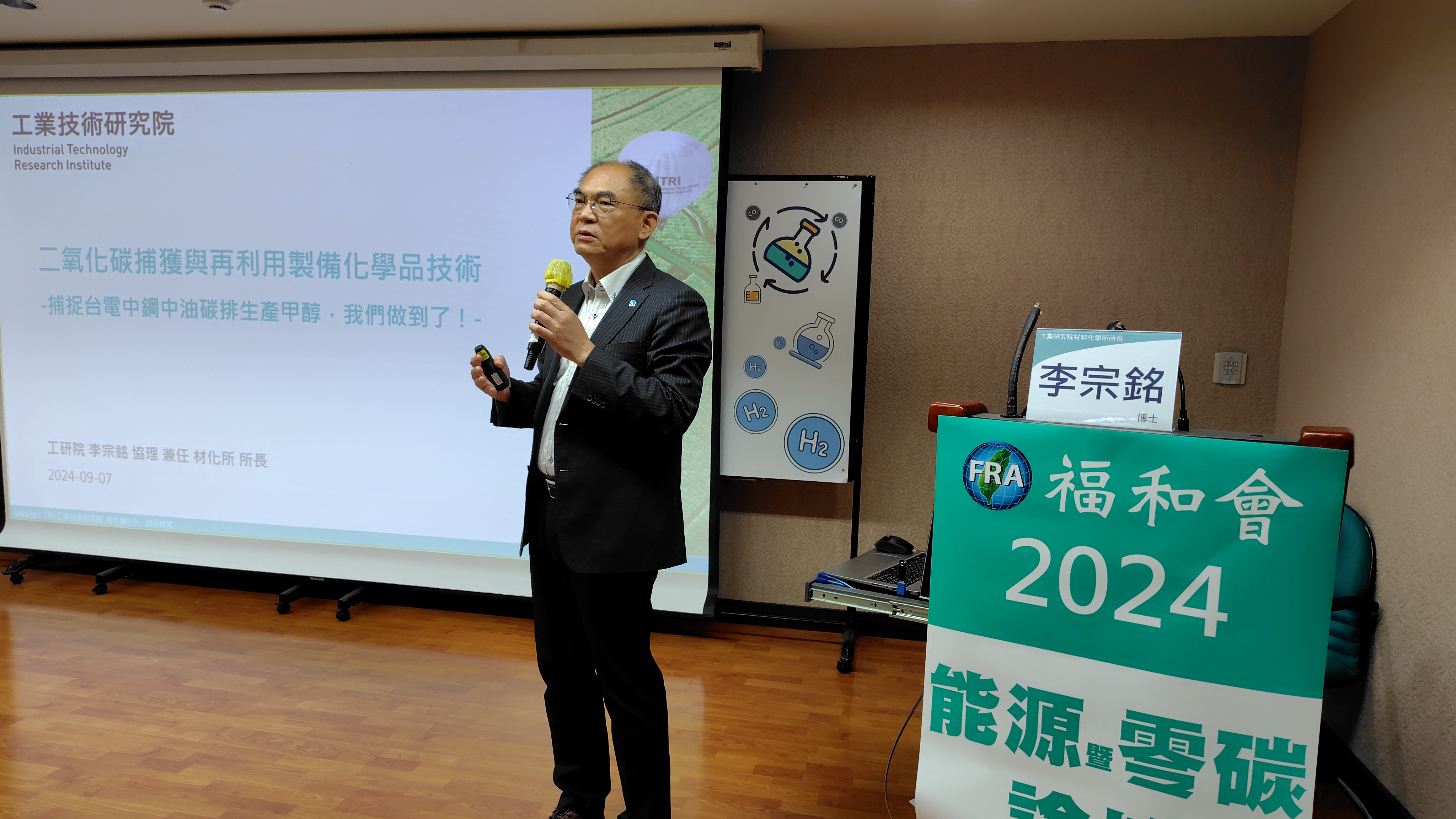
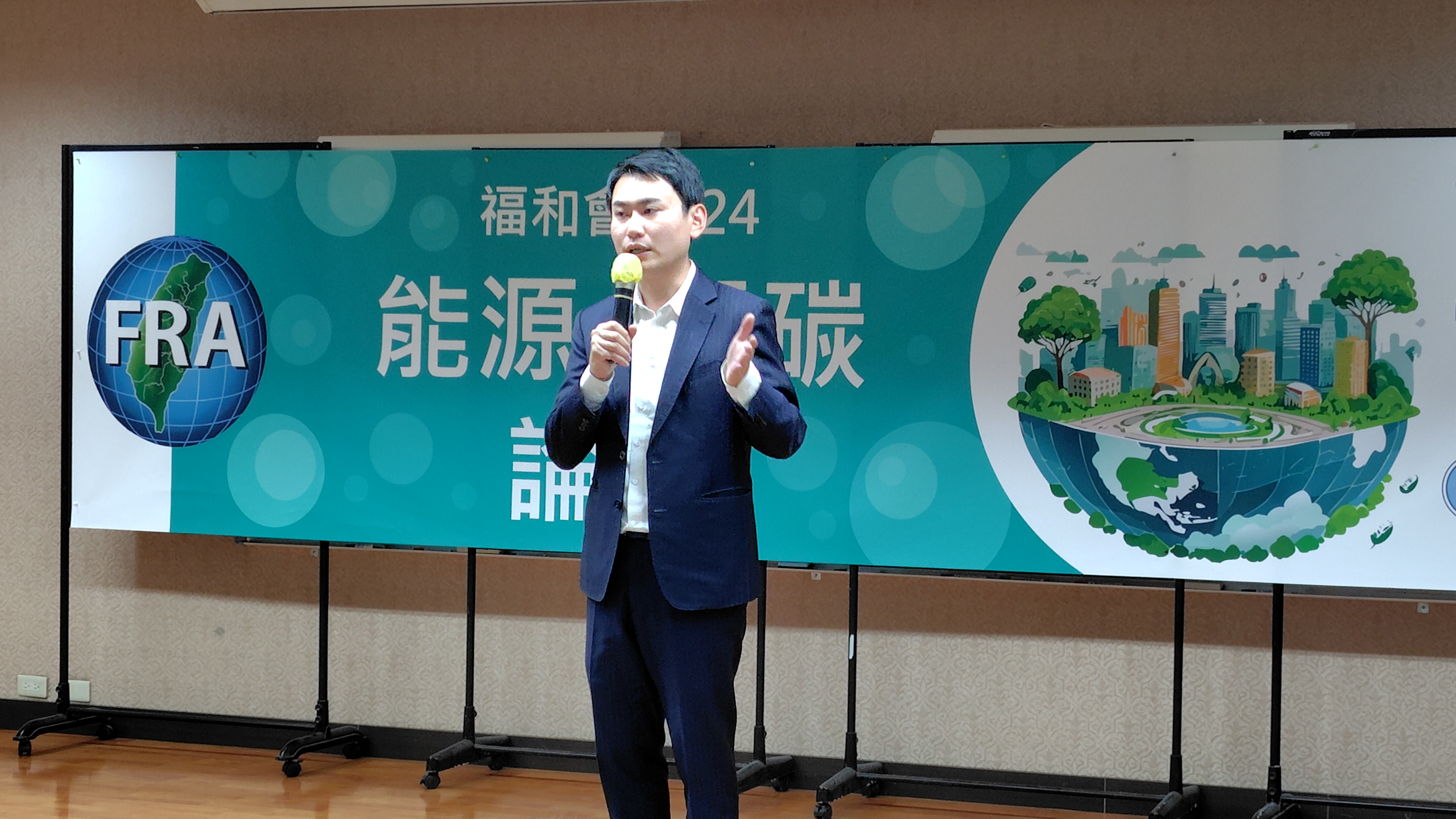
Whether Taiwan truly “lacks electricity” is largely a false issue. What is real, however, is that Taiwanese industries urgently need green electricity, driven by increasingly strict requirements from European and American clients. Many Western companies now demand that their supply chains—including Taiwan’s exporters—use renewable energy or achieve net‑zero carbon emissions for their products and services. This forum focused on a central question: how major carbon‑emitting enterprises such as Taipower and CSC can implement carbon‑capture technologies, and how the captured carbon can be effectively utilized. Speakers presented results from existing pilot plants to demonstrate feasibility, and discussed pragmatic pathways for Taiwan to genuinely become a net‑zero nation.

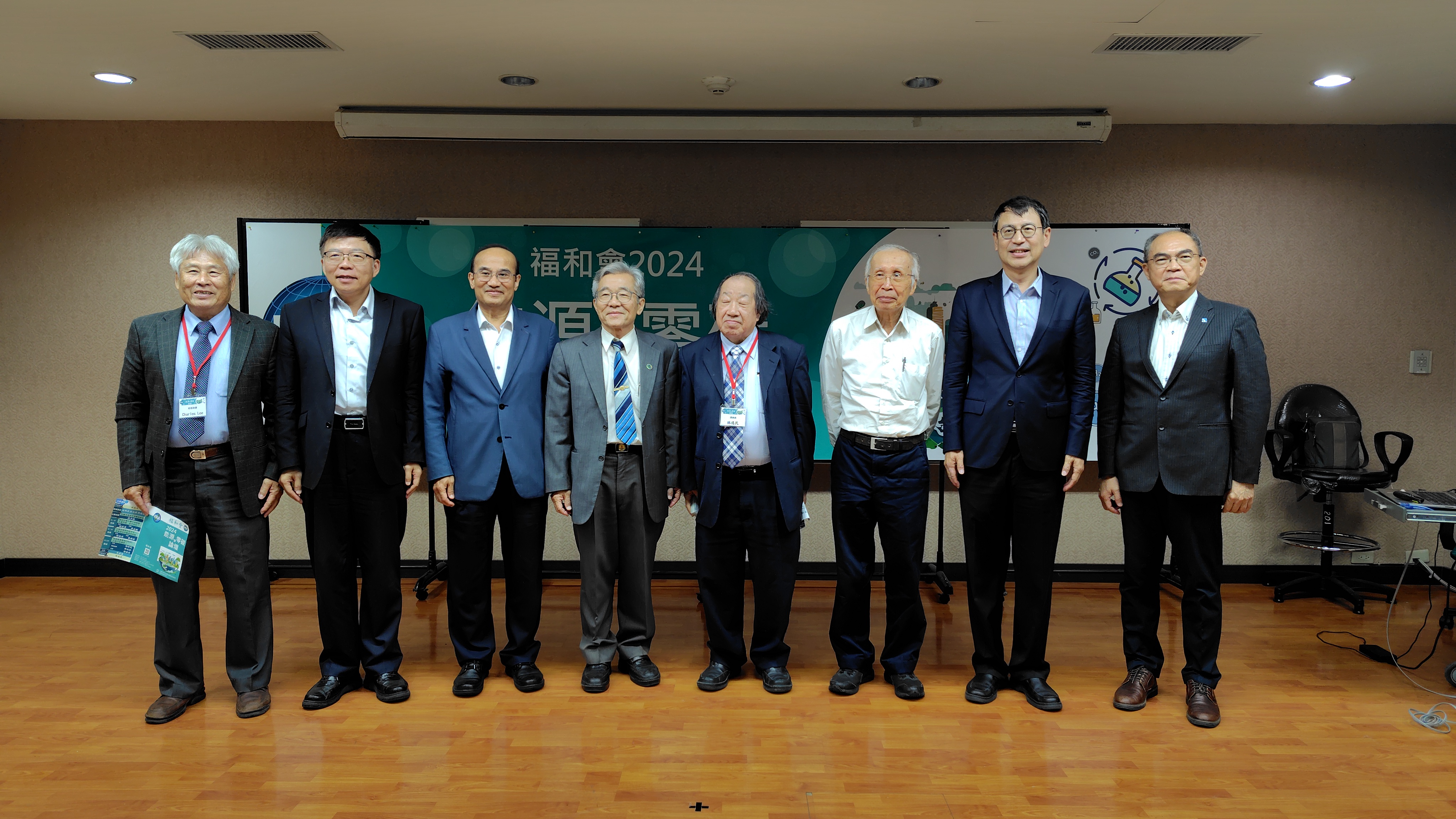
The FRA 2024 Energy and Net‑Zero Forum brought together leading experts from industry, government, and academia, including:

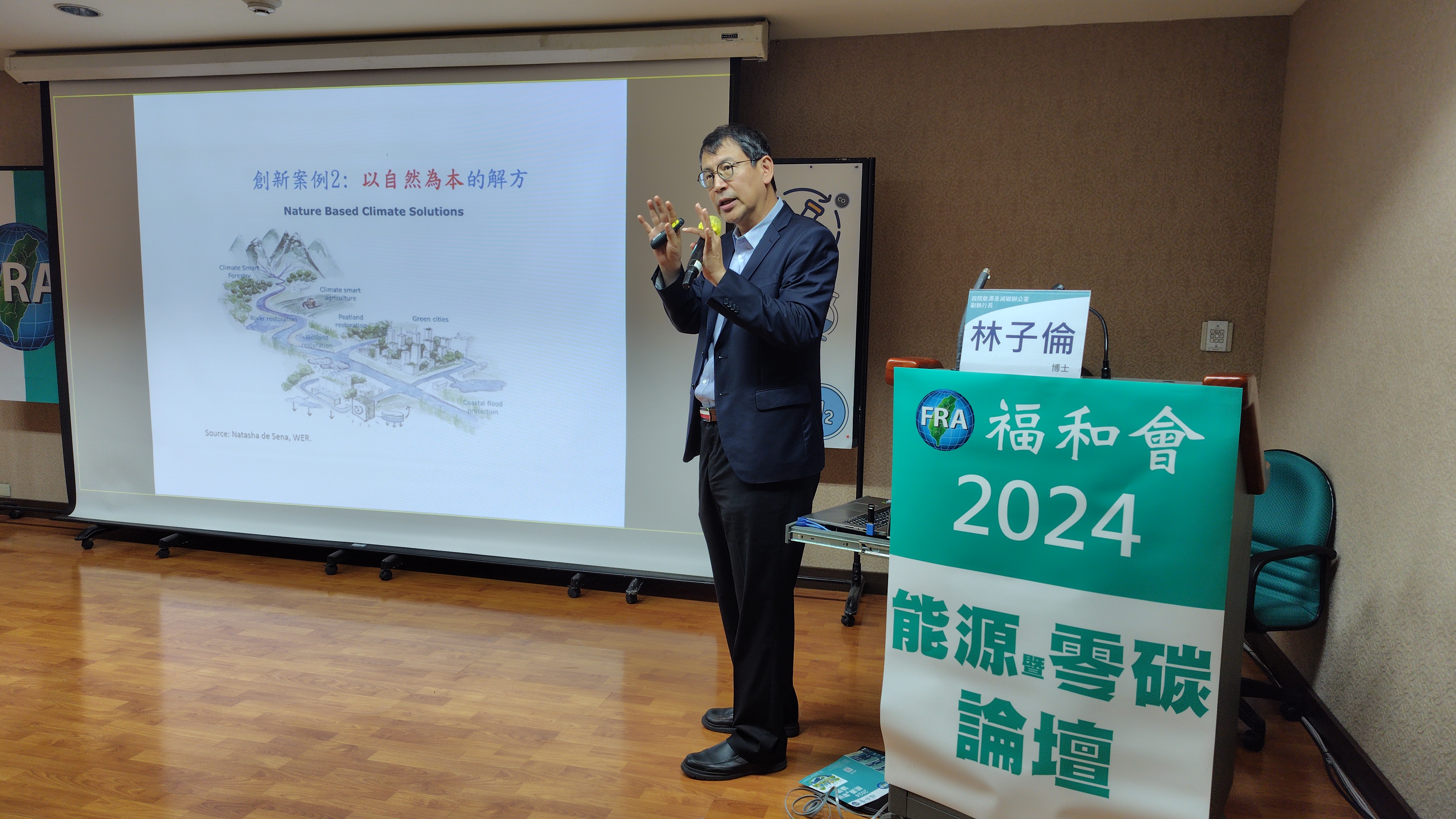
Lin Tzu‑lun, Deputy Executive Director of the Executive Yuan Office of Energy and Carbon Reduction

Tsai Ming‑chang, Director of CPC Corporation’s Refining Research Institute

Dr. Li Tsung‑ming, Director of the Materials and Chemical Research Laboratories at ITRI

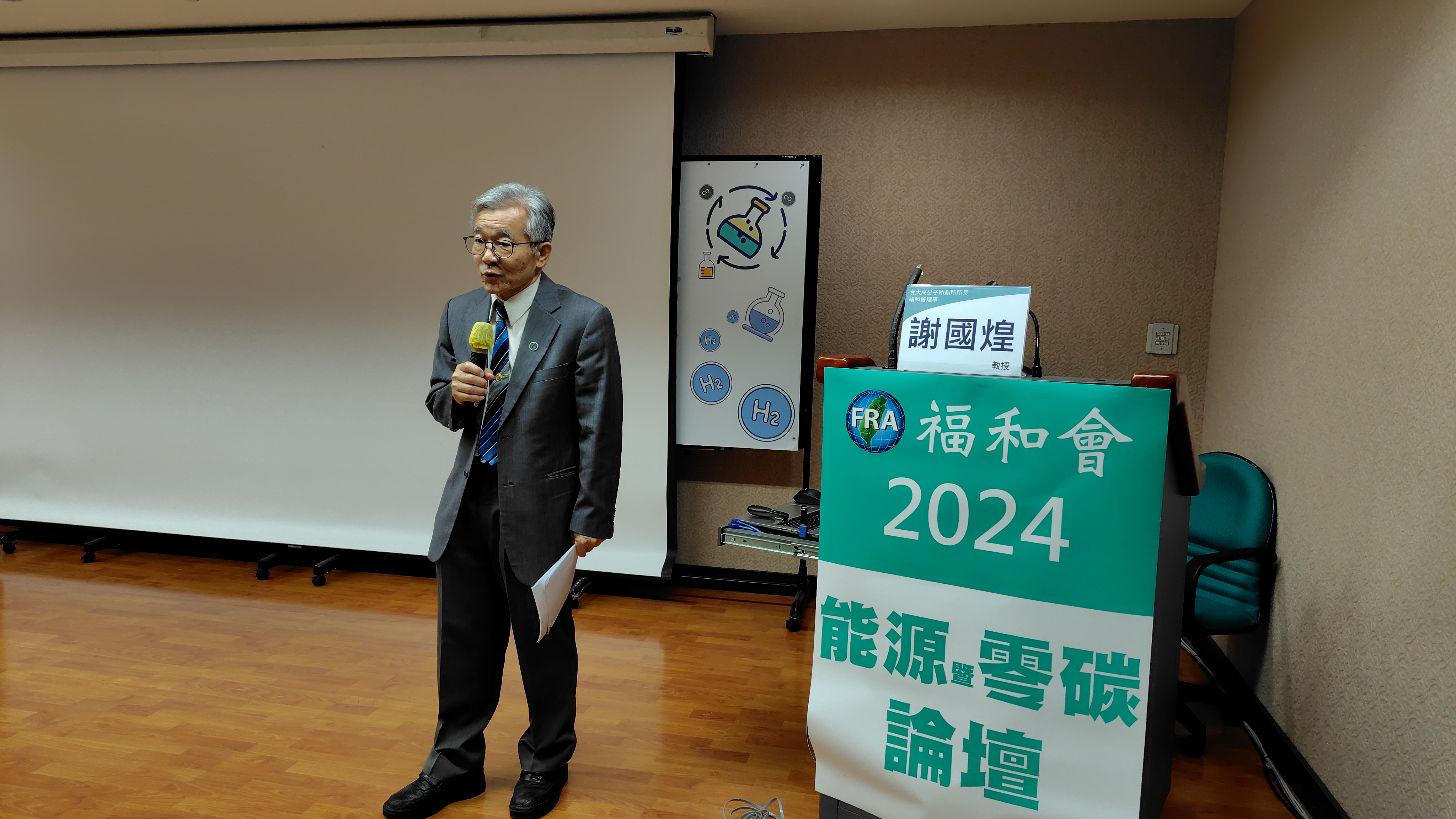
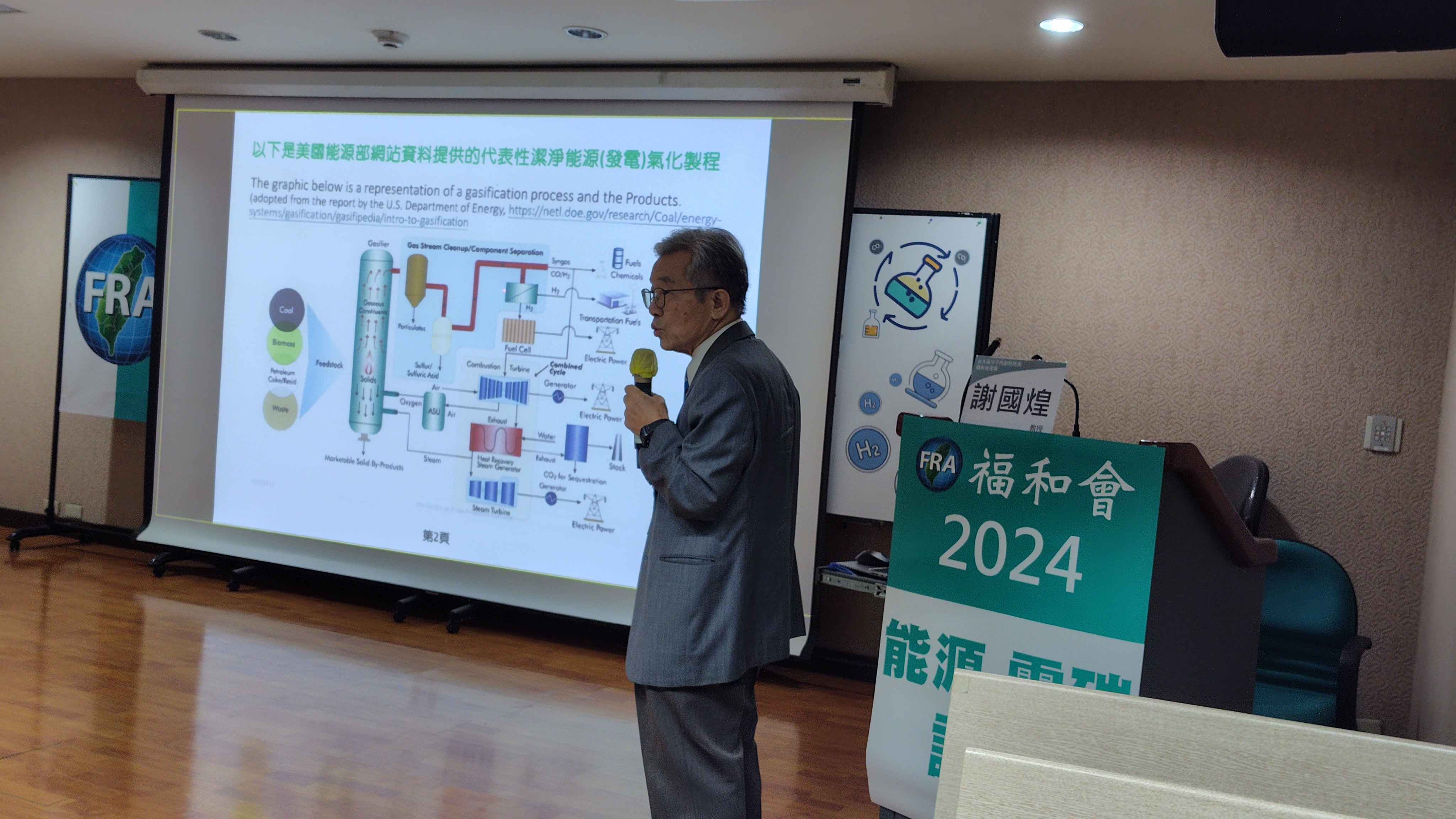
Professor Hsieh Kuo‑huang, FRA board member and founding director of NTU’s Institute of Polymer Science and Engineering

Professor Lin Chiang‑chen, the Institute’s third director and Senior Researcher at Shell Oil in the United States

Professor Shih Hsin‑min, Founding President of the Taiwan Environmental Protection Union

They were joined by Deputy Minister Lien Chin‑chang of the Ministry of Economic Affairs and Legislator Chen Kuan‑ting to collectively examine Taiwan’s energy future and pathways toward achieving net‑zero emissions.

Vedio Link

FRA 2024 Energy and Net‑Zero Forum FRA 2024 Energy and Net‑Zero Forum FRA 2024 Energy and Net‑Zero Forum FRA 2024 Energy and Net‑Zero Forum FRA 2024 Energy and Net‑Zero Forum FRA 2024 Energy and Net‑Zero Forum FRA 2024 Energy and Net‑Zero Forum FRA 2024 Energy and Net‑Zero Forum FRA 2024 Energy and Net‑Zero Forum FRA 2024 Energy and Net‑Zero Forum FRA 2024 Energy and Net‑Zero Forum FRA 2024 Energy and Net‑Zero Forum FRA 2024 Energy and Net‑Zero Forum

FRA Central Taiwan Champion Industries Visit

2024.6.6

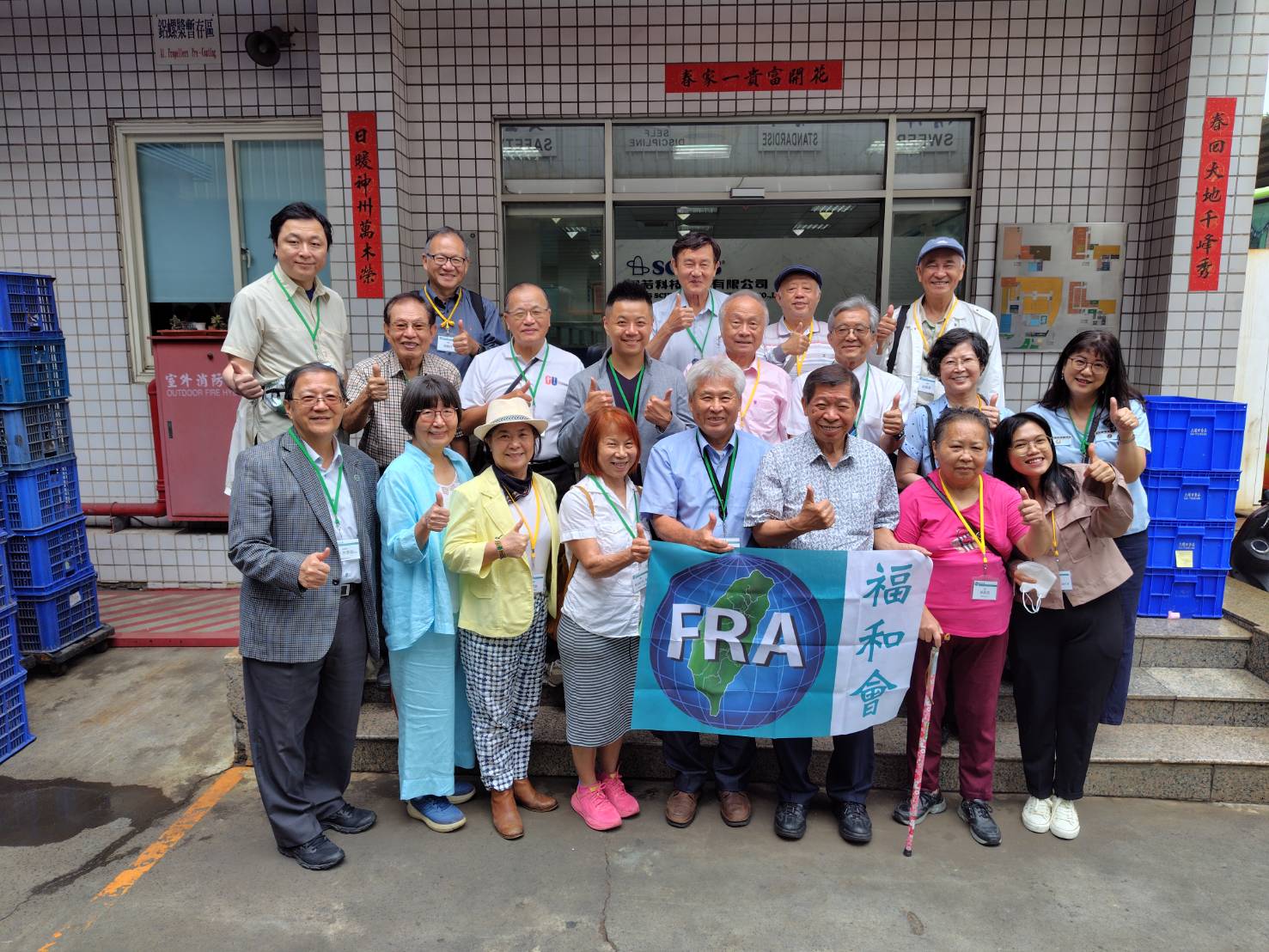
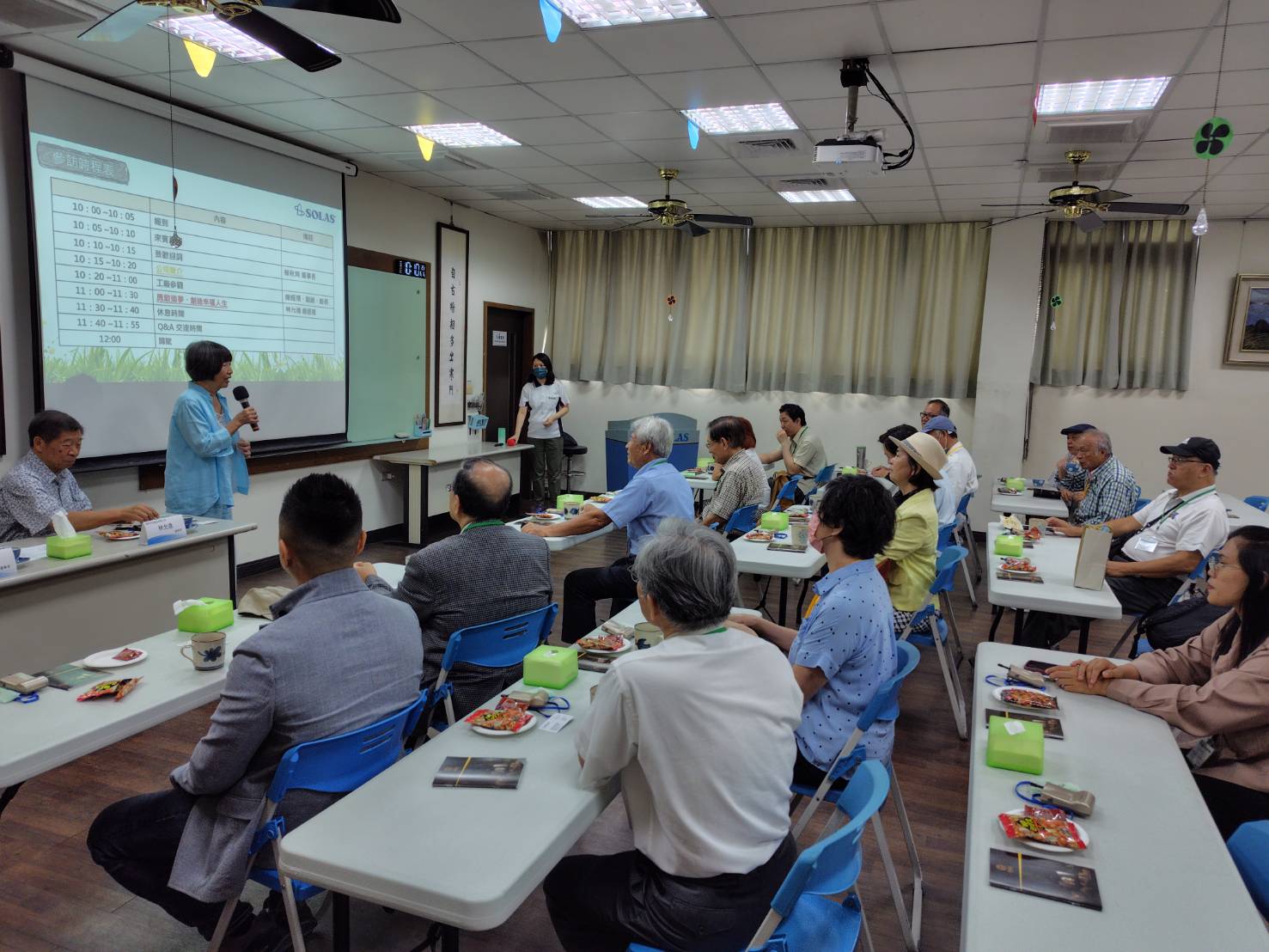
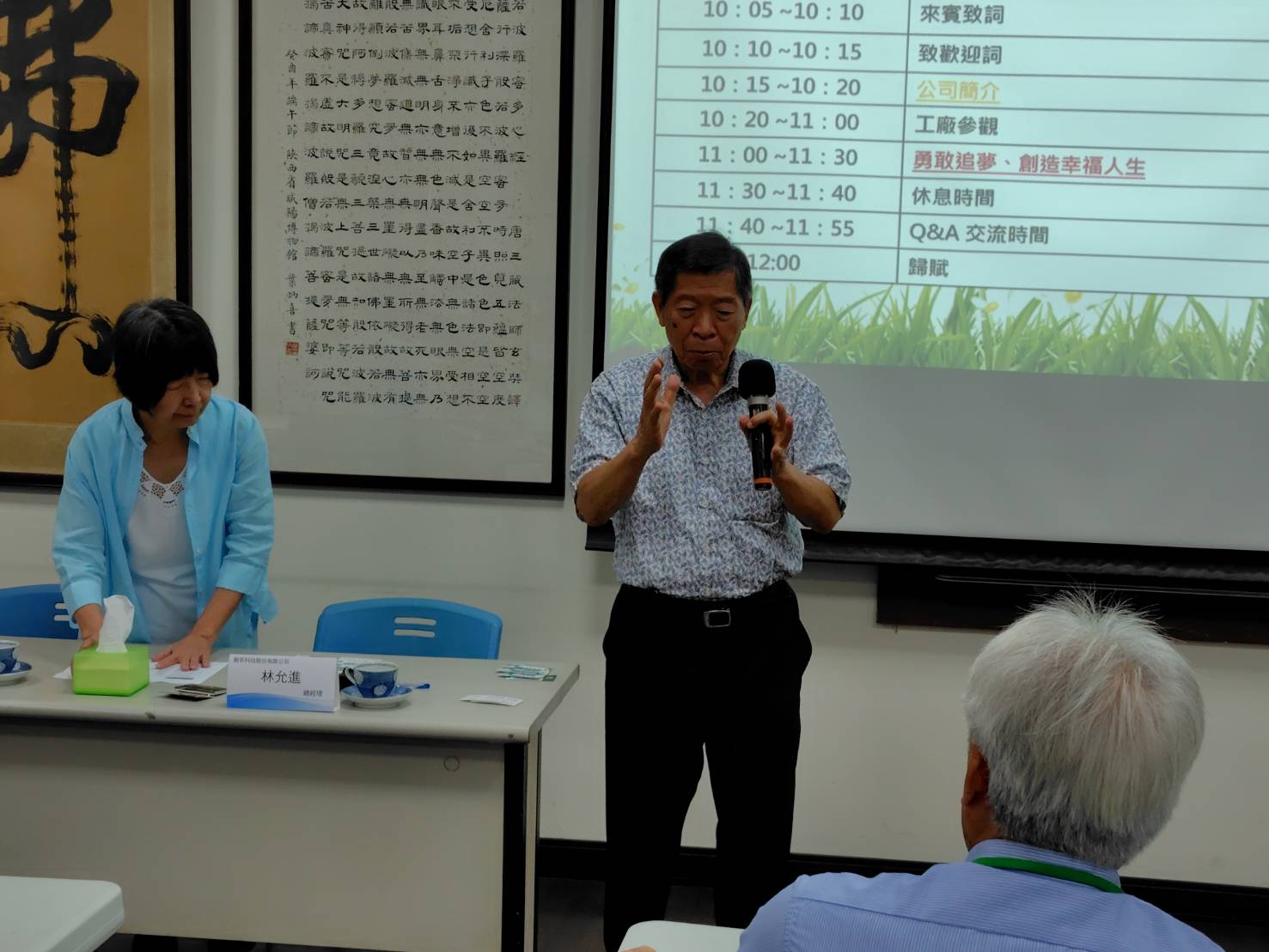
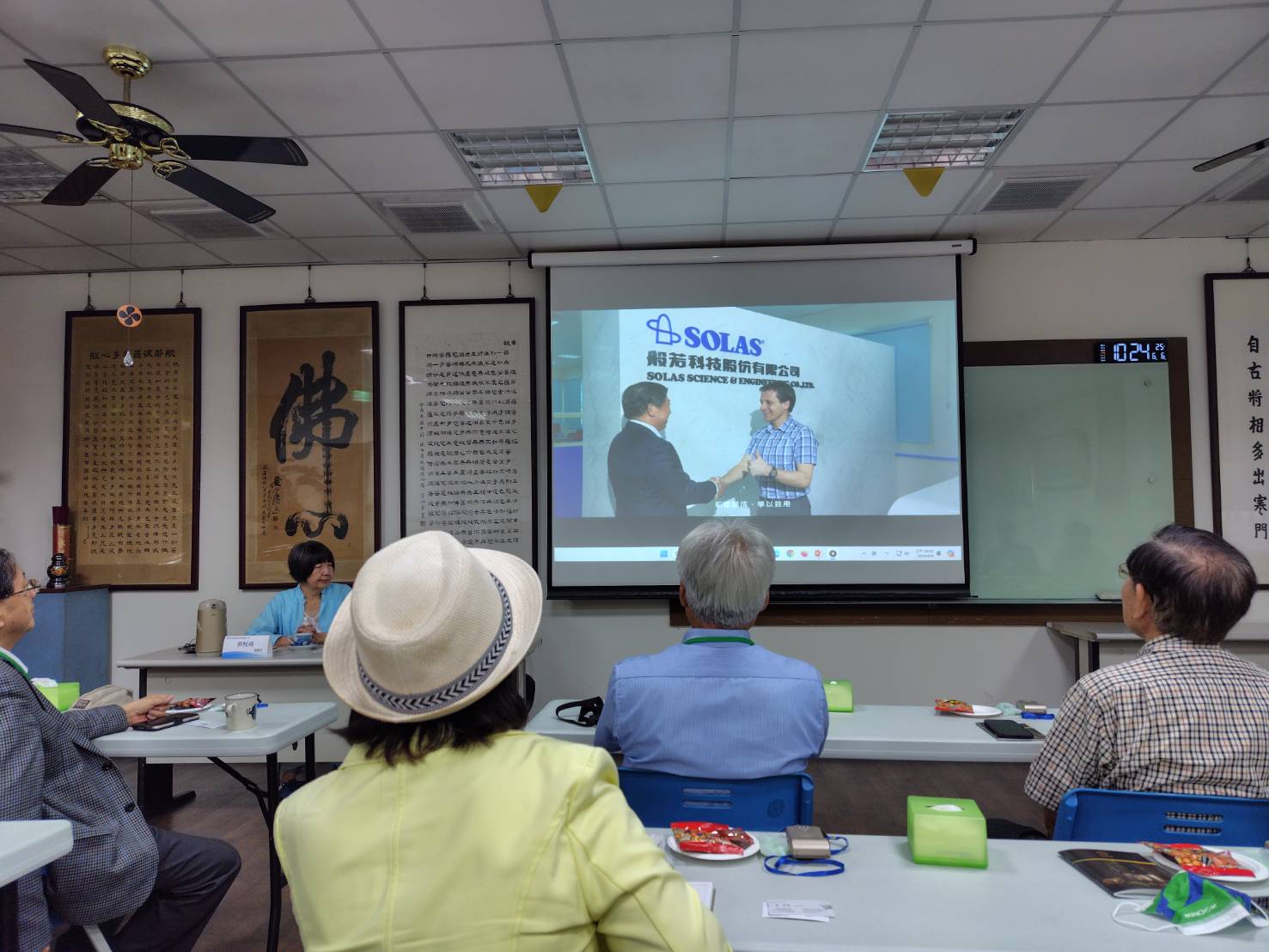
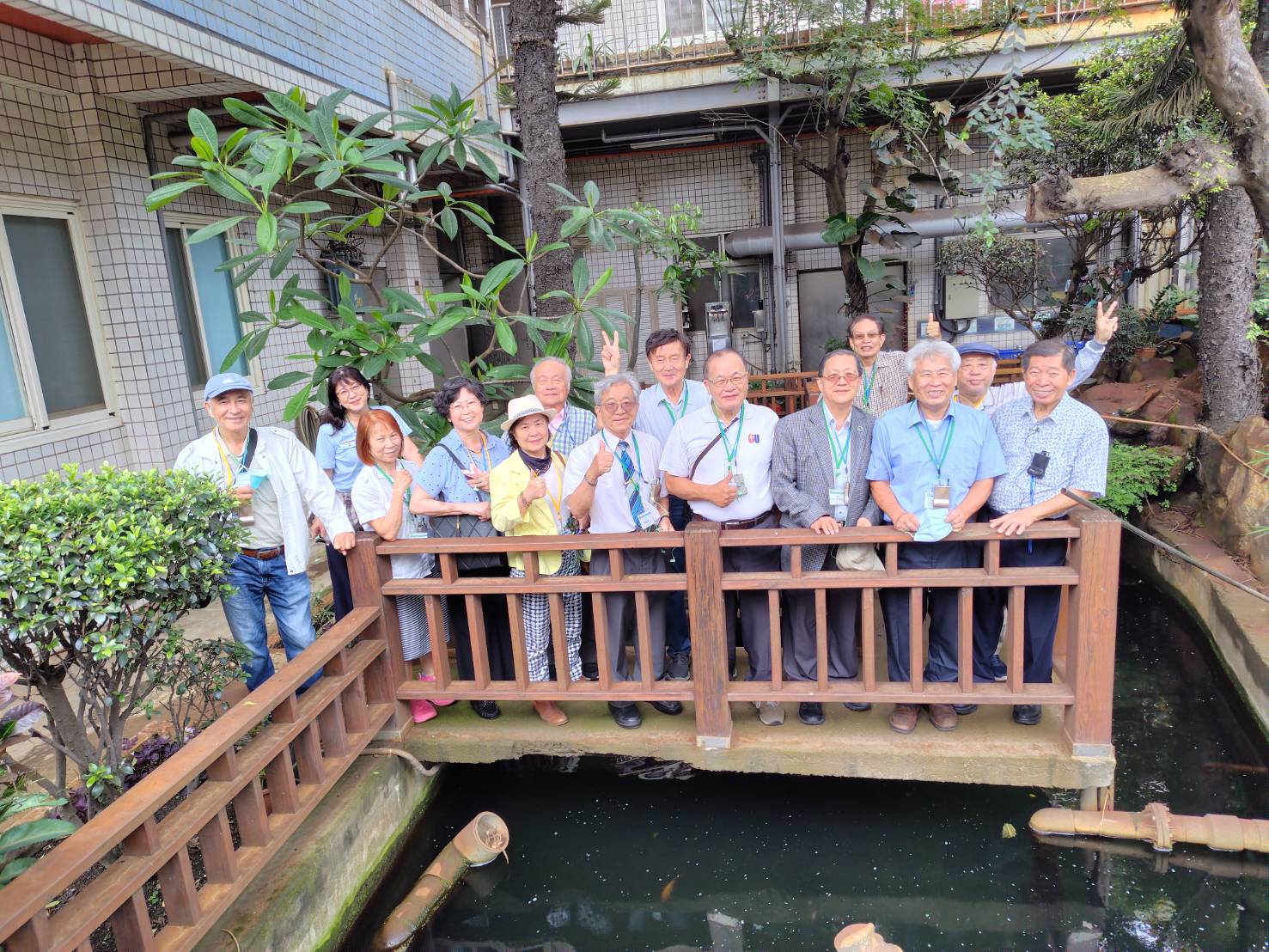
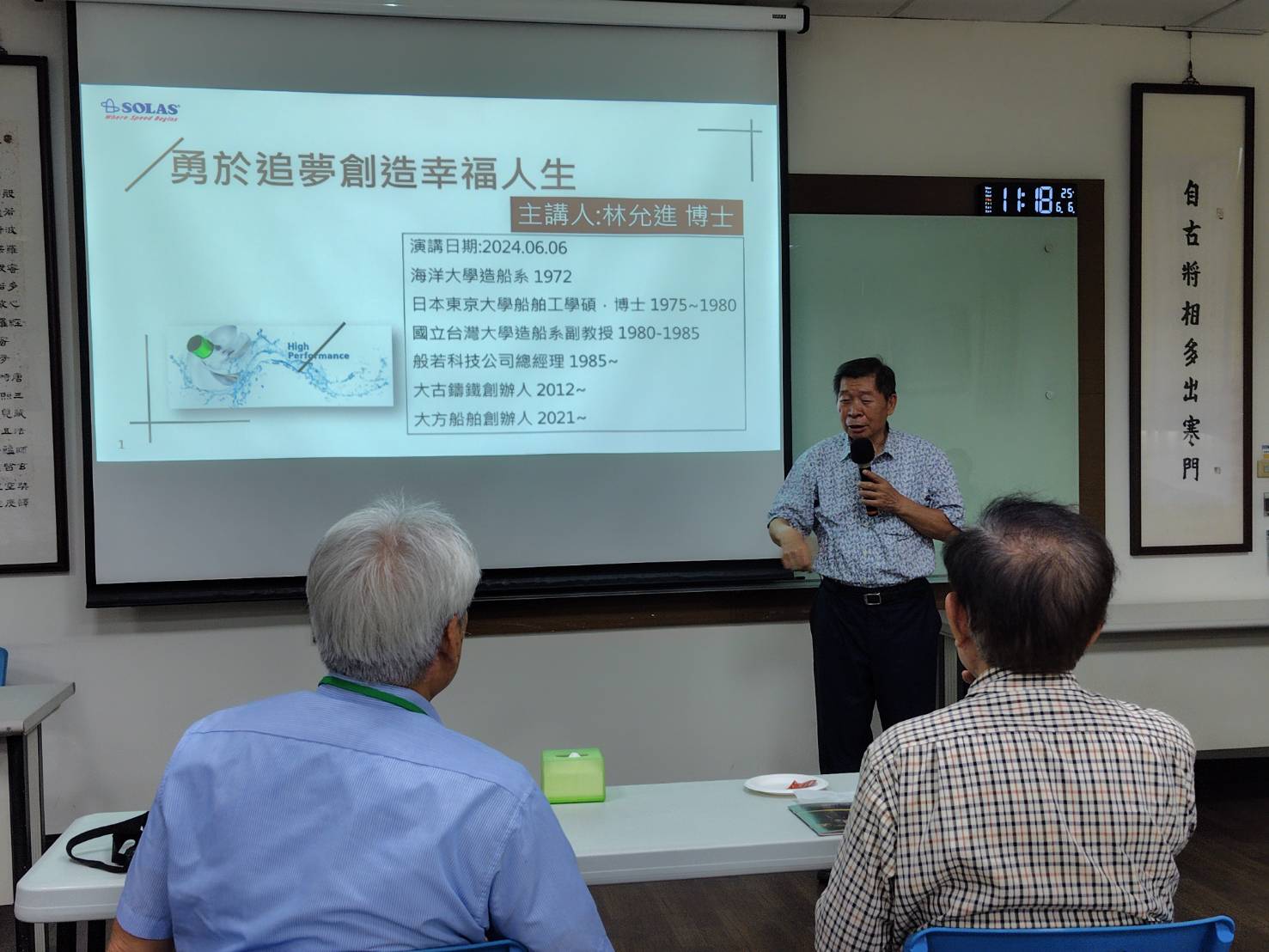
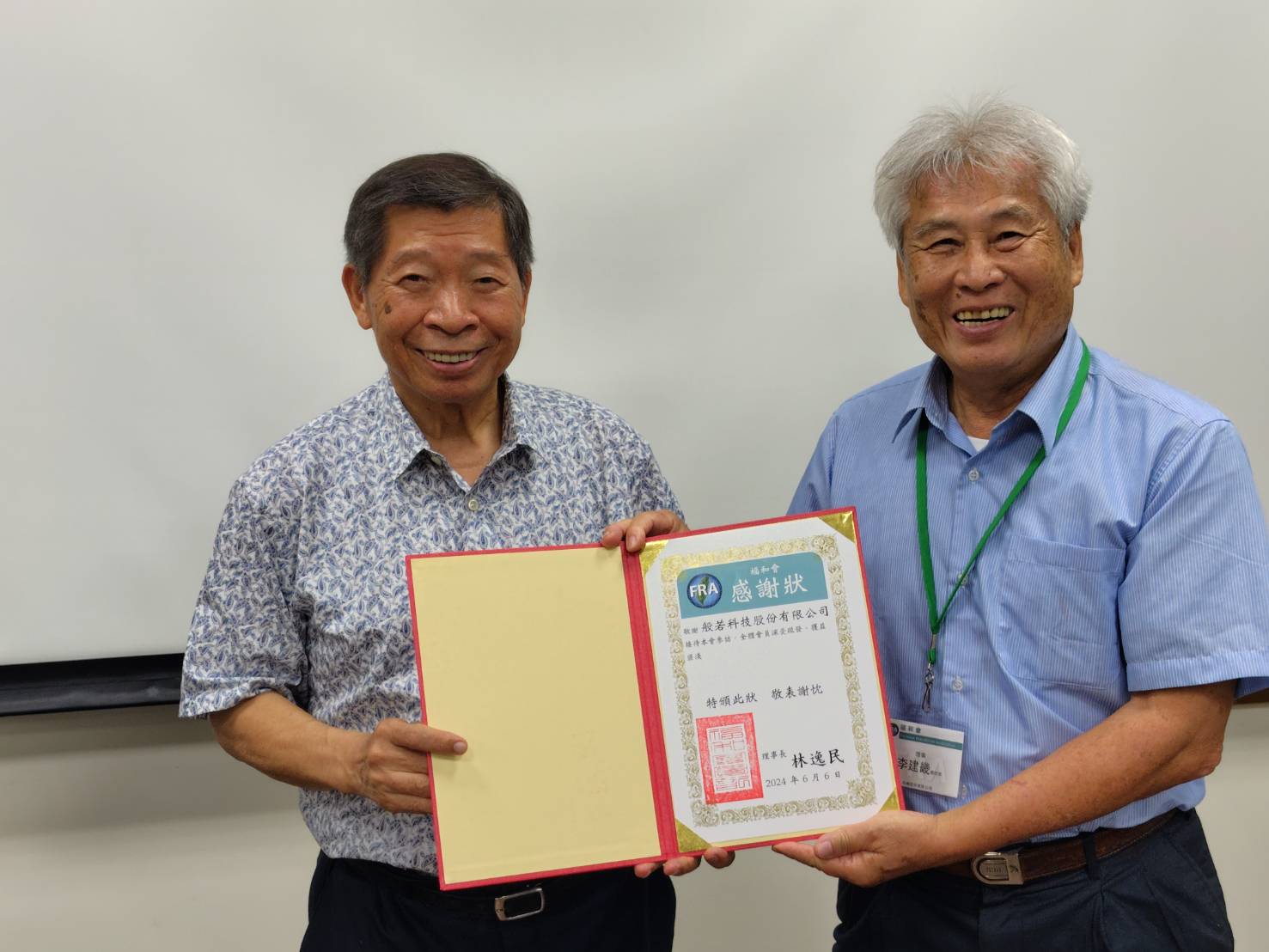
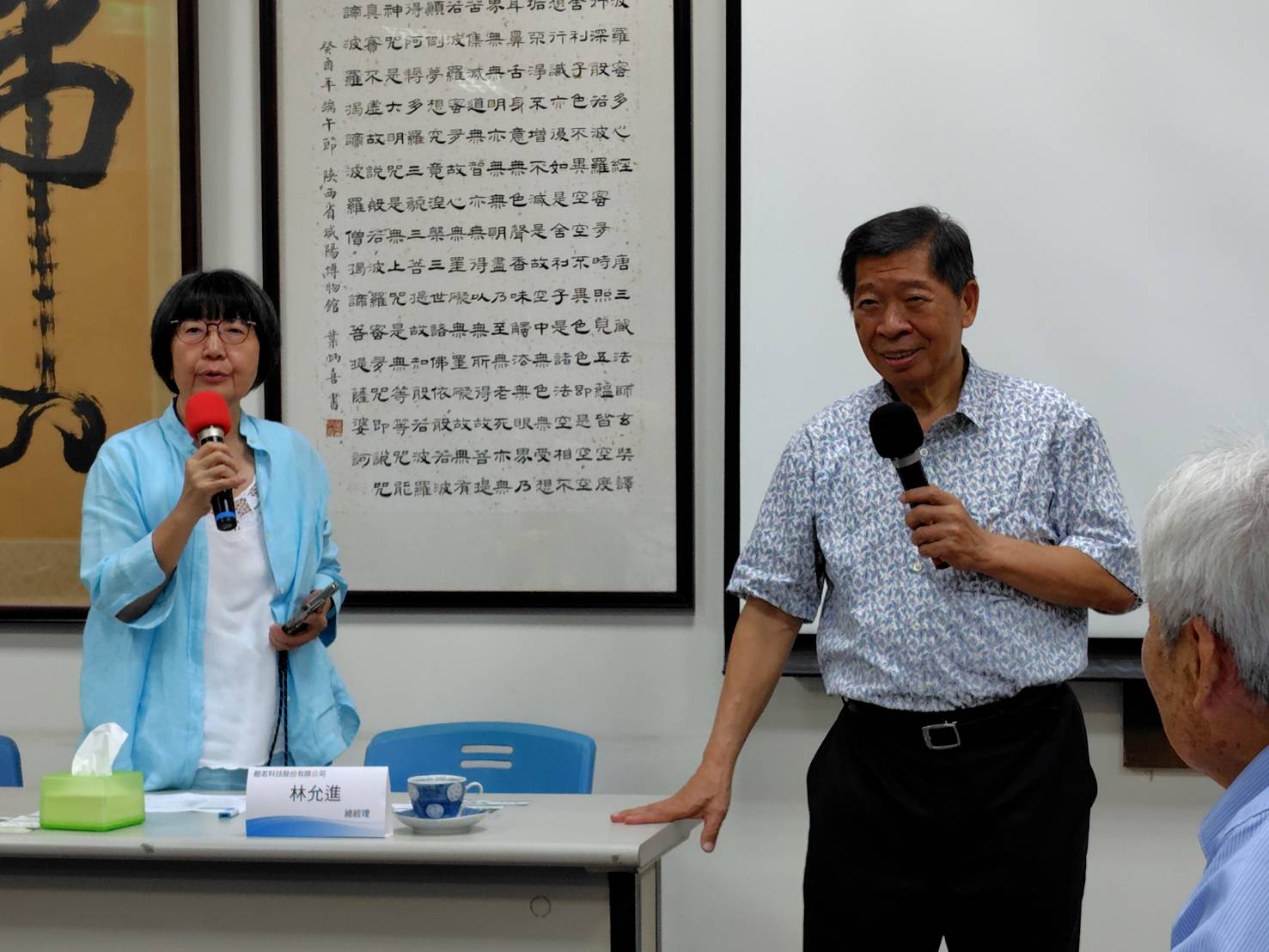
FRA visited one of Taichung’s “hidden champions,” SOLAS , a leader in precision casting. Dr. Lin Yun‑chin, the company’s founder, first proposed a groundbreaking redesign of cargo‑ship stern structures while studying in Japan—work that significantly improved maritime efficiency. His expertise in fluid dynamics and naval engineering eventually led him to leave academia and embark on an entrepreneurial path. The journey was far from easy. Dr. Lin faced numerous challenges, including product counterfeiting and abrupt order cancellations from major clients. Despite these setbacks, SOLAS persevered. Its technical strengths and disciplined management ultimately propelled the company to success. Today, SOLAS holds nearly a 100% global market share in jet‑ski propellers and is recognized internationally as a top‑tier brand. Committed to continuous improvement, SOLAS has introduced advanced management‑consulting systems to raise production yield and minimize scrap rates. This not only reduces costs but also enhances environmental sustainability—reflecting the company’s philosophy of precision, discipline, and excellence.

SOLAS adopts lost‑wax casting. Unlike many American manufacturers—whose propeller hubs and blades were traditionally cast separately and then welded together—SOLAS produces its propellers as a single integrated piece, giving the company a distinct competitive advantage. Lost‑wax casting requires applying multiple layers of ceramic slurry and sand to form the mold. SOLAS has significantly increased automation in this process: only the very first stage—removing the wax release agent and applying the initial slurry coat—is done manually. All subsequent layers are applied by robotic arms, which greatly improves efficiency and ensures consistent, high‑quality results.

SOLAS’s management philosophy is meticulous down to the smallest details—even the office staff’s drawers are neatly organized, with stationery arranged in perfect order. Factory employees take initiative as well, using in‑house tools to build custom metal storage cabinets for better organization. Despite being a compact facility, the plant is beautifully landscaped, featuring a carefully tended miniature garden. The fire‑water reservoir has been expanded, and inside it koi swim gracefully, creating an unexpectedly charming and serene scene within an industrial setting.

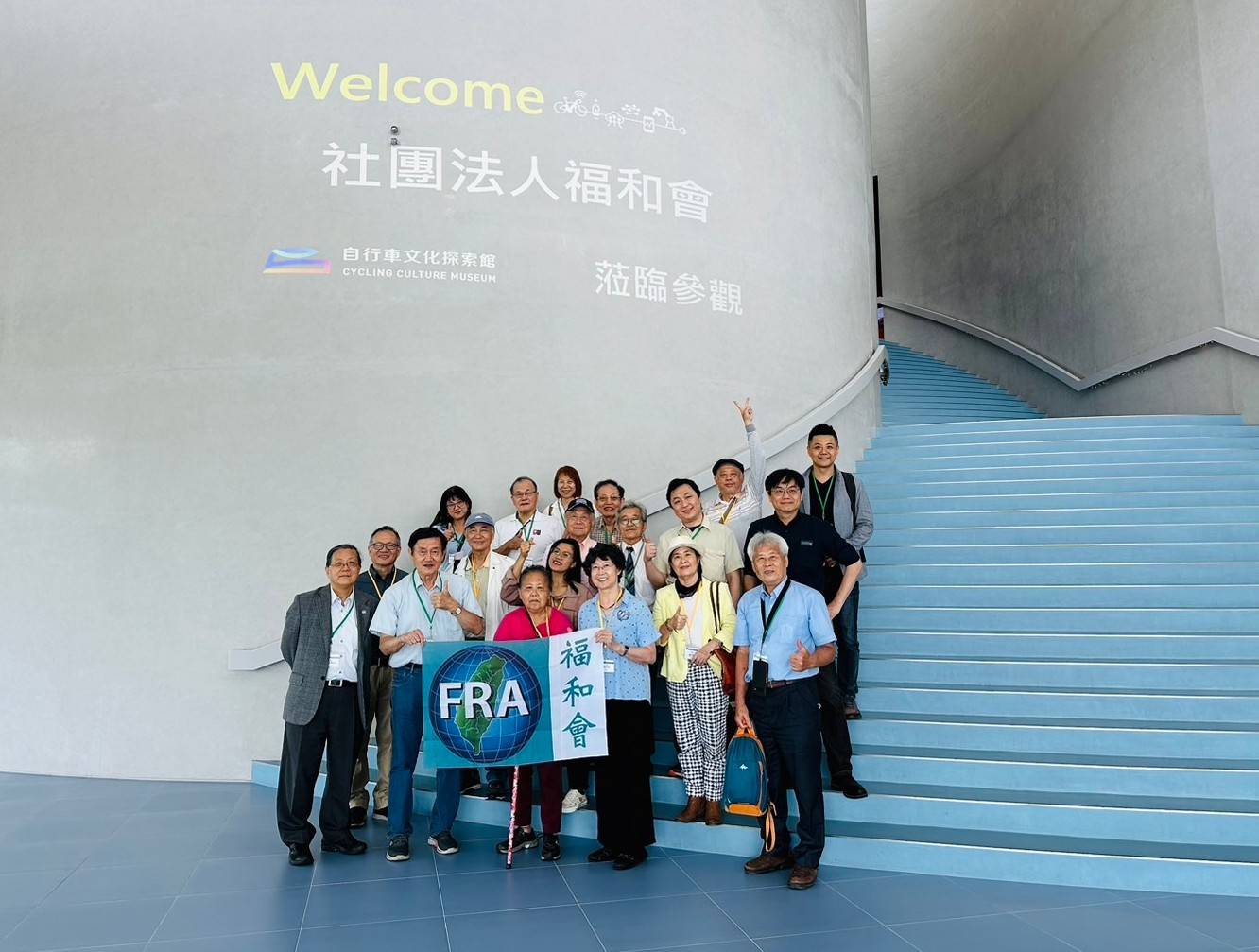
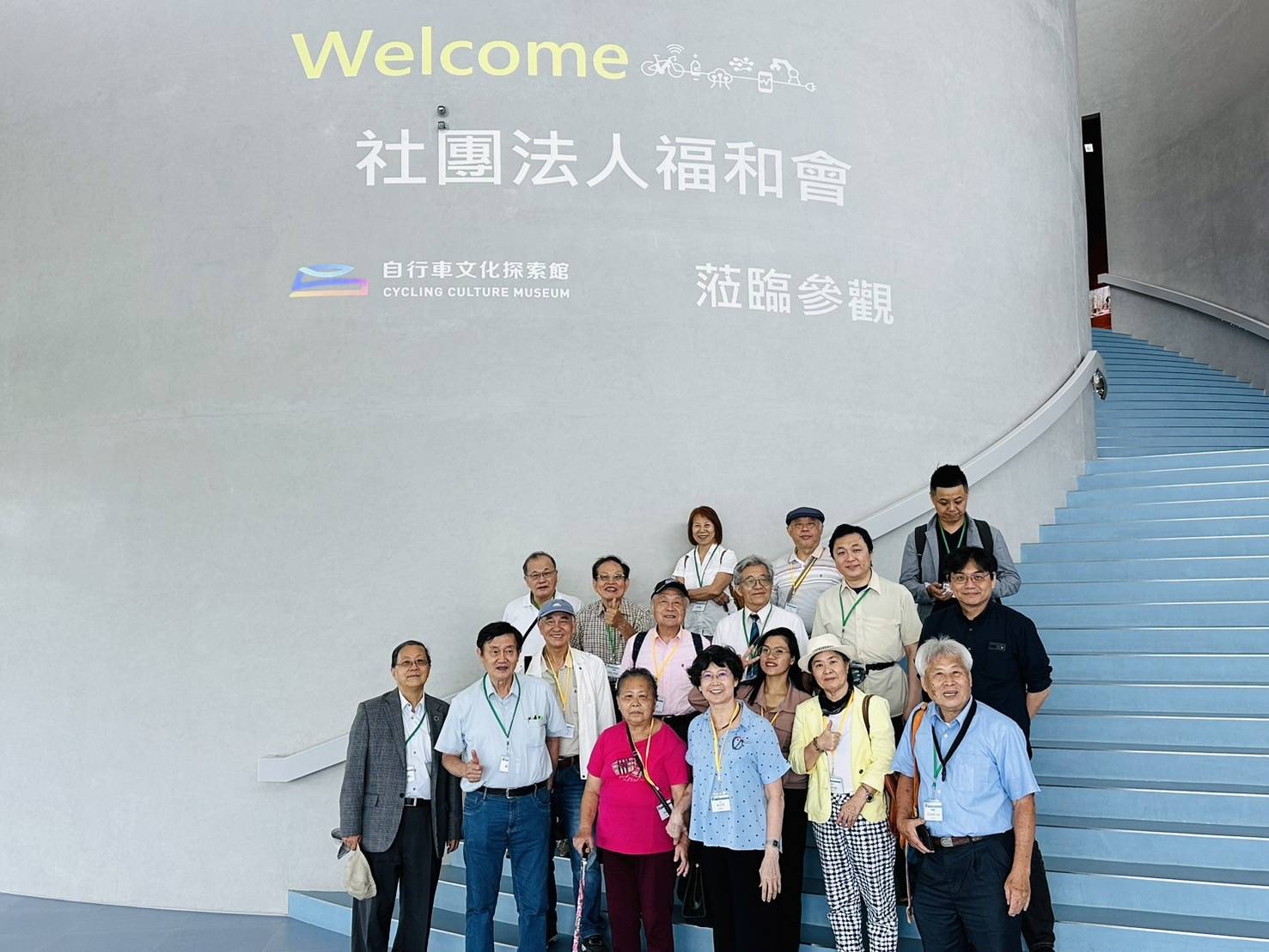
In the afternoon, FRA visited the Giant Bicycle Museum of Art and Science (the Bicycle Culture Discovery Pavilion) operated by Giant Manufacturing in Xitun District, Taichung. The building’s upward‑spiraling exterior design is striking and iconic. The guided tour introduced the history of bicycle development, Taiwan’s role in adopting and manufacturing bicycles, and the milestones in Giant’s own evolution as it launched a series of landmark products. The exhibition also explains the technical principles behind bicycle construction and features immersive virtual‑reality experience facilities for visitors.

These two international champion industries in central Taiwan continue to push themselves forward, shining brightly on the global stage. Their achievements embody Taiwan’s vitality and its spirit of perseverance—an unwavering commitment to excellence, innovation, and continuous self‑improvement.

FRA Central Taiwan Champion Industries Visit FRA Central Taiwan Champion Industries Visit FRA Central Taiwan Champion Industries Visit FRA Central Taiwan Champion Industries Visit FRA Central Taiwan Champion Industries Visit FRA Central Taiwan Champion Industries Visit FRA Central Taiwan Champion Industries Visit FRA Central Taiwan Champion Industries Visit FRA Central Taiwan Champion Industries Visit FRA Central Taiwan Champion Industries Visit FRA Central Taiwan Champion Industries Visit

FRA Forum on the 45th Anniversary of the U.S.–Taiwan Relations Act──Toward a New Milestone in U.S.–Taiwan Relations

2024.4.13

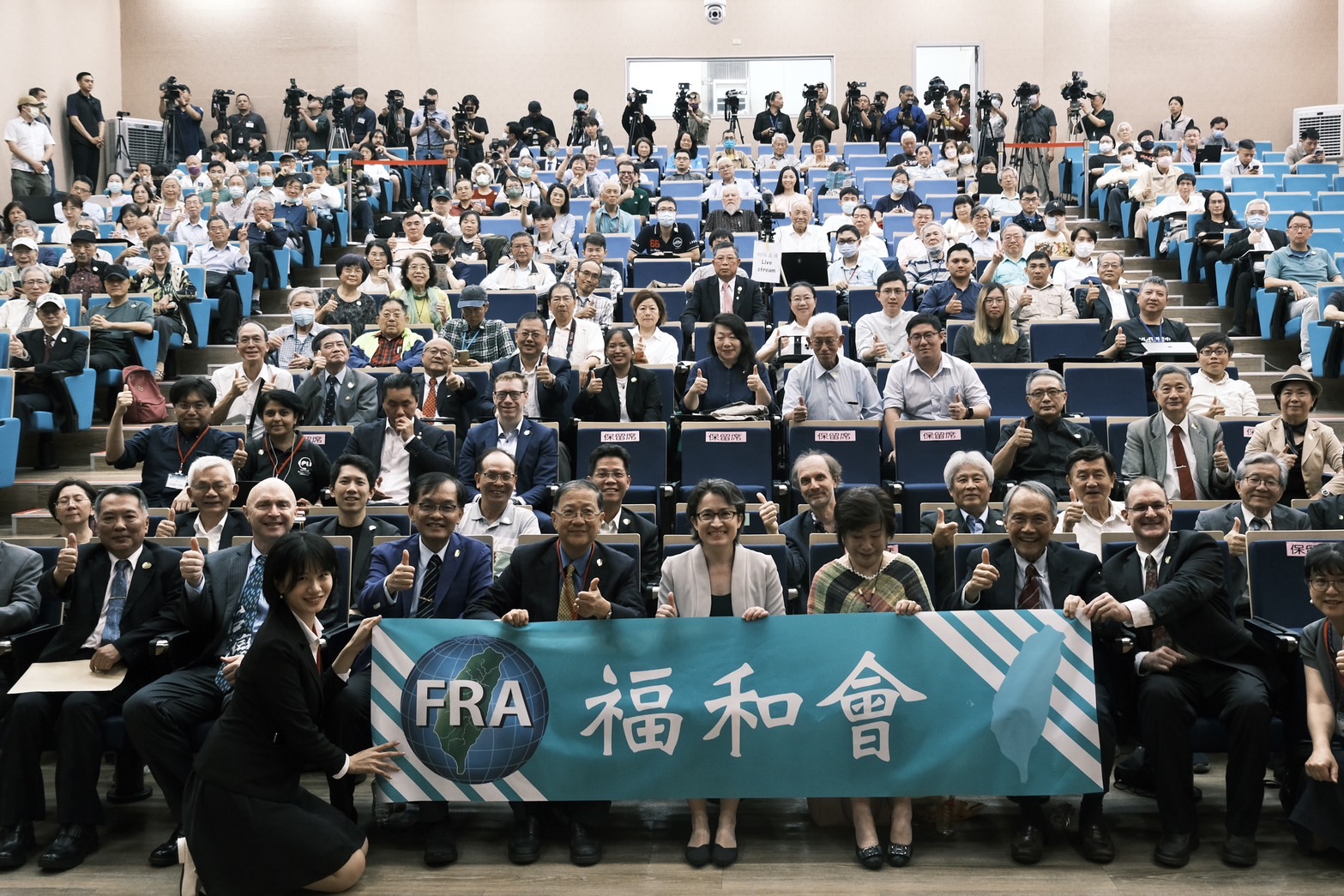
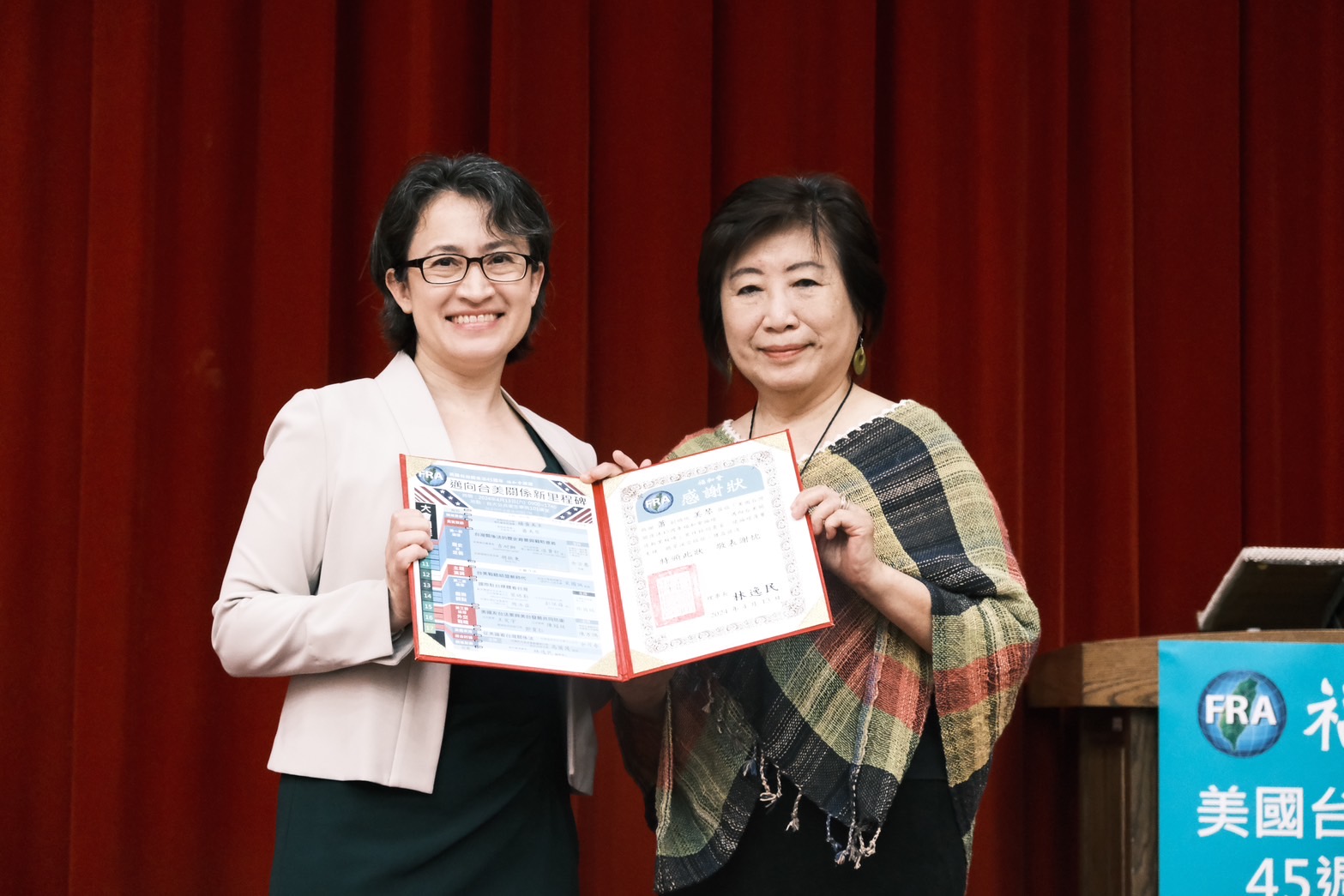
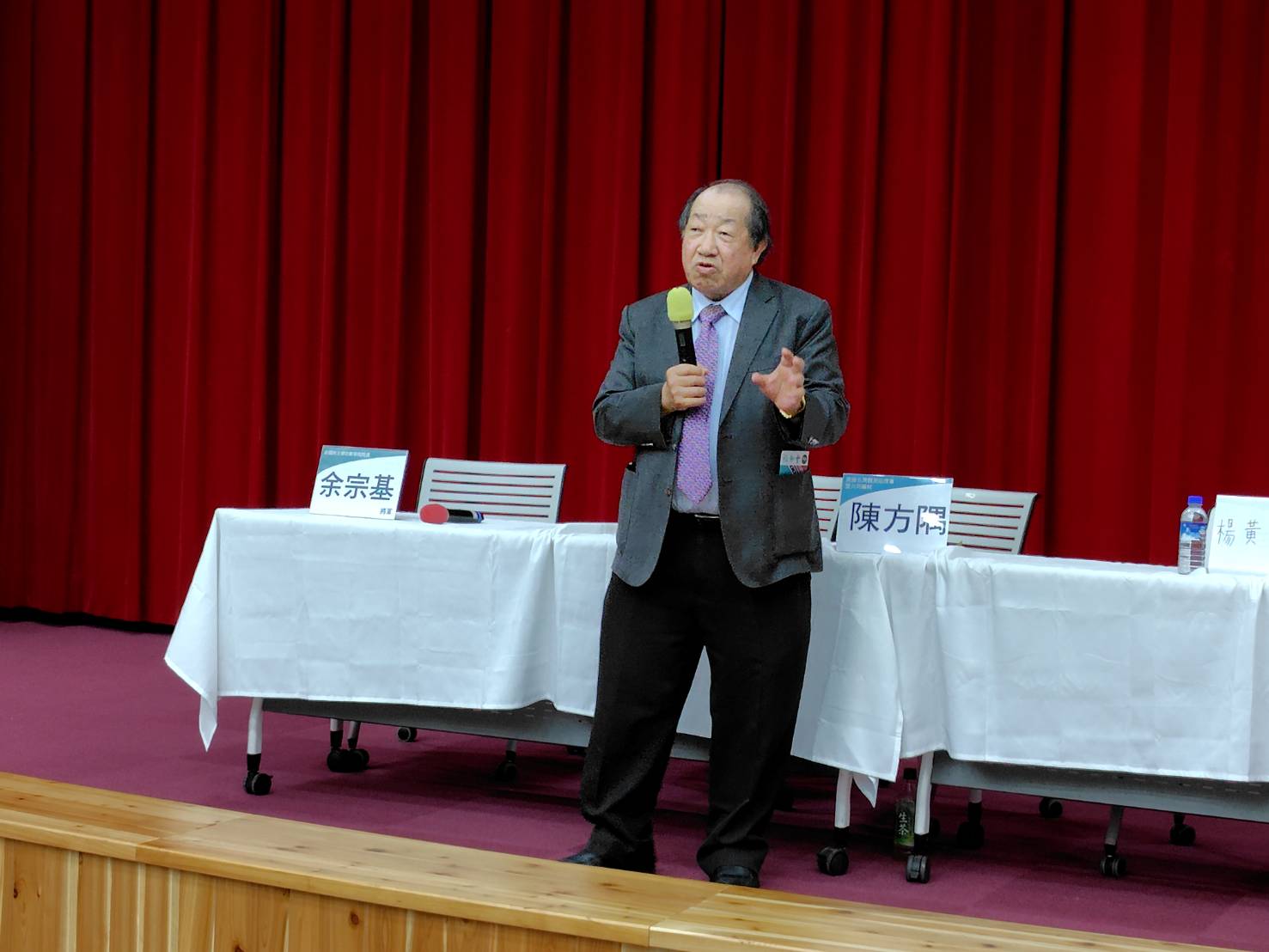
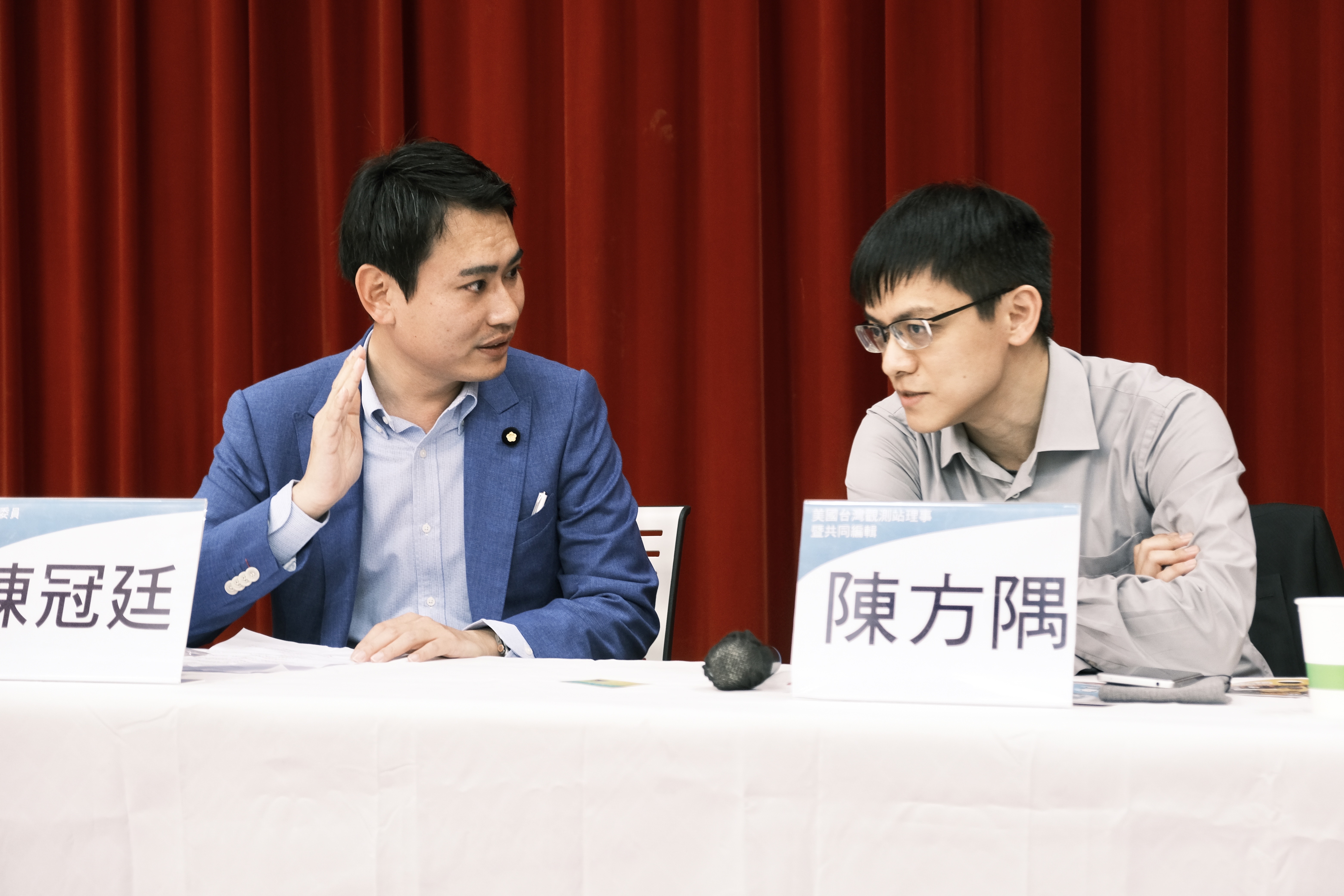
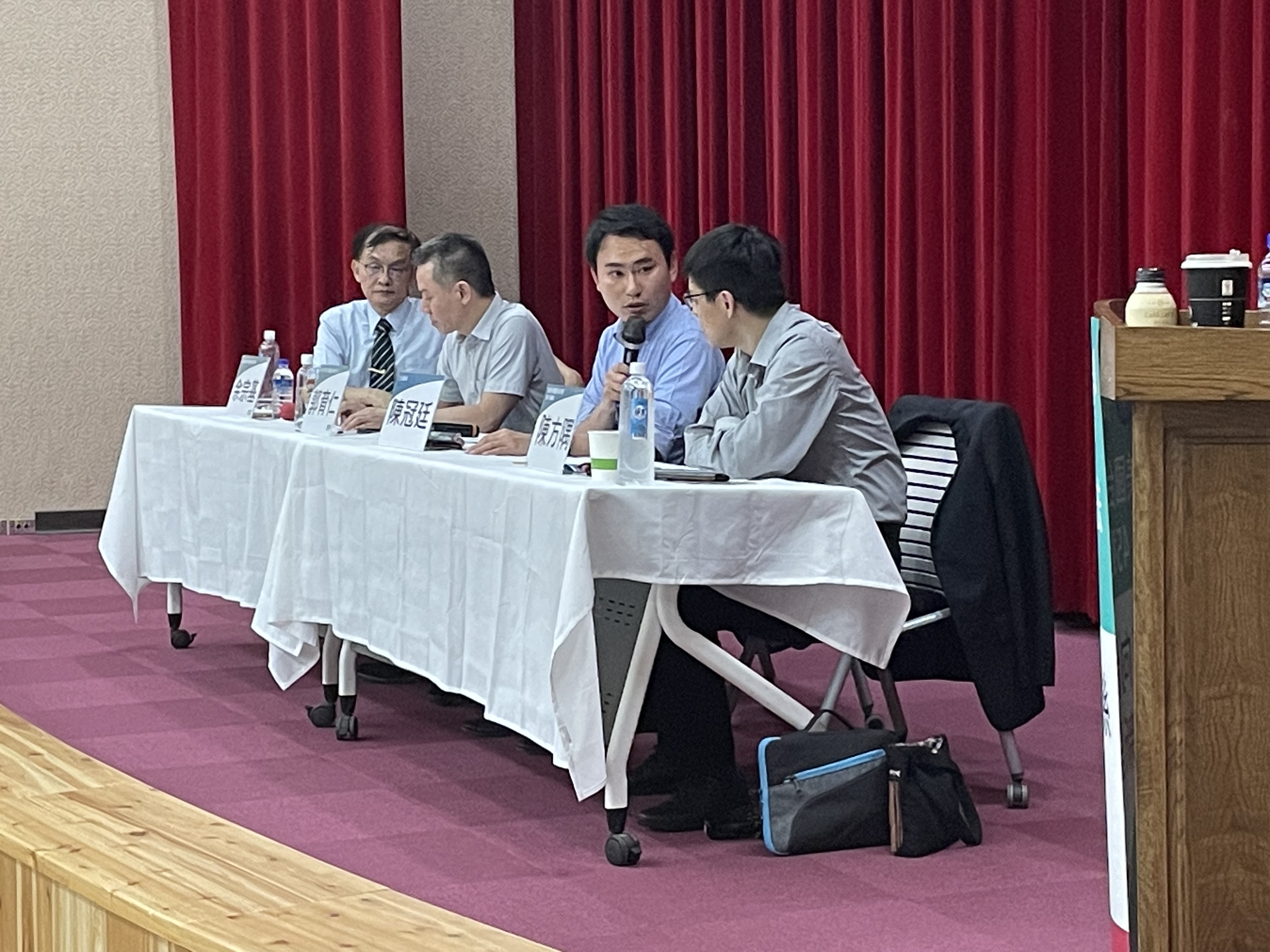
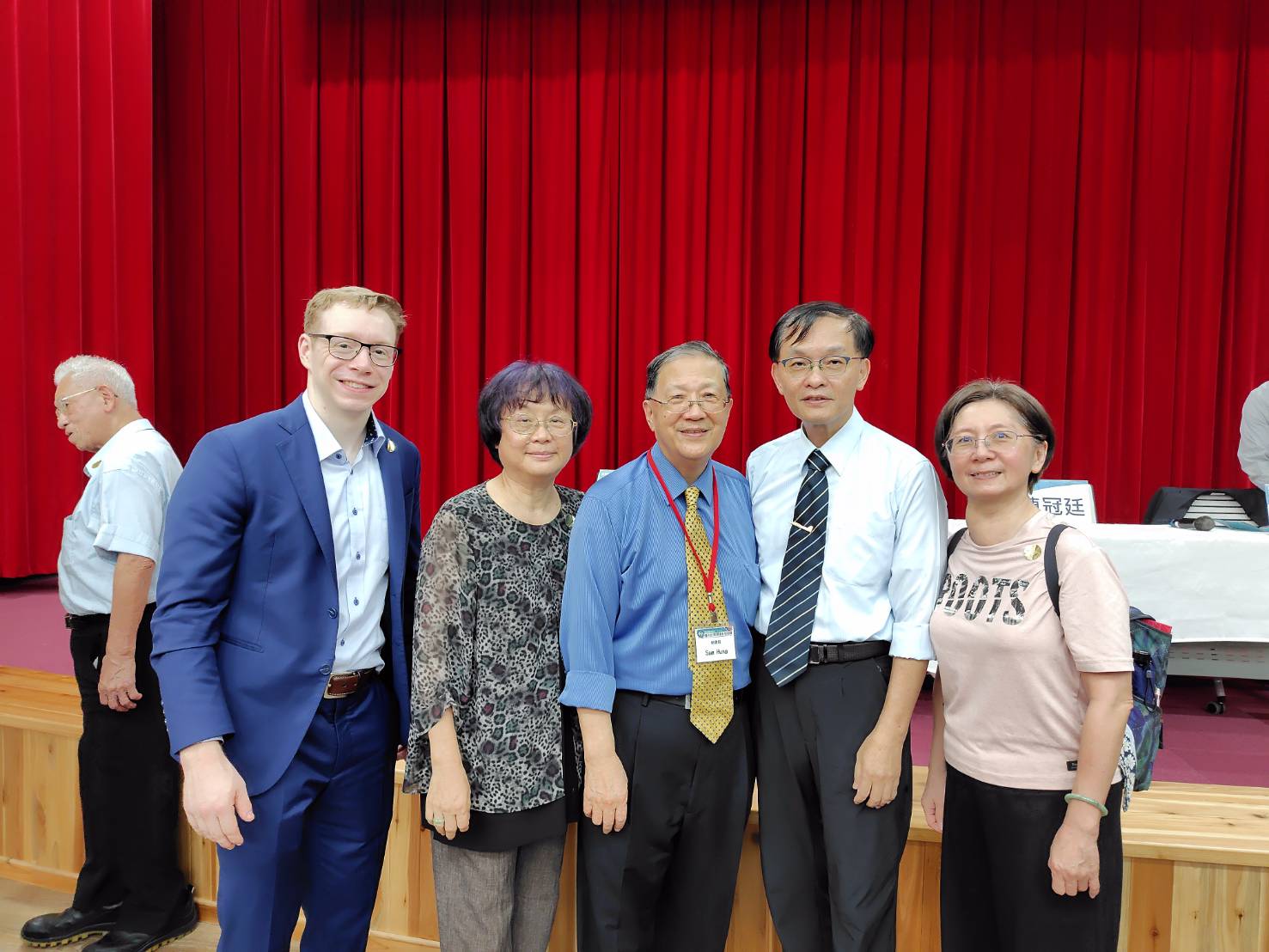
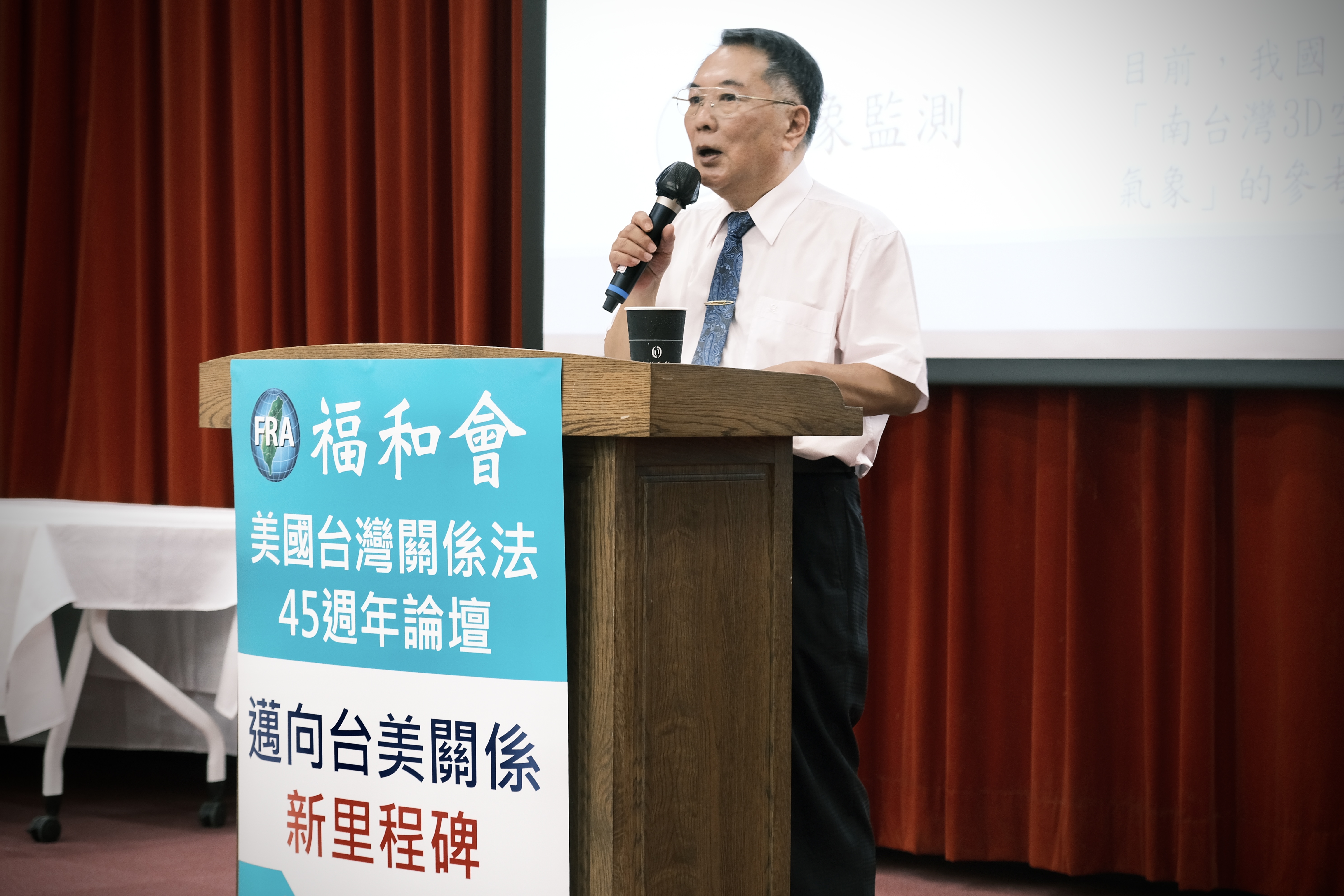
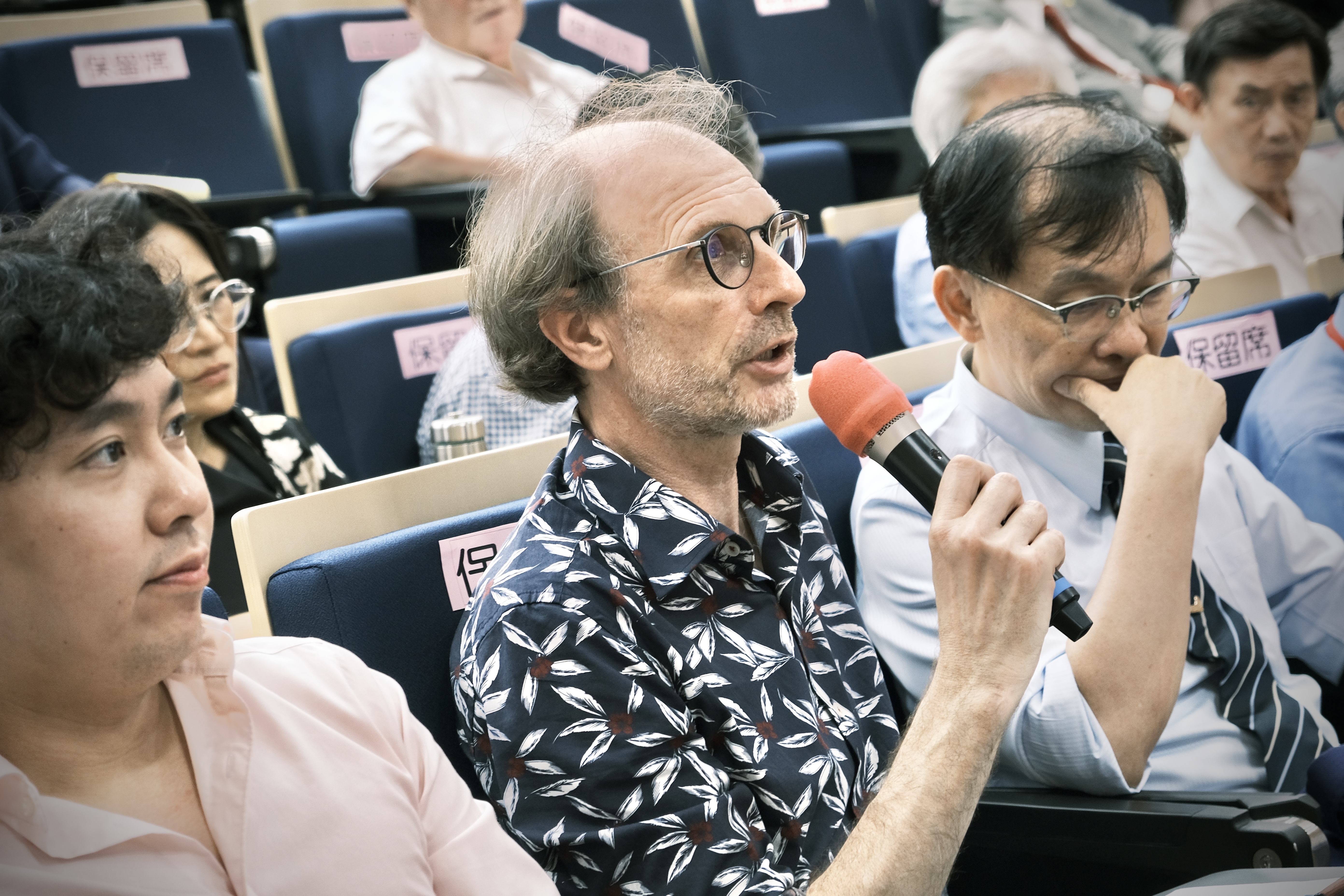
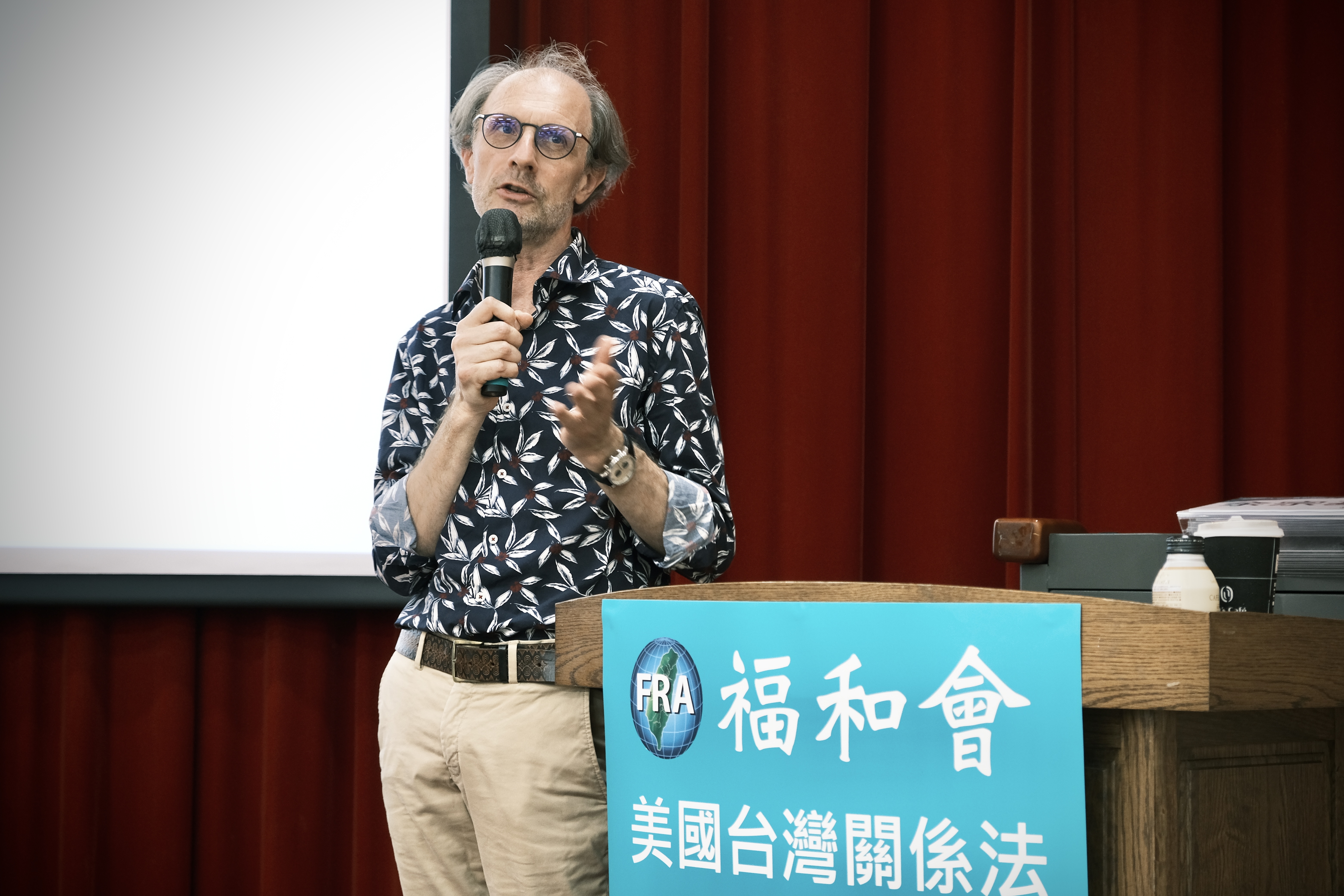
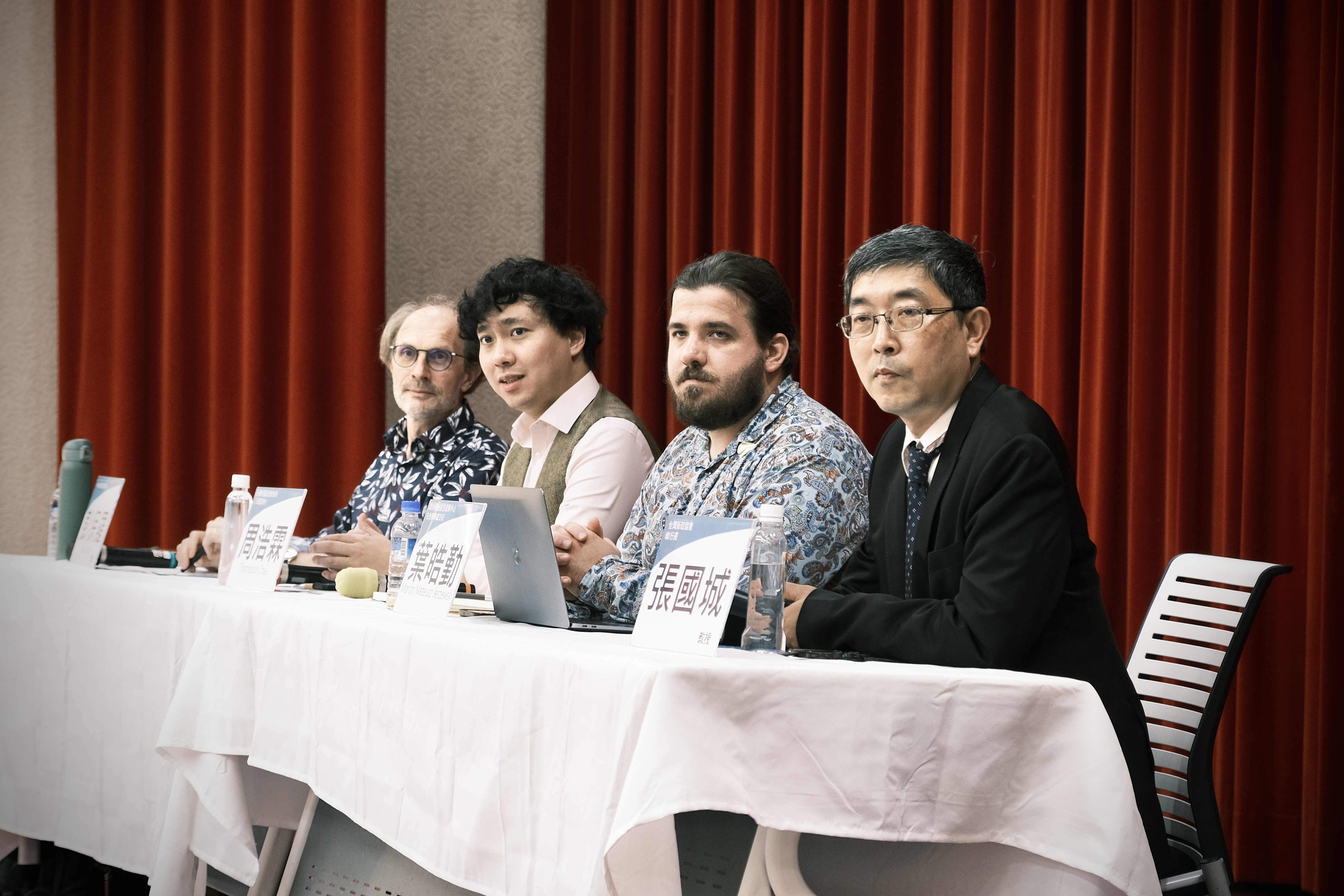
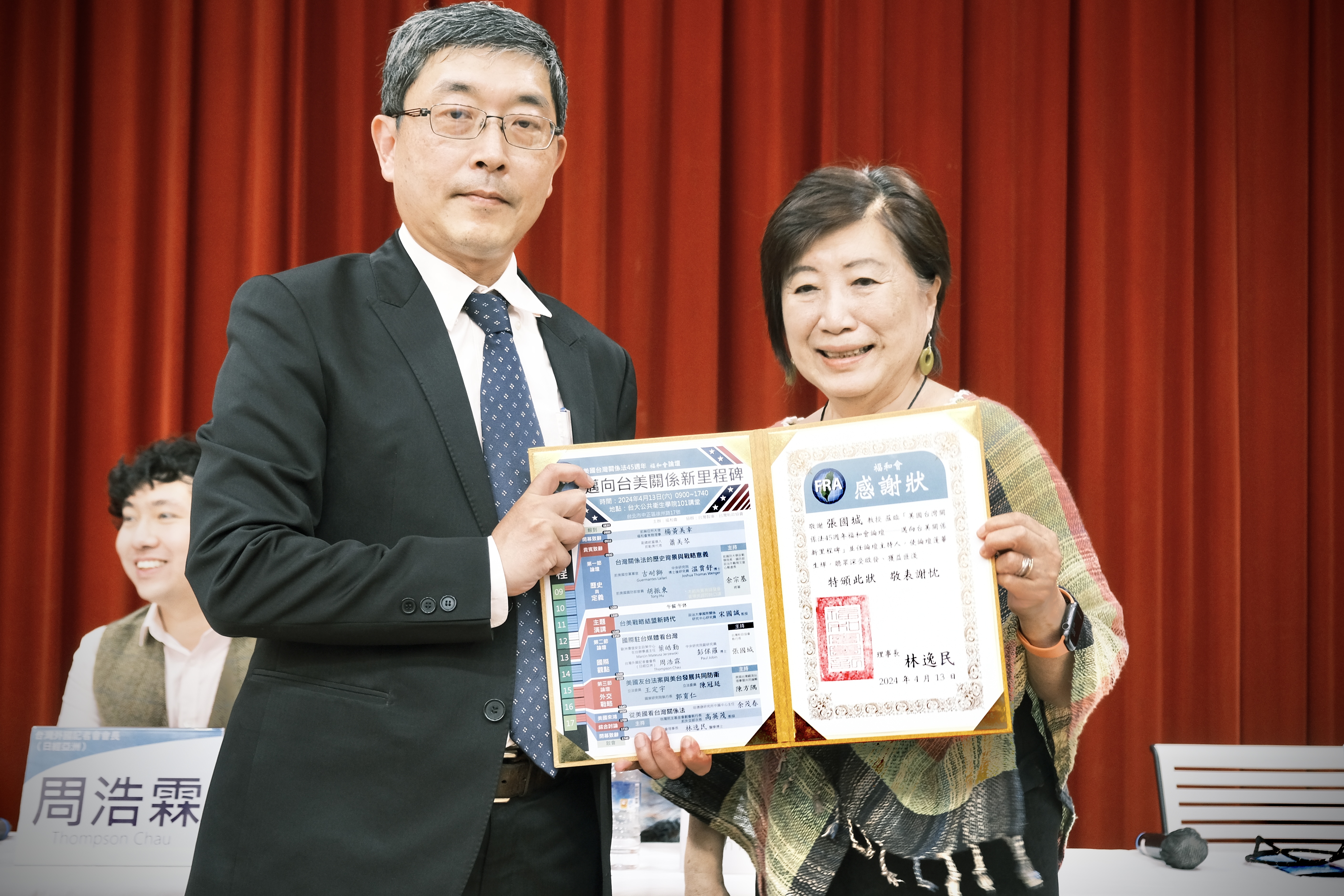
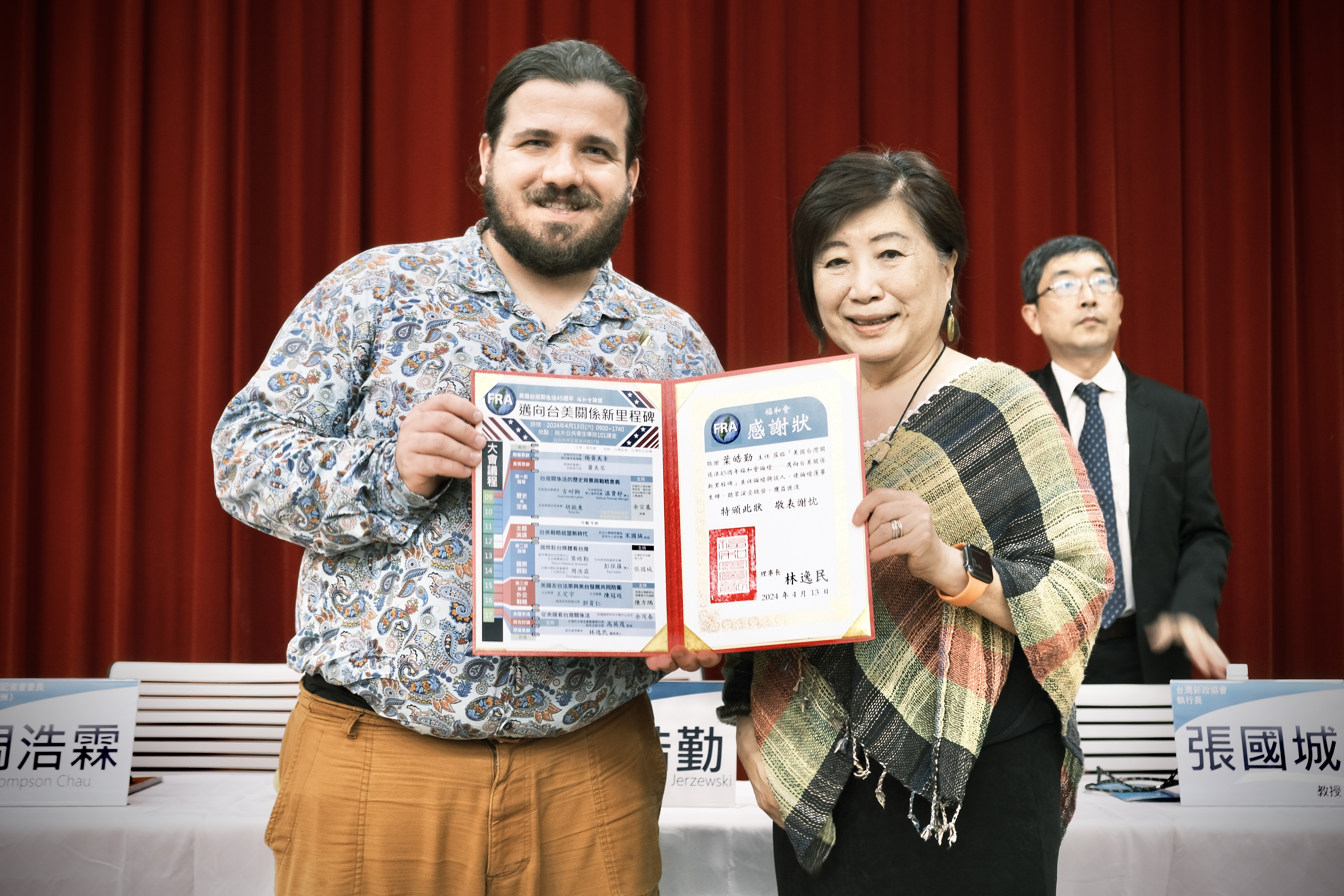
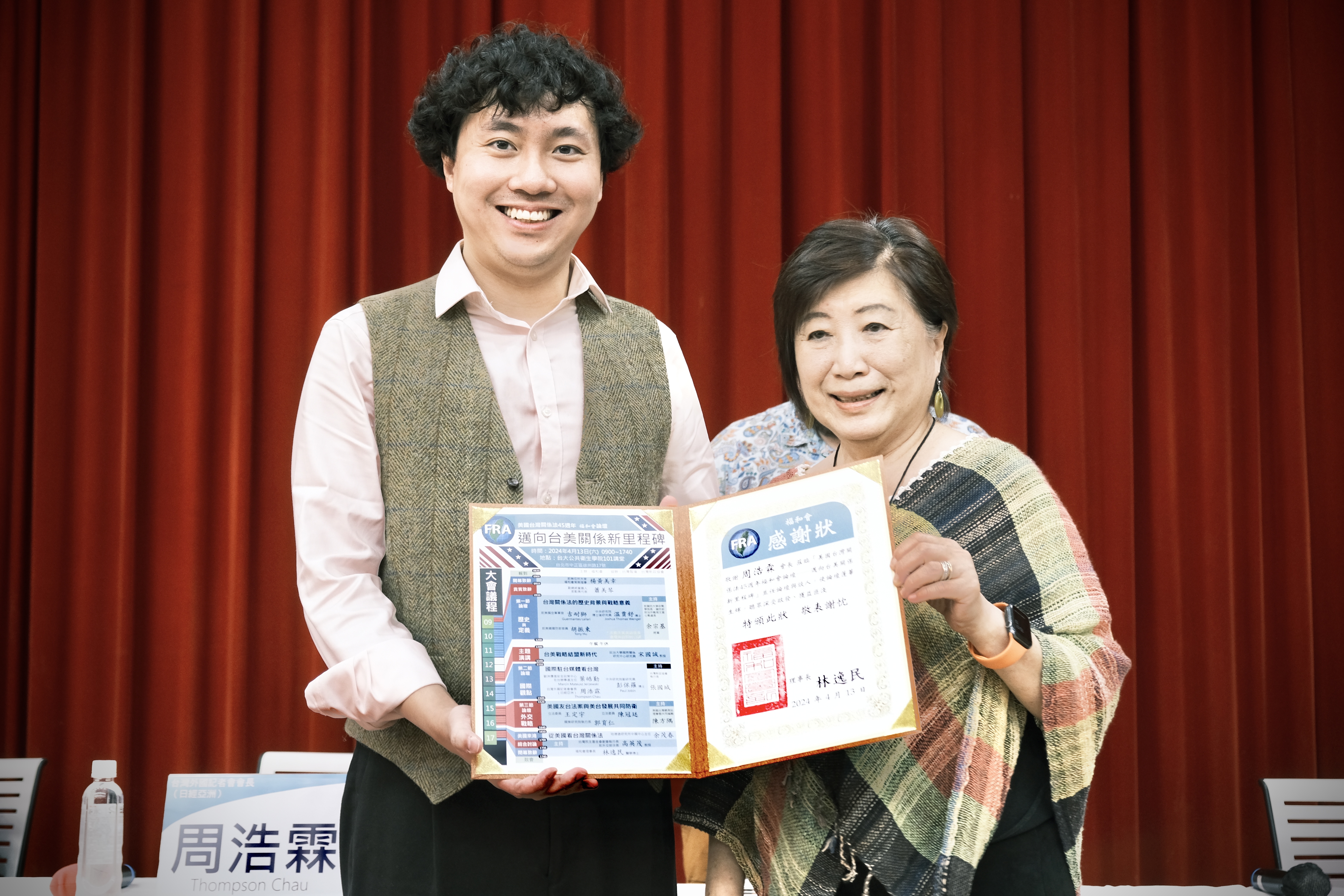
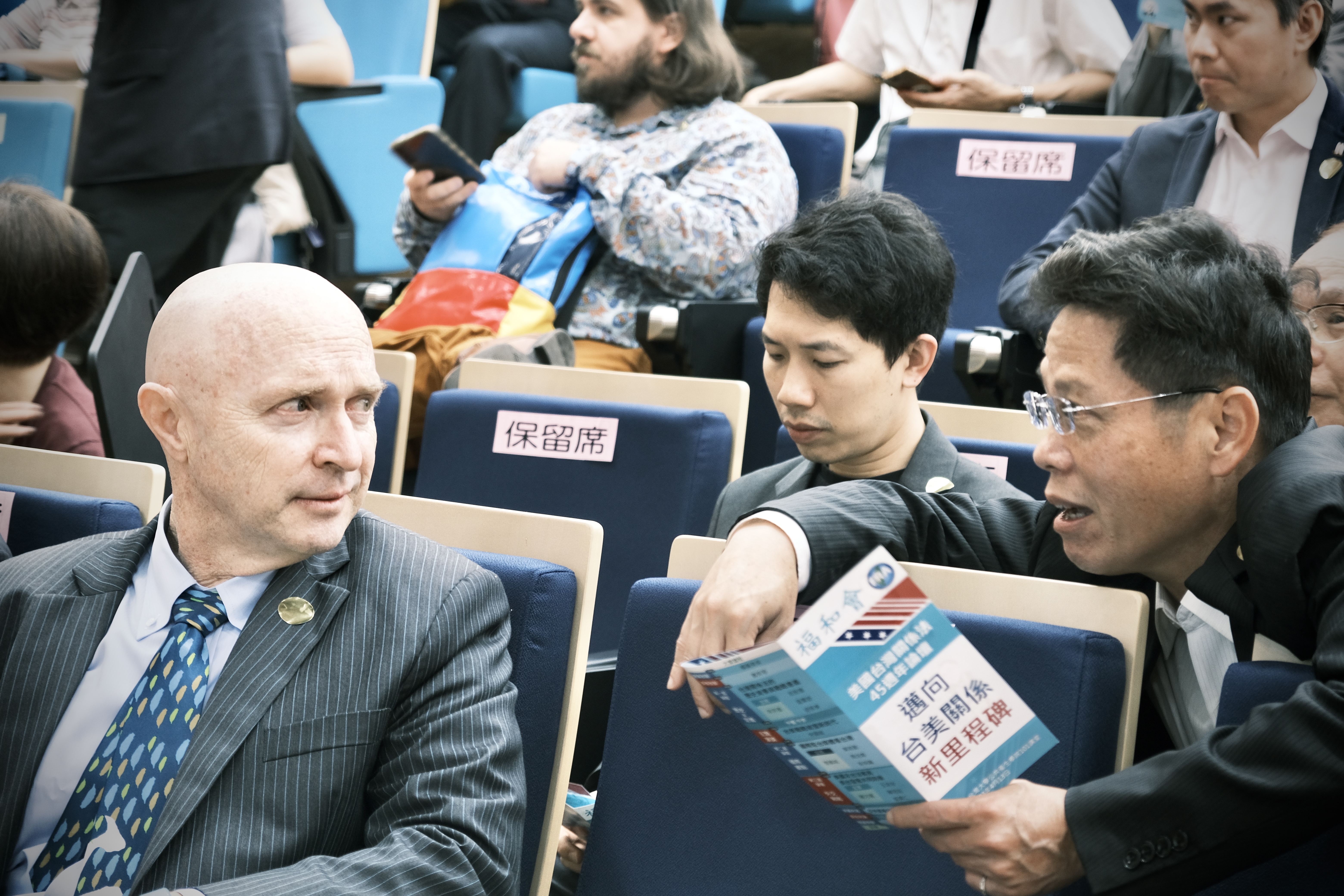
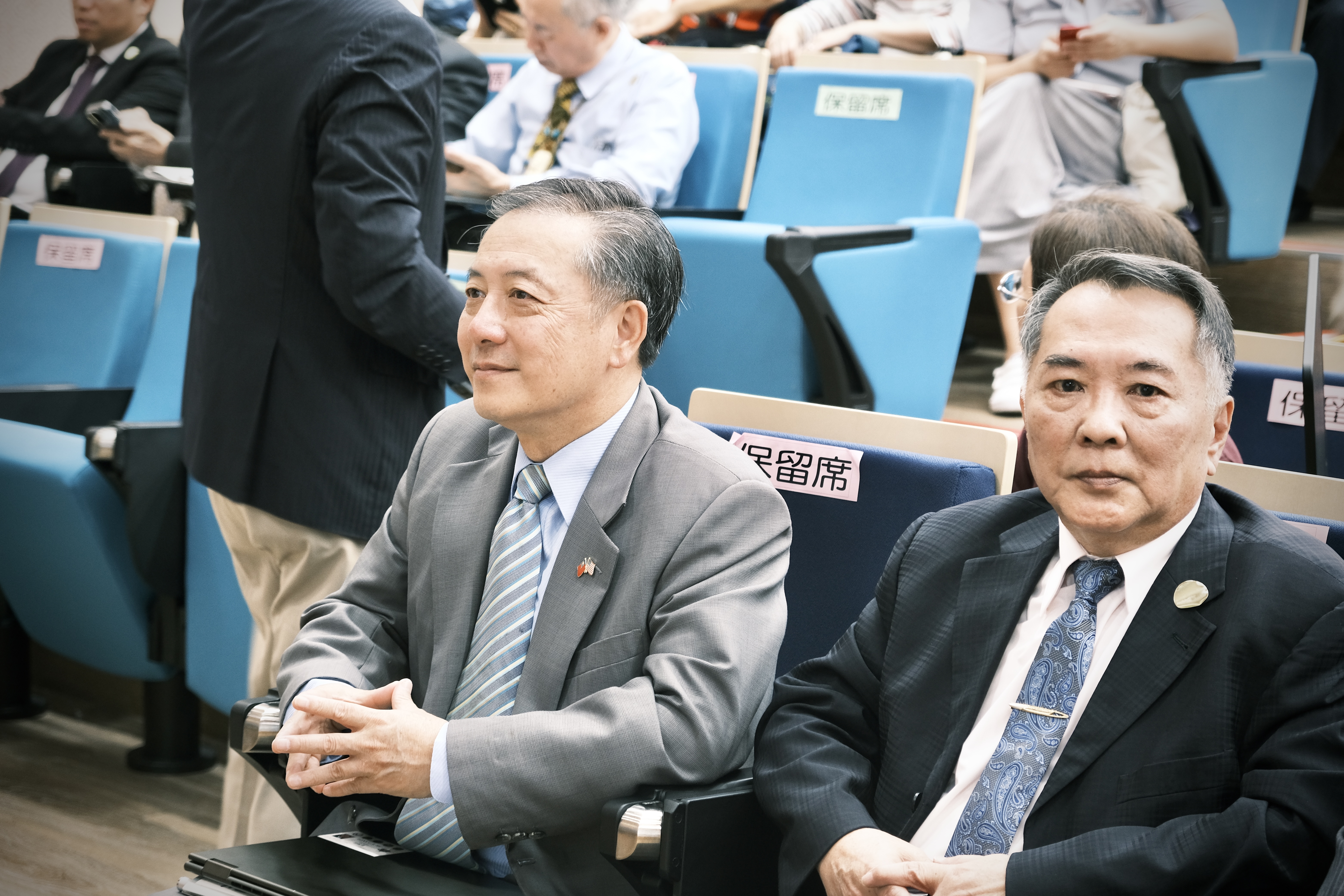
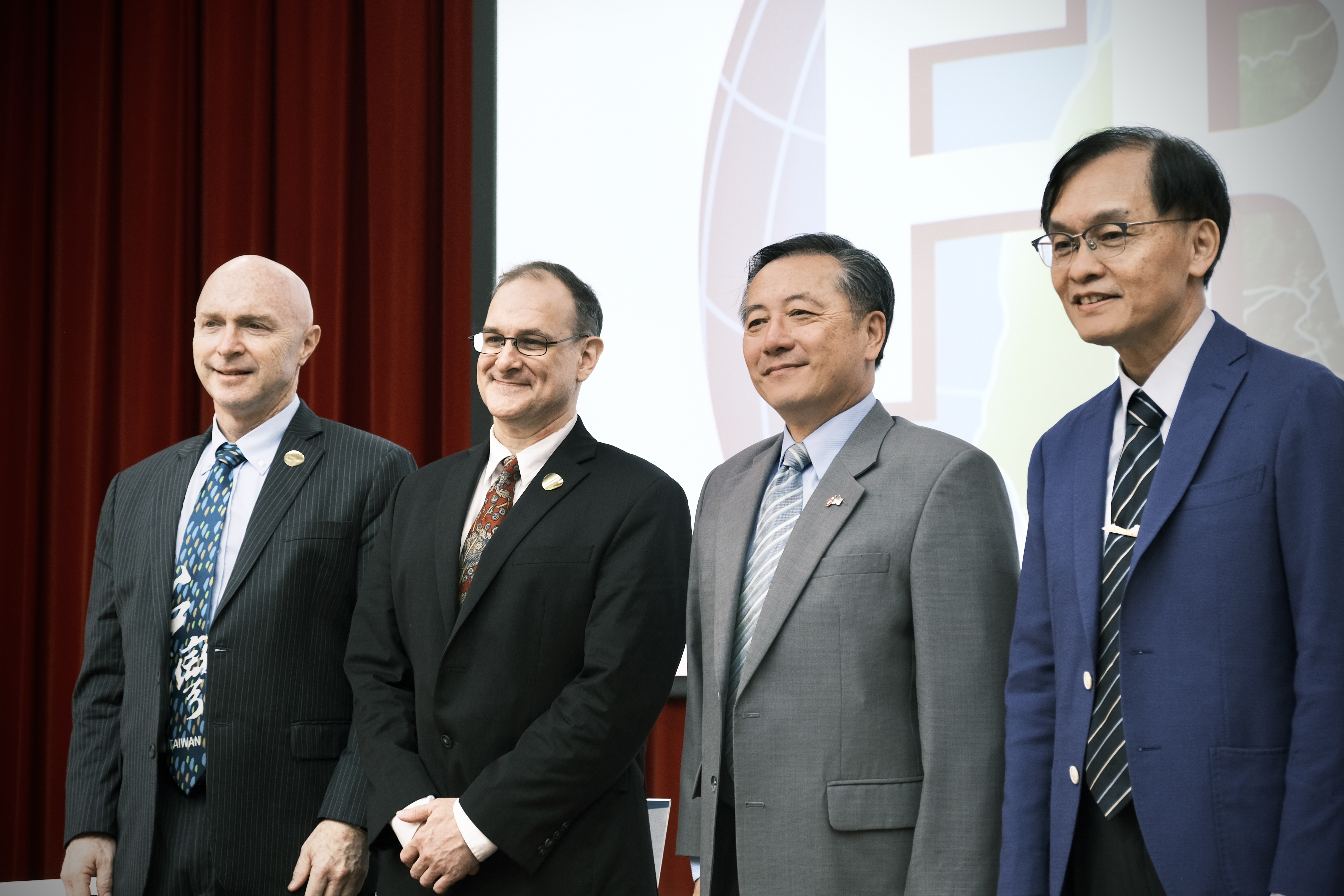
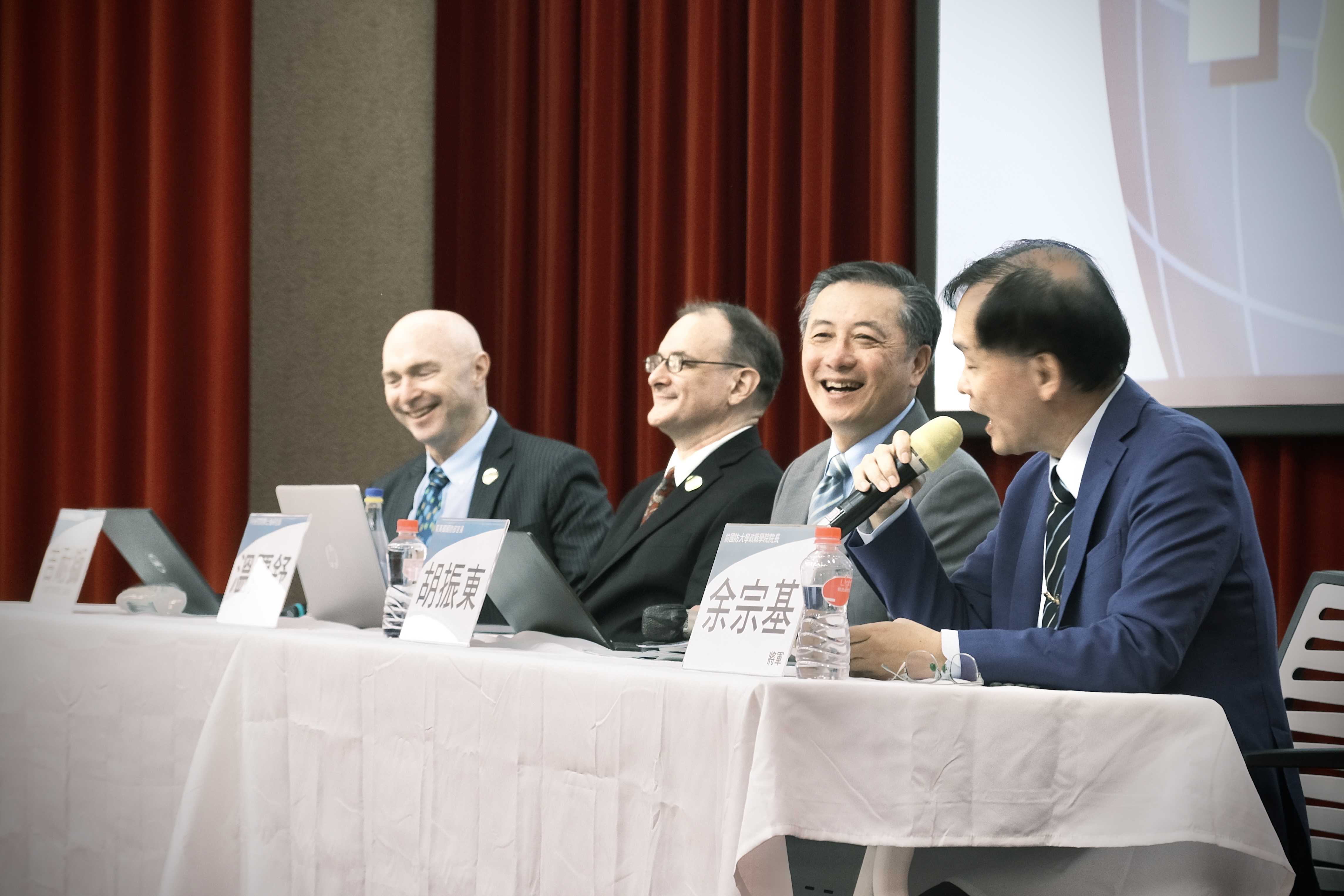
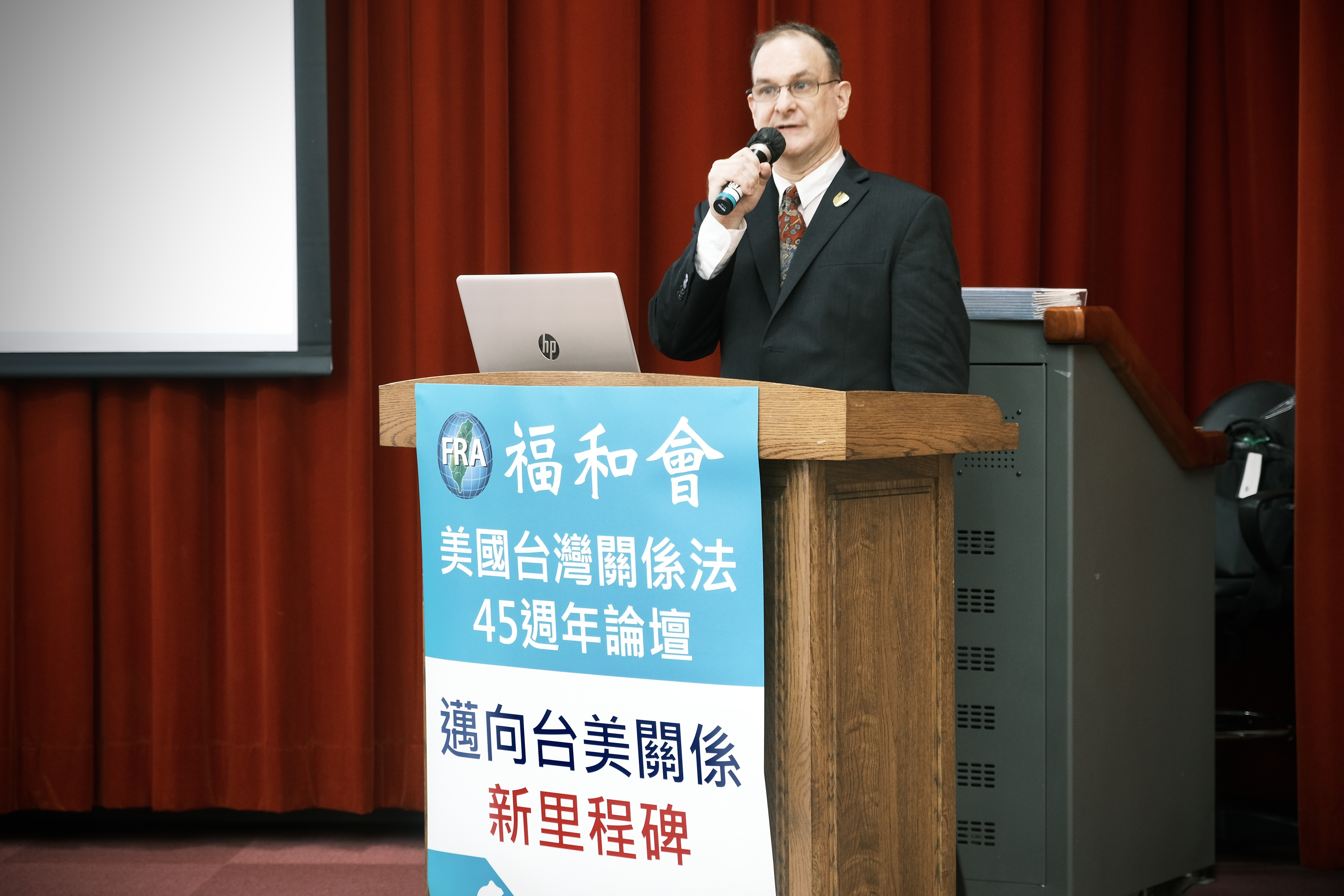
On the 45th anniversary of the Taiwan Relations Act (TRA)—the foundation of U.S.–Taiwan relations—FRA held the forum “FRA Forum on the 45th Anniversary of the Taiwan Relations Act: Toward a New Milestone in U.S.–Taiwan Relations” on the 13th at Lecture Hall 101 of NTU’s College of Public Health. In her opening remarks, former ambassador‑at‑large and FRA Excutive Director Maysing Yang noted that when the U.S. Congress enacted the Taiwan Relations Act in 1979, and President Jimmy Carter signed it into law, the TRA not only ensured Taiwan’s security but also served as a driving force in Taiwan’s democratic transition. She emphasized that the Act has long been a cornerstone of U.S.–Taiwan cooperation. The Taiwan Relations Act represents the deepening of the partnership between the United States and Taiwan, and it supports Taiwan, South Korea, and other democratic nations in strengthening close cooperation and exchanges.

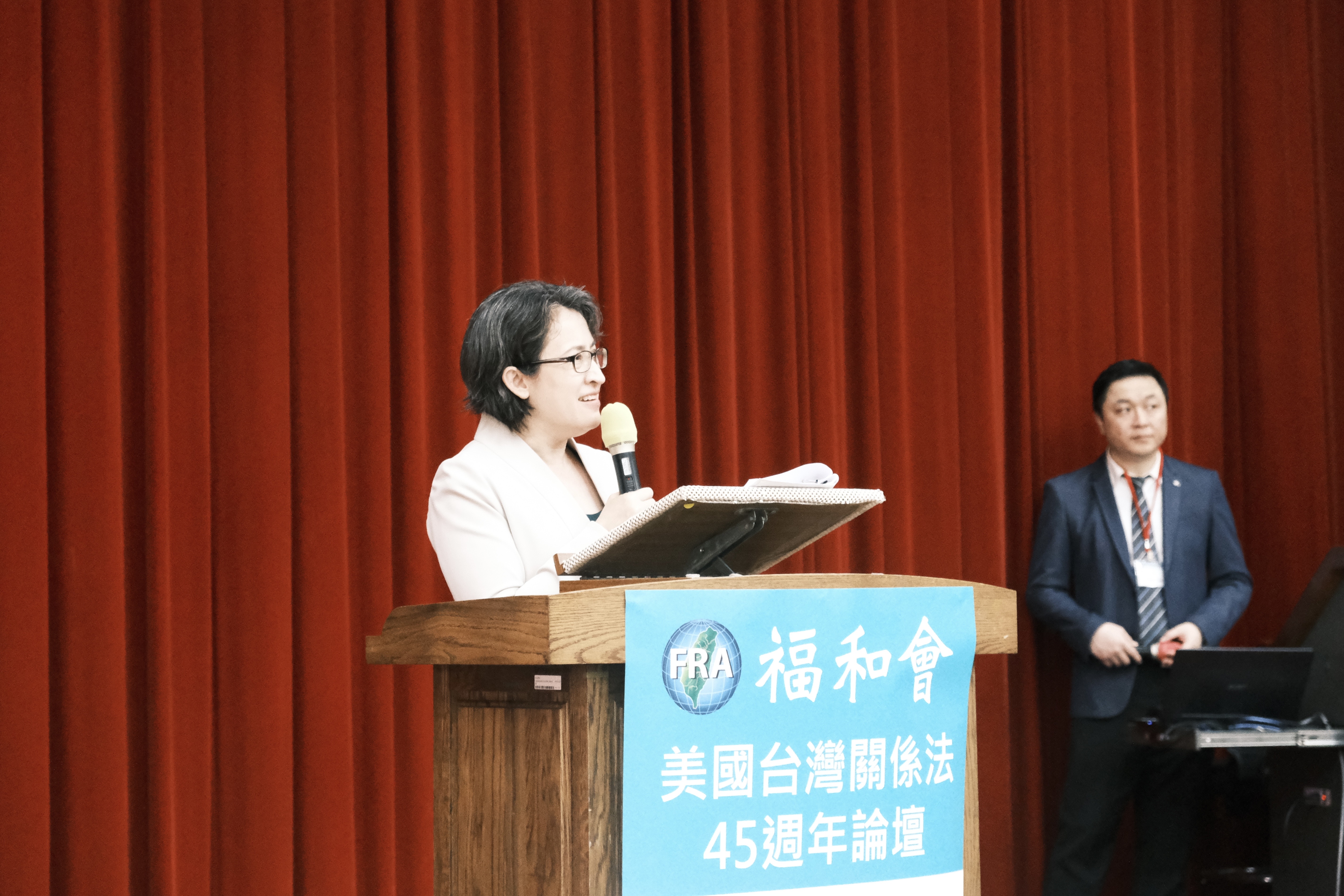
Vice President Hsiao Bi‑khim noted that forty‑five years ago, Taiwan was at a pivotal moment amid major domestic and international shifts. At that critical juncture, the U.S. Congress passed the Taiwan Relations Act (TRA), establishing the legal foundation for close and sustained interaction between Taiwan and the United States. She emphasized that the TRA begins by clearly articulating its policy objectives: to maintain peace, security, and stability in the Western Pacific. Its provisions underscore the commitment to ensuring and advancing the close and friendly economic and cultural relations between the peoples of Taiwan and the United States. While the Act authorizes the provision of defensive arms to Taiwan, it also requires the United States to maintain the capacity to resist coercion or force that would jeopardize Taiwan’s security. Within this framework, over the past forty‑five years, the United States—under both Democratic and Republican administrations—has upheld a consistent and stable policy commitment. During the same period, Taiwan has undergone political democratization and significant economic development. Both sides now share democratic values and a common interest in peace, prosperity, and economic freedom.

Vice President Hsiao Bi‑khim noted that today’s global landscape is extraordinarily complex and volatile. The Russia–Ukraine war has dragged on for more than two years with no clear end in sight; the Israel–English translation (polished, coherent, and consistent with the tone of your TRA‑45 forum report): Vice President Hsiao Bi‑khim noted that the global landscape has become increasingly complex and volatile. The Russia–Ukraine war has dragged on for more than two years with no end in sight; the Israel–Palestine conflict and tensions in the South China Sea continue to escalate. Meanwhile, Beijing has intensified its military pressure and political coercion against Taiwan, creating regional instability. Taiwanese people, she emphasized, not only care about global developments but are especially concerned about whether peace and stability can be maintained across the Taiwan Strait. President Lai Ching‑te has therefore proposed the “Four Pillars of Peace” for the Taiwan Strait. In terms of national defense and security, given the threats Taiwan faces, the United States has—beyond the traditional arms sales commitments under the Taiwan Relations Act—expanded its support in recent years through legislative tools such as Presidential Drawdown Authority (PDA), Foreign Military Financing (FMF), and military education and training programs, all aimed at strengthening Taiwan’s defensive capabilities. Vice President Hsiao stressed that the Taiwanese people must demonstrate firm resolve in defending democracy and sovereignty. Increasing the national defense budget and accelerating military reform are essential steps to earn greater support from international partners.

Former U.S. Department of Defense Senior Director for Taiwan Affairs Tony Hu noted that as China’s pressure on Taiwan has intensified, President Biden has responded by providing Taiwan with greater capabilities for self‑defense. He pointed out that U.S. military officers and civilian personnel from the Department of Defense can now be stationed in Taiwan, and that AIT is permitted to raise the American flag—clear signs that Washington has eased several of its previous self‑imposed restrictions. Hu emphasized that if China were to launch an attack on Taiwan, that moment would effectively mark the end of the Taiwan Relations Act framework. In such a scenario, the United States would replace the TRA‑based American Institute in Taiwan with a full U.S. embassy in Taiwan, reflecting a fundamentally different legal and diplomatic posture.

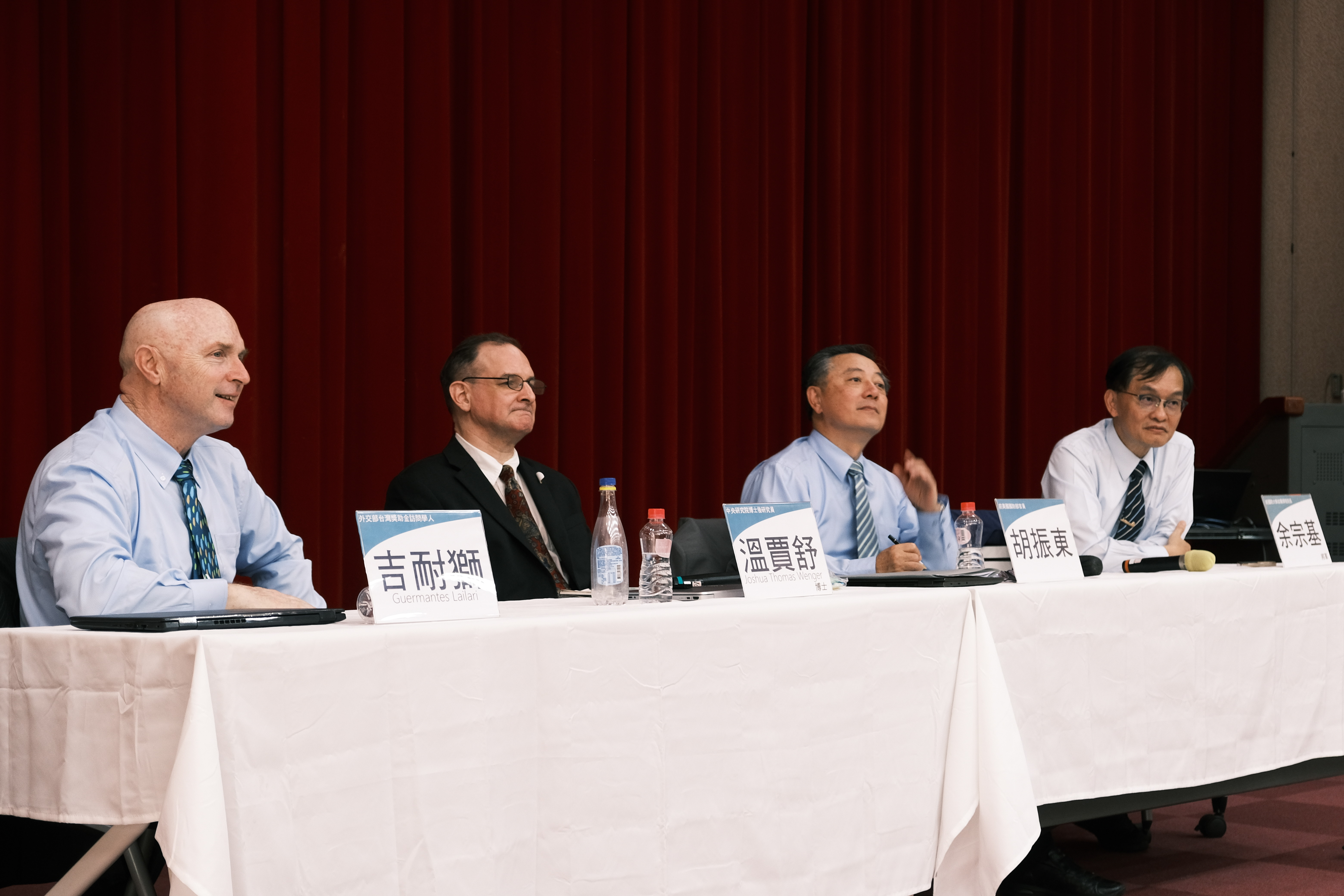
Guermantes Lailari emphasized that the United States does not have a formal security treaty with Israel—similar to its relationship with Taiwan. Yet Washington has long maintained Israel’s military superiority over its neighboring states, and the same logic applies to Taiwan: when threats increase, the United States compensates by providing more advanced weaponry and capabilities. He noted that during the Trump administration, the passage of the Taiwan Travel Act was intended to address the long‑standing limitations on high‑level bilateral exchanges between the United States and Taiwan, strengthening official interaction and signaling deeper political support. As a Jewish American, Guermantes Lailari remarked that whenever he hears Beijing refer to the “Taiwan question,” he is reminded of how Nazi Germany once spoke of the “Jewish question”—a framing that historically preceded discrimination, coercion, and violence. His comment underscored the importance of vigilance when authoritarian regimes use dehumanizing or delegitimizing language toward targeted groups.

Former U.S. State Department Senior Advisor on China Policy Miles Yu delivered a pre‑recorded address and responded to FRA’s questions in advance. Yu underscored the importance of the Taiwan Relations Act (TRA), but also pointed out several structural issues within the law. He noted that the TRA refers to Taiwan’s population as “the people on Taiwan,” a formulation that technically includes foreign visitors and residents. He argued that the terminology should be updated to “the people of Taiwan” or “Taiwanese,” which more accurately reflects political identity and citizenship. Yu also highlighted that the TRA’s definition of “Taiwan” covers only Taiwan Island and the Penghu archipelago. Crucially, the Act’s security assurances do not explicitly extend to other territories under the effective governance of the Republic of China (Taiwan), including Kinmen, Matsu, Pratas Island (Dongsha), and Taiping Island in the South China Sea. Yu described this gap as “a loophole” that requires legislative correction by the United States to ensure comprehensive protection and clarity.

FRA Forum on the 45th Anniversary of the U.S.–Taiwan Relations Act FRA Forum on the 45th Anniversary of the U.S.–Taiwan Relations Act FRA Forum on the 45th Anniversary of the U.S.–Taiwan Relations Act FRA Forum on the 45th Anniversary of the U.S.–Taiwan Relations Act FRA Forum on the 45th Anniversary of the U.S.–Taiwan Relations Act FRA Forum on the 45th Anniversary of the U.S.–Taiwan Relations Act FRA Forum on the 45th Anniversary of the U.S.–Taiwan Relations Act FRA Forum on the 45th Anniversary of the U.S.–Taiwan Relations Act FRA Forum on the 45th Anniversary of the U.S.–Taiwan Relations Act FRA Forum on the 45th Anniversary of the U.S.–Taiwan Relations Act FRA Forum on the 45th Anniversary of the U.S.–Taiwan Relations Act FRA Forum on the 45th Anniversary of the U.S.–Taiwan Relations Act FRA Forum on the 45th Anniversary of the U.S.–Taiwan Relations Act FRA Forum on the 45th Anniversary of the U.S.–Taiwan Relations Act FRA Forum on the 45th Anniversary of the U.S.–Taiwan Relations Act FRA Forum on the 45th Anniversary of the U.S.–Taiwan Relations Act FRA Forum on the 45th Anniversary of the U.S.–Taiwan Relations Act FRA Forum on the 45th Anniversary of the U.S.–Taiwan Relations Act FRA Forum on the 45th Anniversary of the U.S.–Taiwan Relations Act FRA Forum on the 45th Anniversary of the U.S.–Taiwan Relations Act FRA Forum on the 45th Anniversary of the U.S.–Taiwan Relations Act FRA Forum on the 45th Anniversary of the U.S.–Taiwan Relations Act FRA Forum on the 45th Anniversary of the U.S.–Taiwan Relations Act FRA Forum on the 45th Anniversary of the U.S.–Taiwan Relations Act FRA Forum on the 45th Anniversary of the U.S.–Taiwan Relations Act FRA Forum on the 45th Anniversary of the U.S.–Taiwan Relations Act FRA Forum on the 45th Anniversary of the U.S.–Taiwan Relations Act FRA Forum on the 45th Anniversary of the U.S.–Taiwan Relations Act FRA Forum on the 45th Anniversary of the U.S.–Taiwan Relations Act
		Tel:+886-2-2716-6180  
		e-mail:fratwn2018@gmail.com
		Address: 3F, No. 346, Sec 3, Nanjing E. Rd., Songshan Dist. Taipei City 105, Taiwan
		Account:Taiwan Business Bank Nan King East Road Branch 050-0902 090-12-095195
		

Conservatism Domestic International About | 繁 日
2026
2025
2024
2023
2022
2021
2020
2019
2018
Previous Events

FRA 2024 Food Safety Forum

FRA 2024 Food Safety Forum
2024.12.21

FRA hosted the “FRA 2024 Food Safety Forum,” with Minister of Health and Welfare Chiu Tai‑yuan and TFDA Director‑General Chuang Sheng‑hong—Taiwan’s top officials responsible for food safety—both attending in person. In the past, government officials often avoided food‑safety discussions organized by civil society because the issue is complex, highly sensitive, and closely watched by the public. Their presence this time signals the Ministry of Health and Welfare’s highest level of commitment to food safety.

The recent Sudan Red incident has caused widespread anxiety among the Taiwanese public. In reality, Taiwan is already among the leading countries globally in food safety. Following multiple food‑safety crises over the years, both the government and civil society have continuously introduced new response measures, making Taiwan’s food‑safety management increasingly comprehensive, constantly updated, and steadily improving.

Minister Chiu Tai‑yuan, long‑time professor of family medicine at National Taiwan University, reiterated the importance of bringing together industry, government, and academia to discuss food safety at this forum. He also conveyed President Lai Ching‑te’s directive that the “Five Strikes and Seven Safeties” initiative is a core government policy, with “food safety” being the most critical among the seven. He outlined the administration’s four‑year goals: coordinated action across central ministries and local government departments to jointly confront emerging challenges; adopting higher standards and more diverse technologies to help food‑industry operators strengthen self‑management; and ensuring that every stage from farm to table meets safety requirements. At the same time, the government will promote food‑safety education so that every citizen possesses basic knowledge of food safety.

Director‑General Chuang Sheng‑hong listened to the entire forum and offered a brief commentary. He noted that before becoming TFDA chief, when he was still in academia, he—like many members of the public—would question what the Food and Drug Administration was actually doing whenever a food‑safety incident appeared in the news. After assuming office on July 1 and going through extensive onboarding, he came to understand that the TFDA in fact carries out a vast amount of routine work. Compared with other countries, Taiwan ranks among the leading nations in safeguarding food and pharmaceutical safety. He explained that the TFDA handles 43 food‑safety projects a year, even though a year has only 52 weeks. When unexpected incidents occur, TFDA staff often proactively propose additional projects. They continuously identify problems and refine solutions. For example, pesticide violations used to be difficult to trace because contaminated produce was discovered only after passing through multiple distribution layers. To address this, TFDA staff shifted inspections upstream to wholesale markets, which requires arriving between 3 a.m. and 5 a.m. Once non‑compliant produce is found, it is immediately destroyed, preventing it from entering the market. Director‑General Chuang emphasized that TFDA personnel devote tremendous manpower, resources, and effort to safeguarding food safety, and he urged the public to recognize the dedication and hard work of the agency’s staff.

Former Academia Sinica research fellow and FRA member Dr. Ho Mei‑hsiang delivered the keynote speech, “Climate Change and Food Security.” She emphasized that the highest level of food safety is, in fact, food security. Under accelerating climate change, major food‑producing regions worldwide are increasingly affected, often disrupting global supply and demand. At the same time, agricultural production is closely tied to greenhouse‑gas emissions—for example, livestock farming generates substantial methane. Replacing animal‑based protein with plant‑based protein could significantly reduce methane emissions. Rice cultivation is also a major source of methane. In response, the government is studying the feasibility of upland rice. Because methane dissipates relatively quickly in the atmosphere, stopping or reducing emissions can yield faster and more pronounced benefits than carbon‑reduction measures. Dr. Ho also noted that elevated CO₂ levels can increase yields in C3 crops such as rice and wheat, but the increase is largely limited to starch content. She further reminded that when the Ministry of Agriculture promotes rice consumption, it should emphasize brown rice, as whole‑grain diets are more beneficial to health than polished white rice.

Professor Hsu Fu, Director of the Executive Yuan’s Office of Food Safety, has overseen cross‑ministerial coordination and policy planning since President Tsai Ing‑wen took office in 2016. He reviewed and reflected on eight years of the “Five Rings of Food Safety” policy and outlined future directions. Professor Hsu emphasized that food safety is an integrated system of environmental safety, agricultural safety, and food safety. Beyond central‑government coordination, frontline management and inspections fall largely to local health bureaus, with essential cooperation from agricultural, education, economic‑development, and environmental‑protection departments. Compared with the period from 2008 to 2016—which saw major incidents such as melamine contamination, plasticizer scandals, adulterated starch, mixed‑oil cases, reprocessed oil, and DDT violations—the number of systemic food‑safety incidents from 2016 to 2024 has dropped significantly. Only a few major cases occurred, including fipronil‑contaminated eggs, substandard liquid‑egg products, and the Sudan Red dye incident.

Dr. Li Tian‑chien, Director of the Regional Innovation Center at National Tsing Hua University, delivered the talk “New Agriculture, New Farmers, New Rural Communities: The Emerging Era of Food and Agricultural Education.” He emphasized that food is a vital expression of culture. Food safety is not only about eating enough or eating with confidence; it can also be elevated on spiritual and cultural levels by rebuilding the connection between people, nature, land, and local communities. FRA Chairman Dr. Tommy Lin expressed strong agreement, noting that this approach is one of the best ways to cultivate a sense of belonging to one’s homeland and forms an essential foundation for deepening local identity.

Professor Liao Chi‑cheng, Director of the Food Industry Research and Development Institute, delivered the talk “The Development and Challenges of Taiwan’s Food Industry and Dietary Ecosystem.” He noted that Taiwan’s food industry is currently facing major global shifts in technology and industrial structure. Looking ahead, the two central issues will be digital transformation and sustainable development. Artificial intelligence will increasingly be integrated into food‑industry operations, while the push toward net‑zero carbon emissions will require new thinking across every stage—from agriculture to food manufacturing. As new technologies and new materials enter the market, including innovations from numerous food‑tech startups, entirely new categories of food‑safety risks will emerge. These developments will bring corresponding, unprecedented food‑safety challenges that regulators and industry must learn to address.

Dennis Wang, General Manager of First Store, proposed applying aviation‑safety thinking to safeguard food safety. Chimei Foods COO Lu Chien‑liang shared how major food manufacturers implement comprehensive controls—from raw‑material management, process control, packaging operations, and inventory flow, to laboratory oversight and full traceability—to ensure food safety at every stage. Deputy Director Wang Hsiao‑hsing of the Kaohsiung City Health Bureau discussed frontline inspection practices at the local‑government level. In the liquid‑egg incident, the bureau strengthened regulation and oversight of cold‑chain operators. During the Sudan Red incident, the bureau conducted inspections and seizures targeting the Jin‑Zhan Group, and subsequent sampling confirmed that the contamination had not spread further and that risks were under control. The bureau then worked closely with food‑importers and the Economic Development Bureau to tighten regulatory measures. In addition to stricter raw‑material controls for food‑import businesses, they also enhanced oversight of operators dealing in medicinal‑food dual‑use materials, closing loopholes where imported medicinal ingredients could be diverted for food use.

The forum concluded with a plenary discussion moderated by Director Hsu Fu. The audience responded enthusiastically, engaging in wide‑ranging dialogue on topics such as the risk of Salmonella in raw egg consumption, debates over genetically modified versus organic foods, the use of preservatives, labeling and traceability for packaged foods produced by smaller manufacturers, and the risks and hazards associated with food products from China.
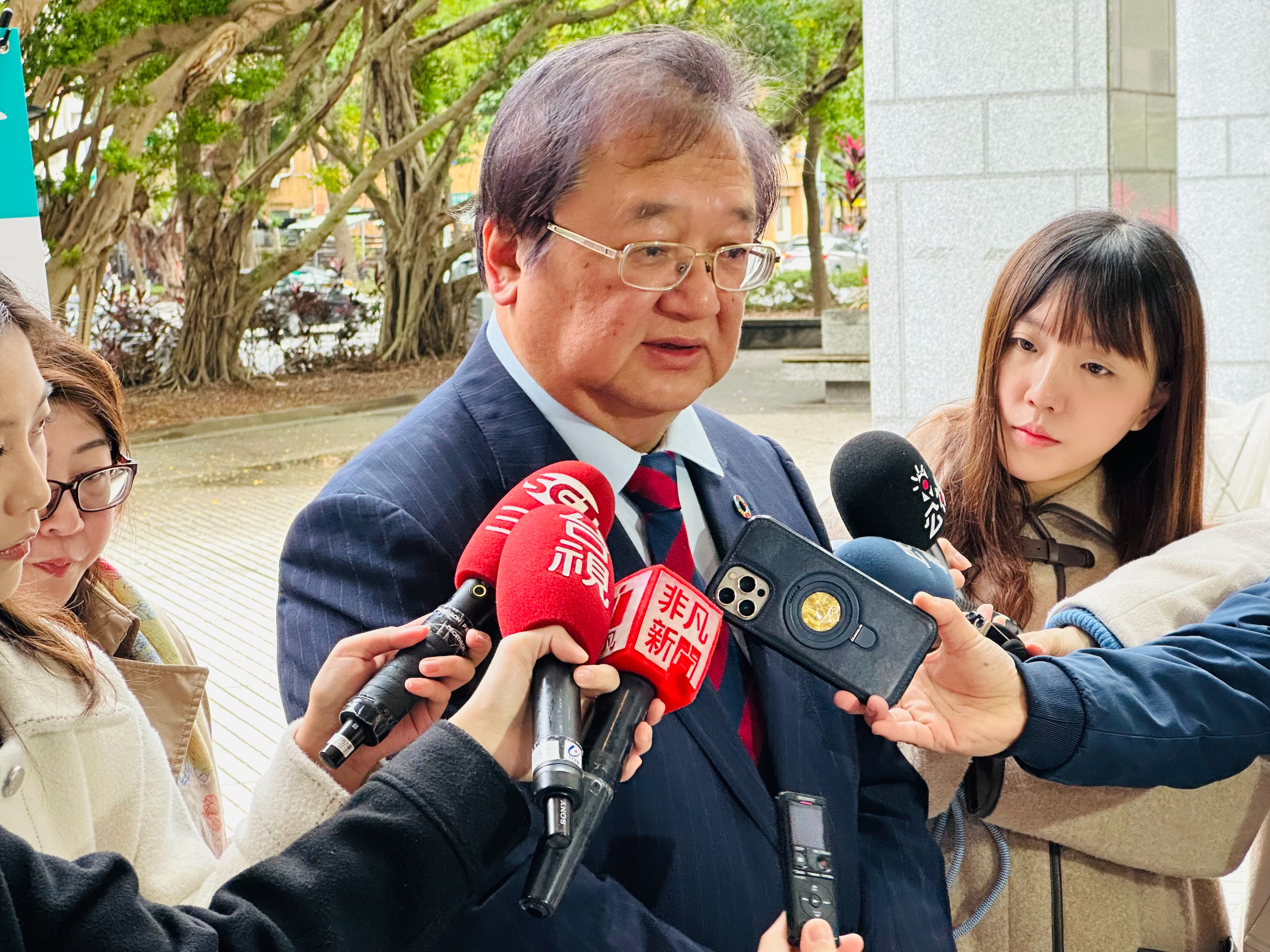
FRA 2024 Food Safety Forum FRA 2024 Food Safety Forum FRA 2024 Food Safety Forum FRA 2024 Food Safety Forum FRA 2024 Food Safety Forum FRA 2024 Food Safety Forum FRA 2024 Food Safety Forum FRA 2024 Food Safety Forum FRA 2024 Food Safety Forum FRA 2024 Food Safety Forum FRA 2024 Food Safety Forum FRA 2024 Food Safety Forum FRA 2024 Food Safety Forum FRA 2024 Food Safety Forum FRA 2024 Food Safety Forum FRA 2024 Food Safety Forum FRA 2024 Food Safety Forum FRA 2024 Food Safety Forum FRA 2024 Food Safety Forum FRA 2024 Food Safety Forum FRA 2024 Food Safety Forum FRA 2024 Food Safety Forum FRA 2024 Food Safety Forum FRA 2024 Food Safety Forum FRA 2024 Food Safety Forum FRA 2024 Food Safety Forum FRA 2024 Food Safety Forum FRA 2024 Food Safety Forum FRA 2024 Food Safety Forum

FRA 2024 Energy and Net‑Zero Forum

FRA 2024 Energy and Net‑Zero Forum
2024.9.7

Energy strategy is a top priority in every nation’s overall strategic planning. In addition, the requirements imposed by major Western countries for industries to reduce carbon emissions have grown increasingly stringent. European and American corporations are also independently demanding that their supply chains—including Taiwanese exporters—ensure that their products and services use green energy or achieve net‑zero carbon emissions.

Whether Taiwan truly “lacks electricity” is largely a false issue. What is real, however, is that Taiwanese industries urgently need green electricity, driven by increasingly strict requirements from European and American clients. Many Western companies now demand that their supply chains—including Taiwan’s exporters—use renewable energy or achieve net‑zero carbon emissions for their products and services. This forum focused on a central question: how major carbon‑emitting enterprises such as Taipower and CSC can implement carbon‑capture technologies, and how the captured carbon can be effectively utilized. Speakers presented results from existing pilot plants to demonstrate feasibility, and discussed pragmatic pathways for Taiwan to genuinely become a net‑zero nation.

The FRA 2024 Energy and Net‑Zero Forum brought together leading experts from industry, government, and academia, including:

Lin Tzu‑lun, Deputy Executive Director of the Executive Yuan Office of Energy and Carbon Reduction

Tsai Ming‑chang, Director of CPC Corporation’s Refining Research Institute

Dr. Li Tsung‑ming, Director of the Materials and Chemical Research Laboratories at ITRI

Professor Hsieh Kuo‑huang, FRA board member and founding director of NTU’s Institute of Polymer Science and Engineering

Professor Lin Chiang‑chen, the Institute’s third director and Senior Researcher at Shell Oil in the United States

Professor Shih Hsin‑min, Founding President of the Taiwan Environmental Protection Union

They were joined by Deputy Minister Lien Chin‑chang of the Ministry of Economic Affairs and Legislator Chen Kuan‑ting to collectively examine Taiwan’s energy future and pathways toward achieving net‑zero emissions.

Vedio Link

FRA 2024 Energy and Net‑Zero Forum FRA 2024 Energy and Net‑Zero Forum FRA 2024 Energy and Net‑Zero Forum FRA 2024 Energy and Net‑Zero Forum FRA 2024 Energy and Net‑Zero Forum FRA 2024 Energy and Net‑Zero Forum FRA 2024 Energy and Net‑Zero Forum FRA 2024 Energy and Net‑Zero Forum FRA 2024 Energy and Net‑Zero Forum FRA 2024 Energy and Net‑Zero Forum FRA 2024 Energy and Net‑Zero Forum FRA 2024 Energy and Net‑Zero Forum

FRA Central Taiwan Champion Industries Visit

FRA Central Taiwan Champion Industries Visit
2024.6.6

FRA visited one of Taichung’s “hidden champions,” SOLAS , a leader in precision casting. Dr. Lin Yun‑chin, the company’s founder, first proposed a groundbreaking redesign of cargo‑ship stern structures while studying in Japan—work that significantly improved maritime efficiency. His expertise in fluid dynamics and naval engineering eventually led him to leave academia and embark on an entrepreneurial path. The journey was far from easy. Dr. Lin faced numerous challenges, including product counterfeiting and abrupt order cancellations from major clients. Despite these setbacks, SOLAS persevered. Its technical strengths and disciplined management ultimately propelled the company to success. Today, SOLAS holds nearly a 100% global market share in jet‑ski propellers and is recognized internationally as a top‑tier brand. Committed to continuous improvement, SOLAS has introduced advanced management‑consulting systems to raise production yield and minimize scrap rates. This not only reduces costs but also enhances environmental sustainability—reflecting the company’s philosophy of precision, discipline, and excellence.

SOLAS adopts lost‑wax casting. Unlike many American manufacturers—whose propeller hubs and blades were traditionally cast separately and then welded together—SOLAS produces its propellers as a single integrated piece, giving the company a distinct competitive advantage. Lost‑wax casting requires applying multiple layers of ceramic slurry and sand to form the mold. SOLAS has significantly increased automation in this process: only the very first stage—removing the wax release agent and applying the initial slurry coat—is done manually. All subsequent layers are applied by robotic arms, which greatly improves efficiency and ensures consistent, high‑quality results.

SOLAS’s management philosophy is meticulous down to the smallest details—even the office staff’s drawers are neatly organized, with stationery arranged in perfect order. Factory employees take initiative as well, using in‑house tools to build custom metal storage cabinets for better organization. Despite being a compact facility, the plant is beautifully landscaped, featuring a carefully tended miniature garden. The fire‑water reservoir has been expanded, and inside it koi swim gracefully, creating an unexpectedly charming and serene scene within an industrial setting.

In the afternoon, FRA visited the Giant Bicycle Museum of Art and Science (the Bicycle Culture Discovery Pavilion) operated by Giant Manufacturing in Xitun District, Taichung. The building’s upward‑spiraling exterior design is striking and iconic. The guided tour introduced the history of bicycle development, Taiwan’s role in adopting and manufacturing bicycles, and the milestones in Giant’s own evolution as it launched a series of landmark products. The exhibition also explains the technical principles behind bicycle construction and features immersive virtual‑reality experience facilities for visitors.

These two international champion industries in central Taiwan continue to push themselves forward, shining brightly on the global stage. Their achievements embody Taiwan’s vitality and its spirit of perseverance—an unwavering commitment to excellence, innovation, and continuous self‑improvement.

FRA Central Taiwan Champion Industries Visit FRA Central Taiwan Champion Industries Visit FRA Central Taiwan Champion Industries Visit FRA Central Taiwan Champion Industries Visit FRA Central Taiwan Champion Industries Visit FRA Central Taiwan Champion Industries Visit FRA Central Taiwan Champion Industries Visit FRA Central Taiwan Champion Industries Visit FRA Central Taiwan Champion Industries Visit FRA Central Taiwan Champion Industries Visit

FRA Forum on the 45th Anniversary of the U.S.–Taiwan Relations Act──Toward a New Milestone in U.S.–Taiwan Relations

FRA Forum on the 45th Anniversary of the U.S.–Taiwan Relations Act
2024.4.13

On the 45th anniversary of the Taiwan Relations Act (TRA)—the foundation of U.S.–Taiwan relations—FRA held the forum “FRA Forum on the 45th Anniversary of the Taiwan Relations Act: Toward a New Milestone in U.S.–Taiwan Relations” on the 13th at Lecture Hall 101 of NTU’s College of Public Health. In her opening remarks, former ambassador‑at‑large and FRA Excutive Director Maysing Yang noted that when the U.S. Congress enacted the Taiwan Relations Act in 1979, and President Jimmy Carter signed it into law, the TRA not only ensured Taiwan’s security but also served as a driving force in Taiwan’s democratic transition. She emphasized that the Act has long been a cornerstone of U.S.–Taiwan cooperation. The Taiwan Relations Act represents the deepening of the partnership between the United States and Taiwan, and it supports Taiwan, South Korea, and other democratic nations in strengthening close cooperation and exchanges.

Vice President Hsiao Bi‑khim noted that forty‑five years ago, Taiwan was at a pivotal moment amid major domestic and international shifts. At that critical juncture, the U.S. Congress passed the Taiwan Relations Act (TRA), establishing the legal foundation for close and sustained interaction between Taiwan and the United States. She emphasized that the TRA begins by clearly articulating its policy objectives: to maintain peace, security, and stability in the Western Pacific. Its provisions underscore the commitment to ensuring and advancing the close and friendly economic and cultural relations between the peoples of Taiwan and the United States. While the Act authorizes the provision of defensive arms to Taiwan, it also requires the United States to maintain the capacity to resist coercion or force that would jeopardize Taiwan’s security. Within this framework, over the past forty‑five years, the United States—under both Democratic and Republican administrations—has upheld a consistent and stable policy commitment. During the same period, Taiwan has undergone political democratization and significant economic development. Both sides now share democratic values and a common interest in peace, prosperity, and economic freedom.

Vice President Hsiao Bi‑khim noted that today’s global landscape is extraordinarily complex and volatile. The Russia–Ukraine war has dragged on for more than two years with no clear end in sight; the Israel–English translation (polished, coherent, and consistent with the tone of your TRA‑45 forum report): Vice President Hsiao Bi‑khim noted that the global landscape has become increasingly complex and volatile. The Russia–Ukraine war has dragged on for more than two years with no end in sight; the Israel–Palestine conflict and tensions in the South China Sea continue to escalate. Meanwhile, Beijing has intensified its military pressure and political coercion against Taiwan, creating regional instability. Taiwanese people, she emphasized, not only care about global developments but are especially concerned about whether peace and stability can be maintained across the Taiwan Strait. President Lai Ching‑te has therefore proposed the “Four Pillars of Peace” for the Taiwan Strait. In terms of national defense and security, given the threats Taiwan faces, the United States has—beyond the traditional arms sales commitments under the Taiwan Relations Act—expanded its support in recent years through legislative tools such as Presidential Drawdown Authority (PDA), Foreign Military Financing (FMF), and military education and training programs, all aimed at strengthening Taiwan’s defensive capabilities. Vice President Hsiao stressed that the Taiwanese people must demonstrate firm resolve in defending democracy and sovereignty. Increasing the national defense budget and accelerating military reform are essential steps to earn greater support from international partners.

Former U.S. Department of Defense Senior Director for Taiwan Affairs Tony Hu noted that as China’s pressure on Taiwan has intensified, President Biden has responded by providing Taiwan with greater capabilities for self‑defense. He pointed out that U.S. military officers and civilian personnel from the Department of Defense can now be stationed in Taiwan, and that AIT is permitted to raise the American flag—clear signs that Washington has eased several of its previous self‑imposed restrictions. Hu emphasized that if China were to launch an attack on Taiwan, that moment would effectively mark the end of the Taiwan Relations Act framework. In such a scenario, the United States would replace the TRA‑based American Institute in Taiwan with a full U.S. embassy in Taiwan, reflecting a fundamentally different legal and diplomatic posture.

Guermantes Lailari emphasized that the United States does not have a formal security treaty with Israel—similar to its relationship with Taiwan. Yet Washington has long maintained Israel’s military superiority over its neighboring states, and the same logic applies to Taiwan: when threats increase, the United States compensates by providing more advanced weaponry and capabilities. He noted that during the Trump administration, the passage of the Taiwan Travel Act was intended to address the long‑standing limitations on high‑level bilateral exchanges between the United States and Taiwan, strengthening official interaction and signaling deeper political support. As a Jewish American, Guermantes Lailari remarked that whenever he hears Beijing refer to the “Taiwan question,” he is reminded of how Nazi Germany once spoke of the “Jewish question”—a framing that historically preceded discrimination, coercion, and violence. His comment underscored the importance of vigilance when authoritarian regimes use dehumanizing or delegitimizing language toward targeted groups.

Former U.S. State Department Senior Advisor on China Policy Miles Yu delivered a pre‑recorded address and responded to FRA’s questions in advance. Yu underscored the importance of the Taiwan Relations Act (TRA), but also pointed out several structural issues within the law. He noted that the TRA refers to Taiwan’s population as “the people on Taiwan,” a formulation that technically includes foreign visitors and residents. He argued that the terminology should be updated to “the people of Taiwan” or “Taiwanese,” which more accurately reflects political identity and citizenship. Yu also highlighted that the TRA’s definition of “Taiwan” covers only Taiwan Island and the Penghu archipelago. Crucially, the Act’s security assurances do not explicitly extend to other territories under the effective governance of the Republic of China (Taiwan), including Kinmen, Matsu, Pratas Island (Dongsha), and Taiping Island in the South China Sea. Yu described this gap as “a loophole” that requires legislative correction by the United States to ensure comprehensive protection and clarity.
FRA Forum on the 45th Anniversary of the U.S.–Taiwan Relations Act FRA Forum on the 45th Anniversary of the U.S.–Taiwan Relations Act FRA Forum on the 45th Anniversary of the U.S.–Taiwan Relations Act FRA Forum on the 45th Anniversary of the U.S.–Taiwan Relations Act FRA Forum on the 45th Anniversary of the U.S.–Taiwan Relations Act FRA Forum on the 45th Anniversary of the U.S.–Taiwan Relations Act FRA Forum on the 45th Anniversary of the U.S.–Taiwan Relations Act FRA Forum on the 45th Anniversary of the U.S.–Taiwan Relations Act FRA Forum on the 45th Anniversary of the U.S.–Taiwan Relations Act FRA Forum on the 45th Anniversary of the U.S.–Taiwan Relations Act FRA Forum on the 45th Anniversary of the U.S.–Taiwan Relations Act FRA Forum on the 45th Anniversary of the U.S.–Taiwan Relations Act FRA Forum on the 45th Anniversary of the U.S.–Taiwan Relations Act FRA Forum on the 45th Anniversary of the U.S.–Taiwan Relations Act FRA Forum on the 45th Anniversary of the U.S.–Taiwan Relations Act FRA Forum on the 45th Anniversary of the U.S.–Taiwan Relations Act FRA Forum on the 45th Anniversary of the U.S.–Taiwan Relations Act FRA Forum on the 45th Anniversary of the U.S.–Taiwan Relations Act FRA Forum on the 45th Anniversary of the U.S.–Taiwan Relations Act FRA Forum on the 45th Anniversary of the U.S.–Taiwan Relations Act FRA Forum on the 45th Anniversary of the U.S.–Taiwan Relations Act FRA Forum on the 45th Anniversary of the U.S.–Taiwan Relations Act FRA Forum on the 45th Anniversary of the U.S.–Taiwan Relations Act FRA Forum on the 45th Anniversary of the U.S.–Taiwan Relations Act FRA Forum on the 45th Anniversary of the U.S.–Taiwan Relations Act FRA Forum on the 45th Anniversary of the U.S.–Taiwan Relations Act FRA Forum on the 45th Anniversary of the U.S.–Taiwan Relations Act FRA Forum on the 45th Anniversary of the U.S.–Taiwan Relations Act

福和會 Formosa Republican Association facebook


Tel:+886-2-2716-6180
e-mail:fratwn2018@gmail.com
Address:
3F, No. 346, Sec 3, Nanjing E. Rd., Songshan Dist.
Taipei City 105, Taiwan
Account:
Taiwan Business Bank Nan King East Road Branch
050-0902 090-12-095195