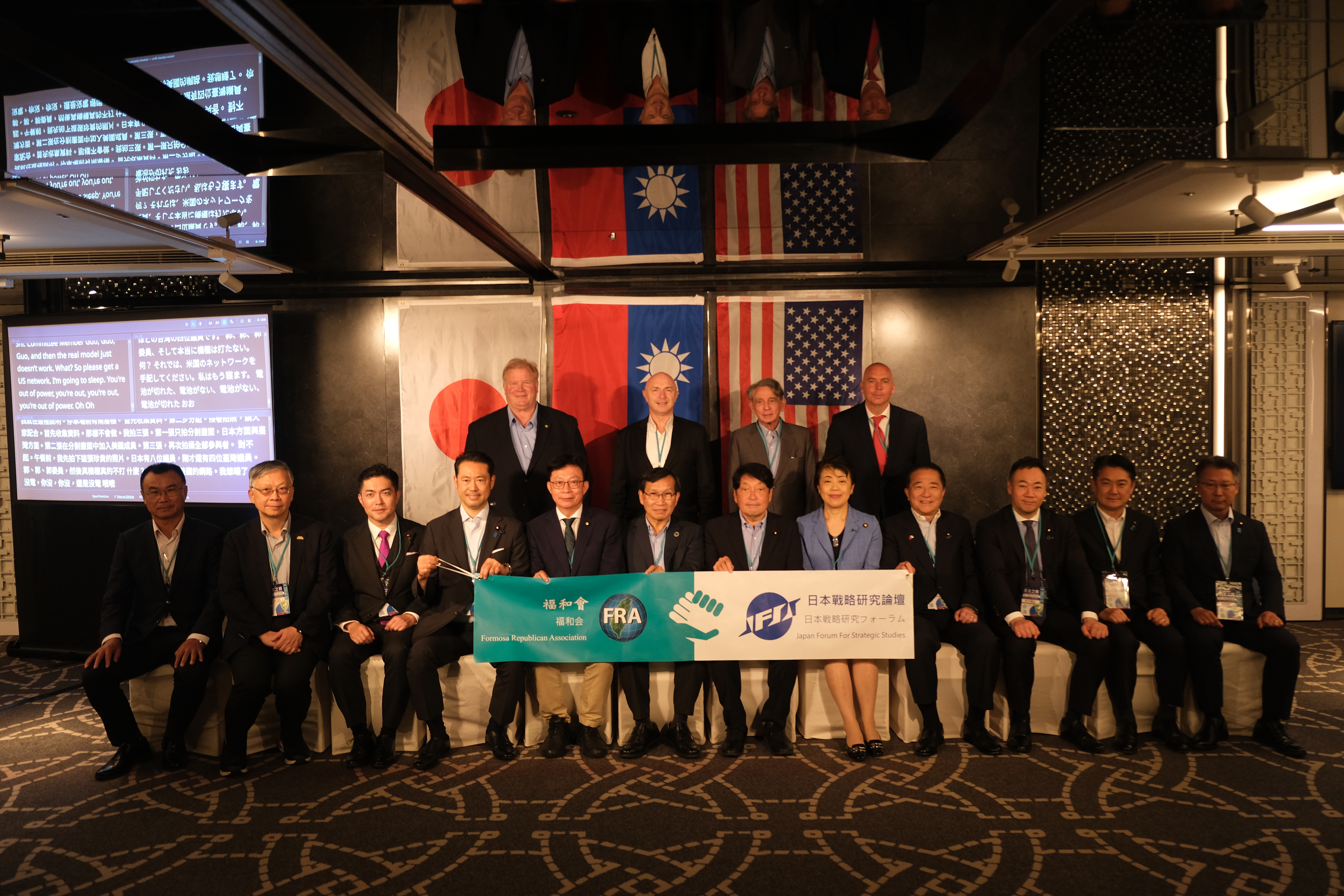
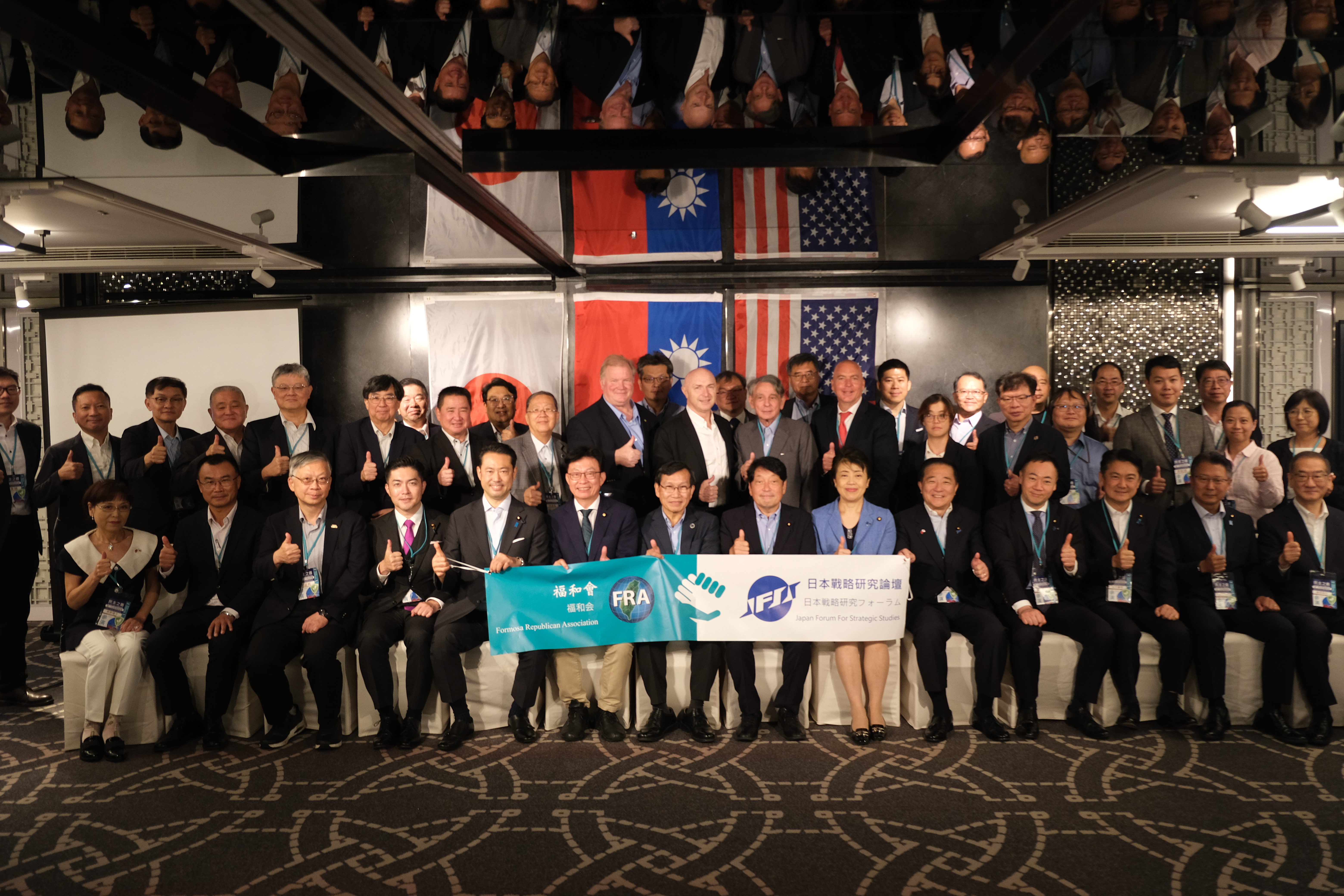
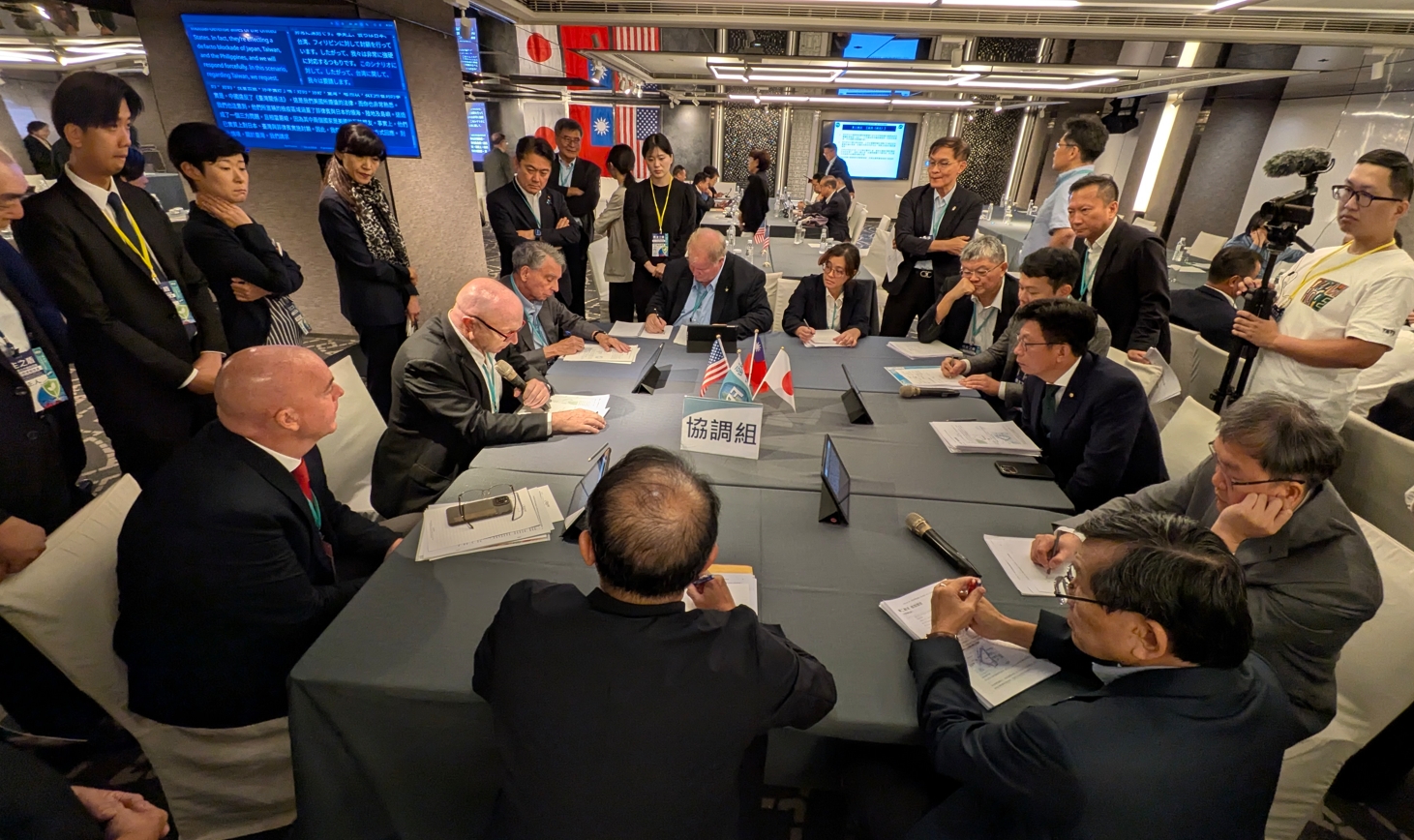
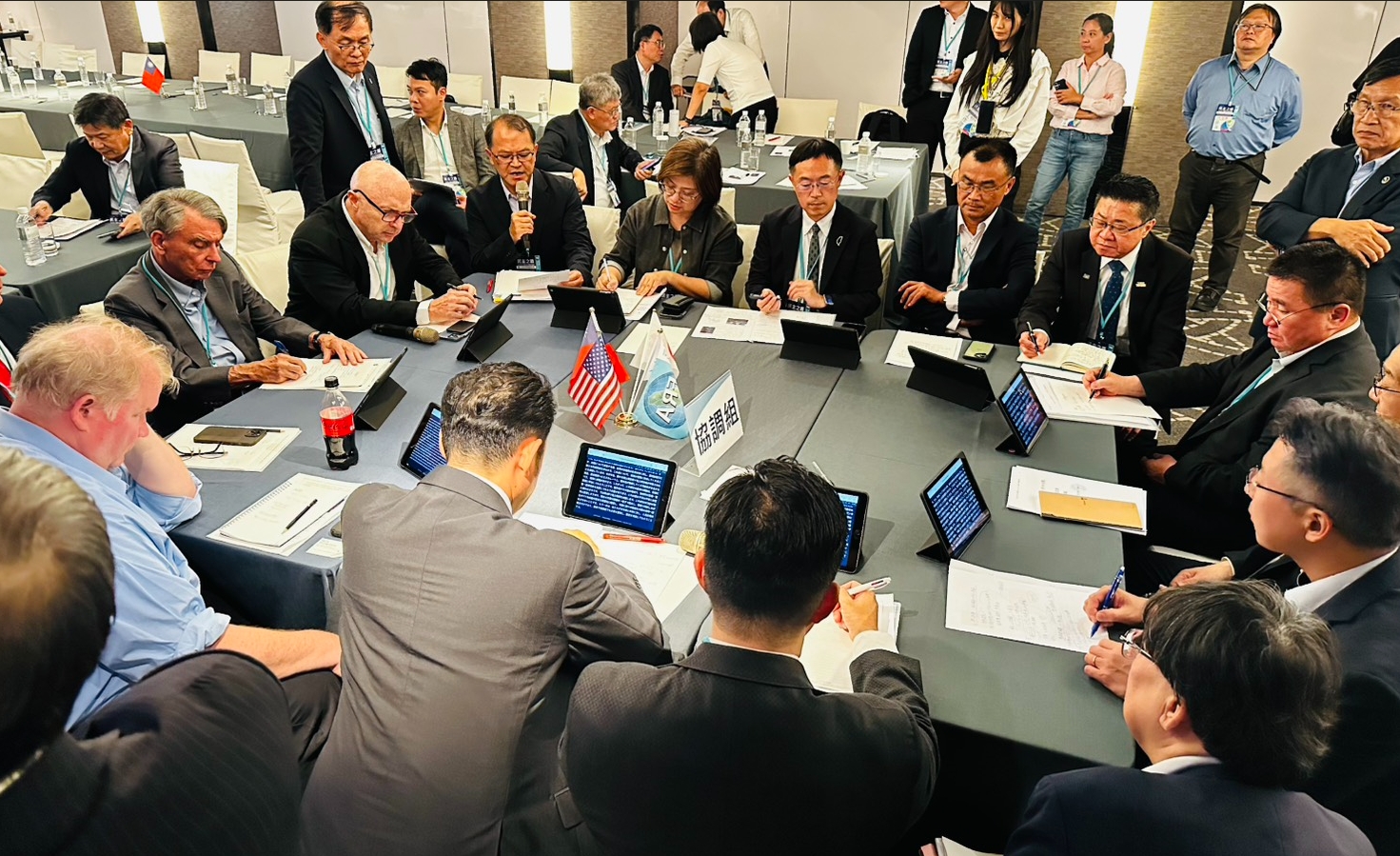
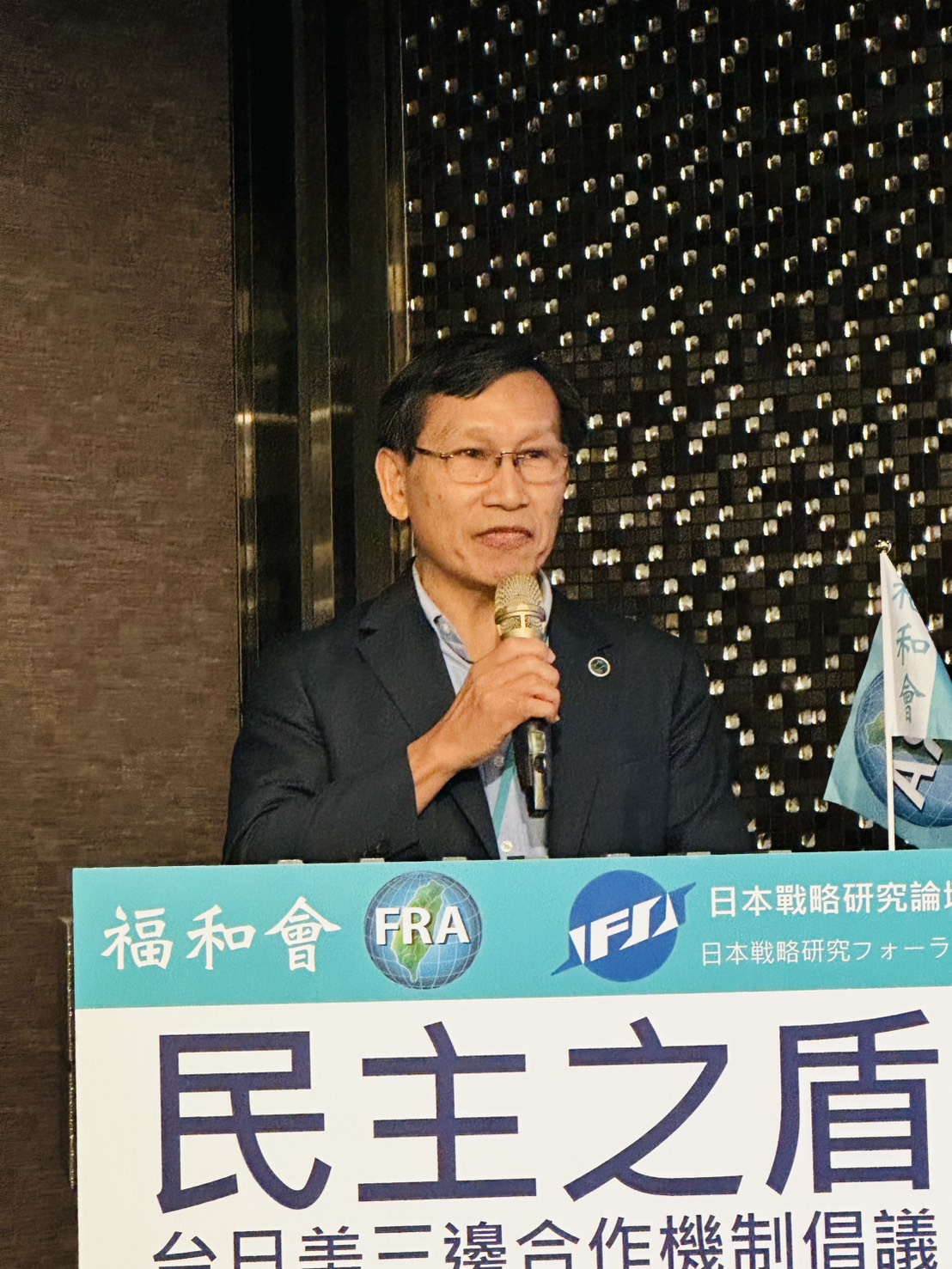
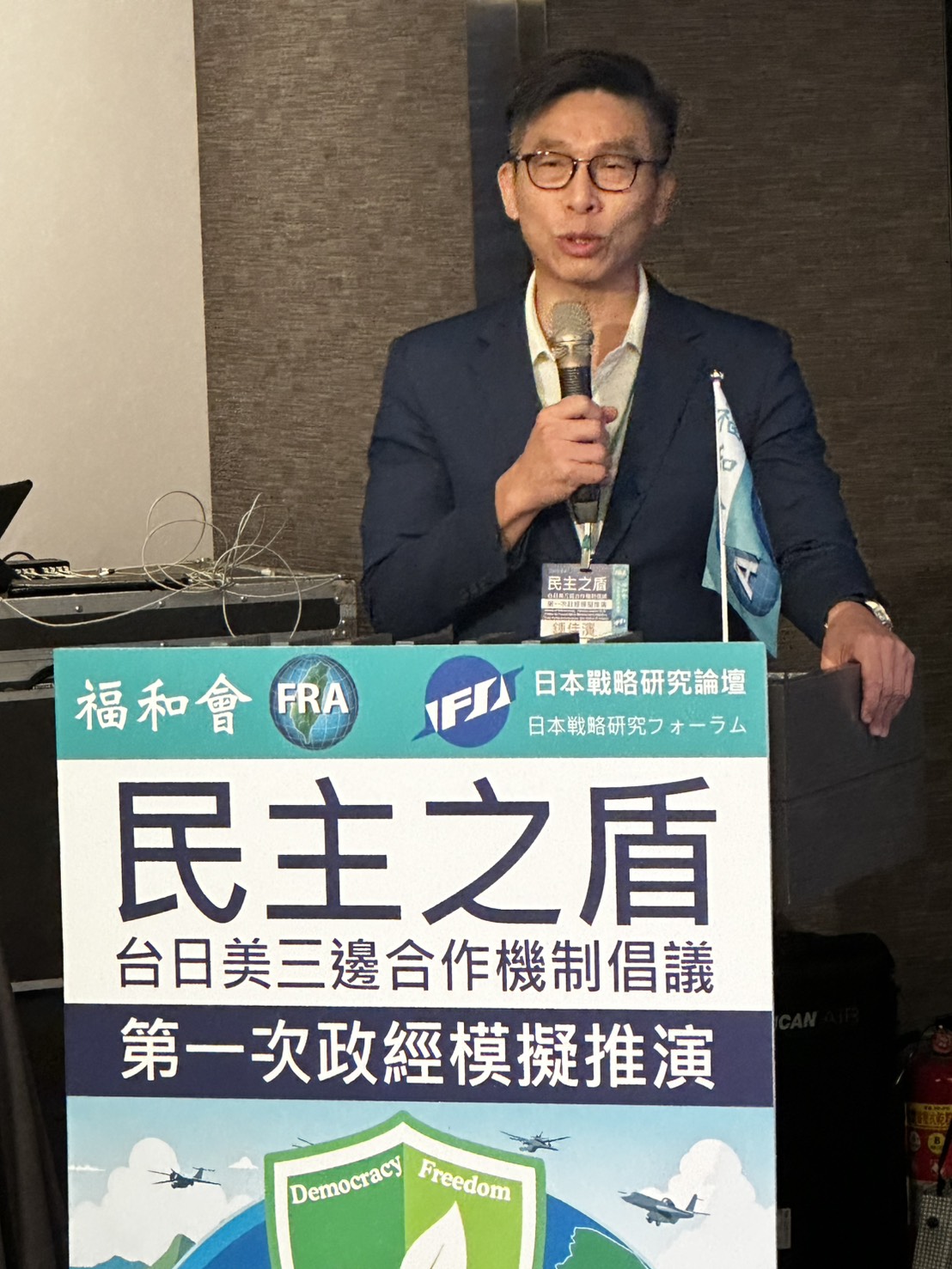
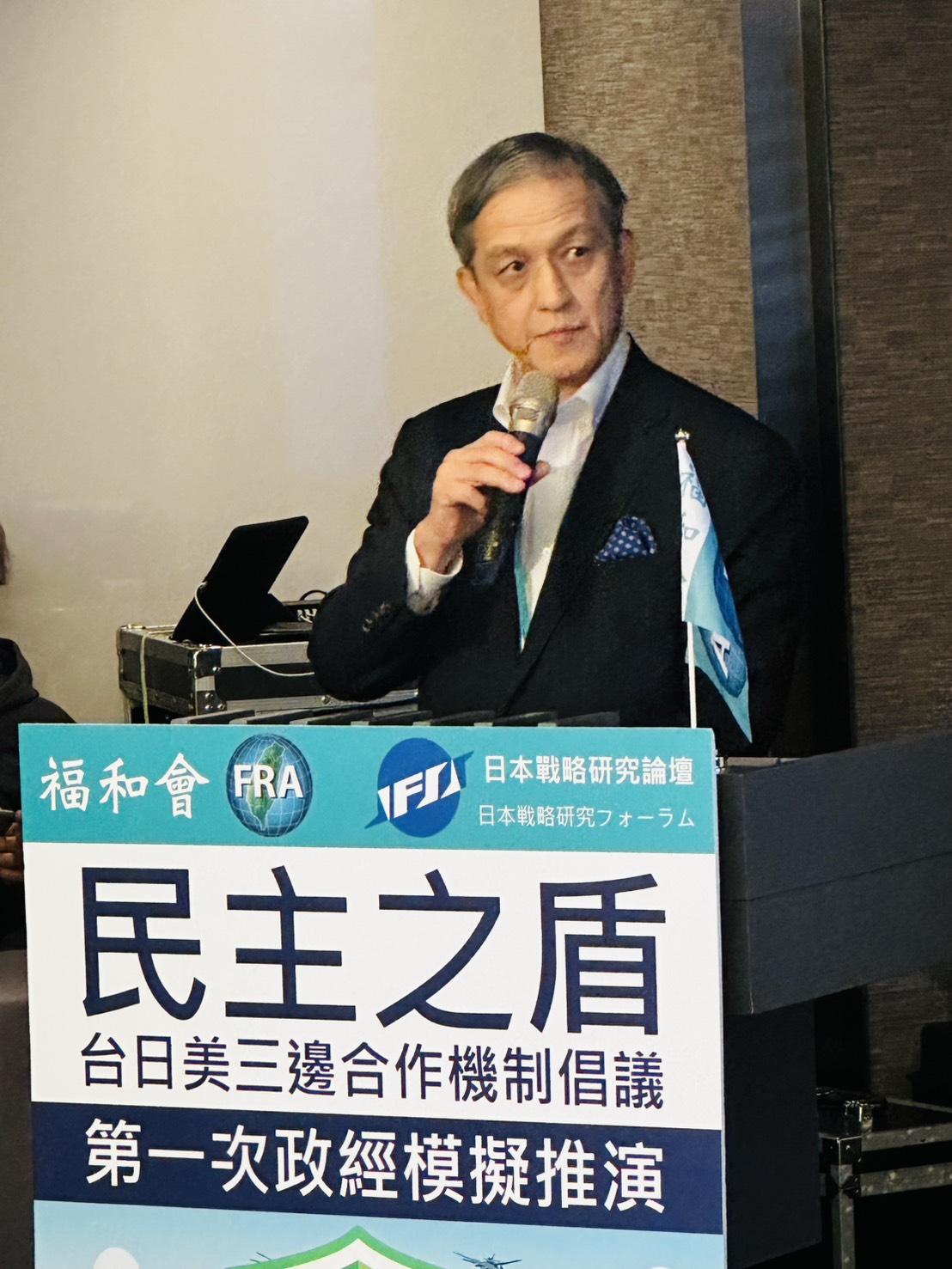
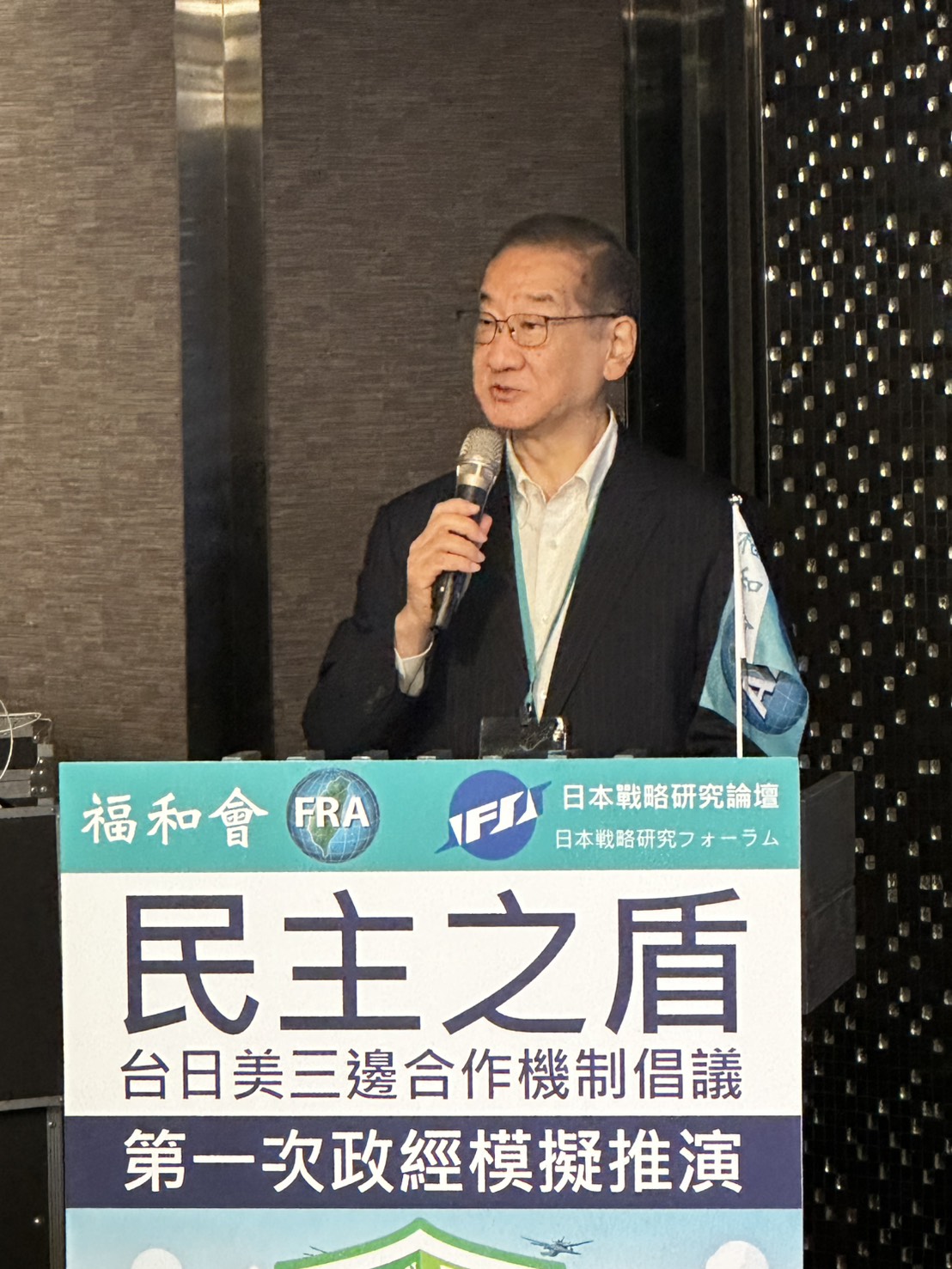
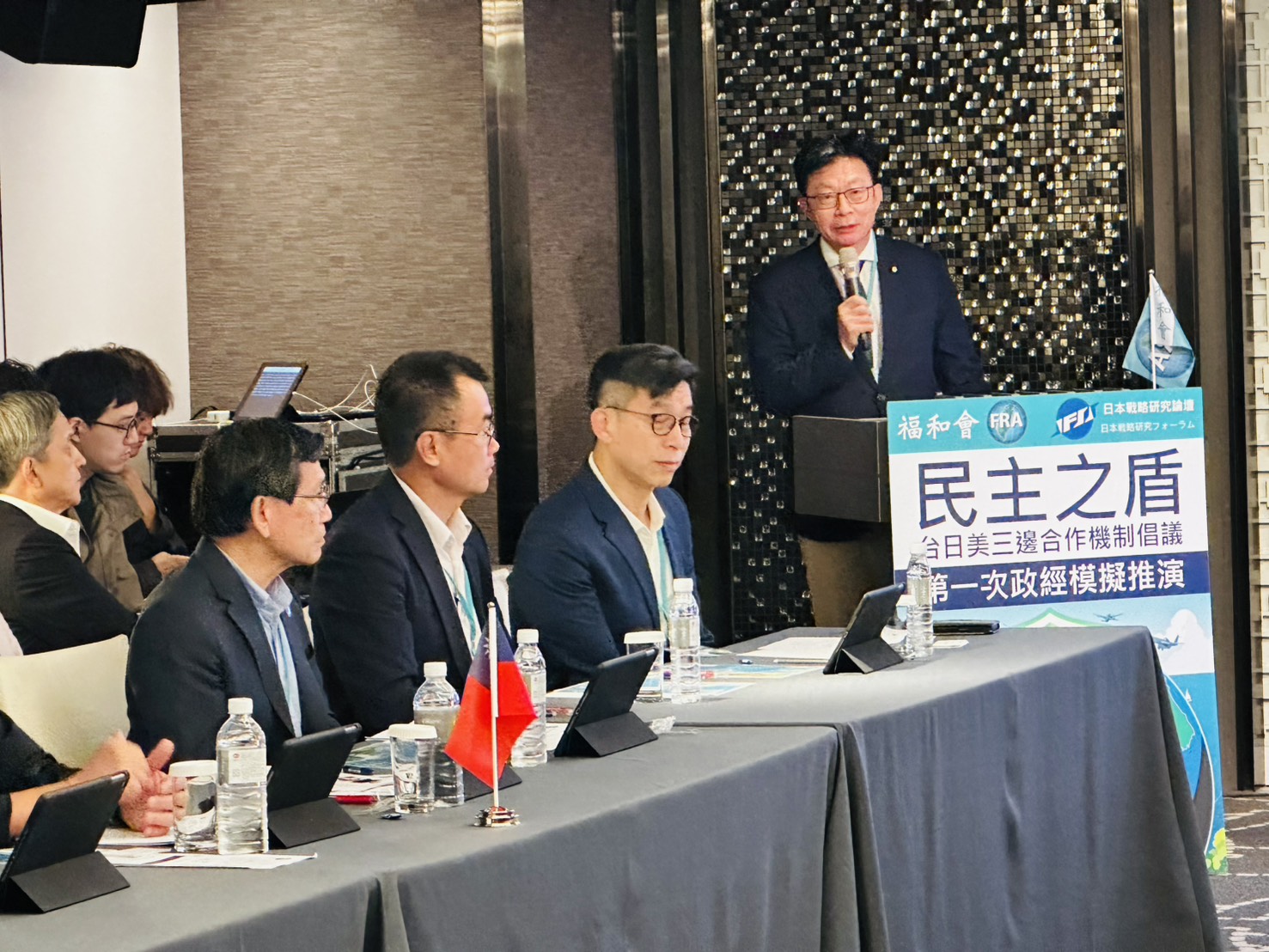
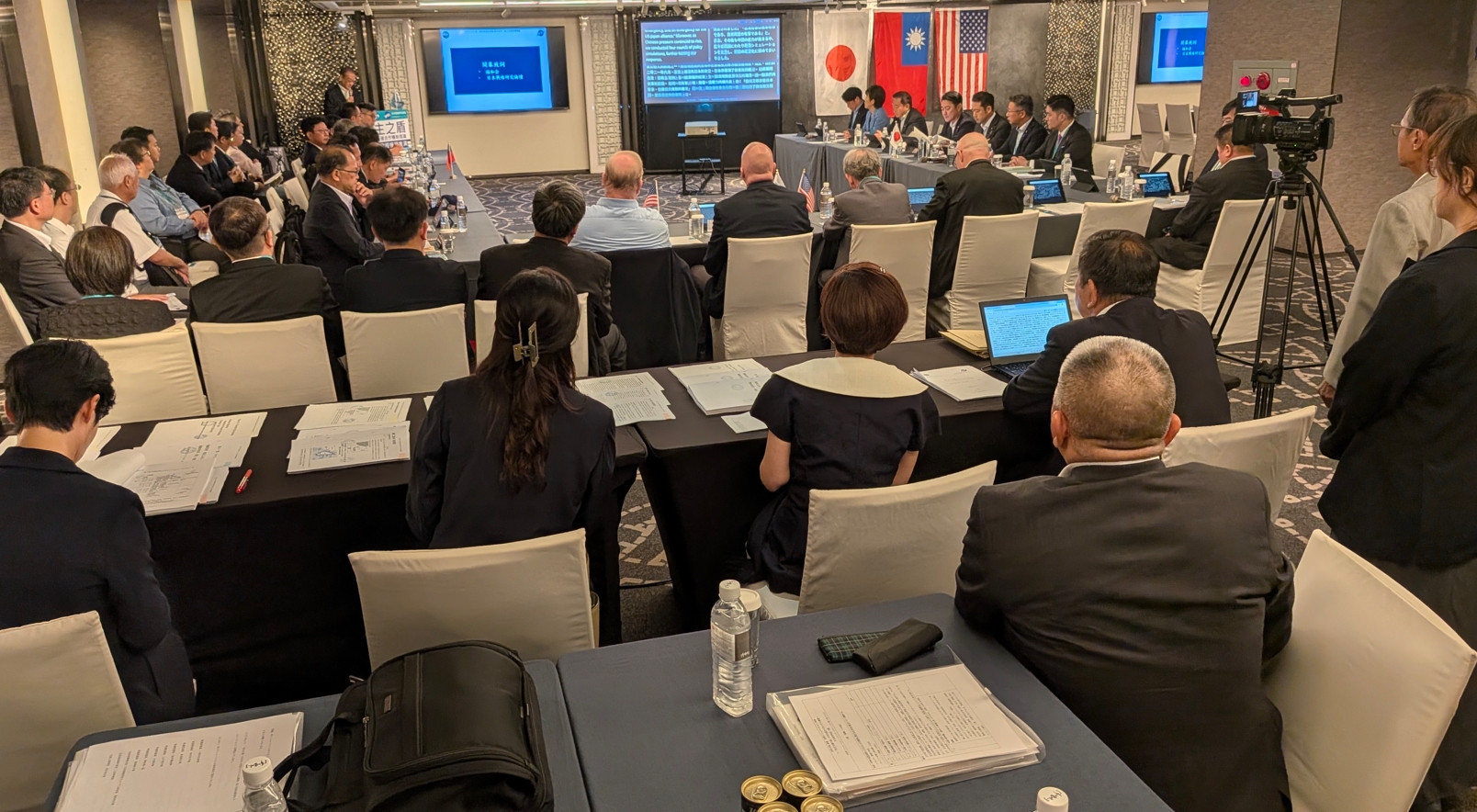
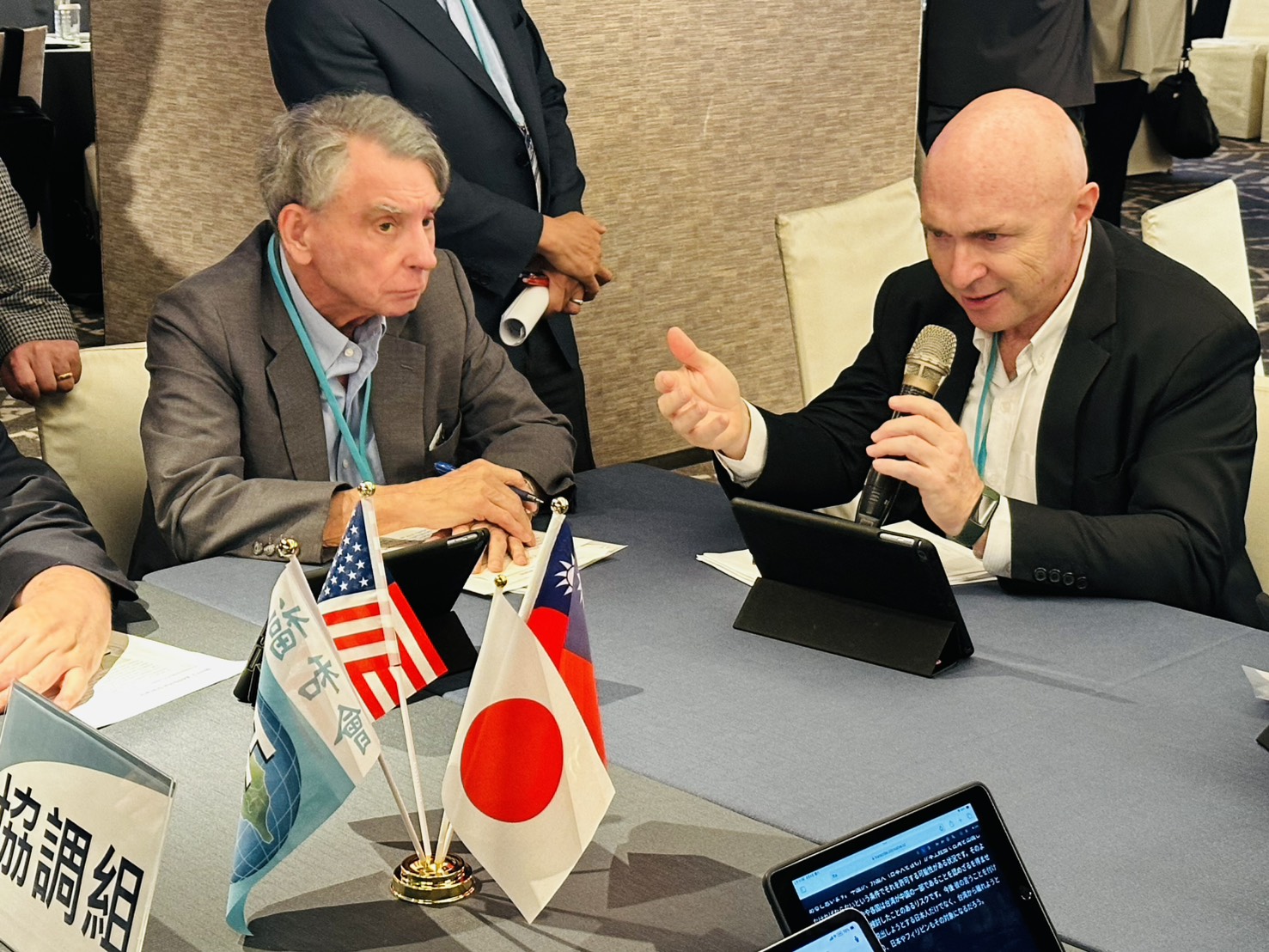
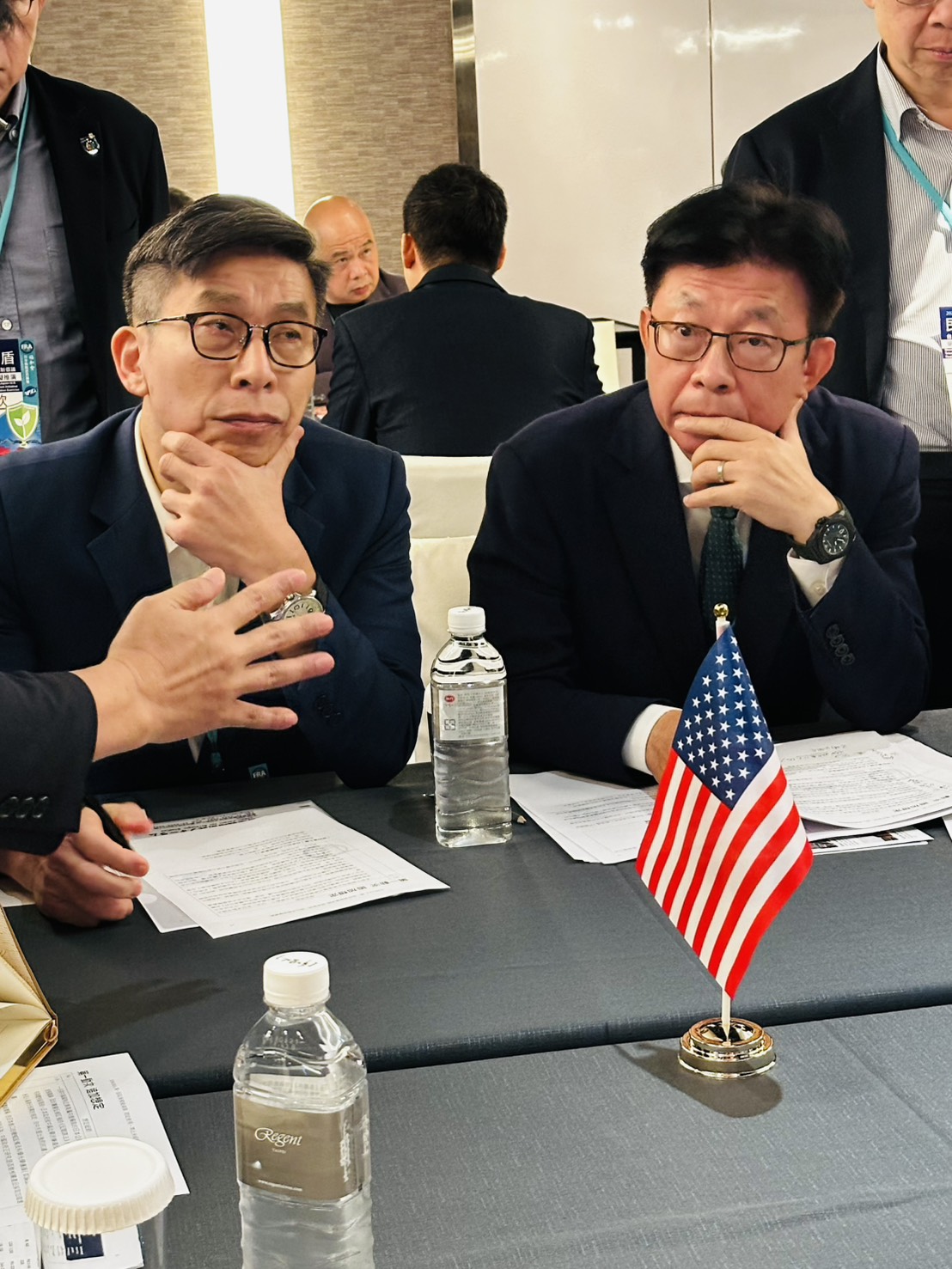
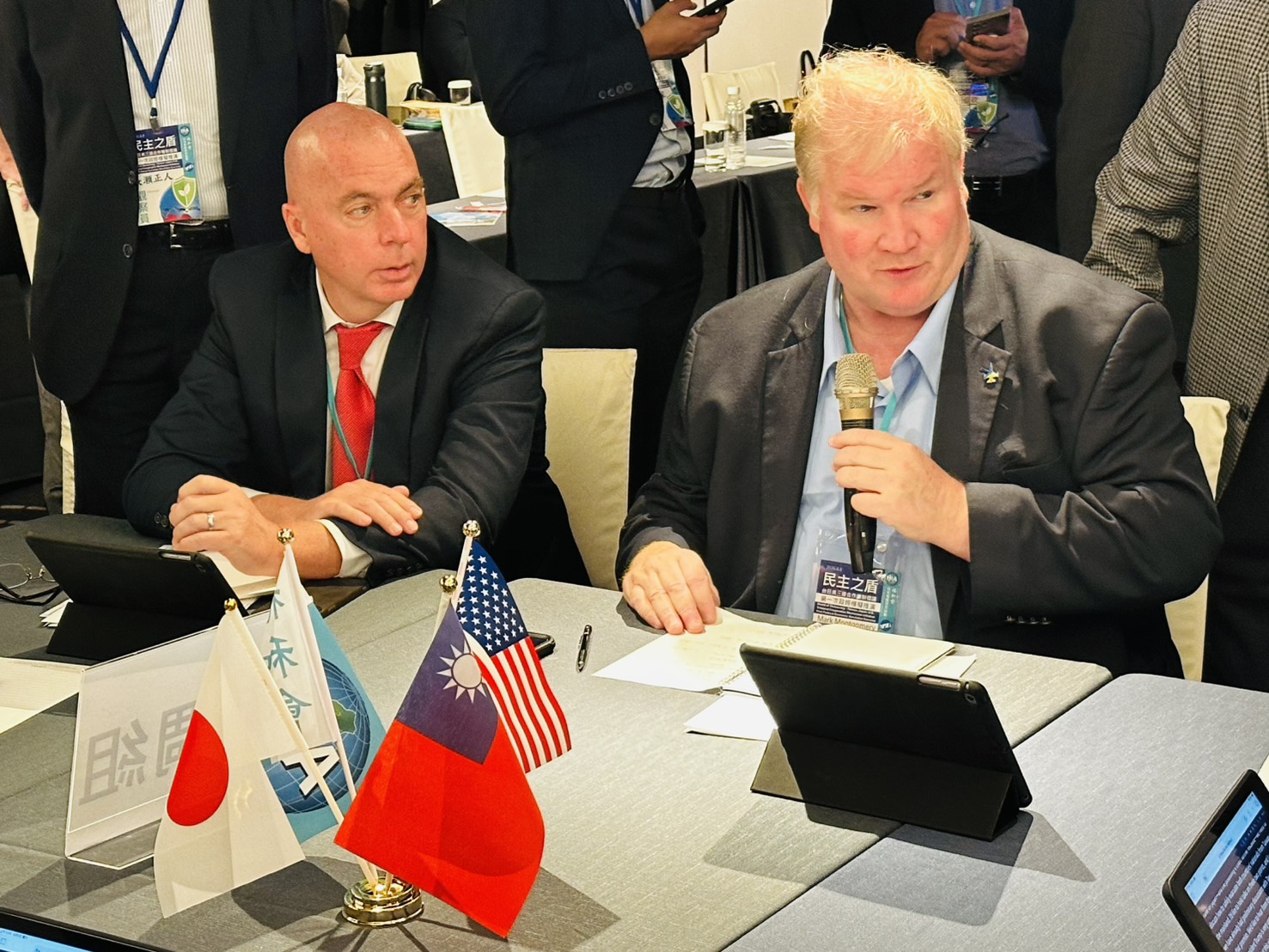
The Japan Strategic Studies Forum has for many years conducted the ‘Taiwan Strait Crisis Policy Simulation’ wargame. Beginning with the third iteration in 2023, Taiwan began sending representatives to participate. In 2024, FRA joined as a sponsor, expanding the scale of the event. In addition to leading a delegation to take part, Legislative Yuan members Chen Kuan‑ting(陳冠廷) and Kuo Kuo‑wen(郭國文) were also invited as observers.
In 2026, FRA became a co‑organizing institution, jointly planning with the Japan Strategic Studies Forum the first-ever ‘“Shield of Democracy” Taiwan–Japan–U.S. Trilateral Cooperation Mechanism Initiative: First Political‑Economic Simulation ’ to be held in Taiwan. At a time when the First Island Chain has become a critical focal point in global strategy, Taiwan’s strategic cooperation with the United States and Japan continues to deepen, and President Lai Ching‑te is actively promoting whole‑of‑society defense resilience. Although this political‑economic simulation was organized by civil society, its significance is extraordinary.
On the day before the simulation exercise, August 7, FRA together with the Japan Strategic Studies Forum and a delegation of Japanese Parliament members, visited President Lai Ching‑te. The delegation included House of Councillors member Haruko Arimura, House of Representatives members Itsunori Onodera, Takashi Yamashita, Taku Otsuka, and Yusuke Kashima; Japan Strategic Studies Forum Vice President Kazuhisa Shimada; Forum Secretary‑General Reiko Nagano; as well as several retired senior Japanese military officers.
FRA Honorary Chairman and Presidential Office National Policy Advisor Tommy Lin led the delegation, accompanied by Minister of Foreign Affairs Lin Chia‑lung(林佳龍) and Taiwan–Japan Relations Association Secretary‑General Hong Ying‑chieh(洪英傑), to the Presidential Office to meet with the President. Presidential Office Secretary‑General Pan Meng‑an(潘孟安) and National Security Council Secretary‑General Joseph Wu(吳釗燮) were also present.
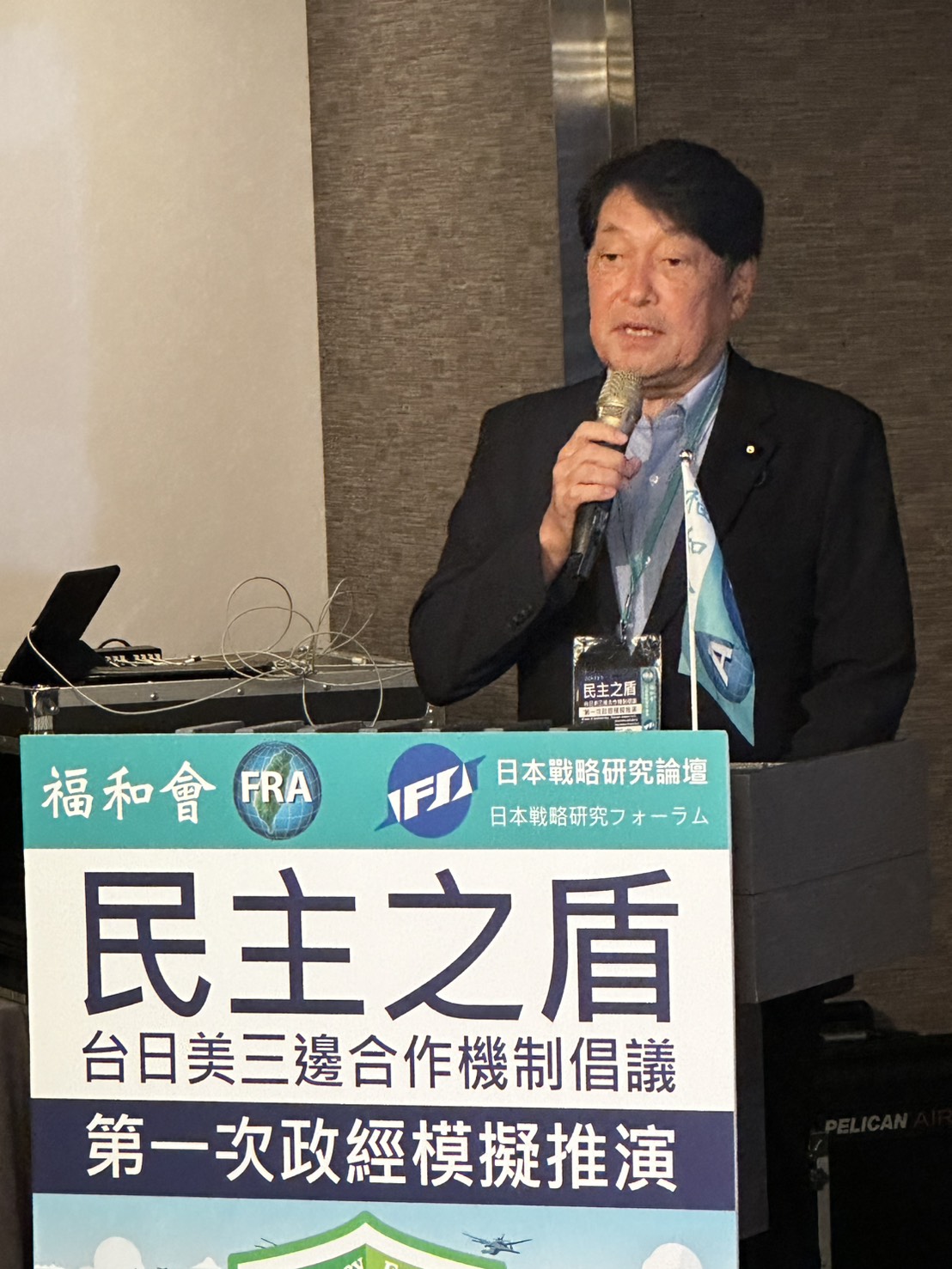
Representative Itsunori Onodera emphasized that, to ensure peace in the East Asian region, Japan, Taiwan, and the United States must work closely together and remain fully prepared at all times for any potential contingencies. The Japan Strategic Studies Forum has conducted numerous simulation exercises in the past. With FRA now serving as a co‑organizer, the Forum is conducting a simulation in Taiwan for the first time. He expressed confidence that through continued drills and preparations, this effort can become an important deterrent force for safeguarding regional peace.
The delegation then paid a visit to the Ministry of Foreign Affairs, where Minister Lin Chia‑lung received them. Minister Lin noted that, following the Kumamoto earthquake, the Ministry immediately established a special donation account. To date, more than 15,000 donations have been received—excluding contributions from corporations such as TSMC—and the total amount has already exceeded NT$200 million, fully demonstrating Taiwan’s deep friendship with Japan.
Representative Itsunori Onodera expressed his gratitude for Taiwan’s concern and assistance during the Kumamoto disaster. He reiterated that the Japan Strategic Studies Forum has long conducted policy simulations, and that this first-ever exercise in Taiwan, jointly convened with FRA and involving relevant participants from Japan, Taiwan, and the United States, aims to analyze emergency response approaches and deepen mutual exchange of experience.
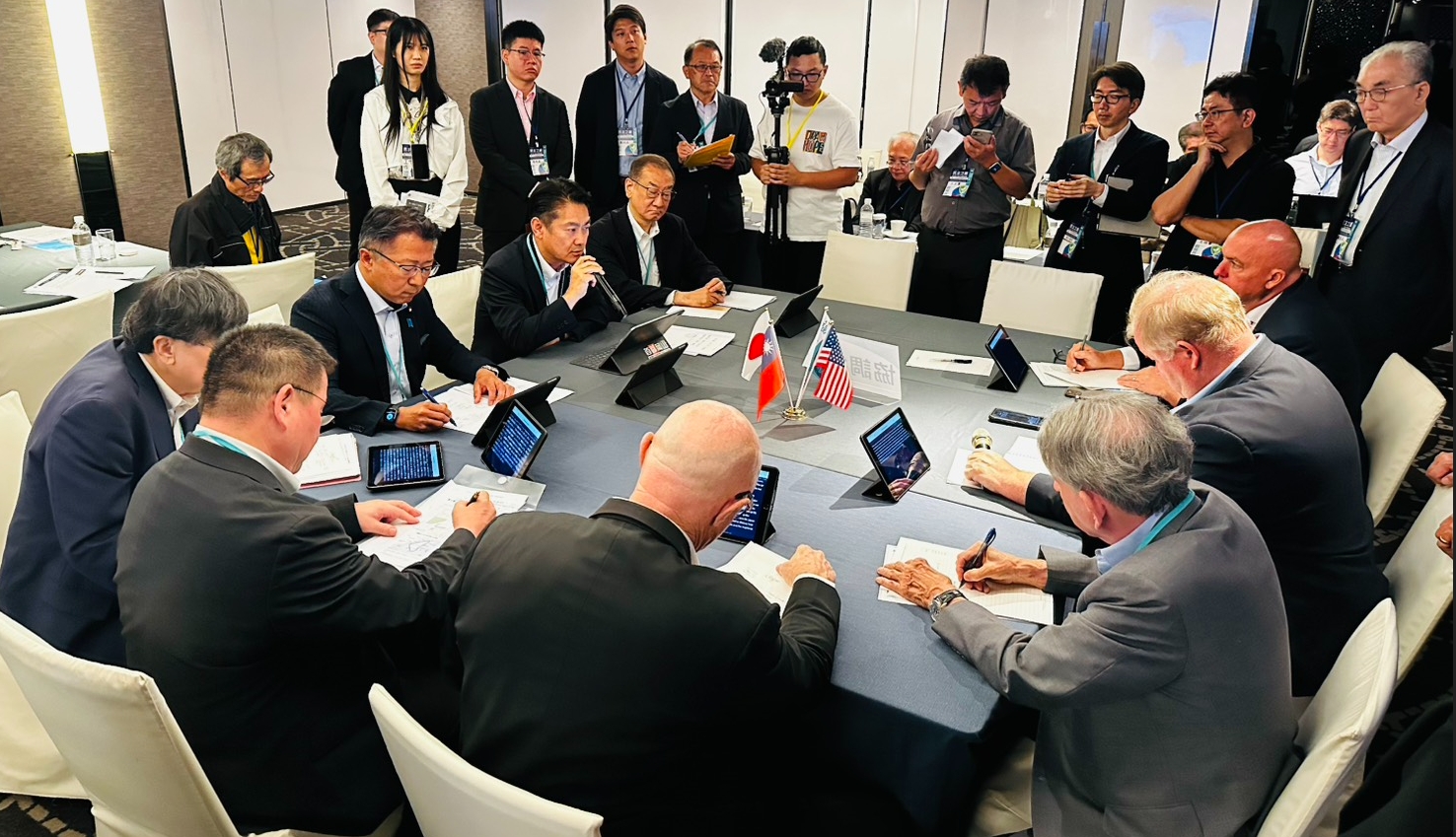
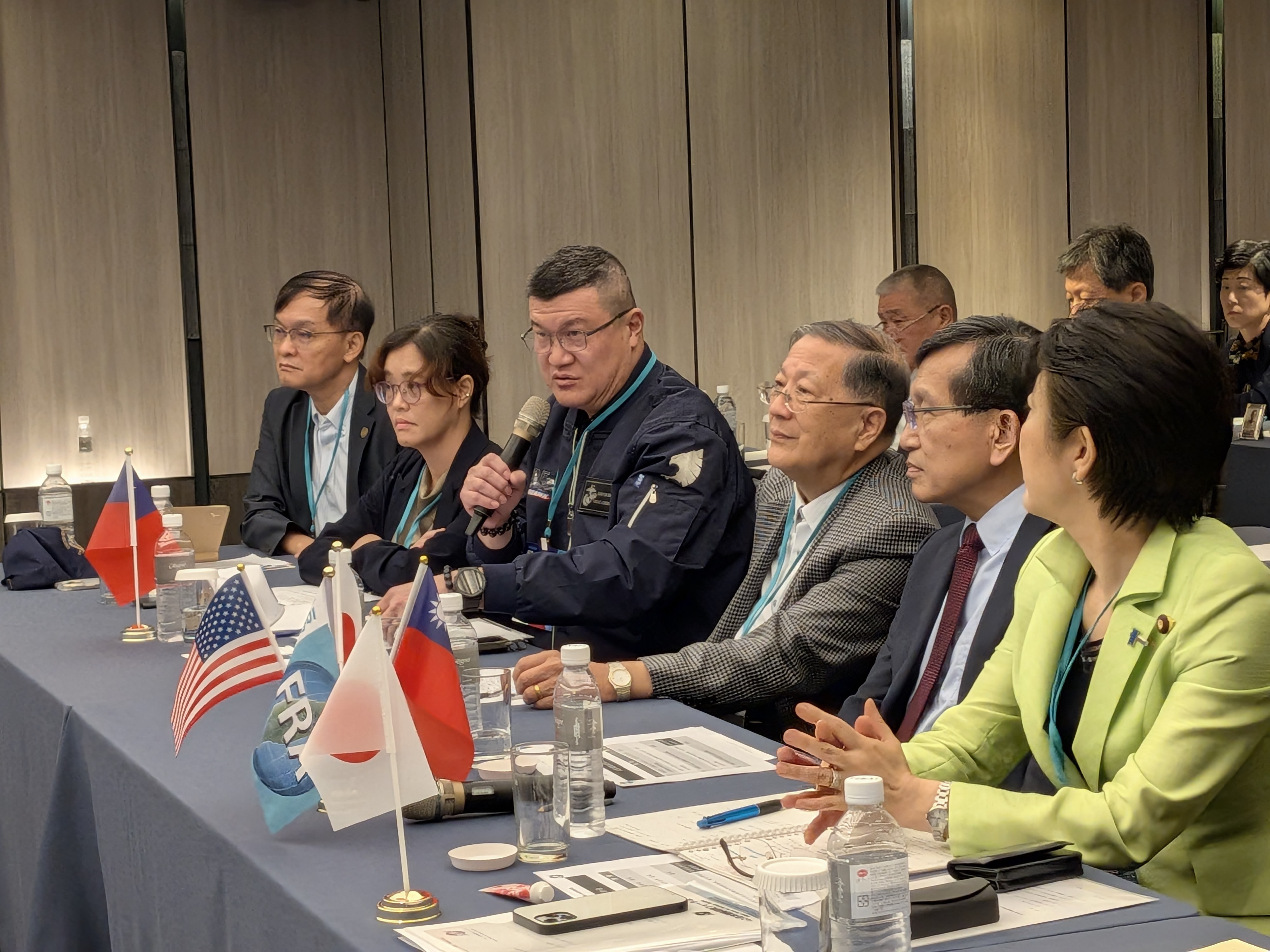
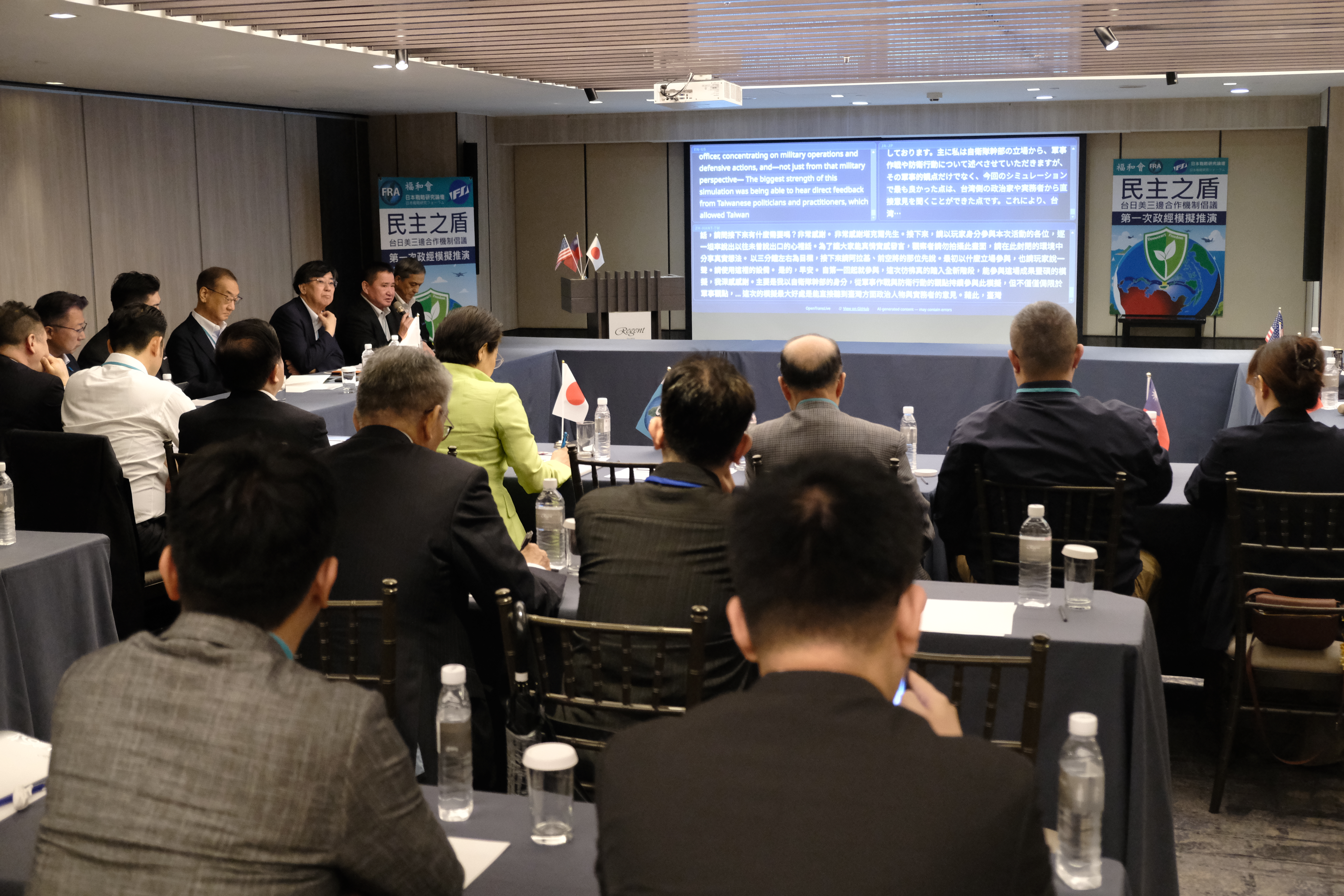
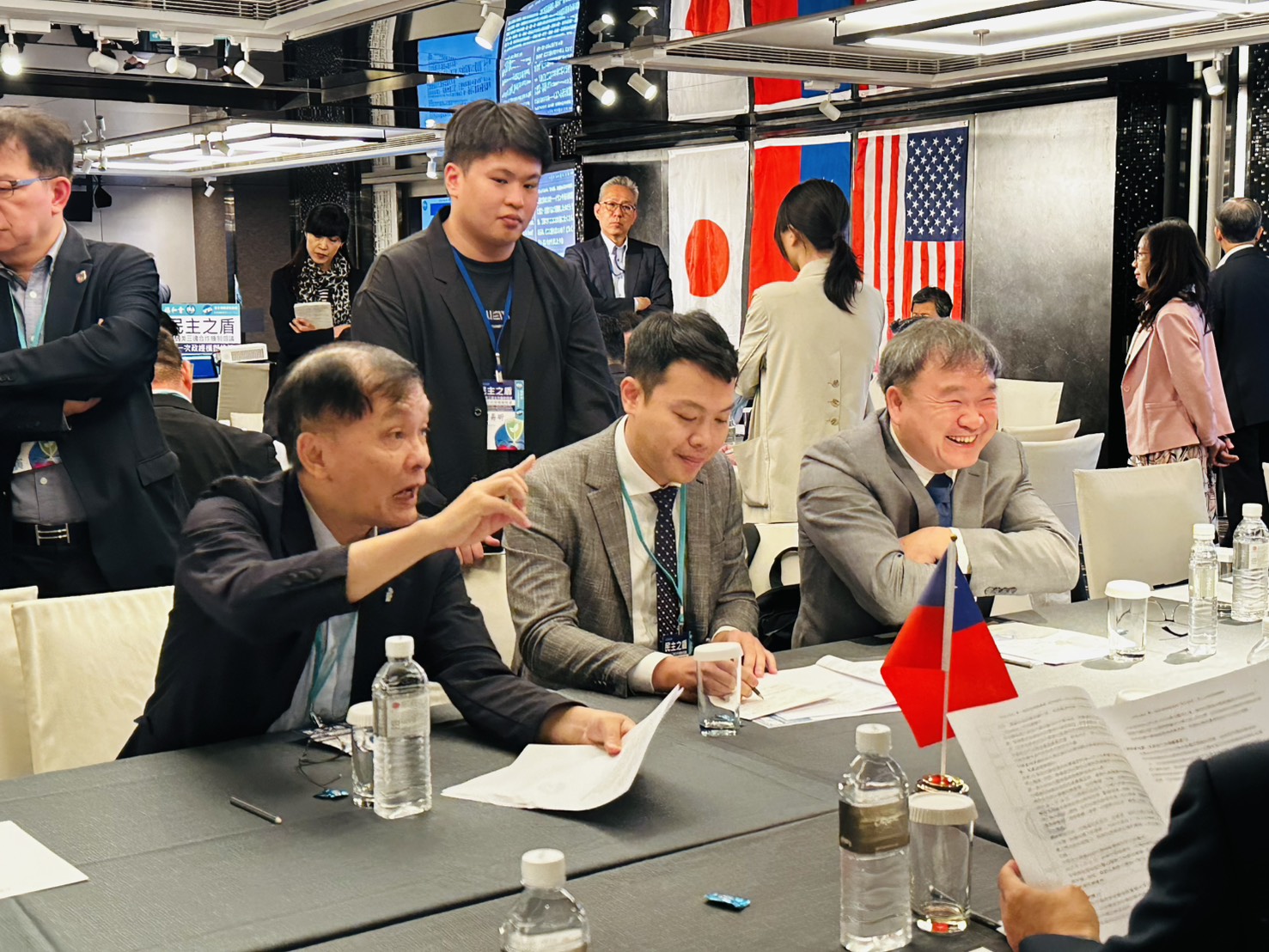
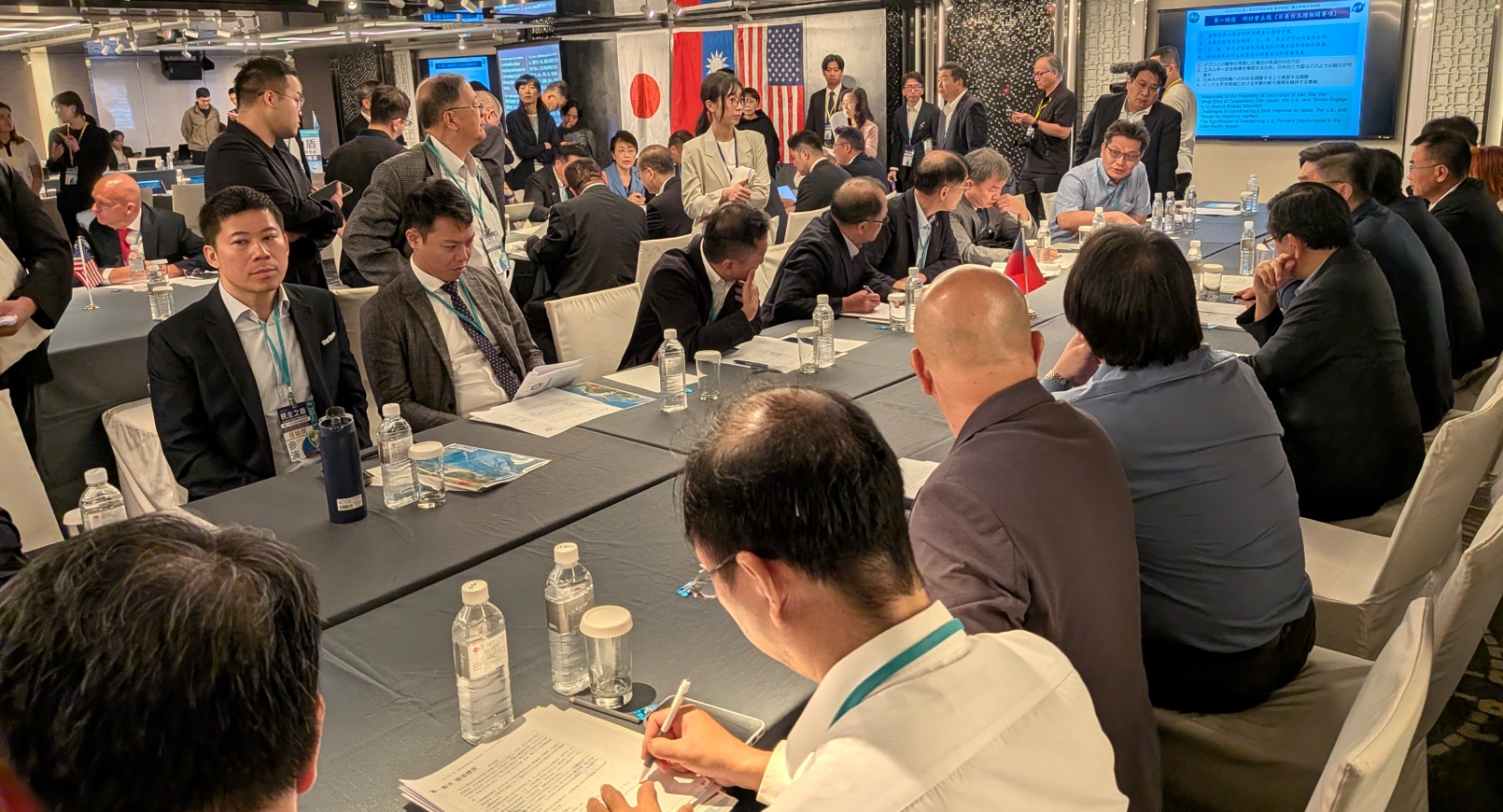
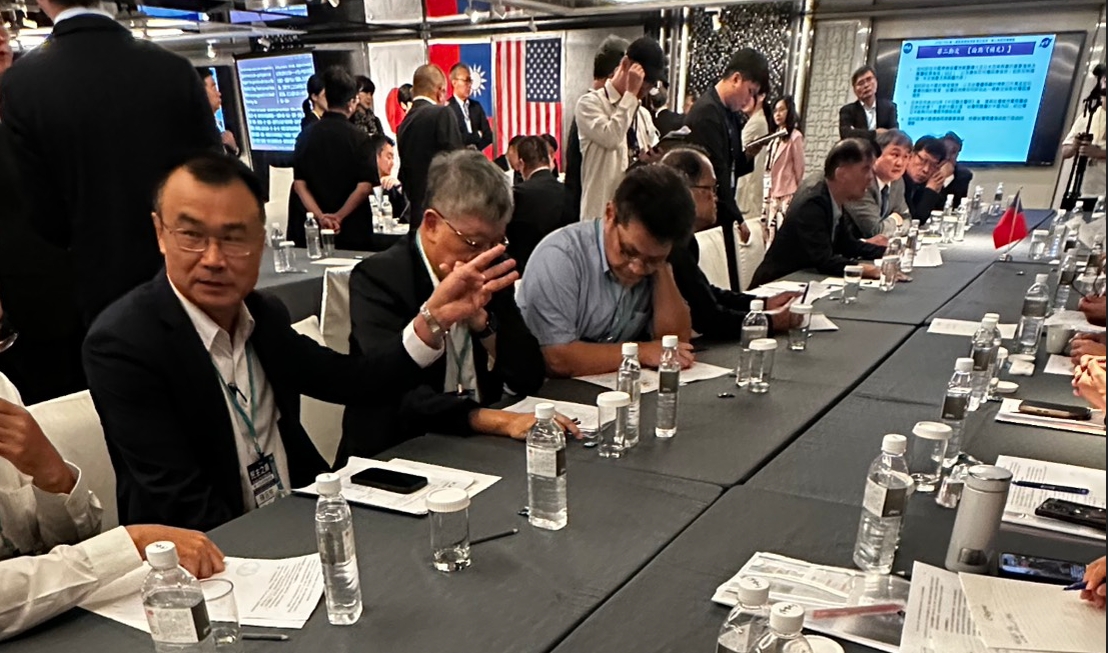
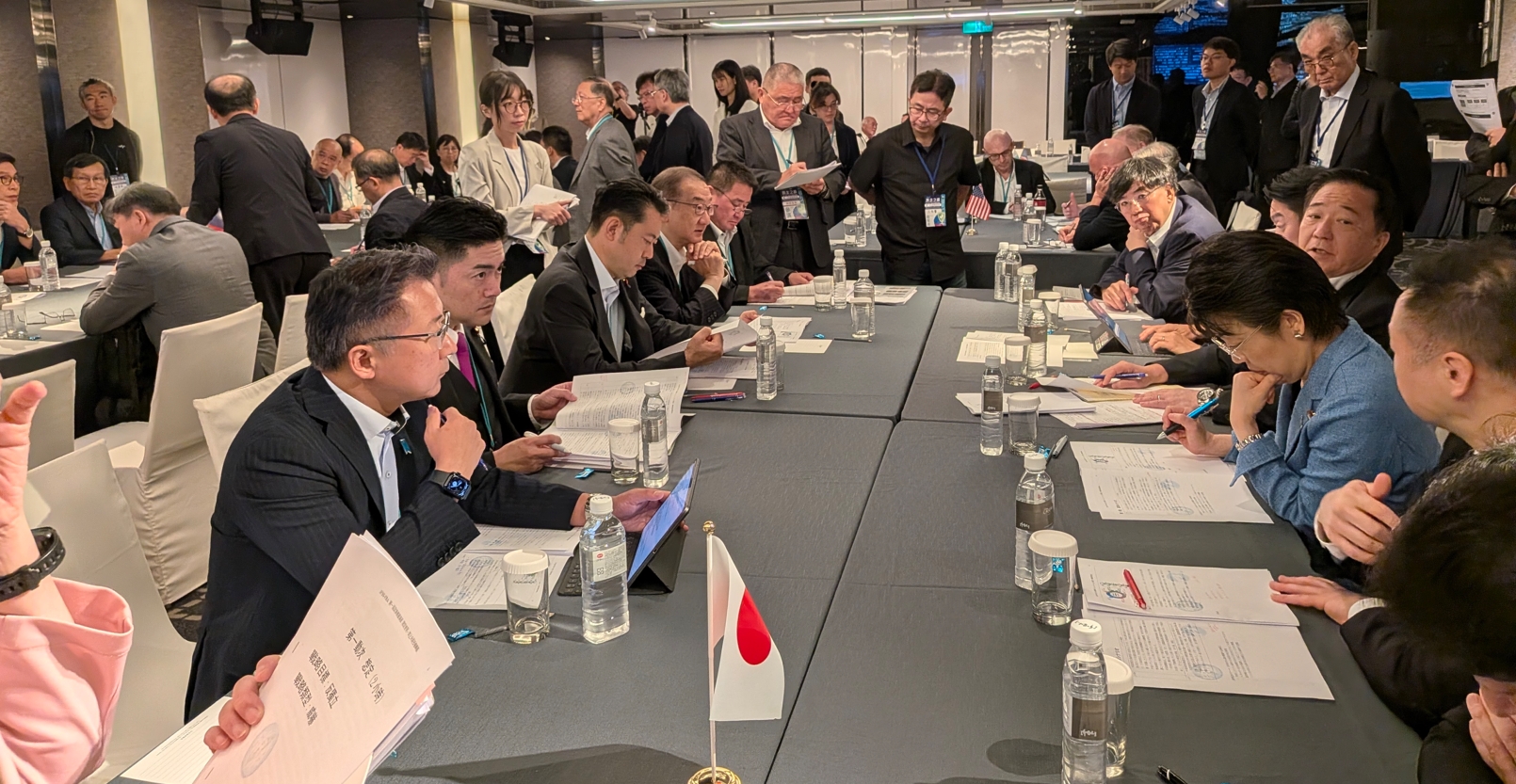
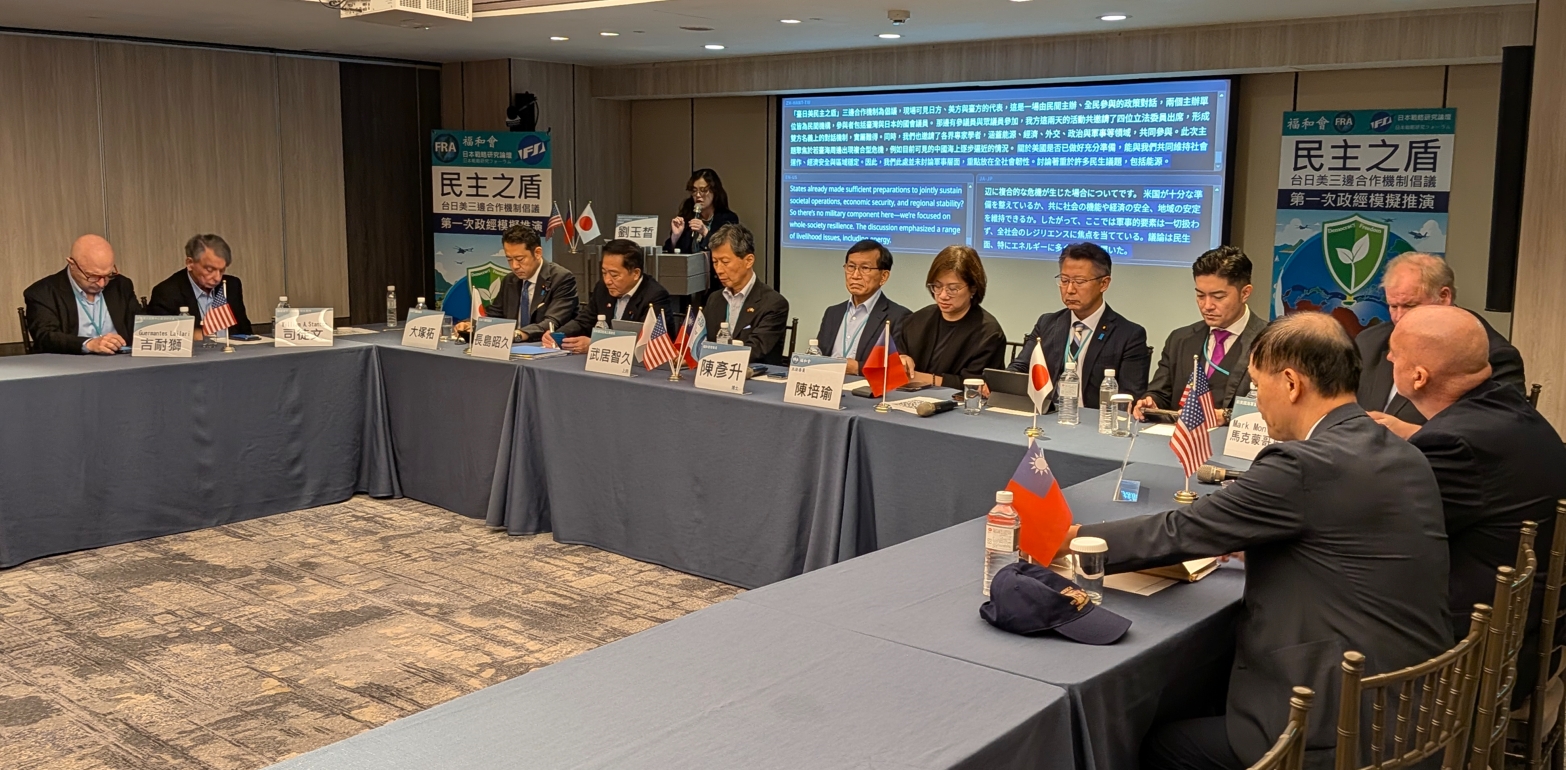
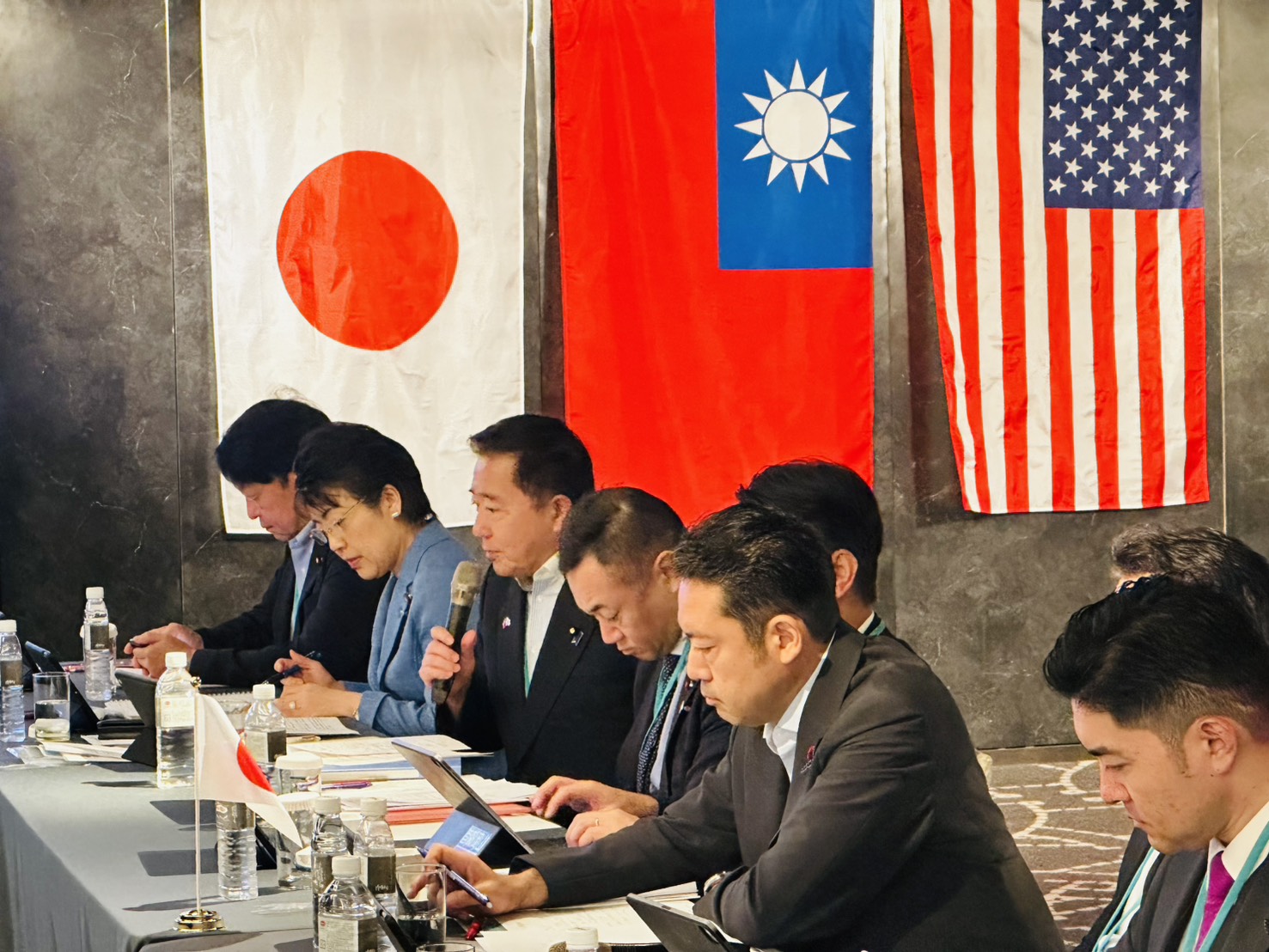
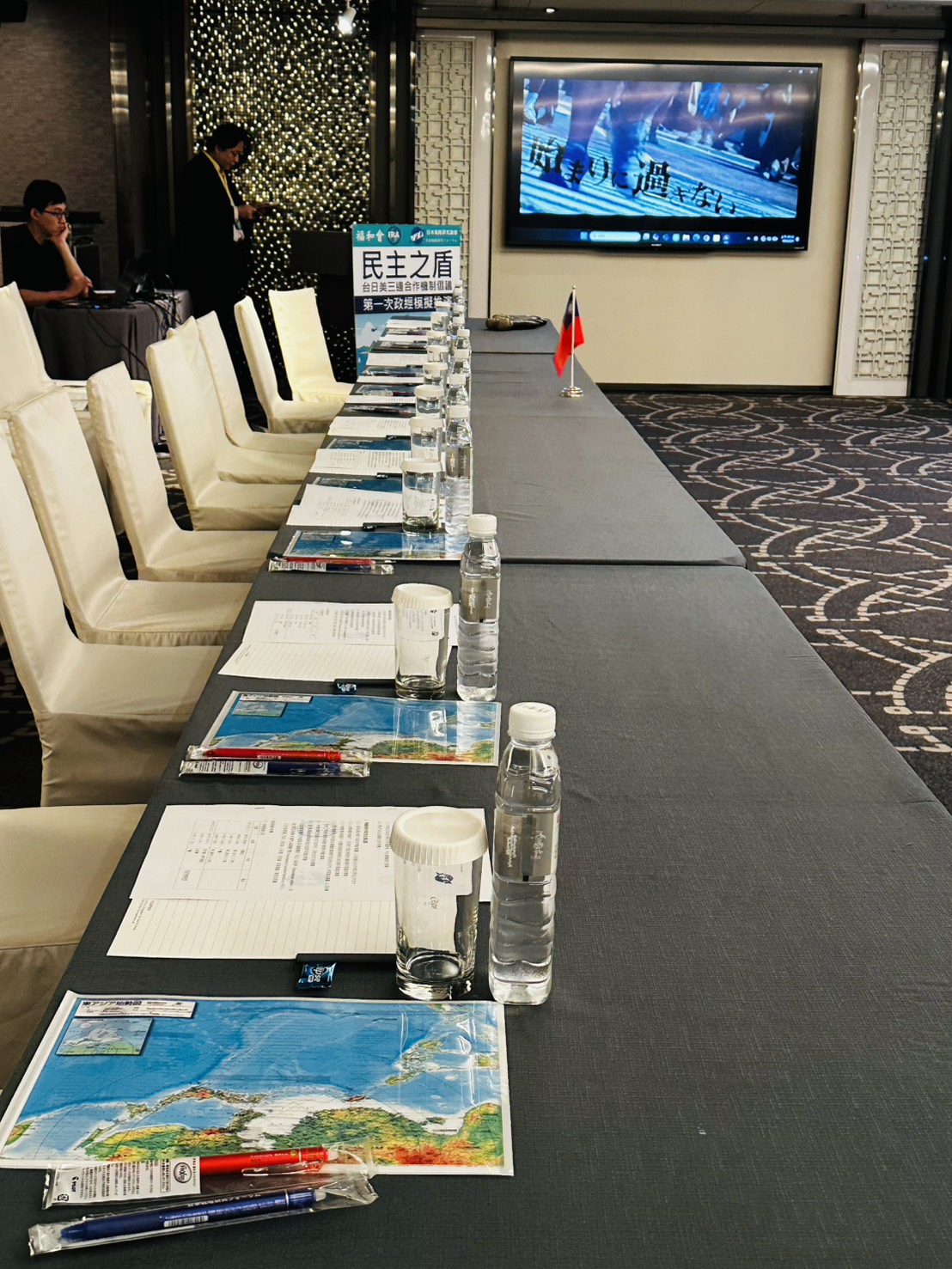
On August 8, the ‘“Shield of Democracy” Taiwan–Japan–U.S. Trilateral Cooperation Mechanism Initiative: First Political‑Economic Simulation ’ was conducted. The Japanese participants included:
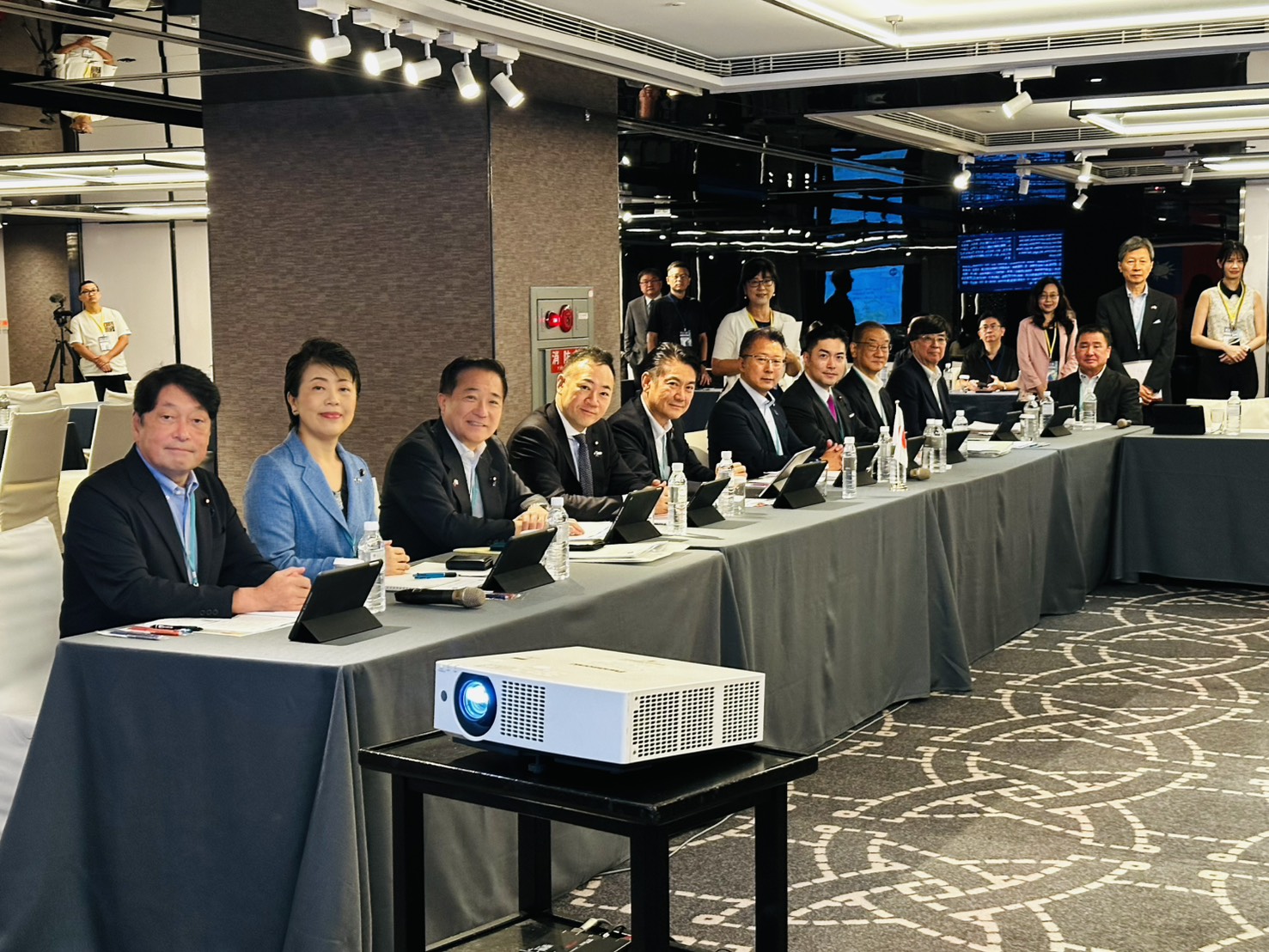
Eight members of the Japanese Parliament, namely:
Itsunori Onodera, Member of the House of Representatives
Haruko Arimura, Member of the House of Councillors
Akihisa Nagashima, Member of the House of Representatives
Keisuke Suzuki, Member of the House of Representatives
Keisuke Suzuki, Member of the House of Representatives
Taku Otsuka, Member of the House of Representatives
Junichi Kanda, Member of the House of Representatives
Yusuke Kashima, Member of the House of Representatives
Three retired senior officers participated, namely:
Kiyofumi Iwata, 34th Chief of Staff, Japan Ground Self‑Defense Force
Tomohisa Takei, 32nd Chief of Staff, Japan Maritime Self‑Defense Force
Toshiya Okabe, 35th Chief of Staff, Japan Ground Self‑Defense Force
In addition, Japan Strategic Studies Forum Vice President Kazuhisa Shimada, Secretary‑General Reiko Nagano, Sankei Shimbun Editor‑in‑Chief Makiko Takita, and others—19 participants in total—took part.
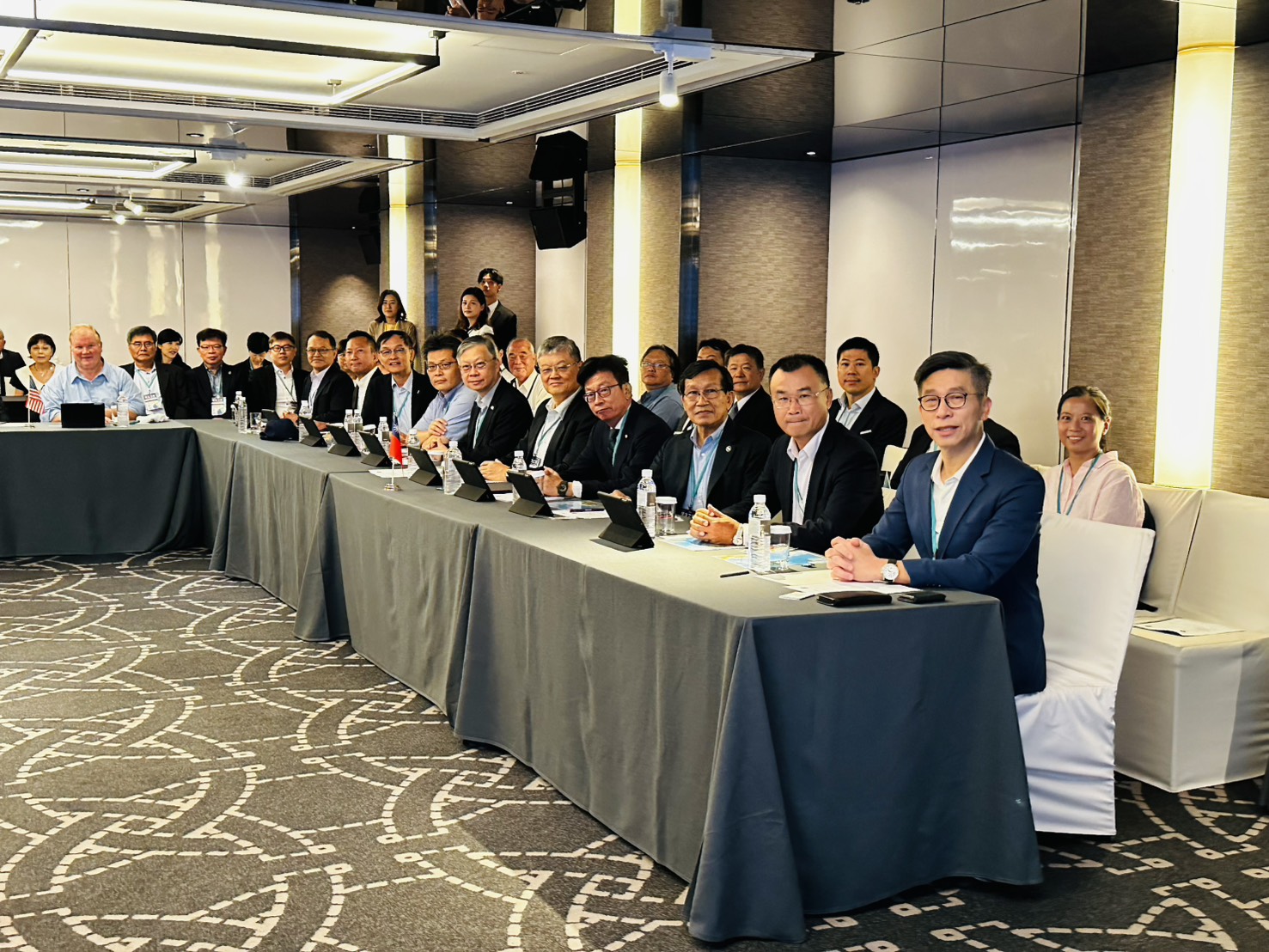
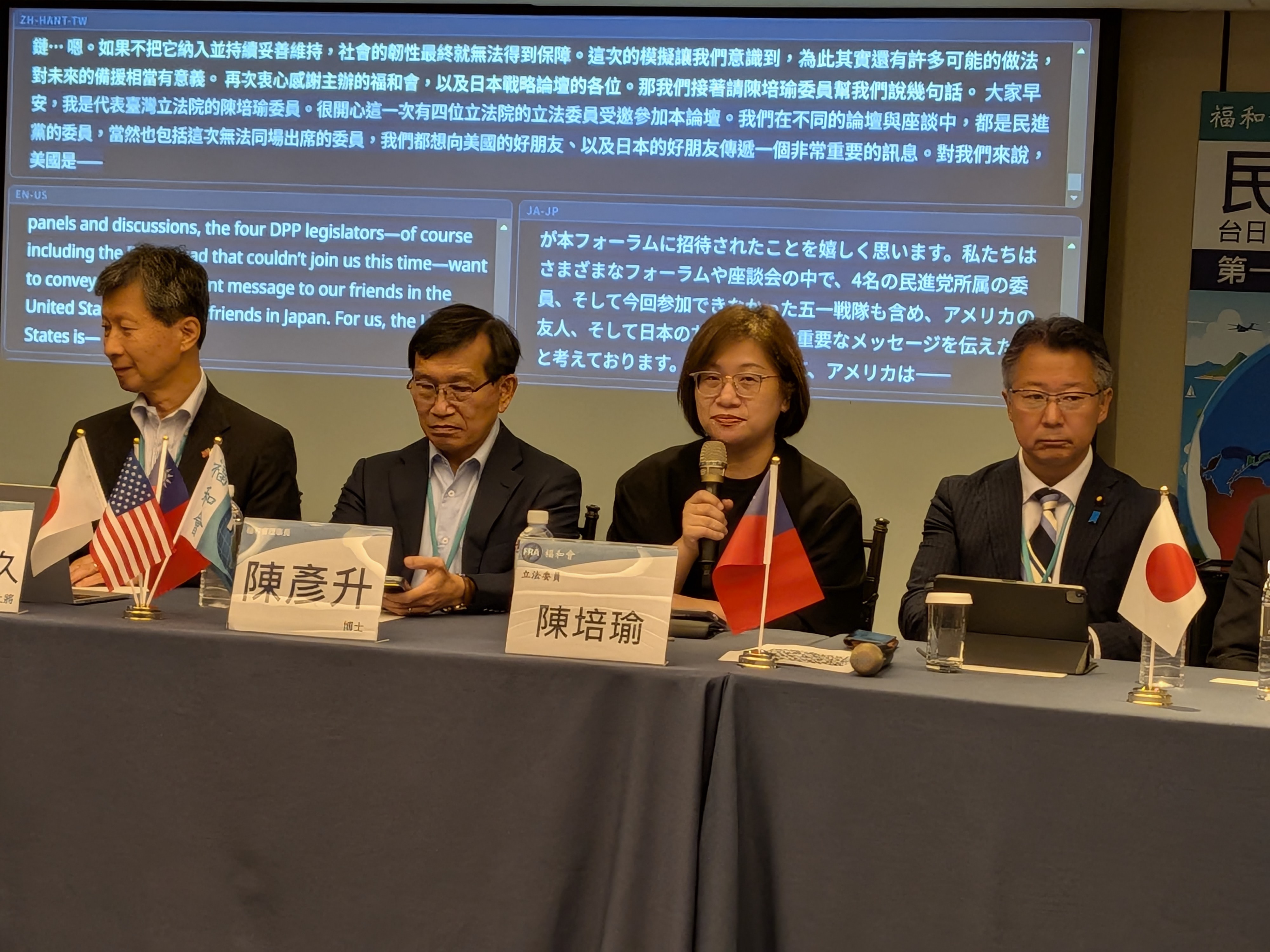
Taiwan’s participants included Legislators Chung Chia‑pin(鍾佳濱), Kuo Kuo‑wen, Lee Kun‑cheng(李坤城), and Chen Pei‑yu(陳培瑜); Liu Yu‑shi(劉玉皙), member of the Presidential Office’s Whole‑of‑Society Defense Resilience Committee; as well as National Security Council advisors, former ministers and deputy ministers, chairpersons of state‑owned enterprises related to strategic materials, scholars, representatives from the Black Bear Academy, and others. FRA Chairman Dr. Jason YS Chen(陳彥升),FRA Advisor General Yu Tsung‑chi(余宗基) and Professor Lee Ming‑chun(李明峻) also took part. In total, 30 participants joined the exercise, with an additional 24 observers from various sectors.
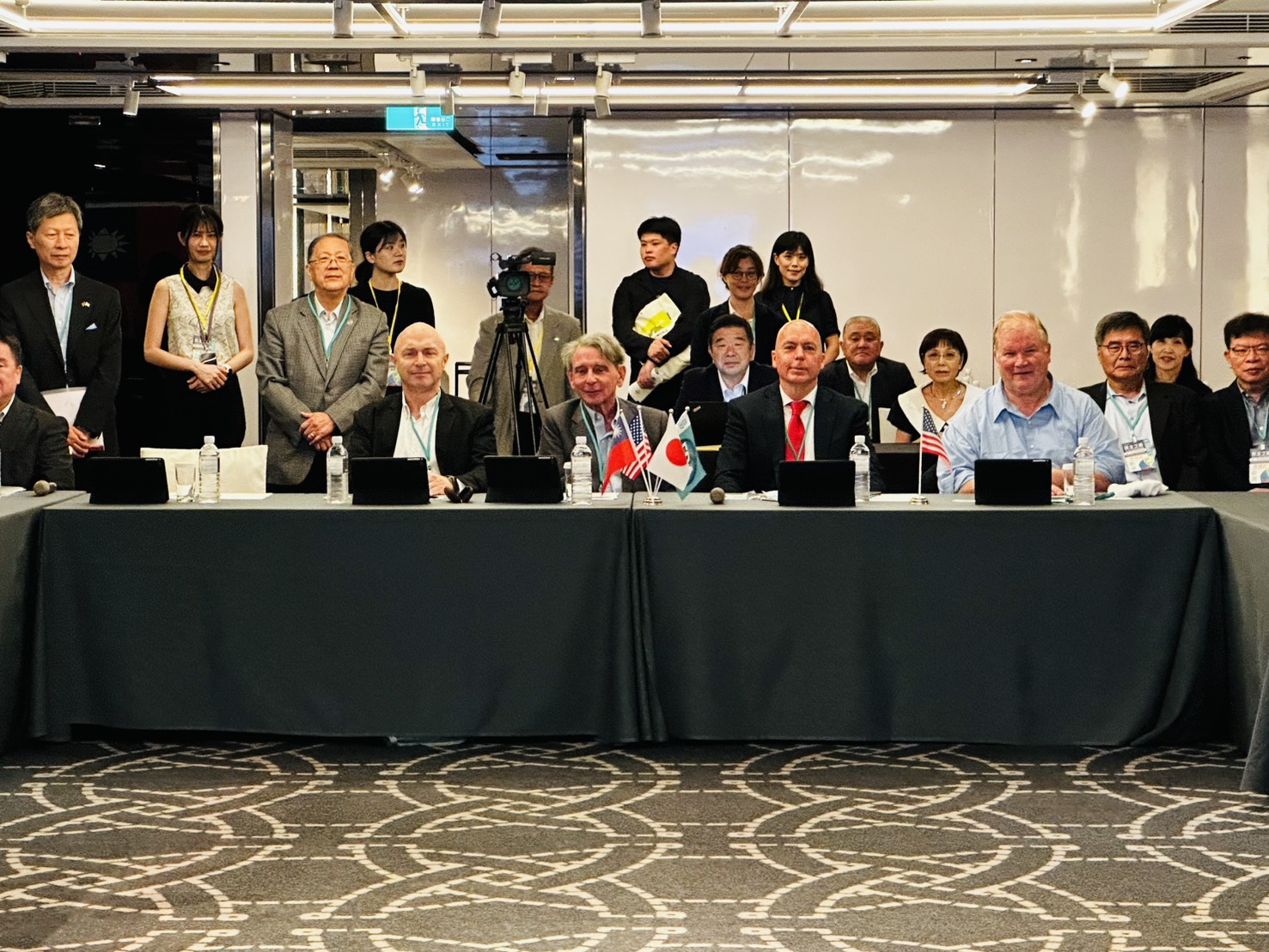
The U.S. team consisted of four participants, namely:
Dr. Robert D. Eldridge, Advisor, Japan Strategic Studies Forum
Admiral Mark Montgomery, Former Commander, U.S. Seventh Fleet
Dr. William Anthony Stanton(司徒文), Former Director of the American Institute in Taiwan (AIT) Taipei Office
Mr. Guermantes Lailari(吉耐獅), Senior Fellow,US Jewish Policy Center
Throughout the full‑day political‑economic simulation exercise, discussions were highly energetic and substantive, sparking many new ideas among participants regarding various forms of cooperation across the First Island Chain.
On August 9, a concluding briefing was first held, followed by a press conference. At the conference, Admiral Montgomery emphasized that maintaining the capability for secure navigation is of critical importance — including guiding commercial vessels and providing rescue operations — and that cross‑national interoperability must be planned in advance. This topic generated lively discussion during the simulation. Admiral Montgomery also praised President Lai Ching‑te and his administration for their outstanding performance in strengthening societal resilience. However, he noted that the challenges facing Taiwan’s societal resilience now extend beyond the domestic sphere and therefore require close cooperation with partners and allies, particularly the United States and Japan.
Representative Akihisa Nagashima affirmed that this policy simulation effectively served as a platform for policy exchange between Taiwanese and Japanese lawmakers, helping to compensate for the absence of formal diplomatic relations between Taiwan and Japan. He also commended Taiwan’s work on societal defense resilience, noting that in areas such as information warfare, Taiwan has many practices from which Japan can learn. Japan, on the other hand, has comparative strengths in energy reserves and supply‑chain diversification. He stressed that mutual understanding, learning, and information exchange are extremely important, and that similar policy simulations should continue.
Representative Junichi Kanda remarked that the exercise helped various issues and challenges gradually surface. Representative Yusuke Kashima likewise stated that the simulation highlighted the importance of information‑sharing among Taiwan, the United States, and Japan.
Legislator Chen Pei‑yu stated that Taiwan hopes to convey to the international community that it is actively strengthening whole‑of‑society defense resilience, encompassing areas such as essential materials, transportation, medical services, cognitive warfare, and humanitarian assistance. She emphasized that the government seeks to lead the Taiwanese people in maintaining communication and exchange with the international community, while simultaneously enhancing Taiwan’s capabilities to their optimal state.
FRA Chairman Dr. Jason YS Chen stated: ‘Our friends from the three countries all expressed that, whenever circumstances permit, they are very willing to cooperate closely, support one another, and provide mutual assistance. Under various possible future scenarios, such cooperation will allow us to resolve challenges more effectively. This is the most important takeaway from the exercise.’