Conservatism Domestic International About
2026
2025
2024
2023
2022
2021
2020
2019
2018
Previous Events

FRA 2023 National Defense Forum

2023.10.28

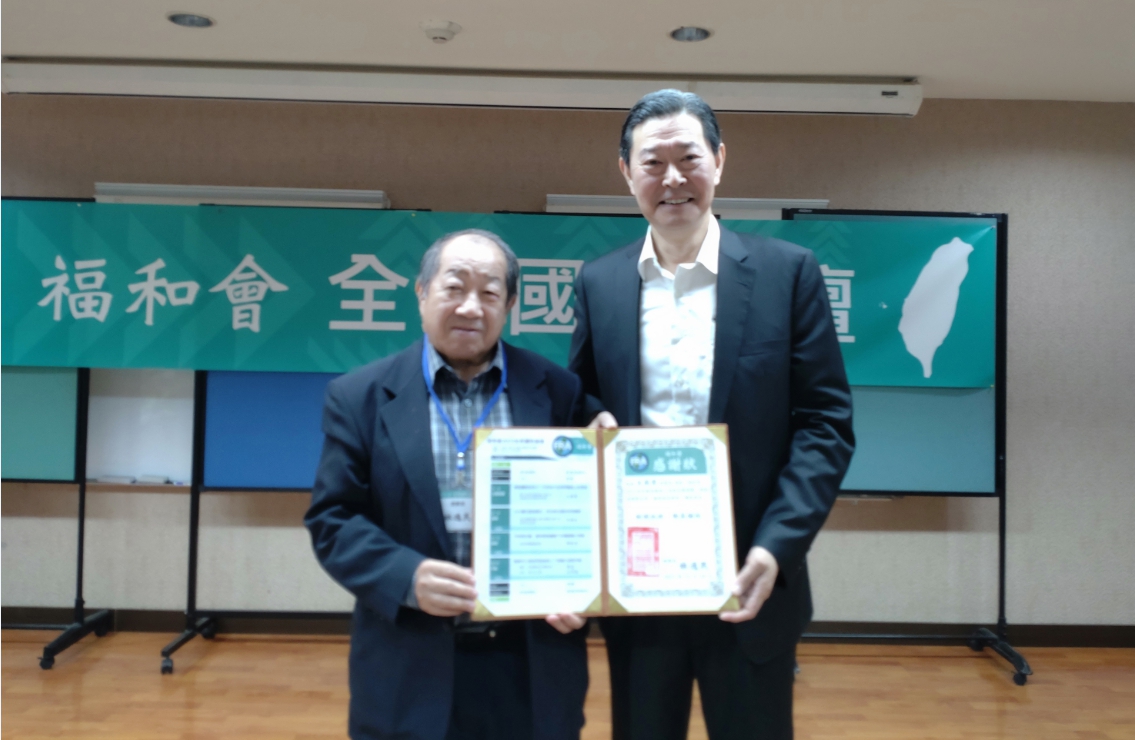
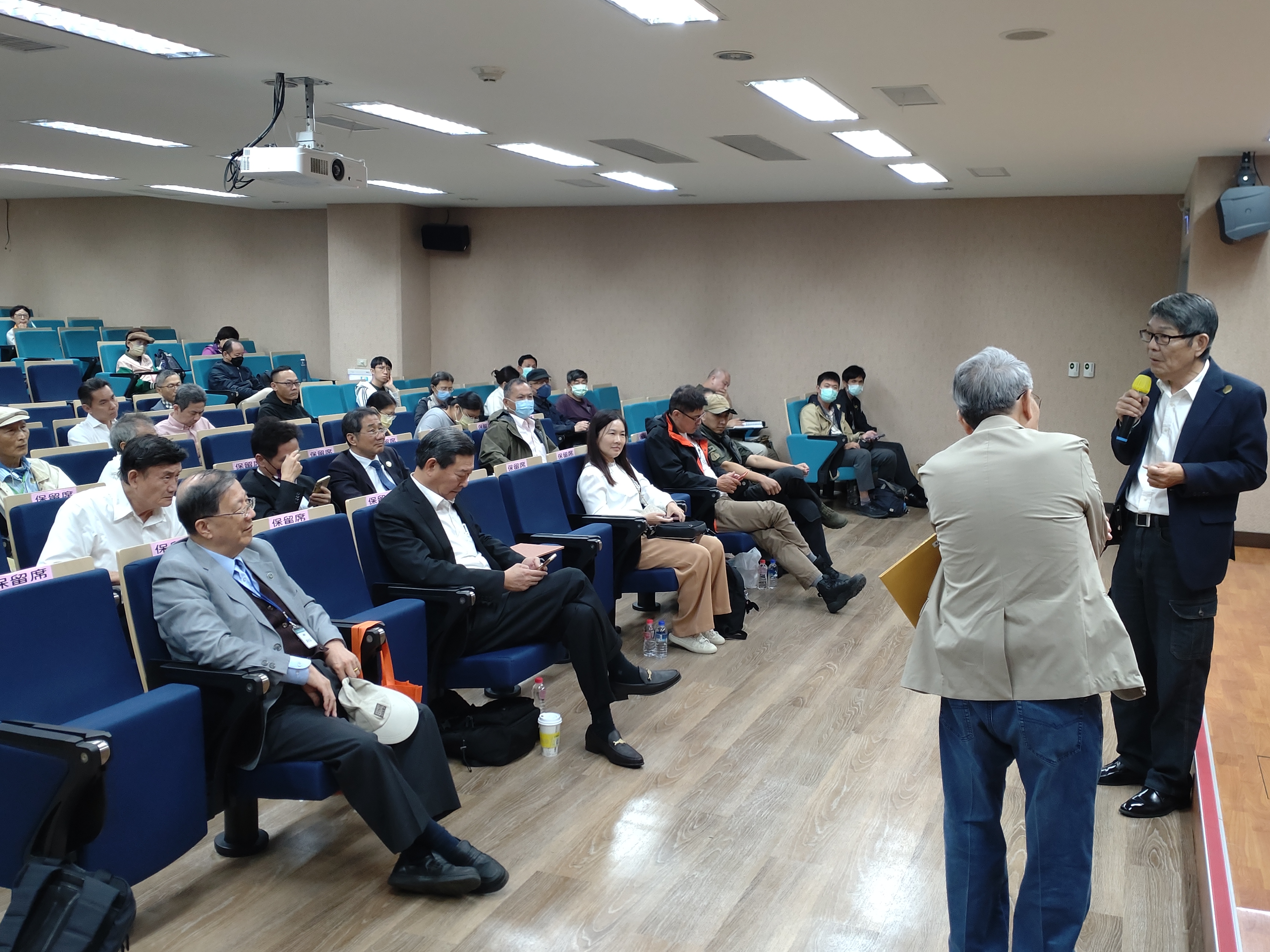
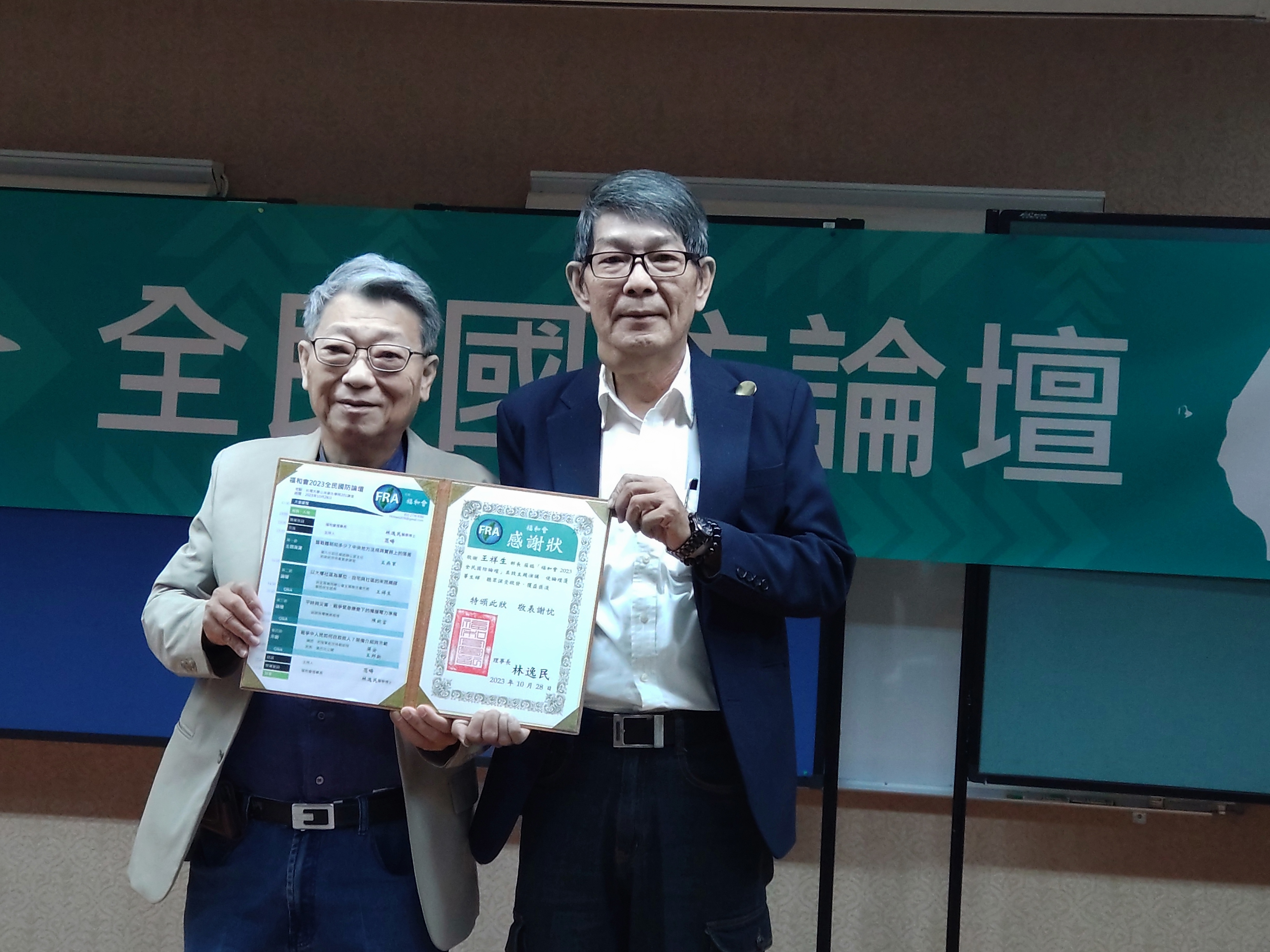
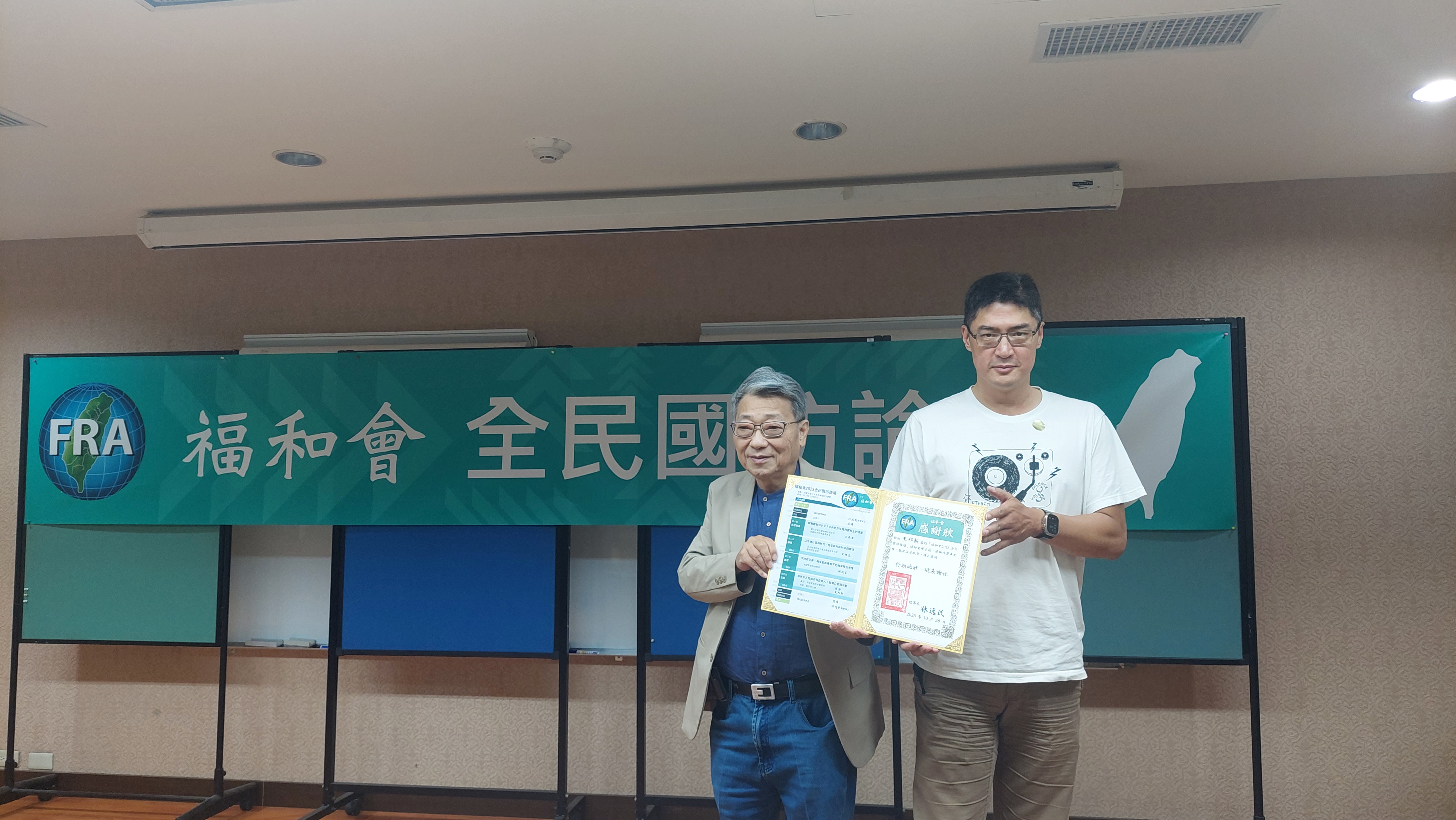
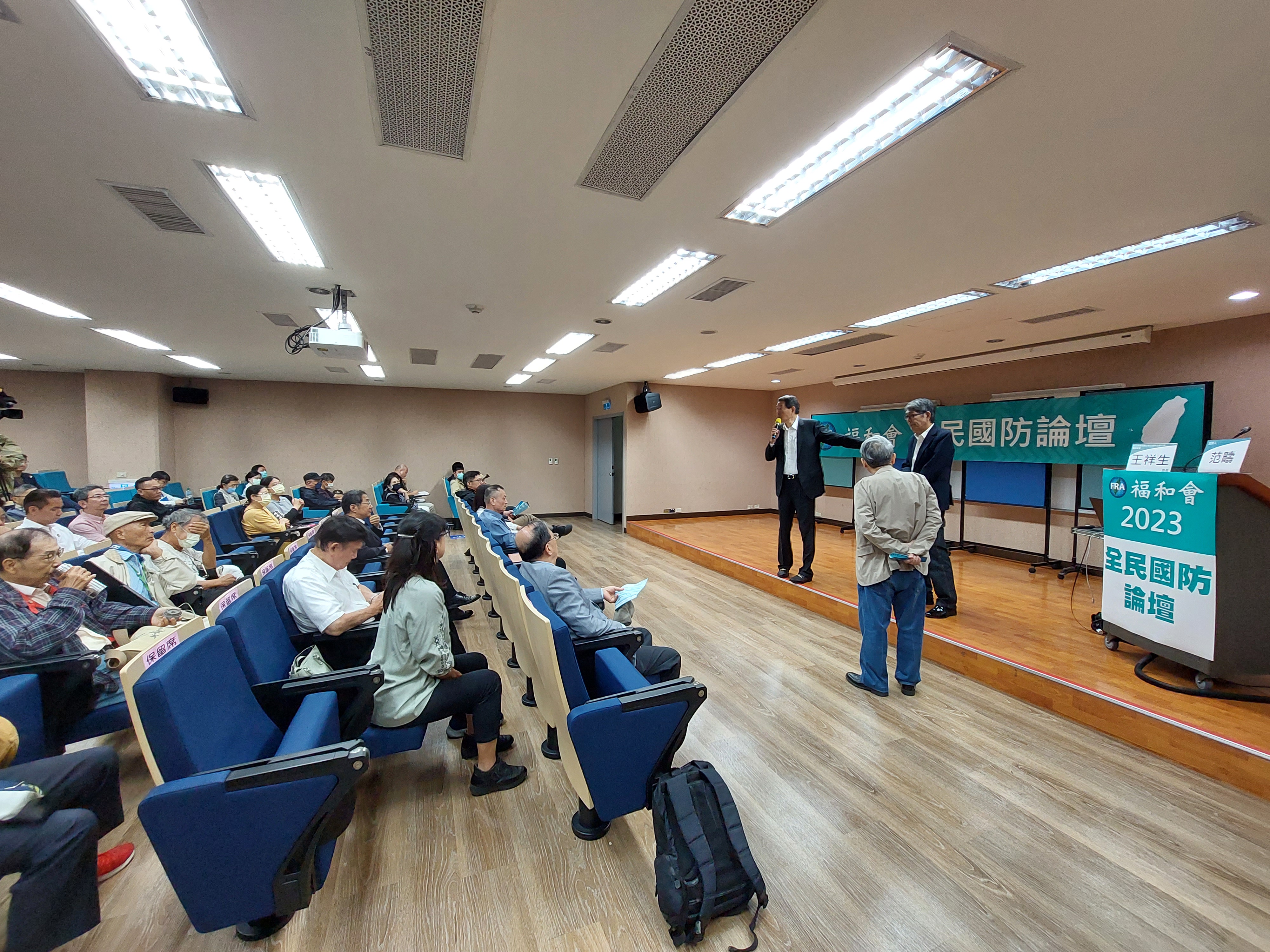
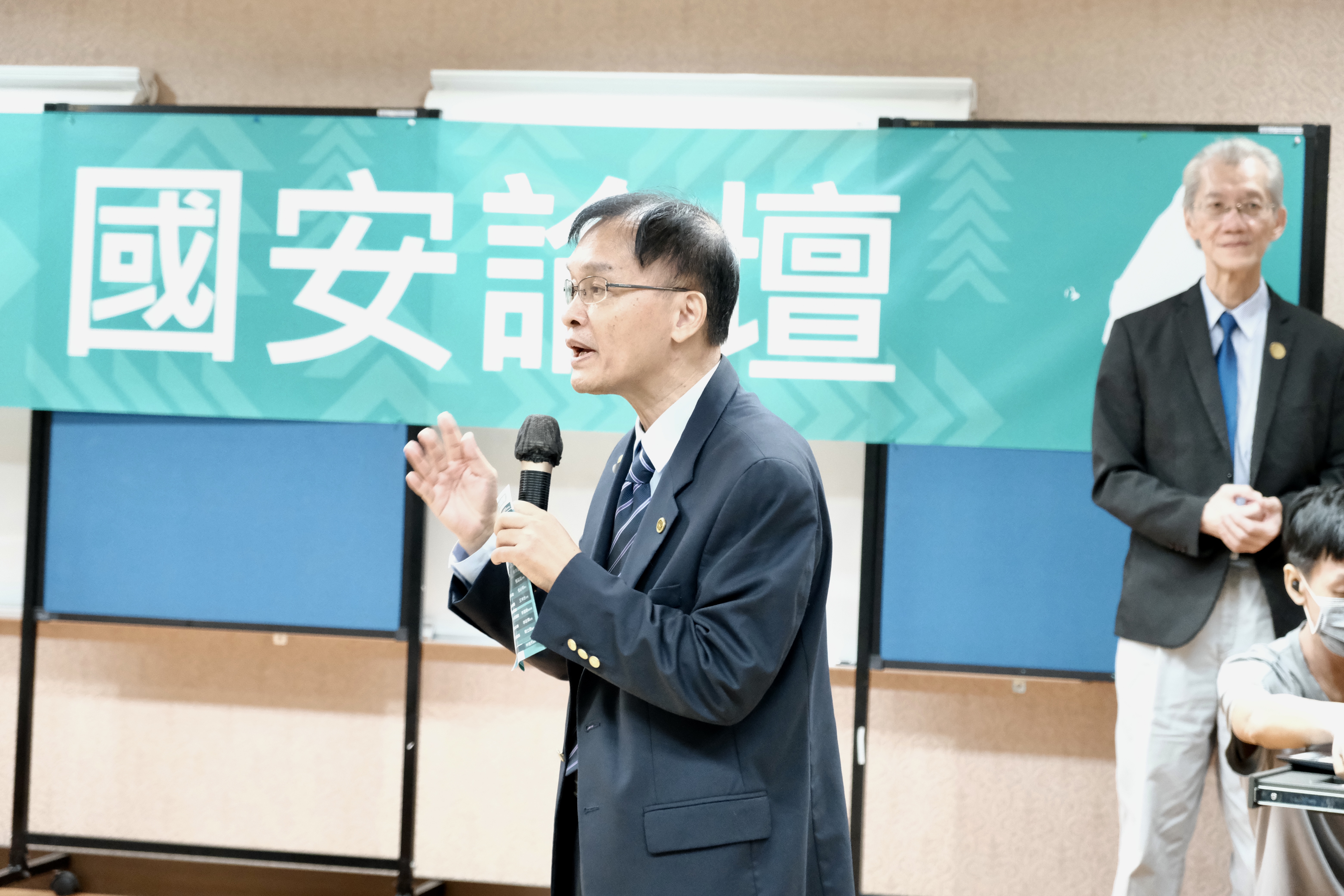
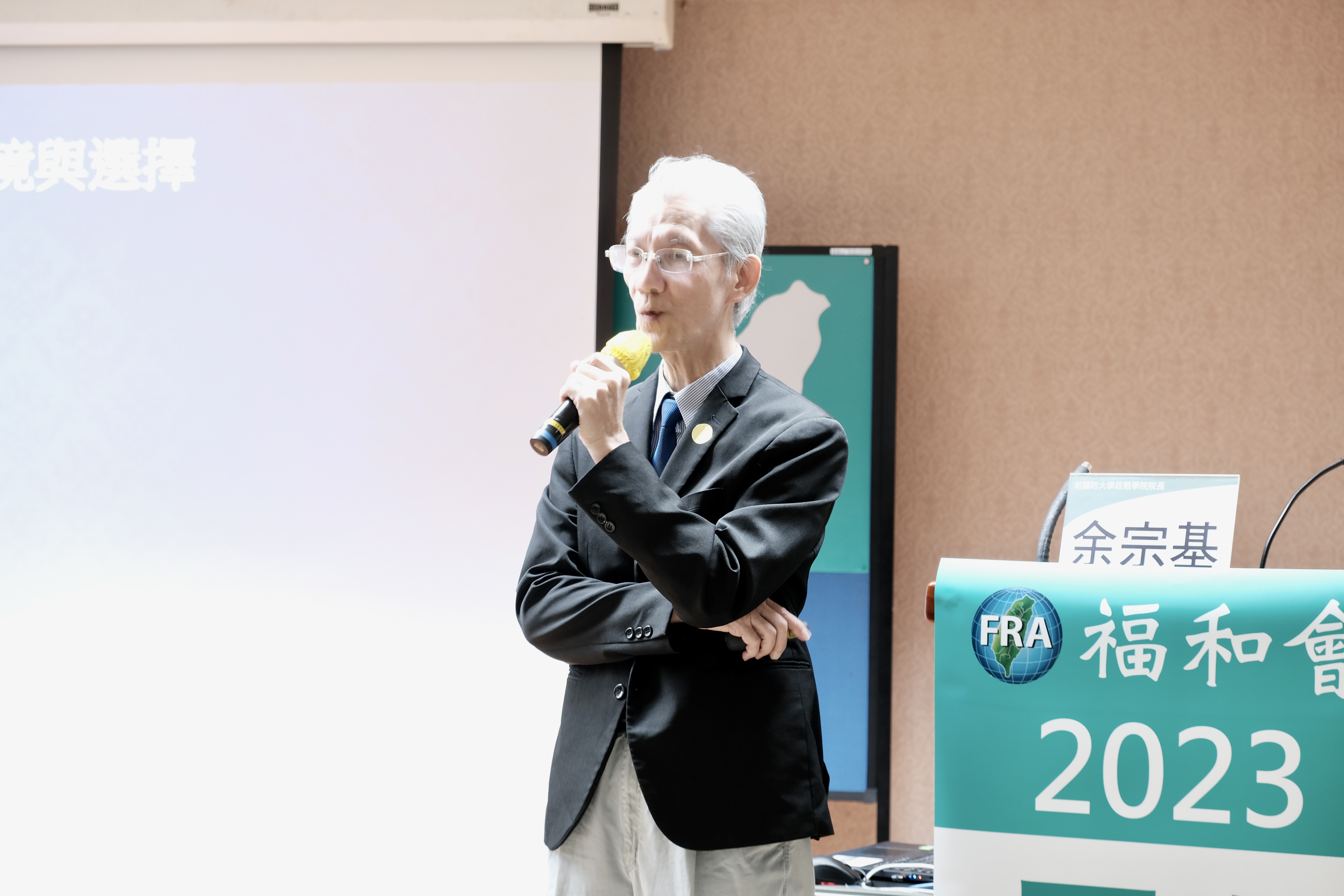
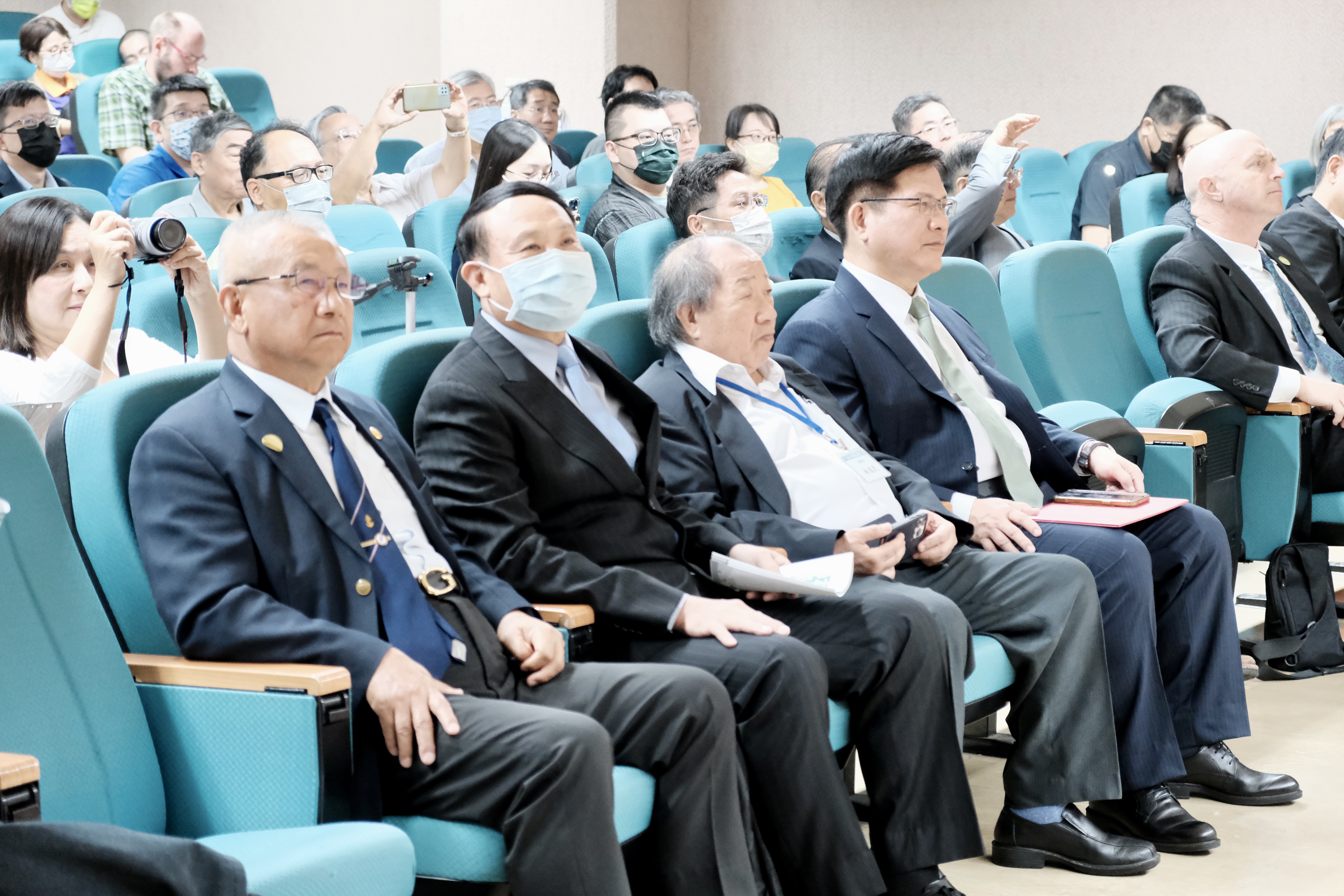
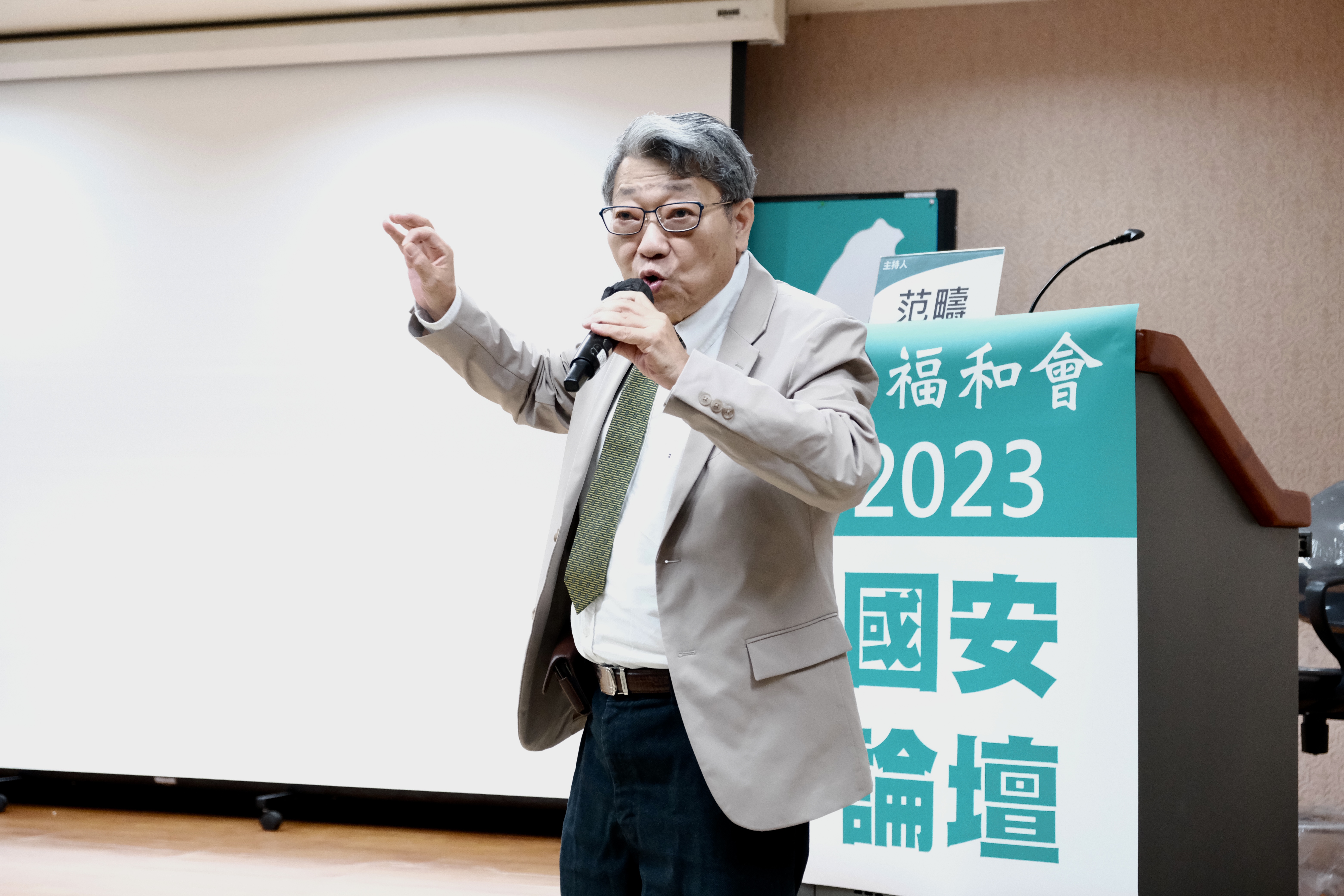
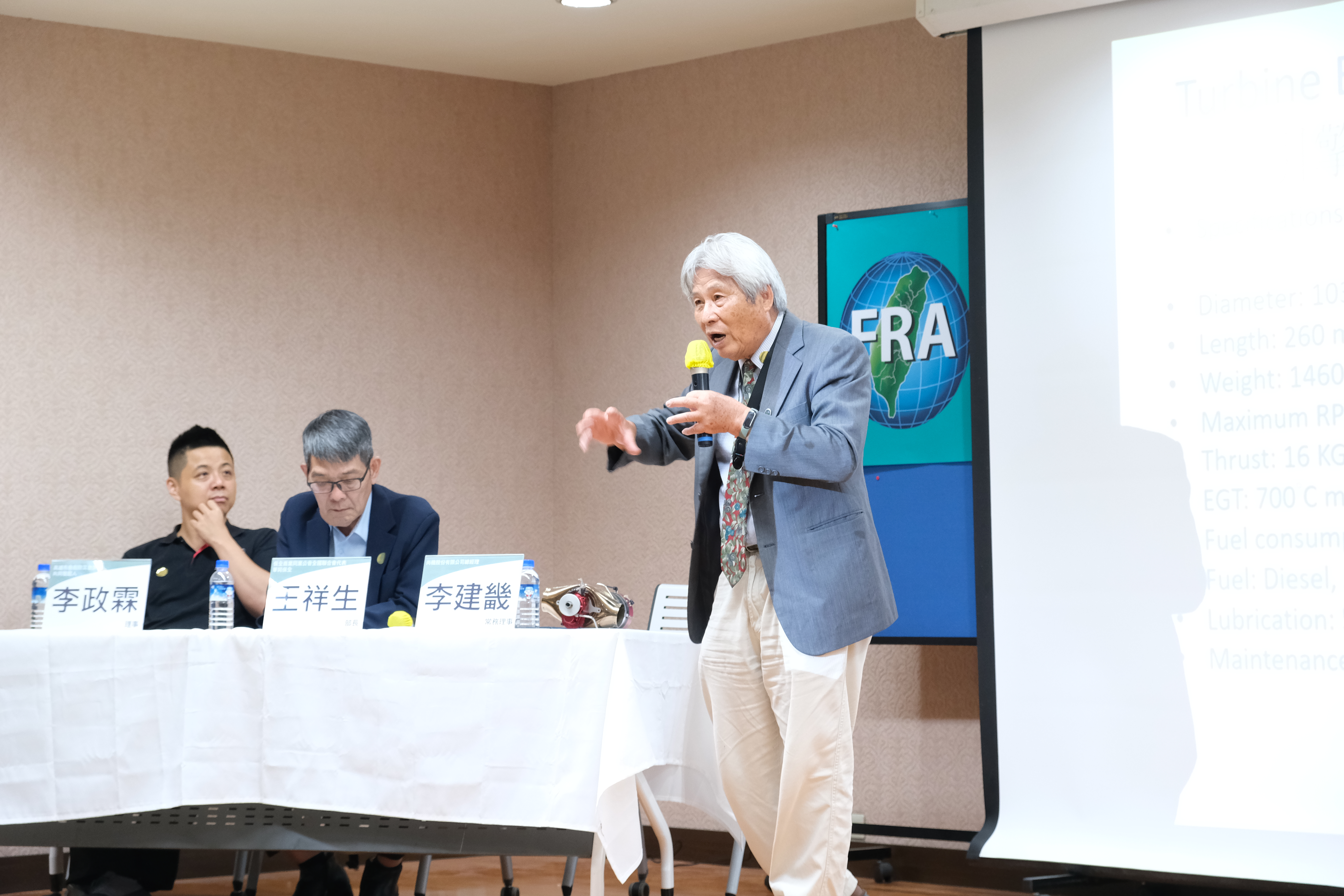
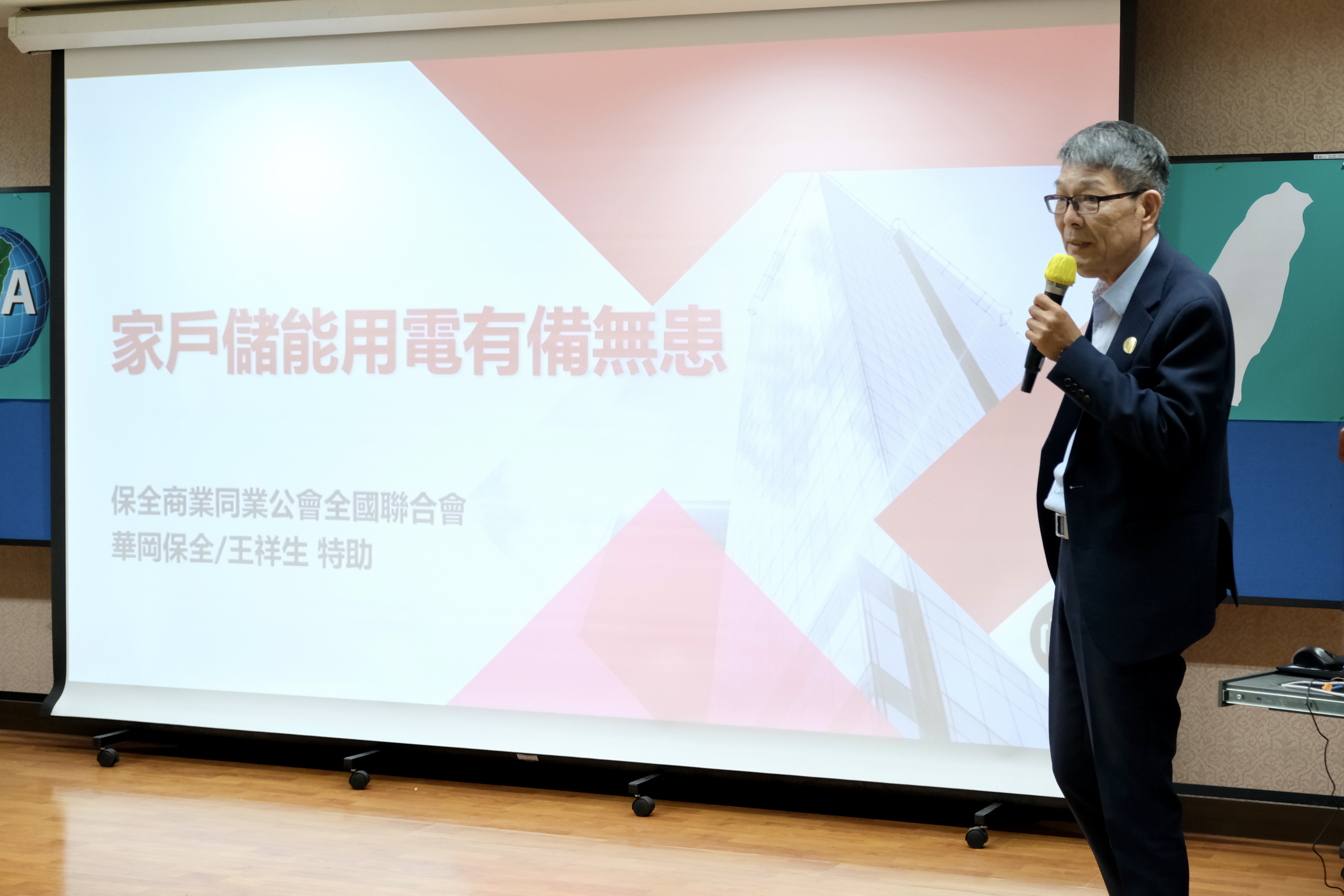
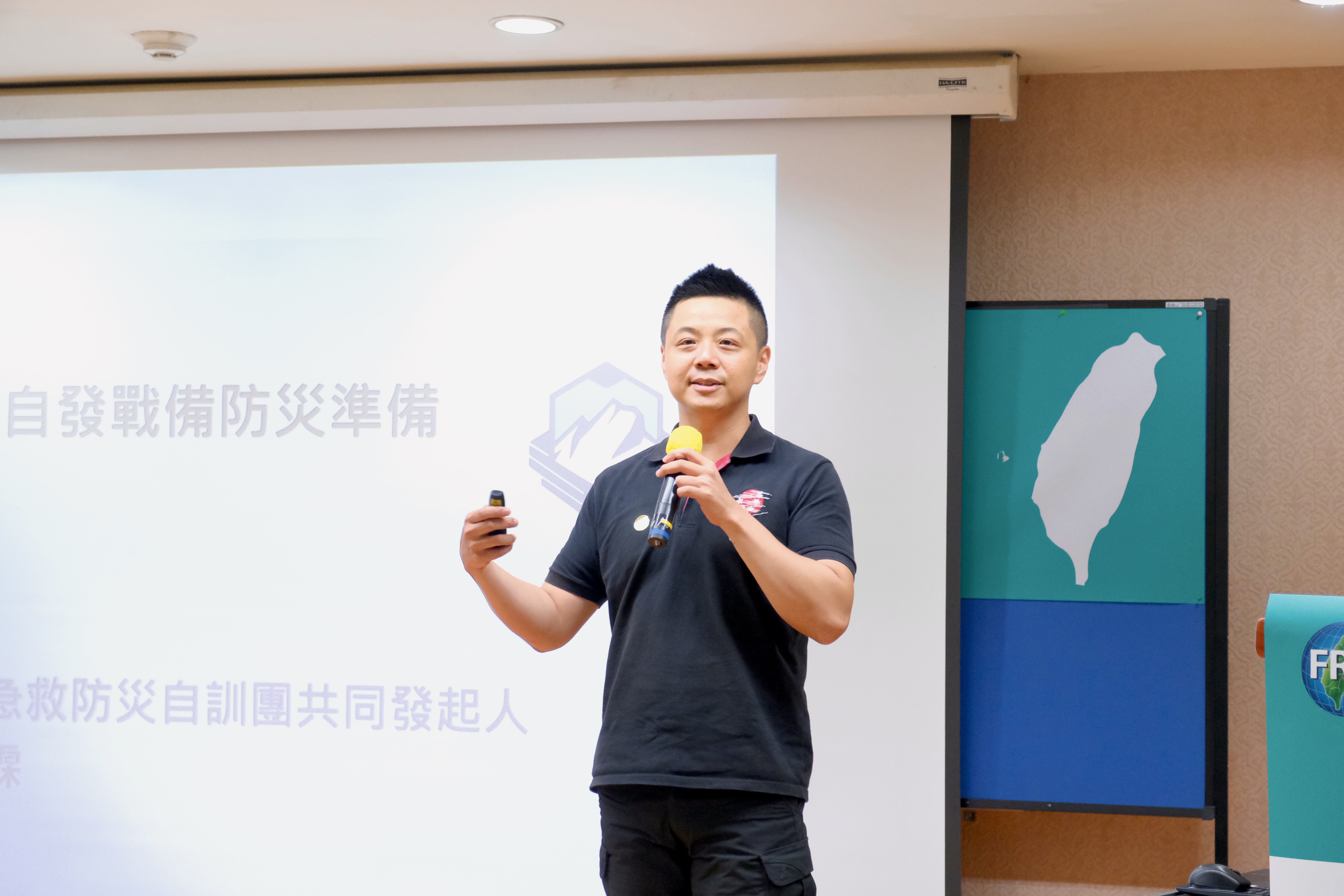
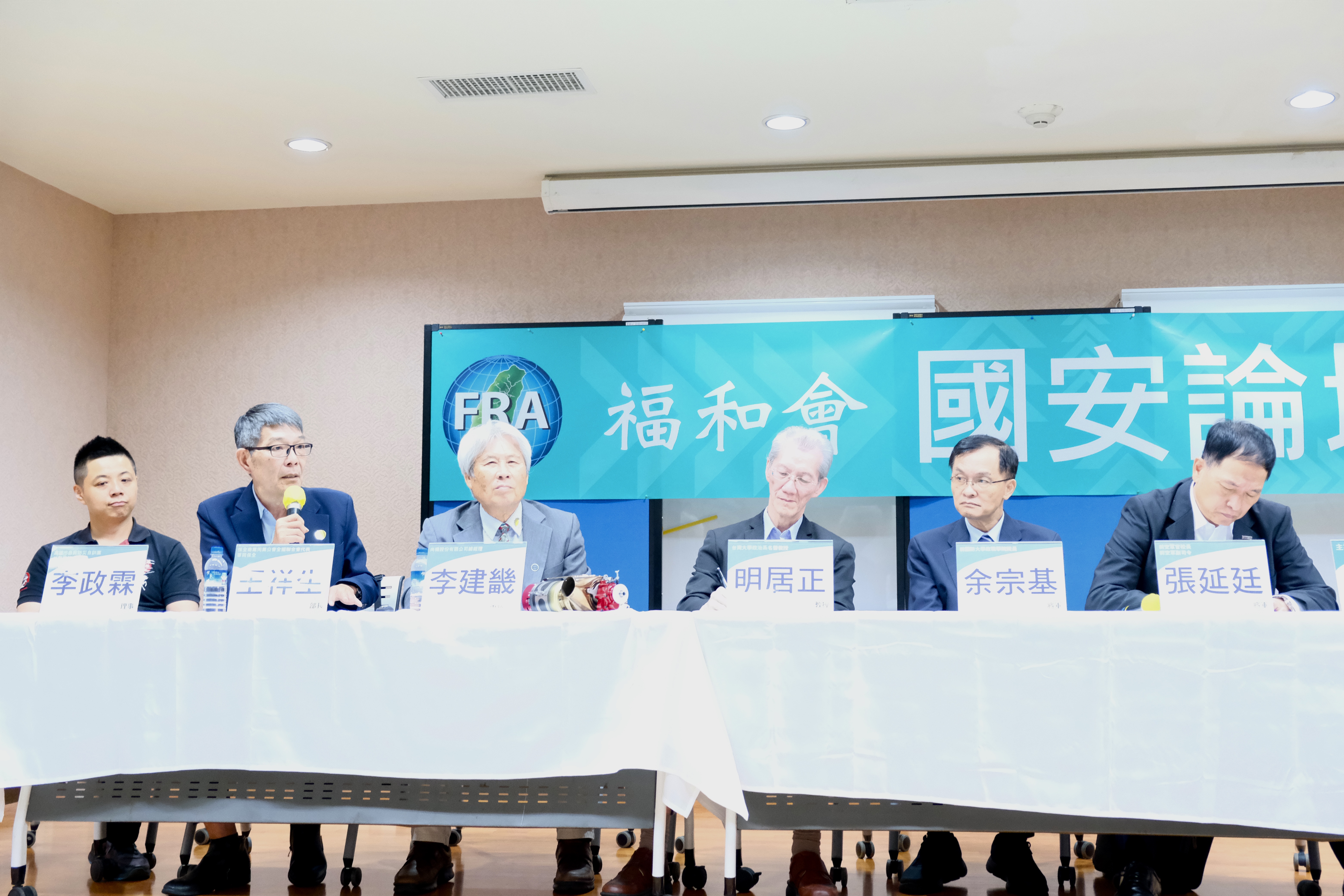
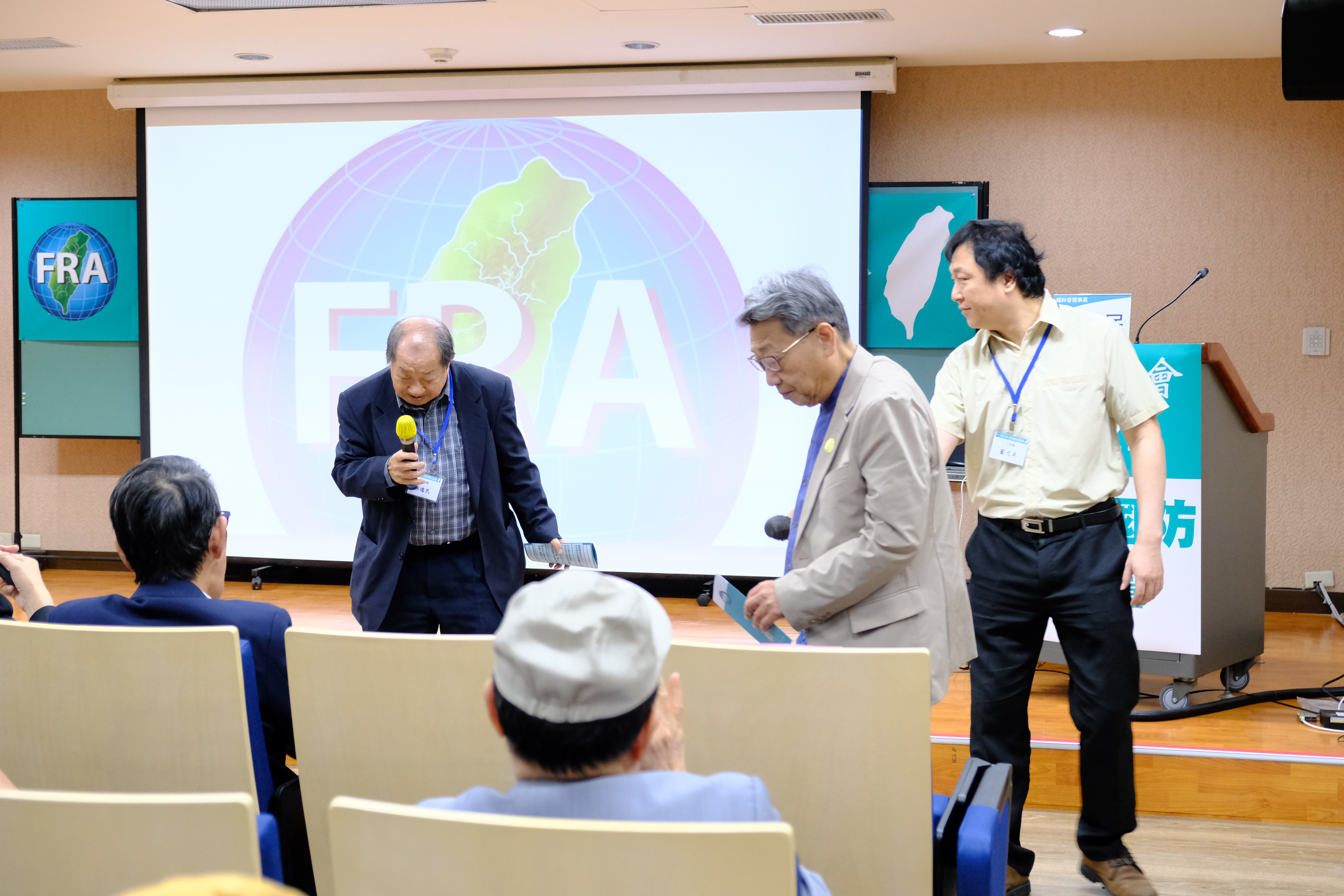
FRA hosted the 2023 National Defense Forum, emphasizing that when society faces the threat of war or major crises, it is essential to strengthen the public’s ability to respond and adapt. The forum invited experts to conduct in‑depth, bottom‑up analyses—examining conditions at the individual, community, and local‑government levels—to explore how Taiwan can build comprehensive resilience across all layers of society.

This marks the third time in recent years that FRA has organized a professional forum focused on national defense and security. While issues of national security are certainly the responsibility of the government and elected officials, society cannot rely on the state alone. Civil society must also possess the capacity to proactively confront crises and major threats.

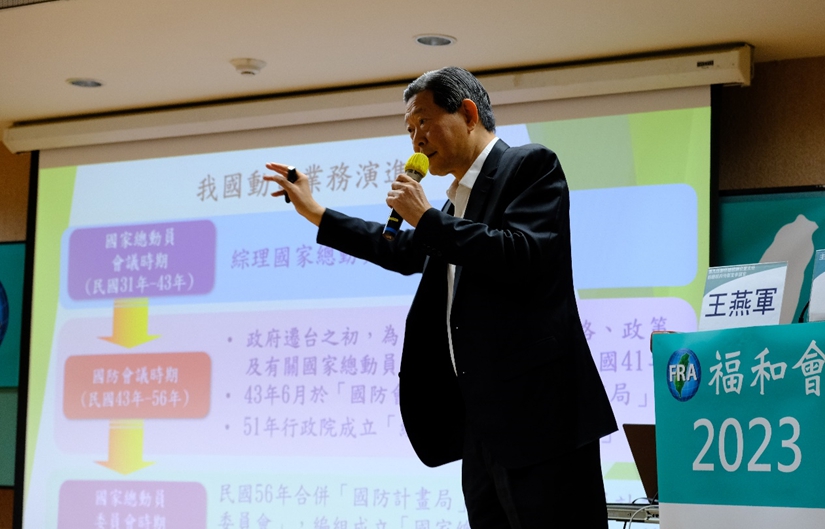
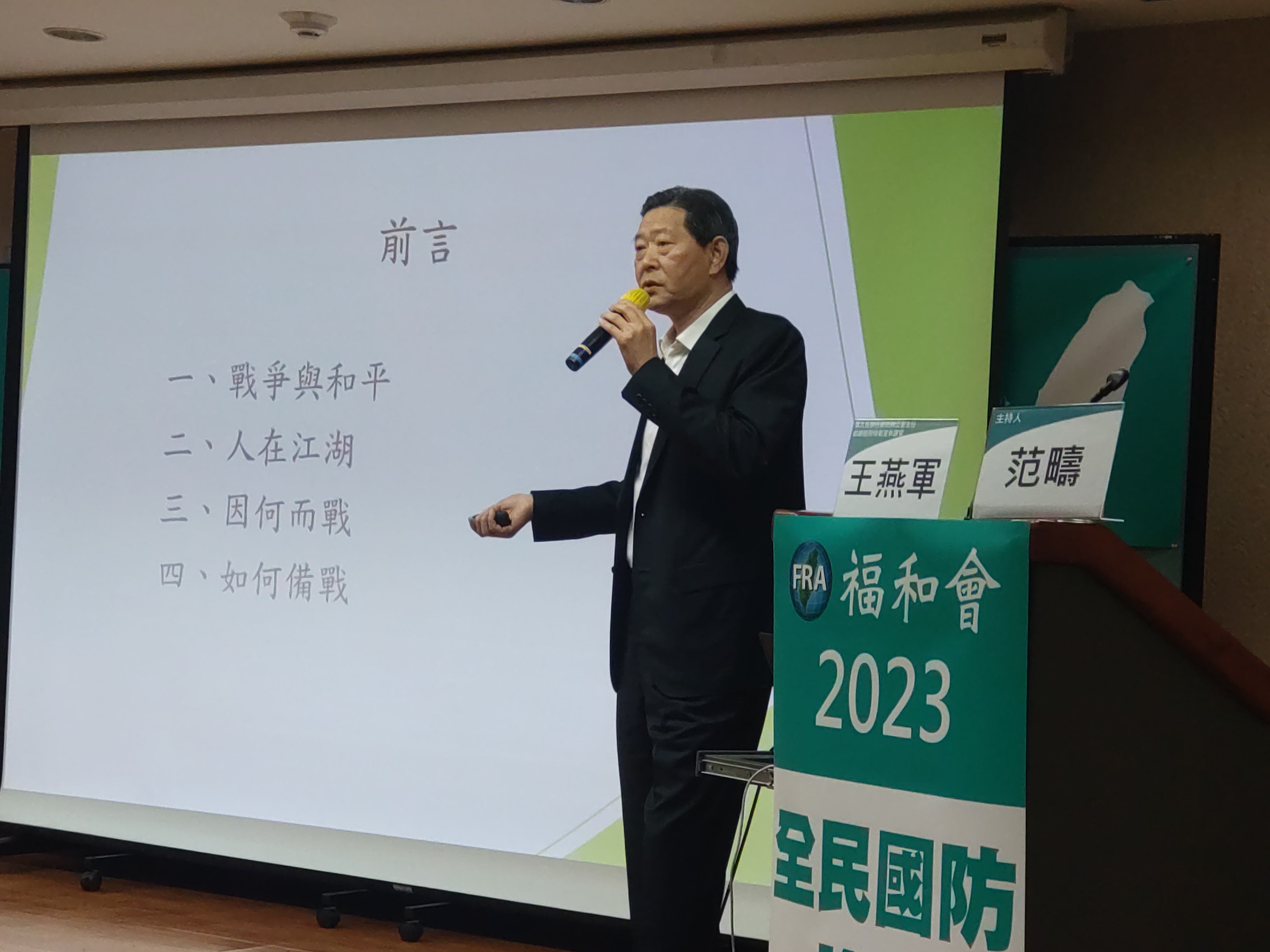
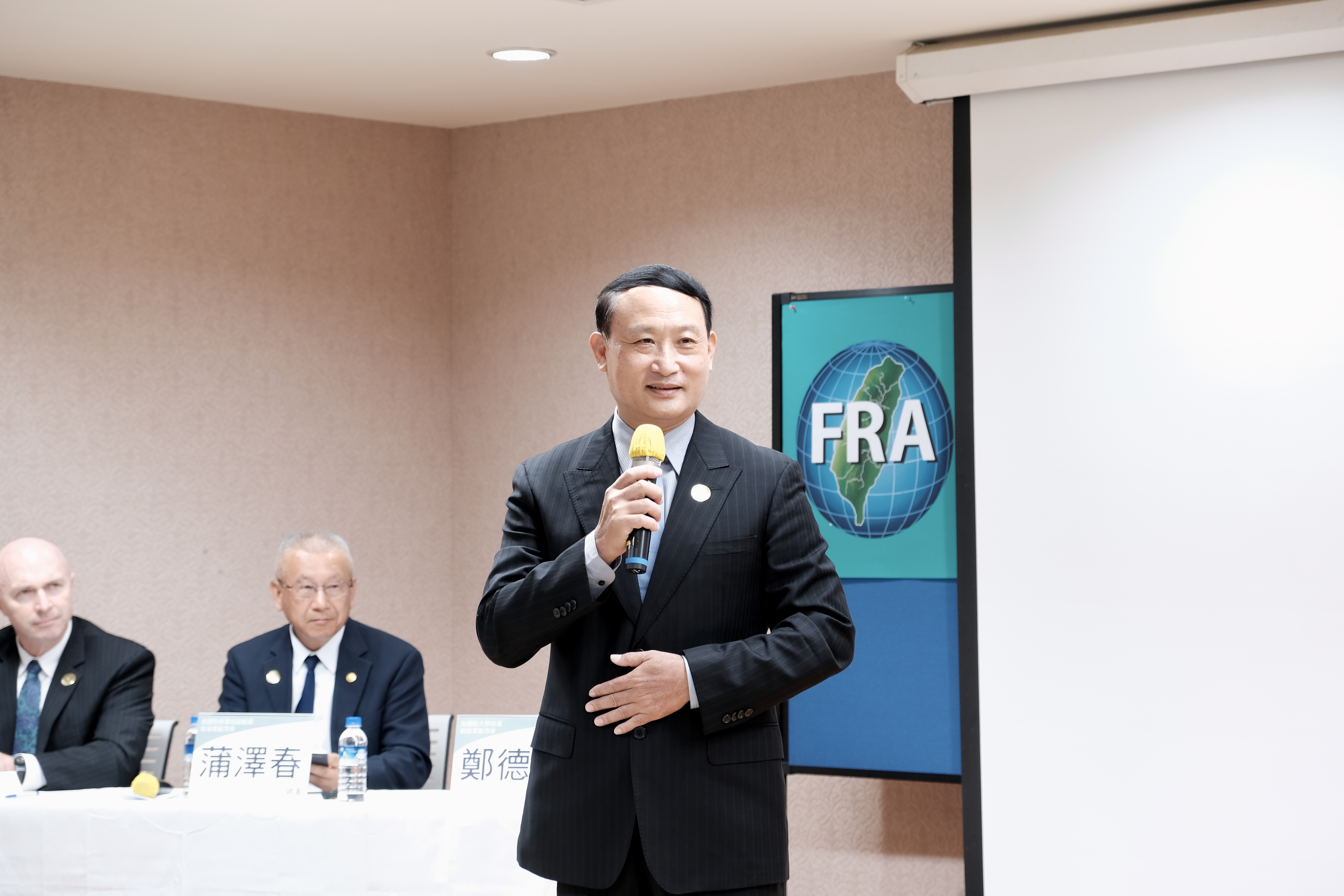
At the forum, Wang Yen‑chun, former Director of President Lee Teng‑hui’s Office, declared that the risk of war has nothing to do with which party governs Taiwan. In reality, ever since the ROC government relocated to Taiwan in 1949, Taiwan has lived under the shadow of military threat. In other words, Beijing’s coercion and threat of force against Taiwan have never ceased. Wang stressed that this is a universal truth: when facing war, it is never solely the responsibility of the military. The entire society must mobilize and provide full support. National defense, he emphasized, is a collective effort that requires the participation and resilience of every citizen.

Drawing from Taipei City’s experience, Wang Yen‑chun underscored the critical role that local governments can play in wartime preparedness. He explained that Taipei had proactively advanced a series of initiatives led by the municipal government to ensure that civil servants understand how they should respond in wartime conditions. According to Wang, Taipei established—based on existing legal authorities—the only direct communication mechanism in Taiwan between a local government and the military’s wartime theater command. The city also reorganized all civil servants into a unified Civil Service Corps, enabling coordinated mobilization and task assignment during emergencies. He further recommended requisitioning convenience stores and setting up temporary material‑storage sites at district offices, in cooperation with logistics centers of major convenience‑store chains. These measures, he argued, form a more proactive and practical foundation for wartime readiness at the local level.

Wang Yen‑chun also analyzed Taiwan’s existing mobilization and wartime regulatory framework, noting that because the Taiwan Strait has been free of armed conflict for decades, many of the relevant laws and organizational structures are products of a bygone era. The environment in which these regulations were drafted is now far removed from present‑day realities. Although the legal framework is broad in scope, it remains insufficiently detailed when it comes to responding to concrete, real‑world scenarios. For example, emergency planning for modern communications—such as mobile phones—has not yet been fully incorporated. Overall, Wang observed that while Taiwan’s regulatory architecture appears comprehensive on paper, its depth is lacking, largely because many civil servants responsible for implementing these laws do not have a clear understanding of actual battlefield conditions. This gap, he argued, must be addressed to ensure that Taiwan’s mobilization and defense mechanisms are truly effective.

Representing the Security Industry Association, Wang Hsiang‑sheng approached the issue from the perspective of community‑level preparedness. Drawing on lessons from the COVID‑19 pandemic, he noted that beyond discussing an expanded role for private security personnel during wartime or major emergencies, an even more critical priority is the development of technology‑based systems. Such systems should strengthen planning for monitoring, early warning, communications, and logistics, enabling communities to respond more effectively and systematically when facing crises.

With extensive experience in manufacturing generators and in providing emergency power equipment at disaster sites, Chen Chin‑fu, General Manager of HC POWER, emphasized that backup power preparedness must begin long before a crisis occurs. Chen outlined emergency power requirements faced by companies such as TSMC, as well as those in the utilities, logistics, and cold‑chain sectors. He stressed that when selecting generators today, it is no longer sufficient for the machines to simply deliver continuous power—they must also meet modern environmental standards and comply with cybersecurity regulations. Chen noted that people are accustomed to stable water and electricity supplies in normal times, but ensuring power availability during wartime is far from easy. Emergency generation serves as the final line of protection, and therefore requires strong attention and investment from both the government and society.

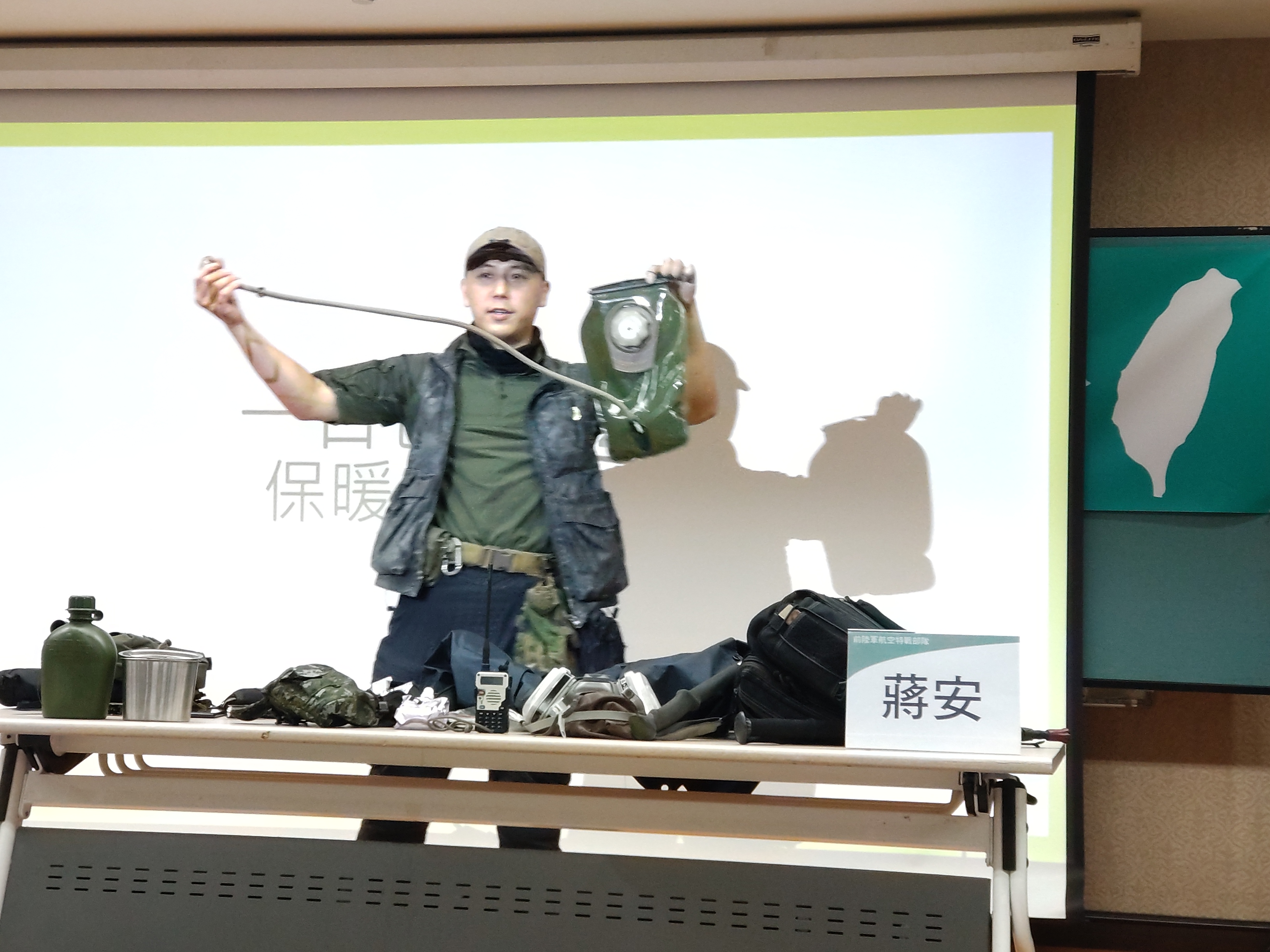
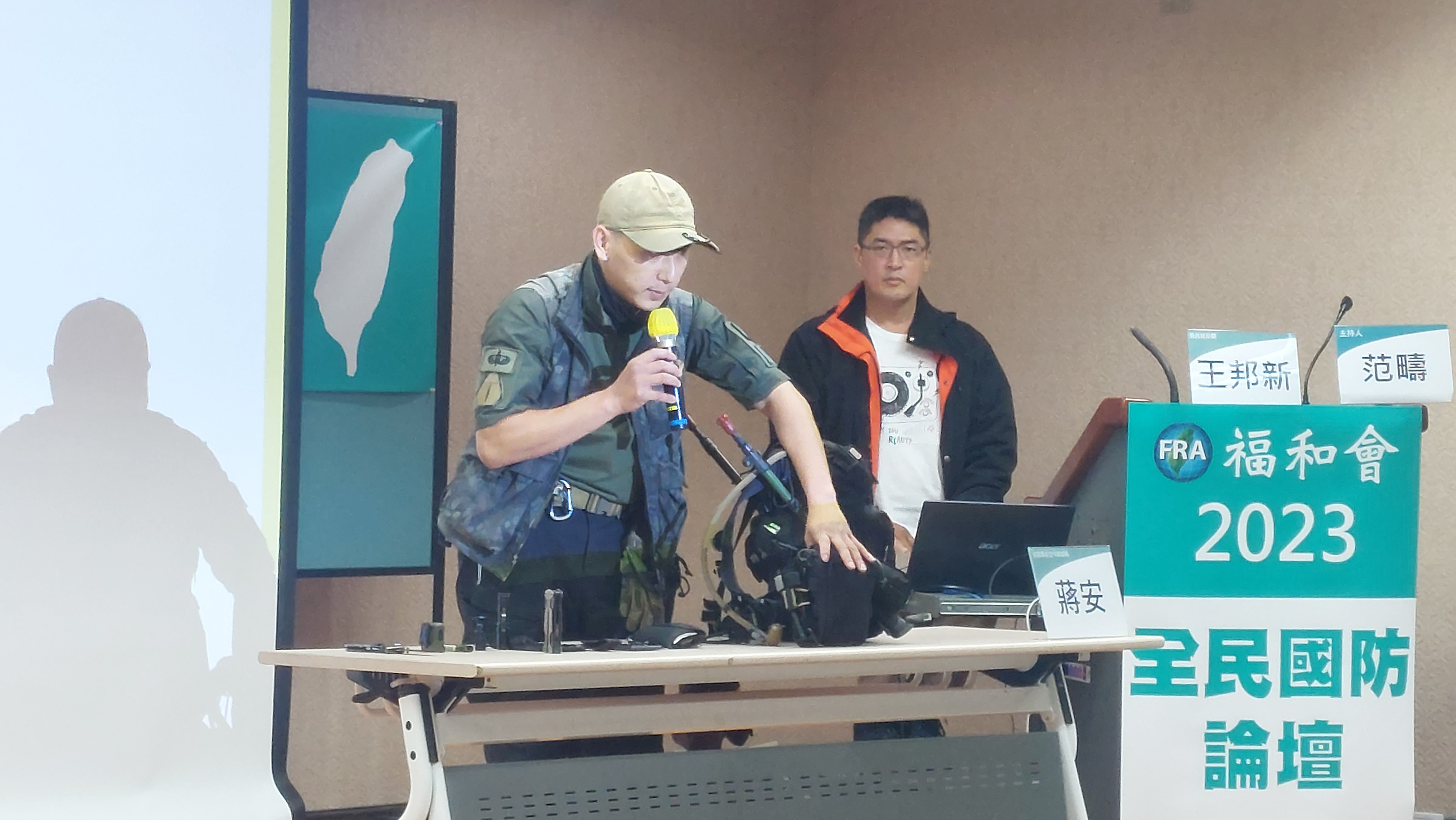
Retired instructor Chiang An of the Army Aviation and Special Forces Command demonstrated various types of personal equipment used in wartime emergencies. He urged the public to acquire more professional knowledge in defense and survival, noting that a properly prepared medical kit should be carried on one’s person primarily so others can use it to save you in an emergency. In situations involving severe bleeding, he stressed that tourniquet preparation and correct usage are essential skills that far more people need to understand. Chiang emphasized that in real wartime conditions, self‑preservation must come first. Civilians should avoid actions that could lead to being mistaken for combatants and thus targeted. He advised that individuals prepare evacuation kits based on their own needs and professional guidance, ensuring they have the right supplies to survive and stay safe during crises.

FRA continues to promote the spirit of “preparedness in times of peace.” The organization hopes that the public can better understand, under existing conditions, how the government, institutions at all levels, and individuals themselves can respond more effectively when confronted with the dangers and uncertainties of war.

FRA 2023 National Defense Forum FRA 2023 National Defense Forum FRA 2023 National Defense Forum FRA 2023 National Defense Forum FRA 2023 National Defense Forum FRA 2023 National Defense Forum FRA 2023 National Defense Forum FRA 2023 National Defense Forum FRA 2023 National Defense Forum FRA 2023 National Defense Forum FRA 2023 National Defense Forum FRA 2023 National Defense Forum FRA 2023 National Defense Forum FRA 2023 National Defense Forum FRA 2023 National Defense Forum FRA 2023 National Defense Forum FRA 2023 National Defense Forum FRA 2023 National Defense Forum FRA 2023 National Defense Forum

FRA Visit Biomedical and UAV Industries

2023.8.10

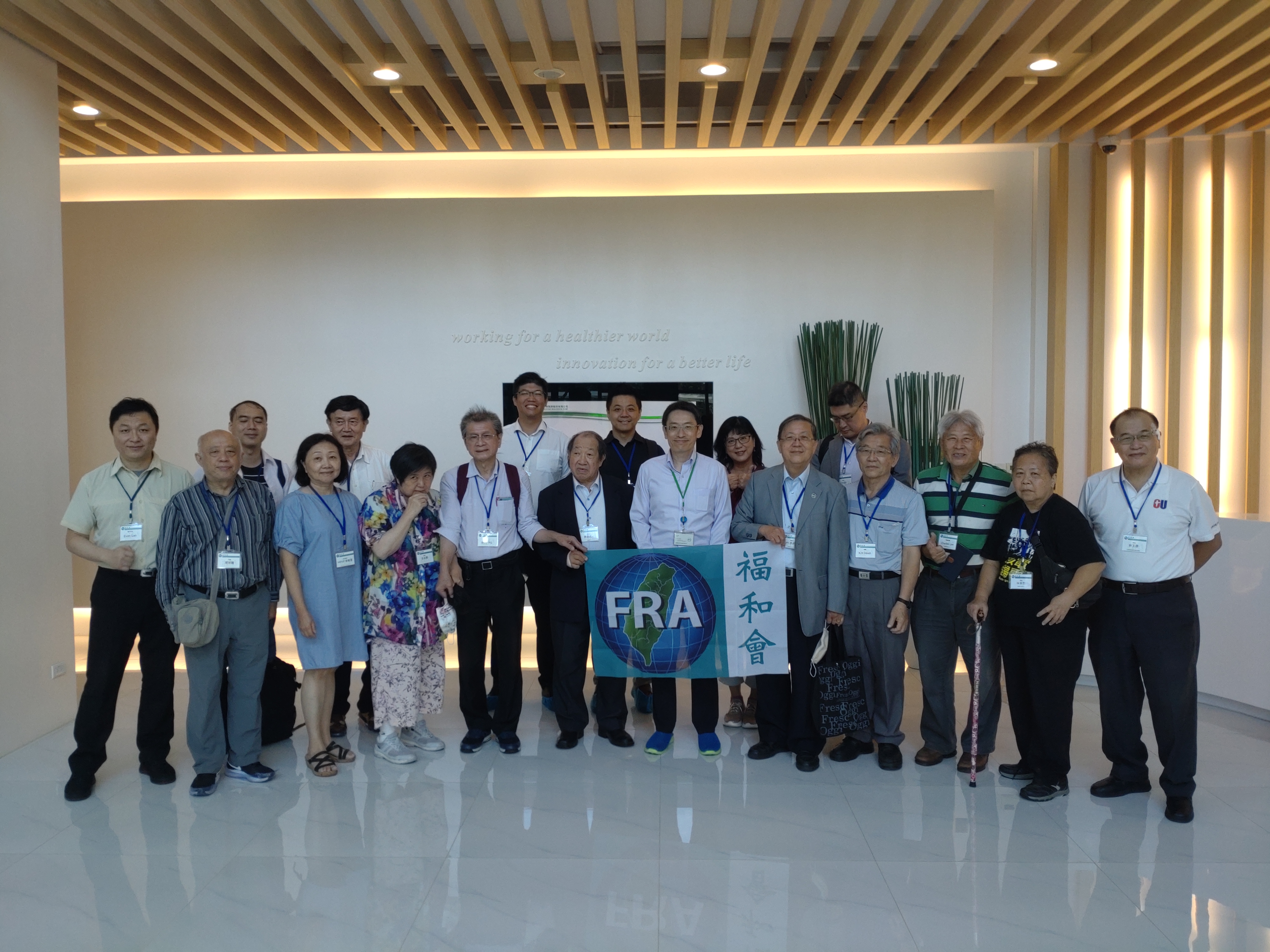
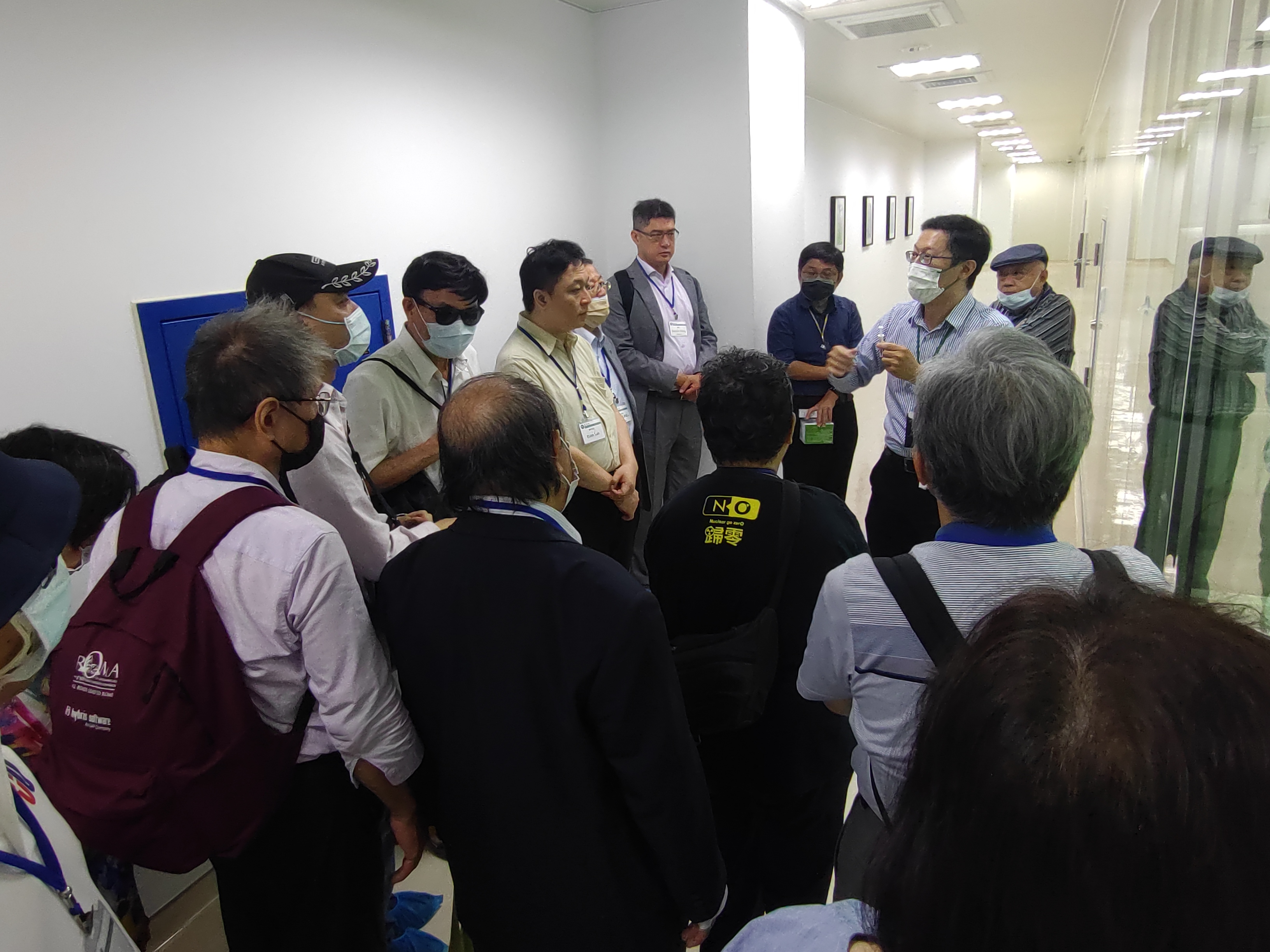
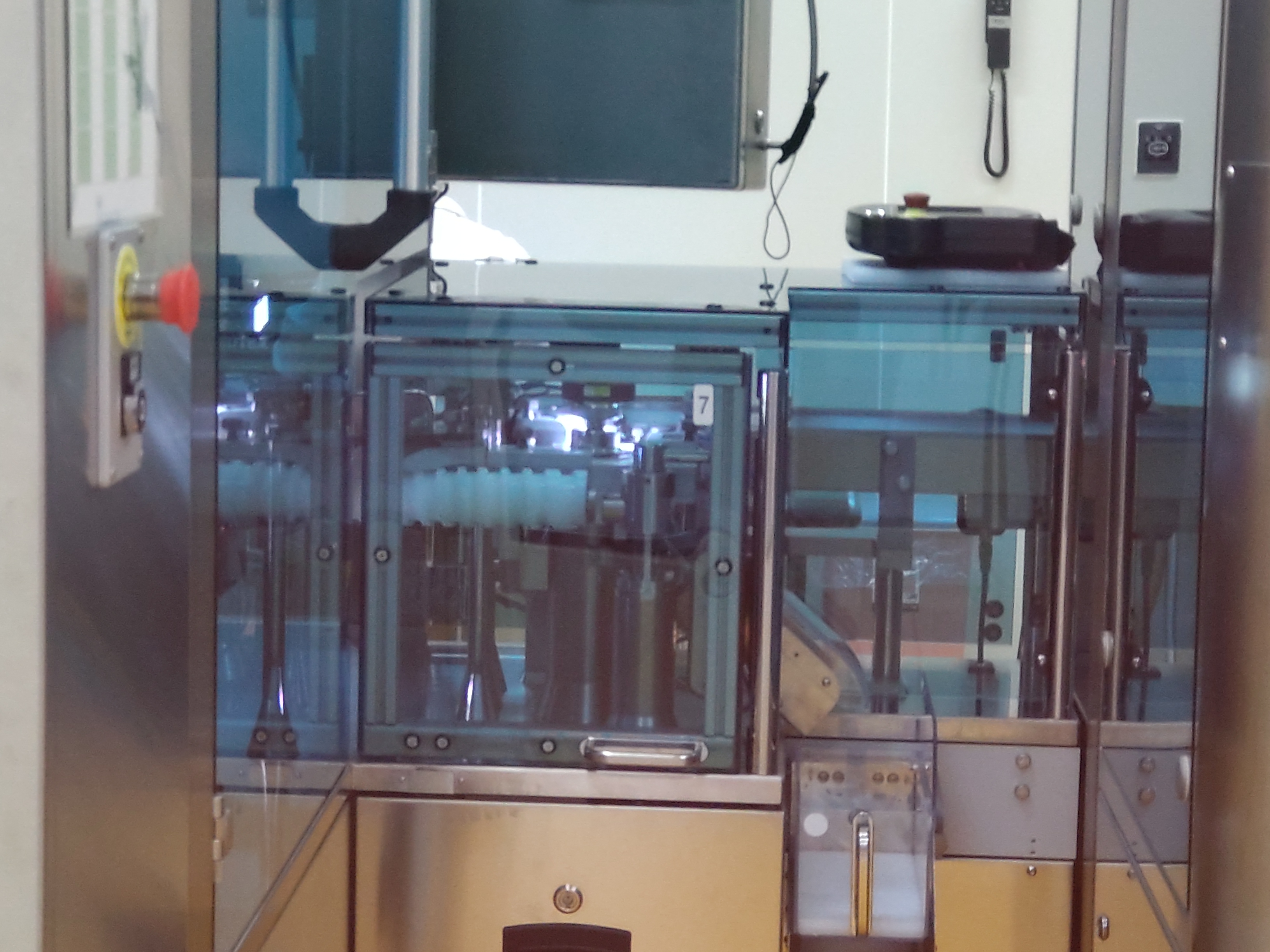
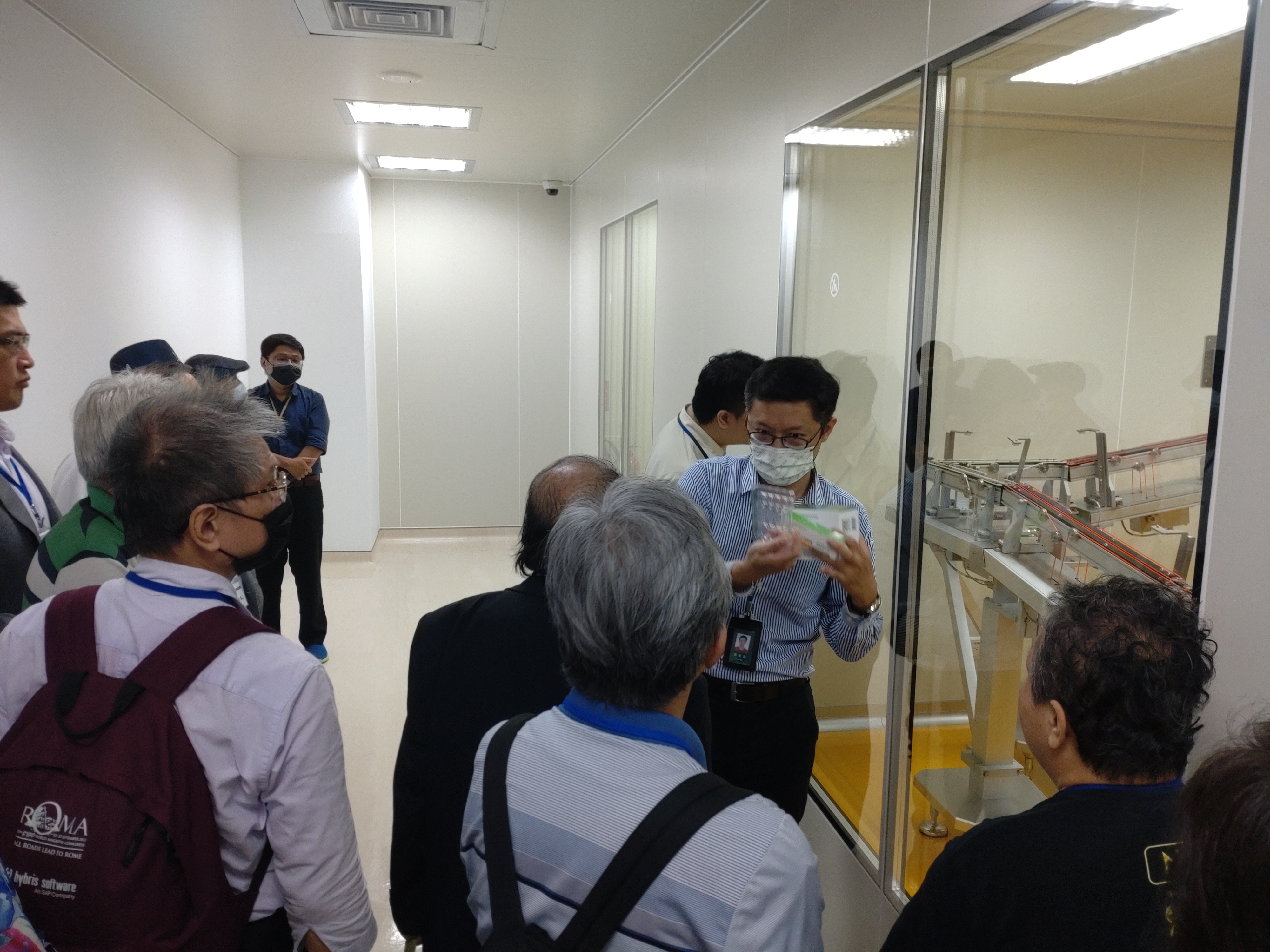
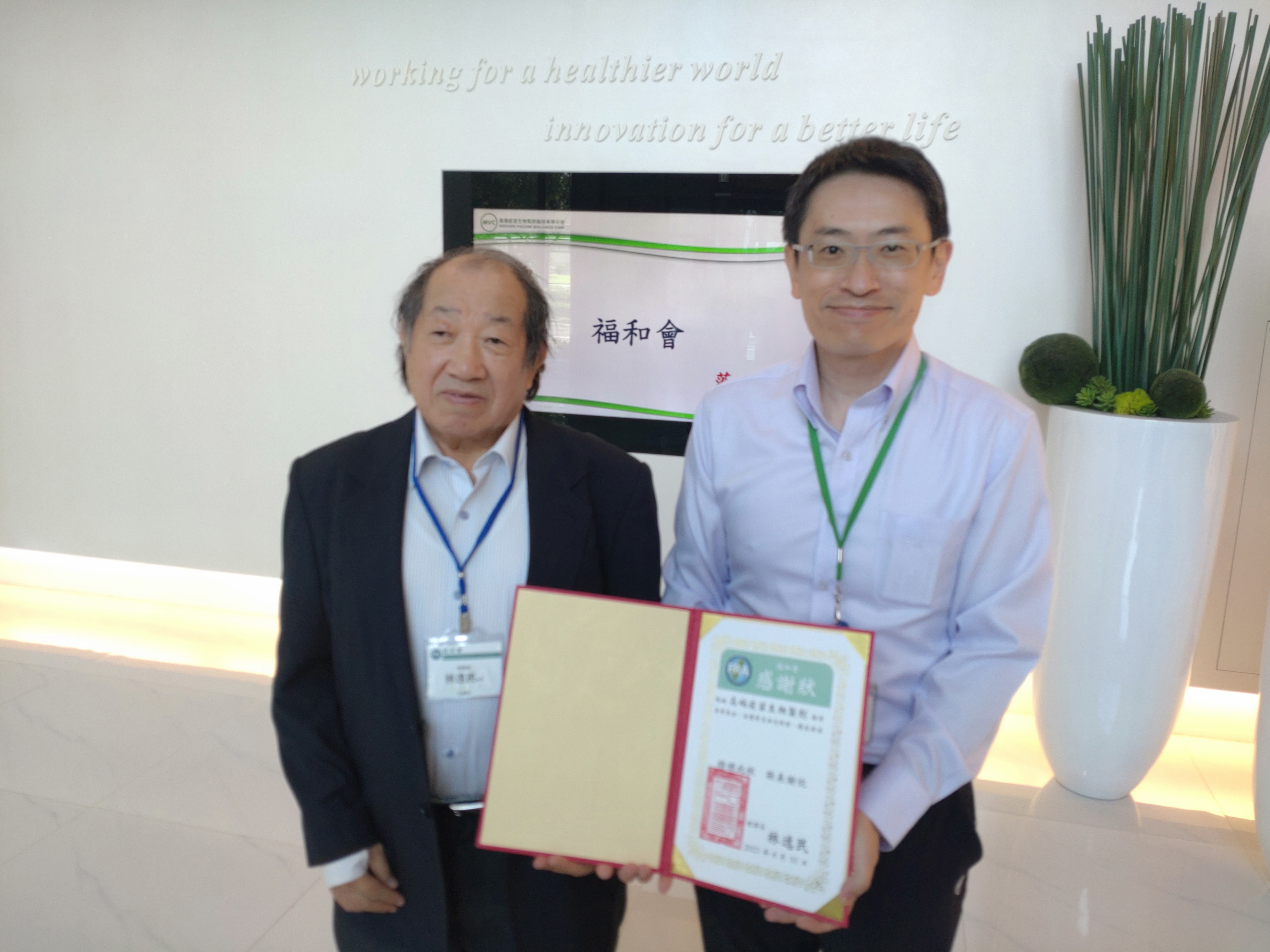
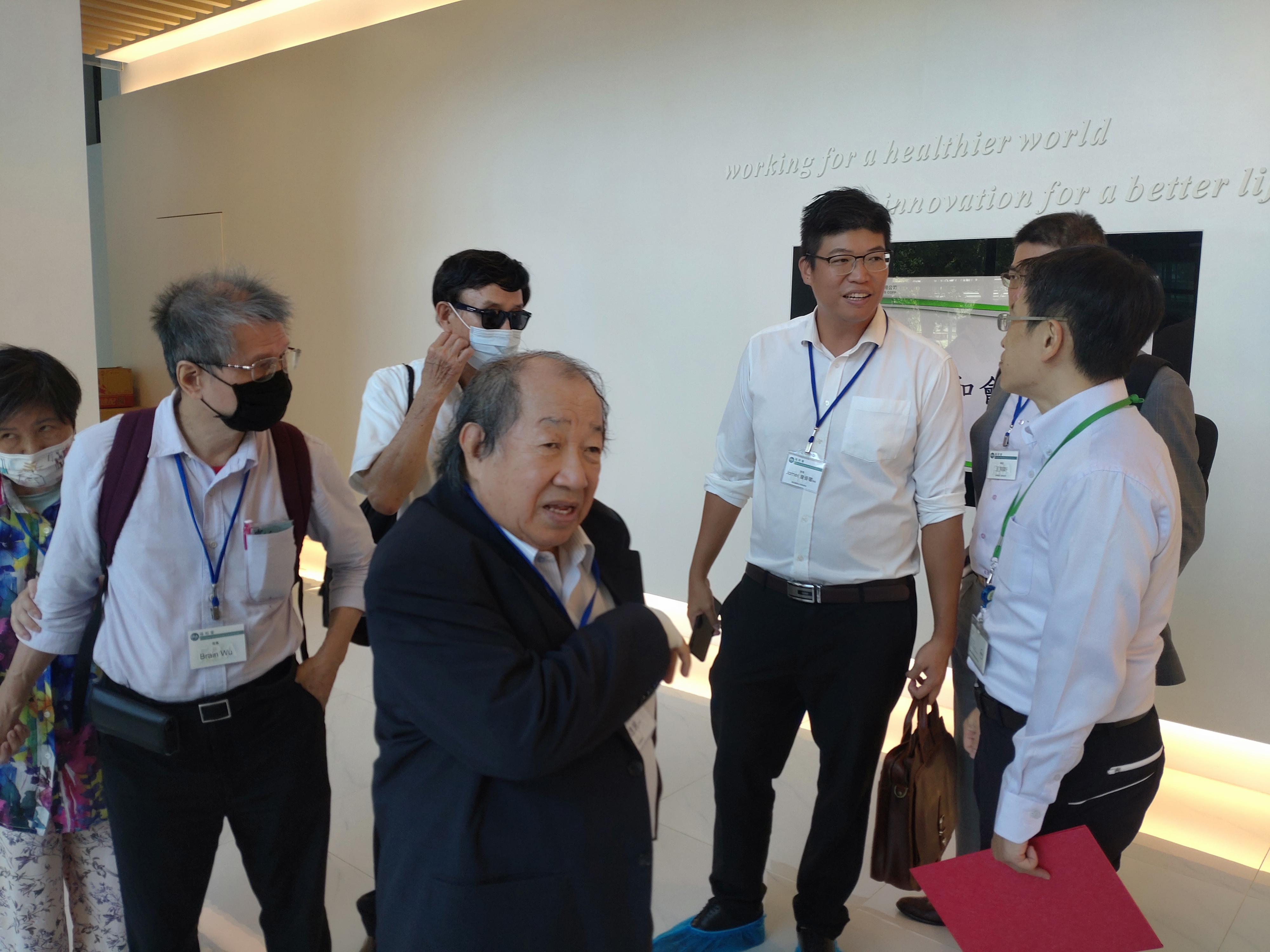
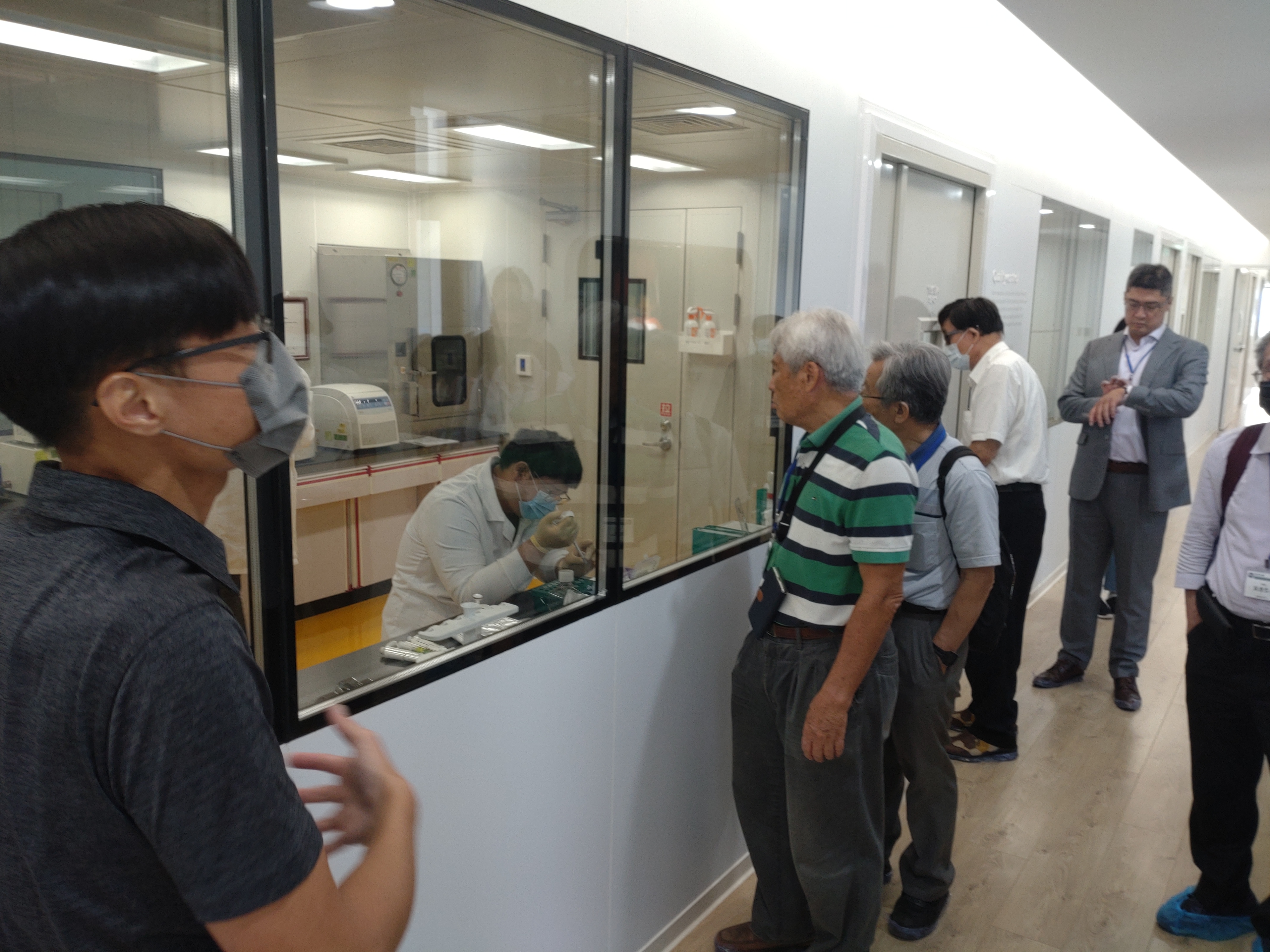
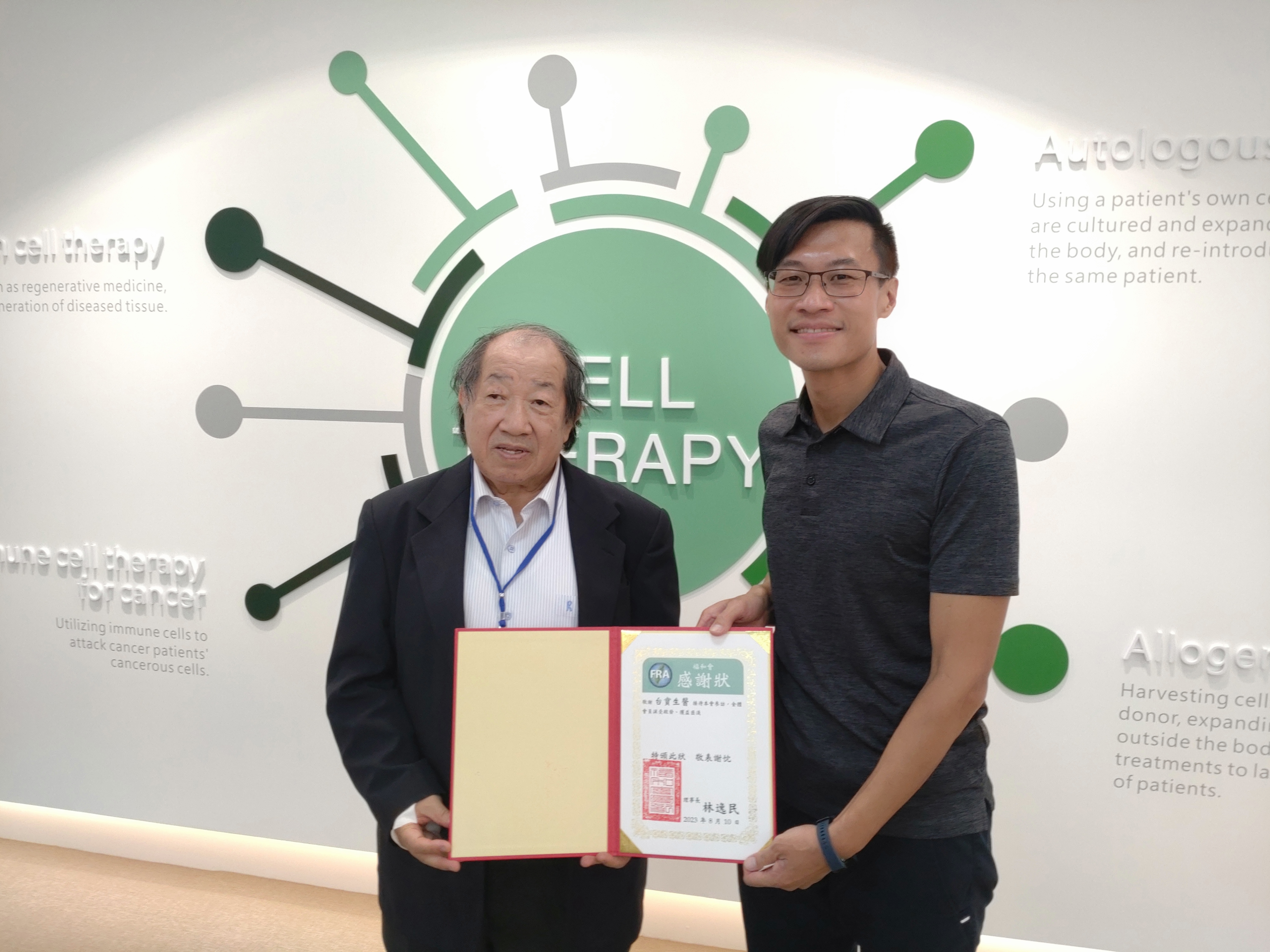
The first stop of the FRA Biomedical & UAV Industry Visit was the Hsinchu Biomedical Science Park in Zhubei. The delegation began with a visit to Medigen Vaccine Biologics Corp. (MVC), observing the vaccine production line through the monitoring system and then touring the packaging line from the inspection corridor.

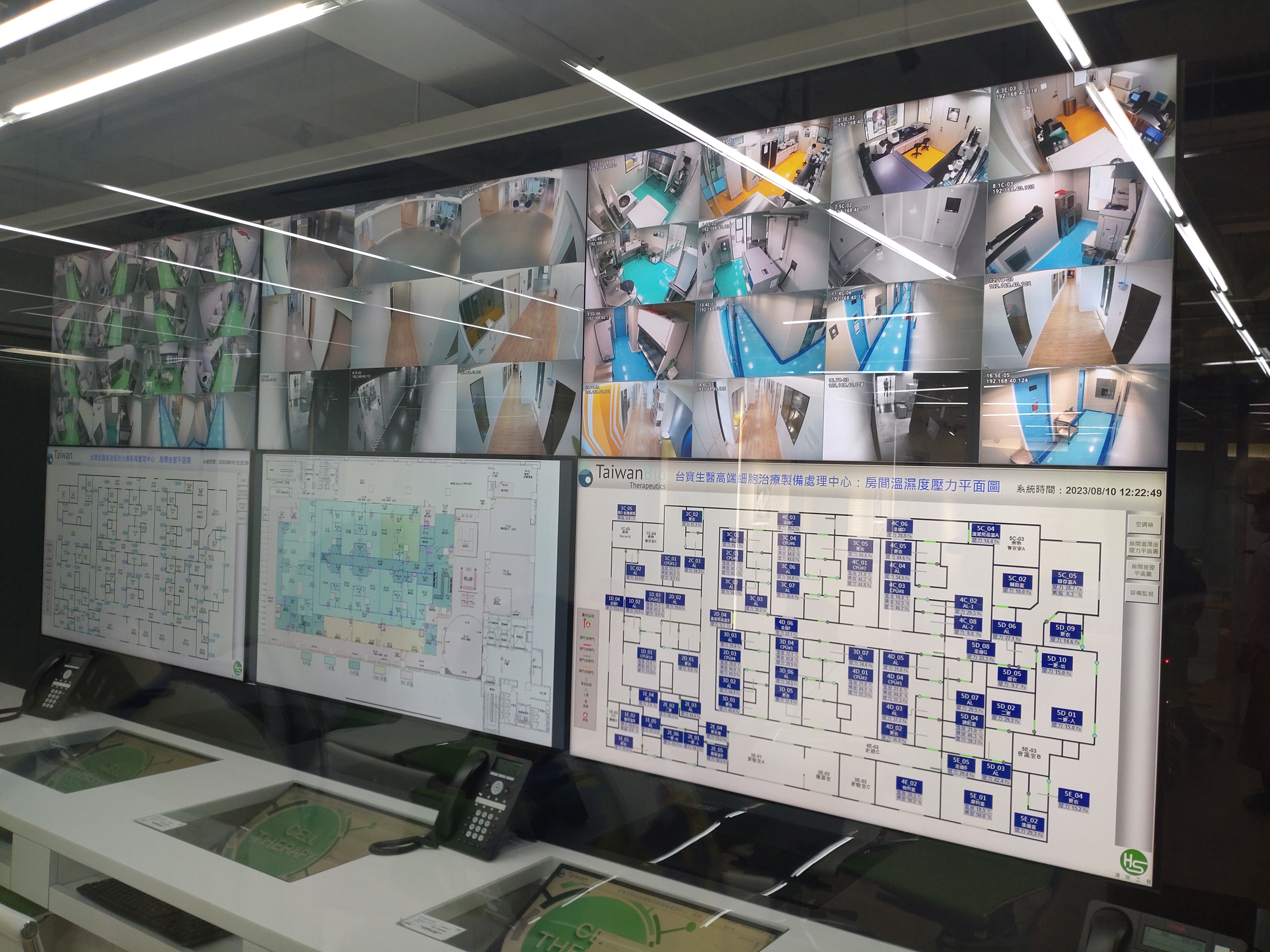
The group then proceeded to TaiBao Biomedical, where—after a briefing—they visited the production facilities and the central control room responsible for regulating temperature and humidity across all areas of the plant.

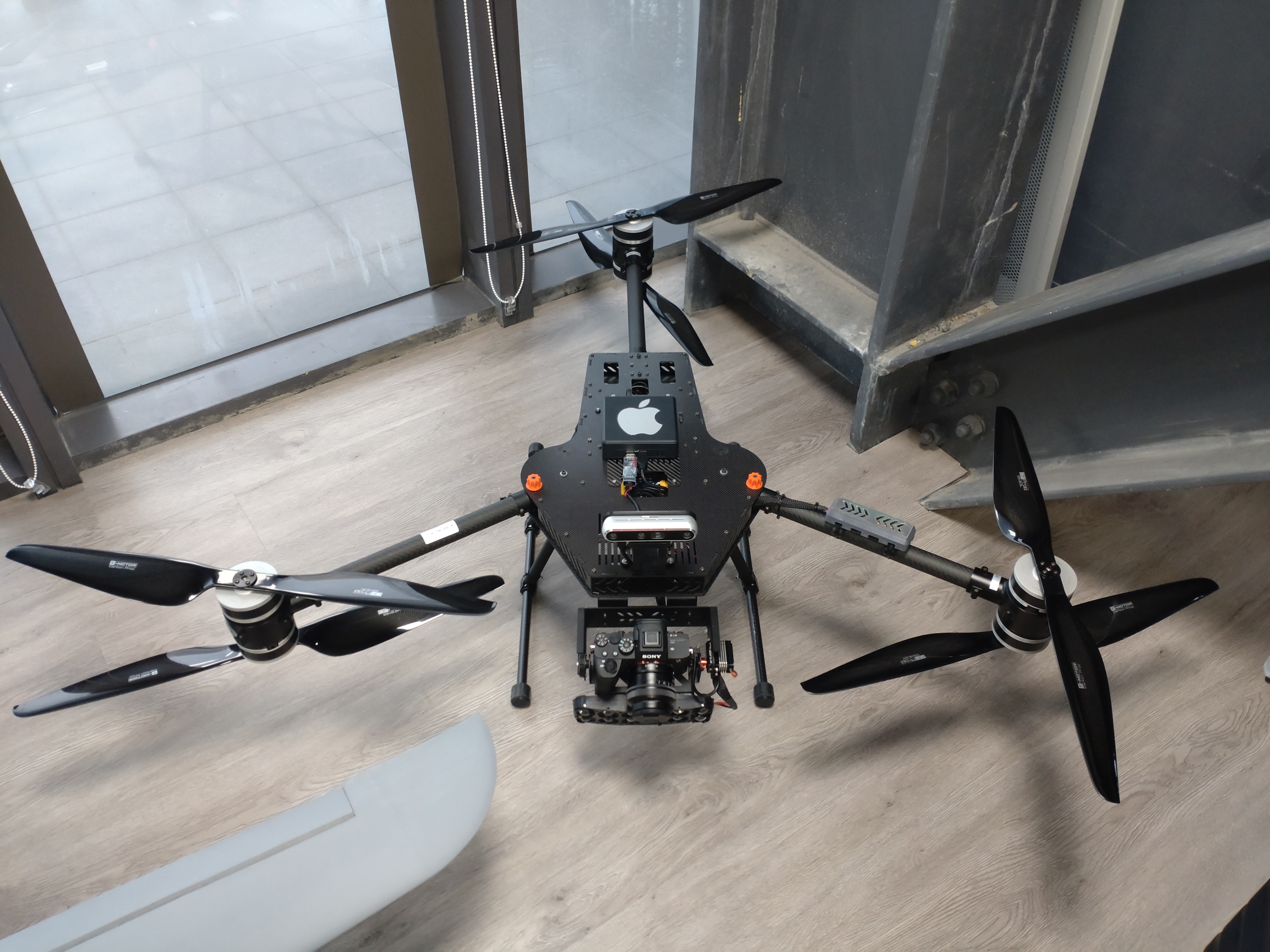
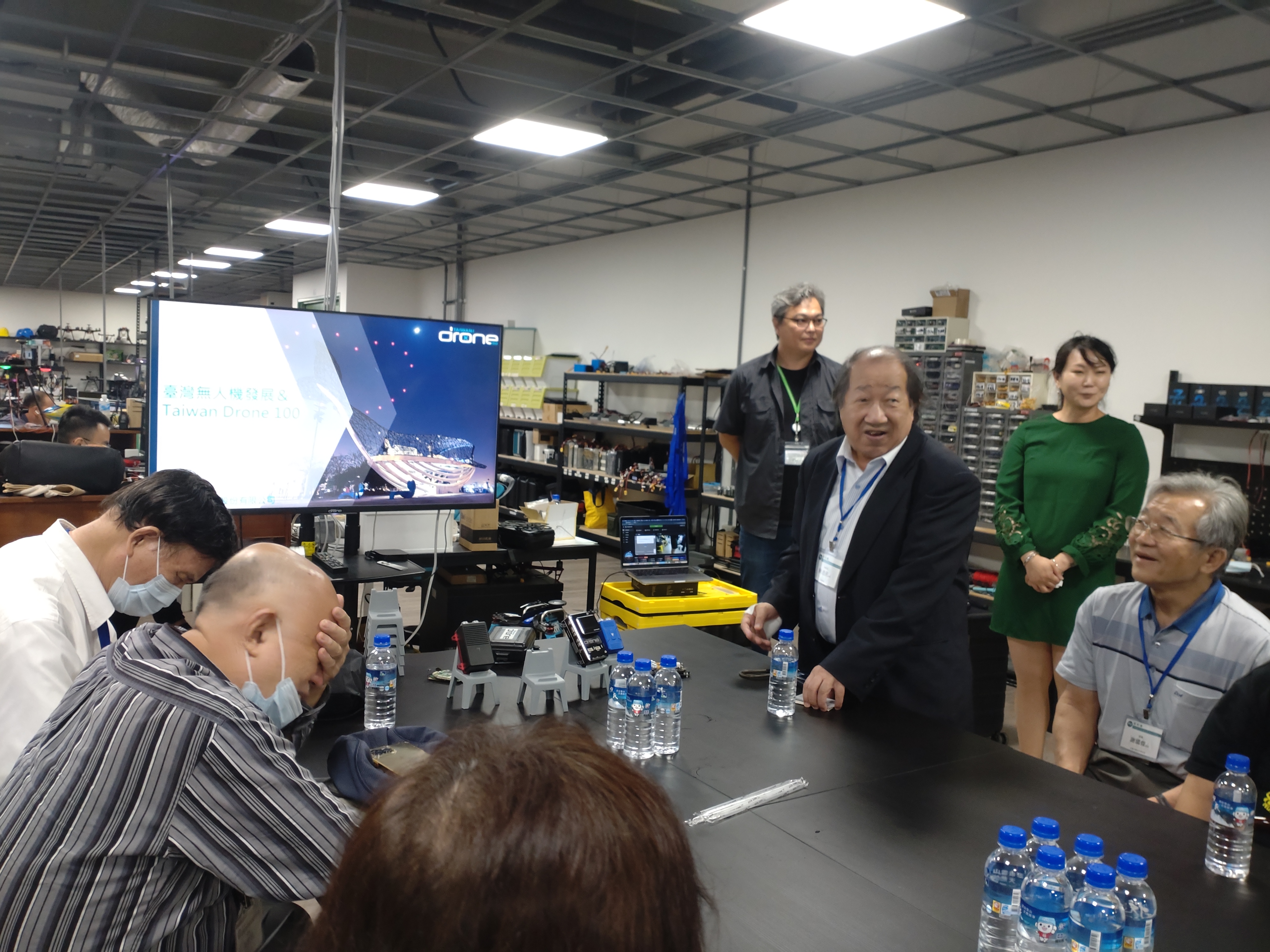
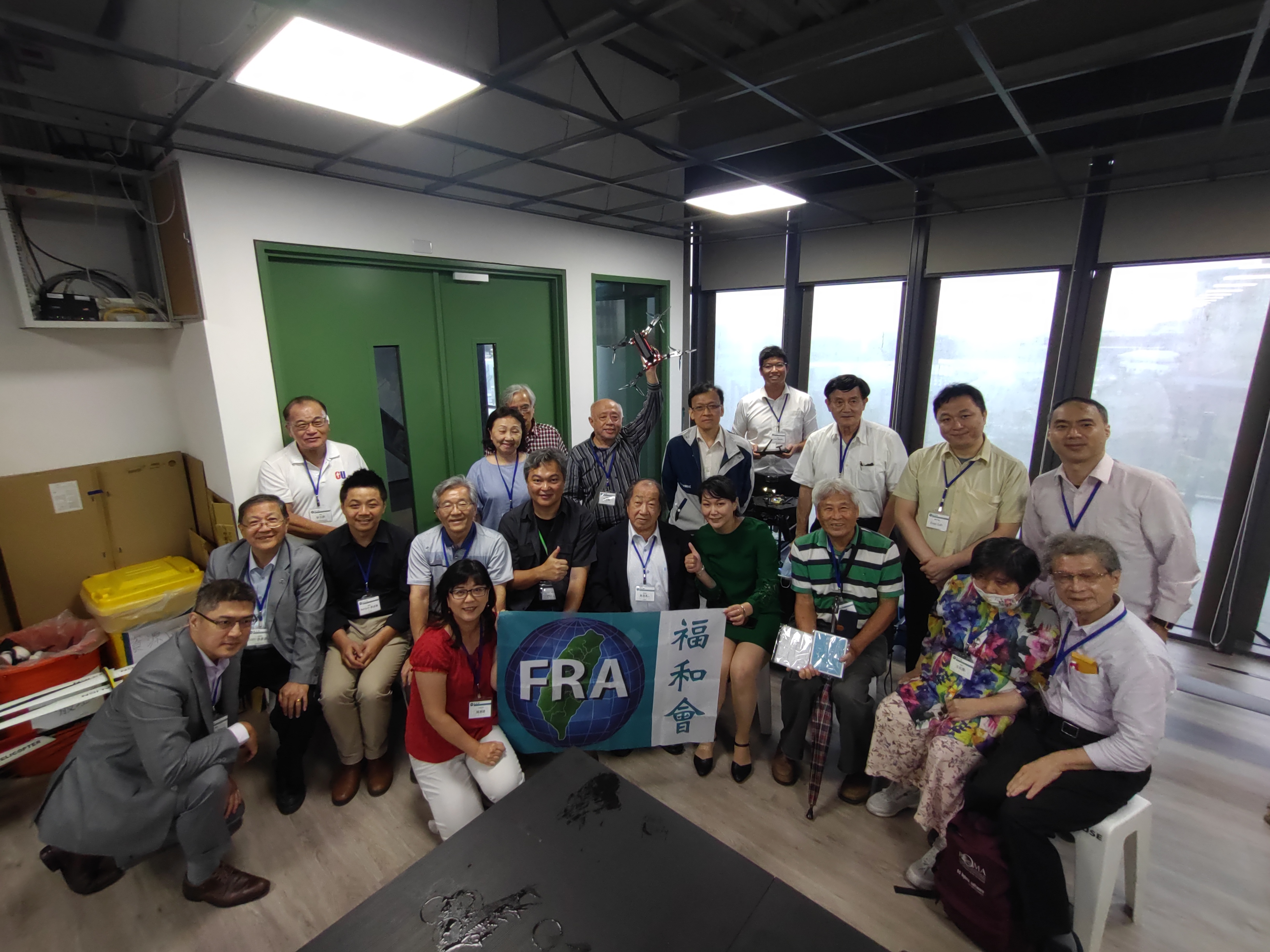
In the afternoon, the delegation traveled to Shalun, Tainan, to visit Taiwan Hope Innovation, gaining an overview of current developments and applications in unmanned aerial vehicles. The visit also included a tour of the company’s office, where multiple UAVs and modified drone platforms were displayed.

FRA Visit Biomedical and UAV Industries FRA Visit Biomedical and UAV Industries FRA Visit Biomedical and UAV Industries FRA Visit Biomedical and UAV Industries FRA Visit Biomedical and UAV Industries FRA Visit Biomedical and UAV Industries FRA Visit Biomedical and UAV Industries FRA Visit Biomedical and UAV Industries FRA Visit Biomedical and UAV Industries FRA Visit Biomedical and UAV Industries FRA Visit Biomedical and UAV Industries FRA Visit Biomedical and UAV Industries FRA Visit Biomedical and UAV Industries FRA Visit Biomedical and UAV Industries FRA Visit Biomedical and UAV Industries FRA Visit Biomedical and UAV Industries

FRA 2023 National Security Forum

2023.7.1

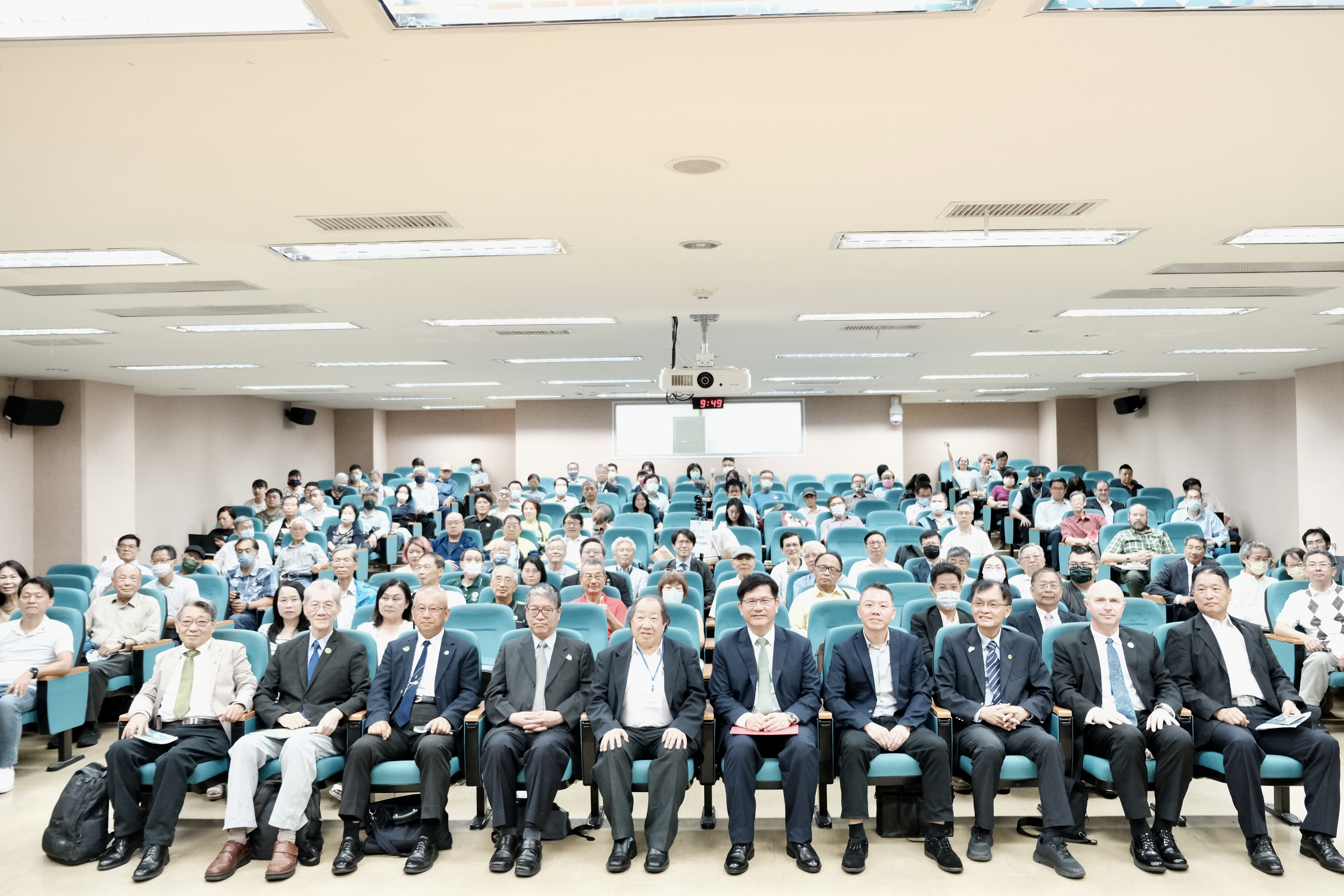
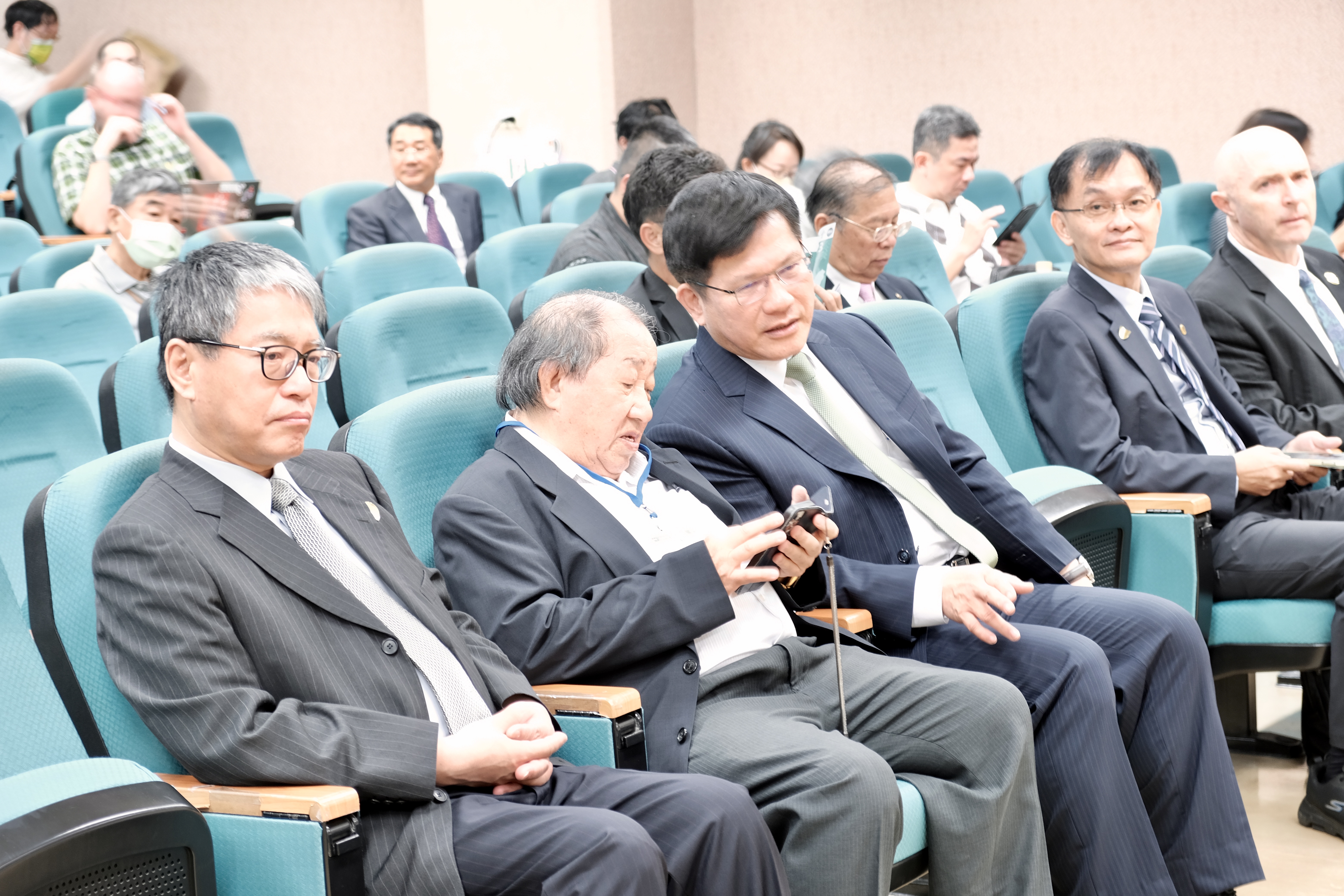
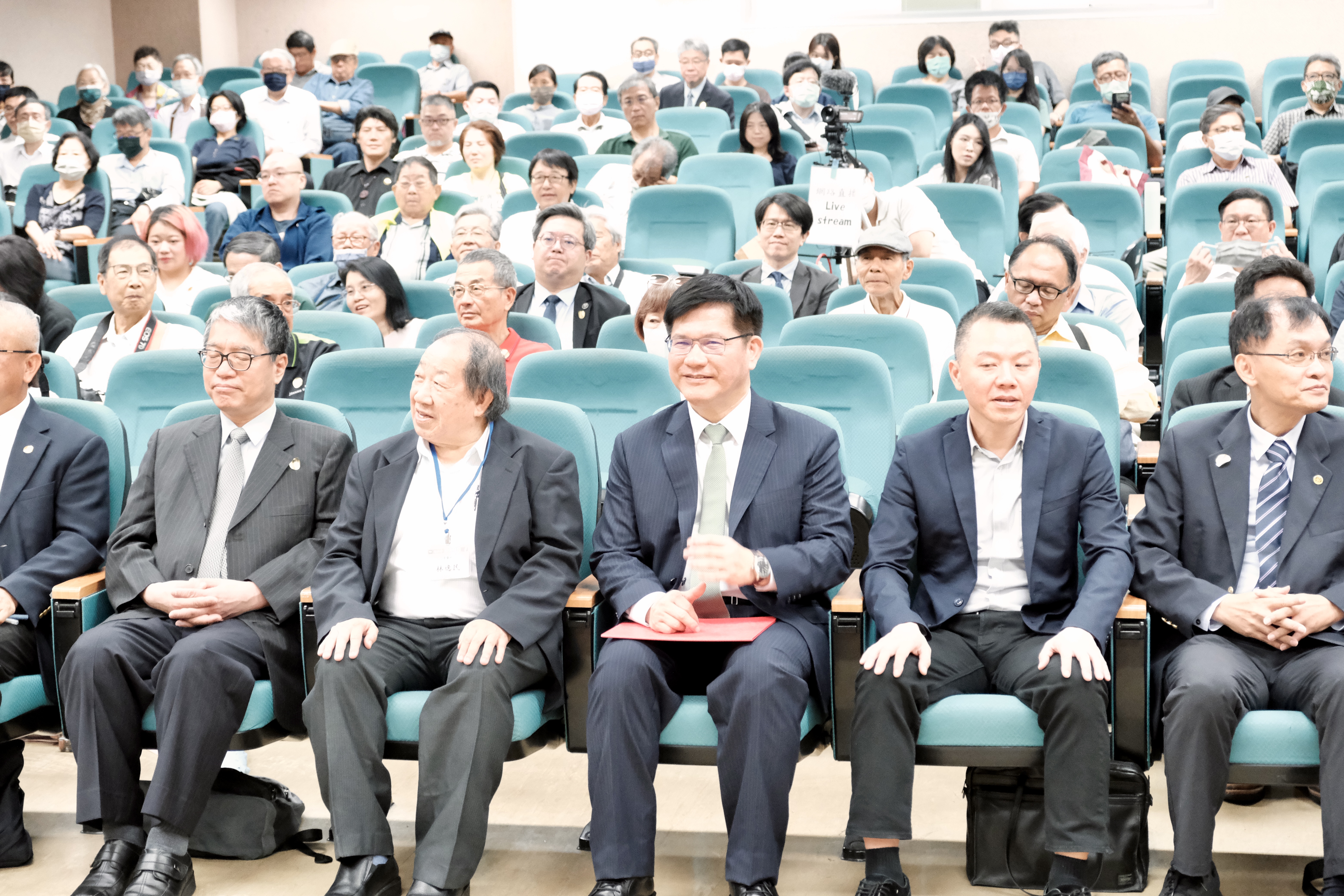
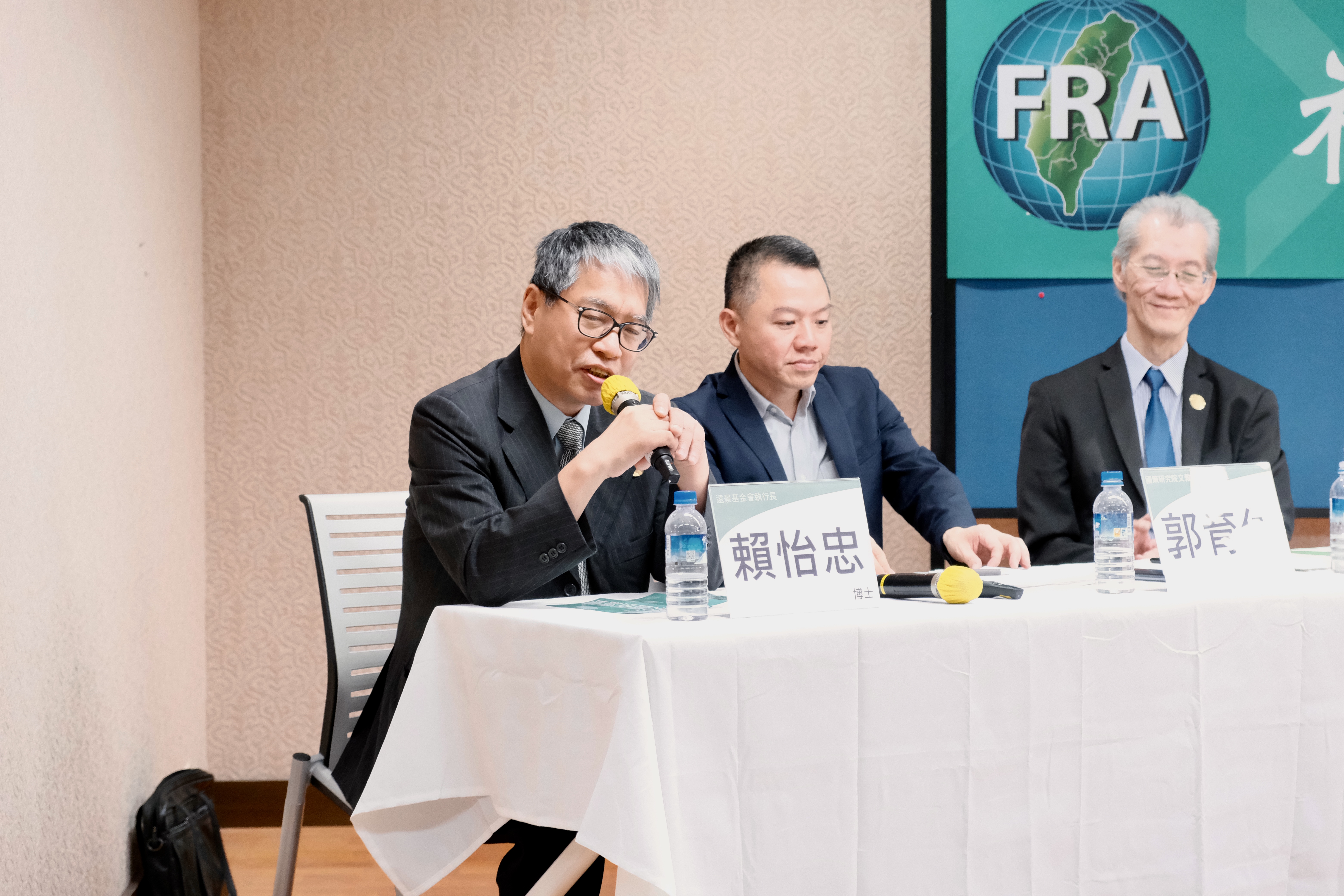
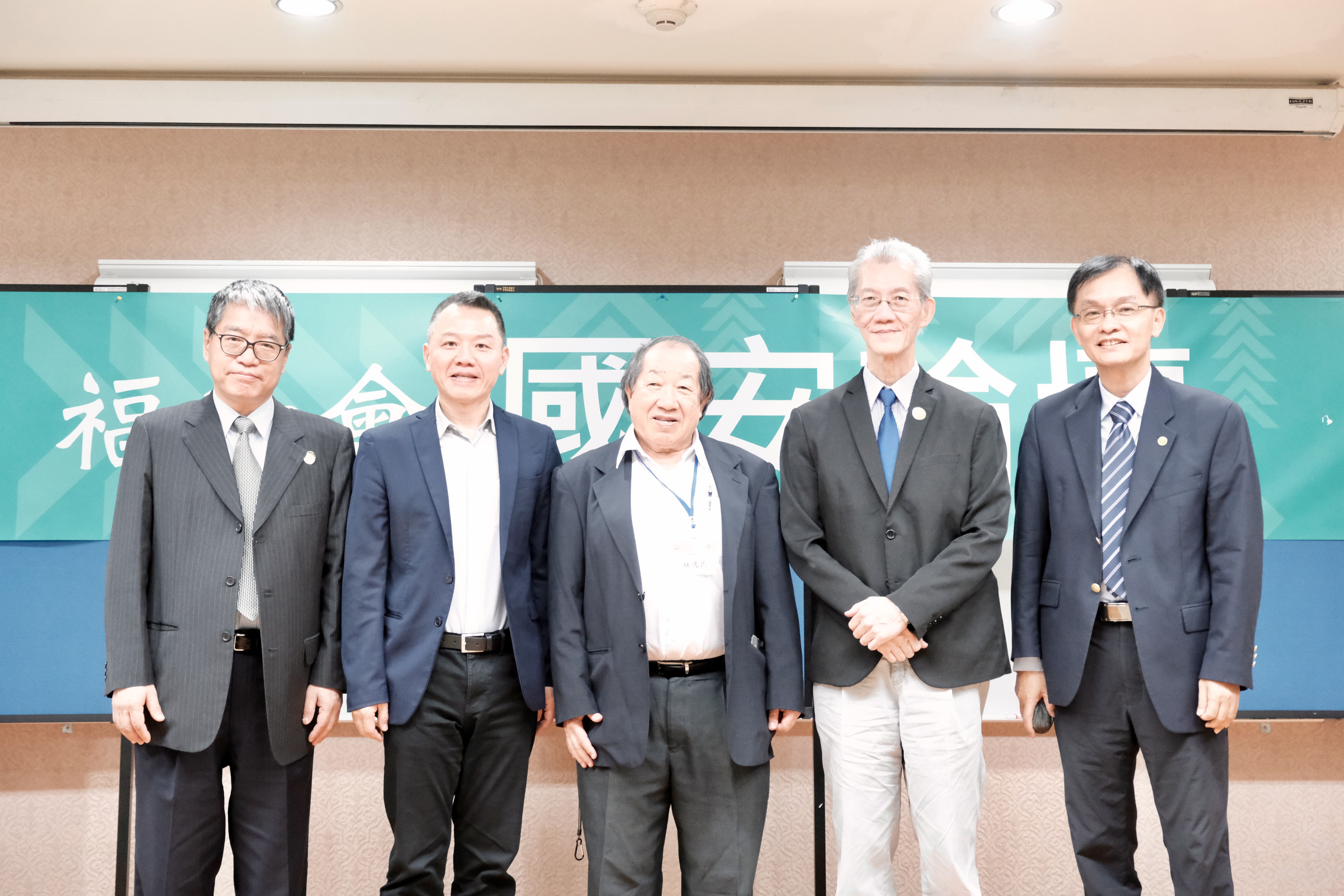
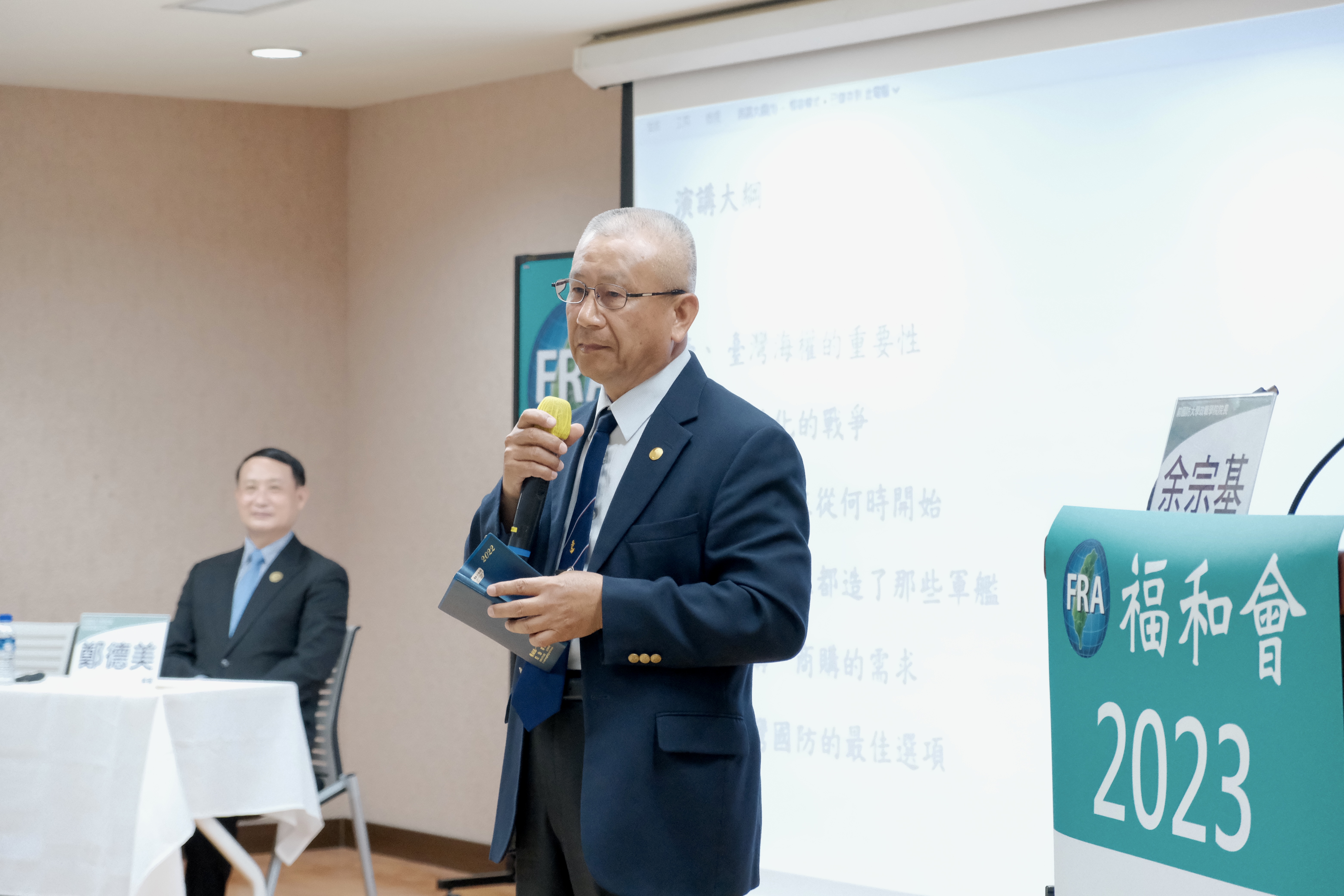
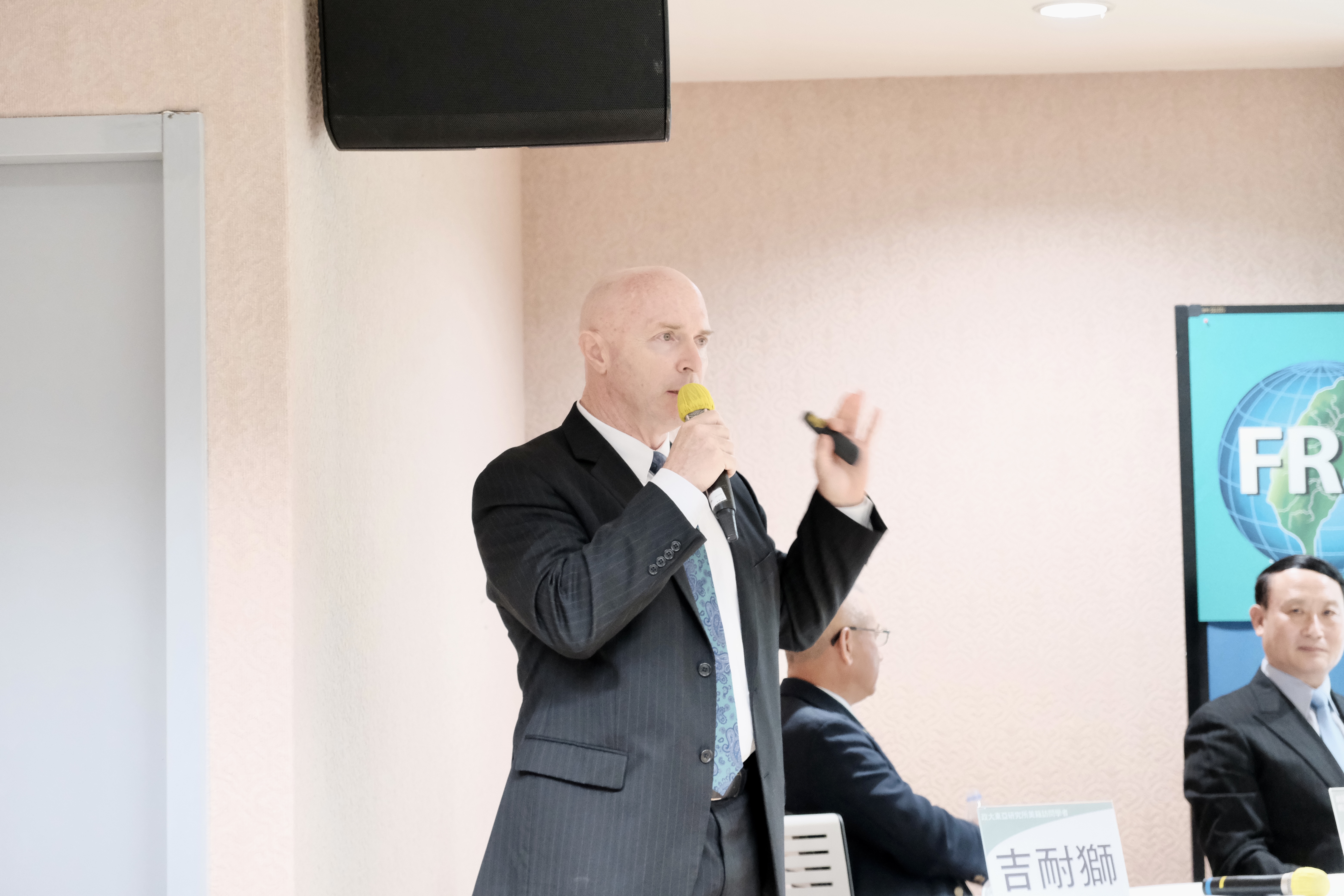
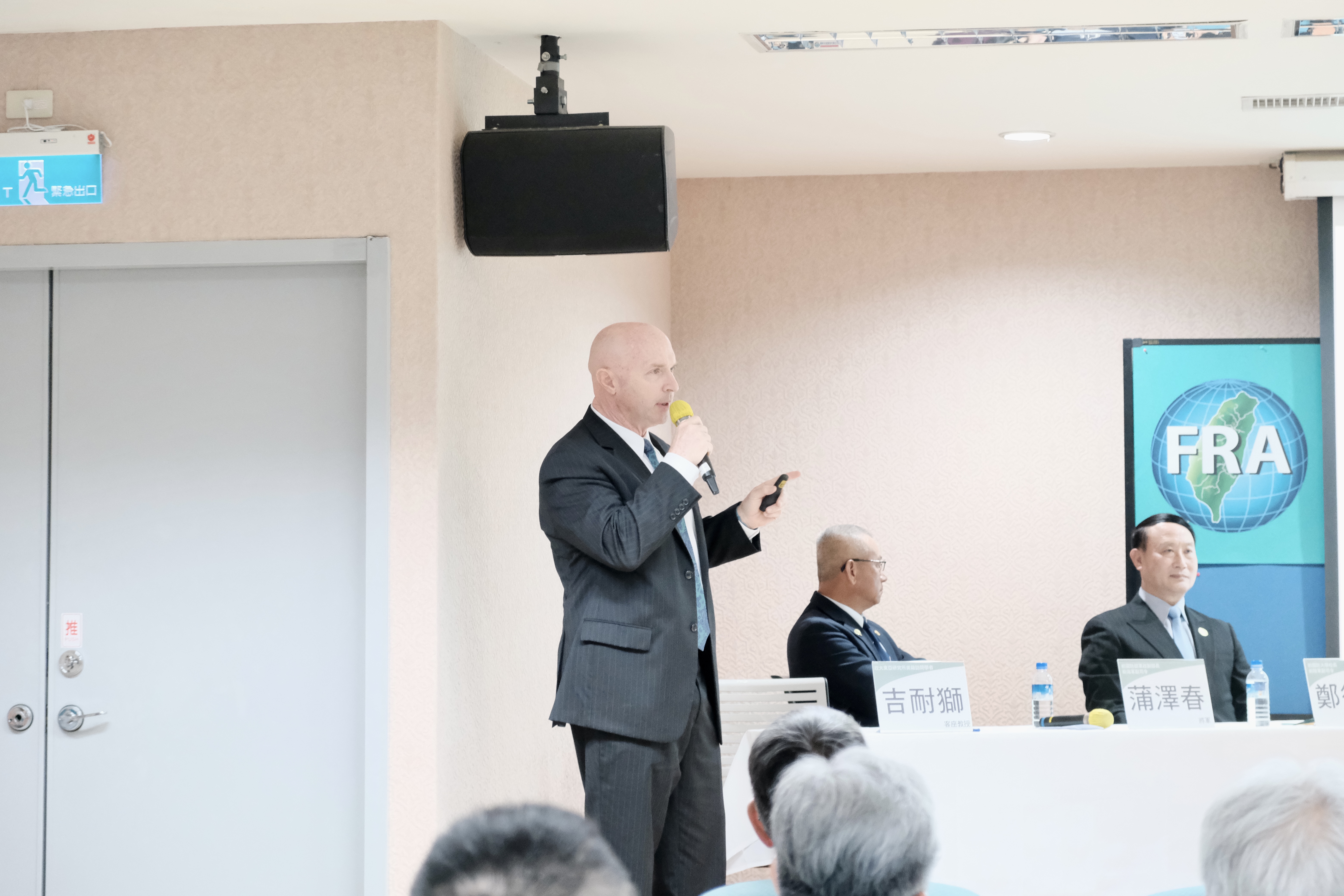
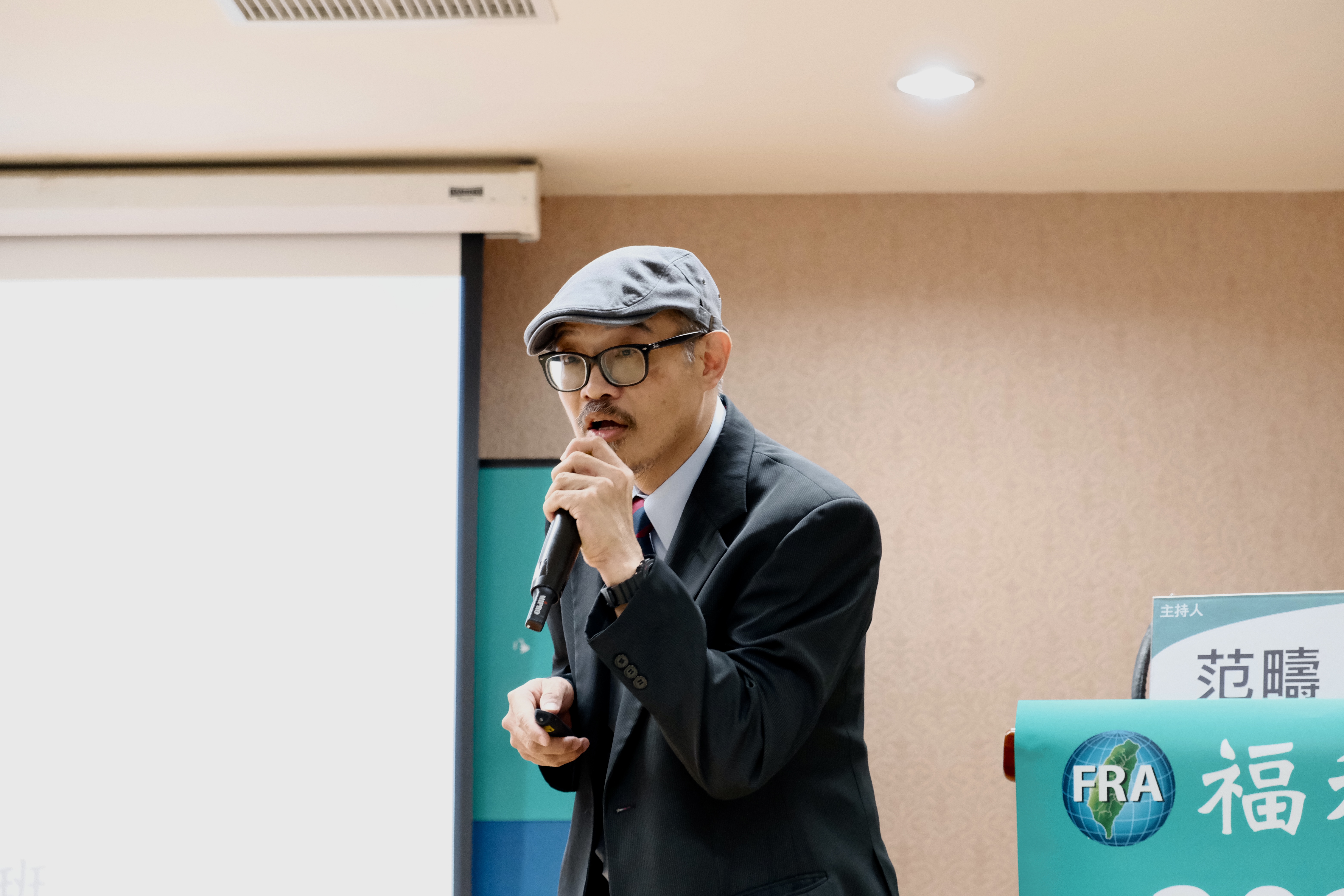
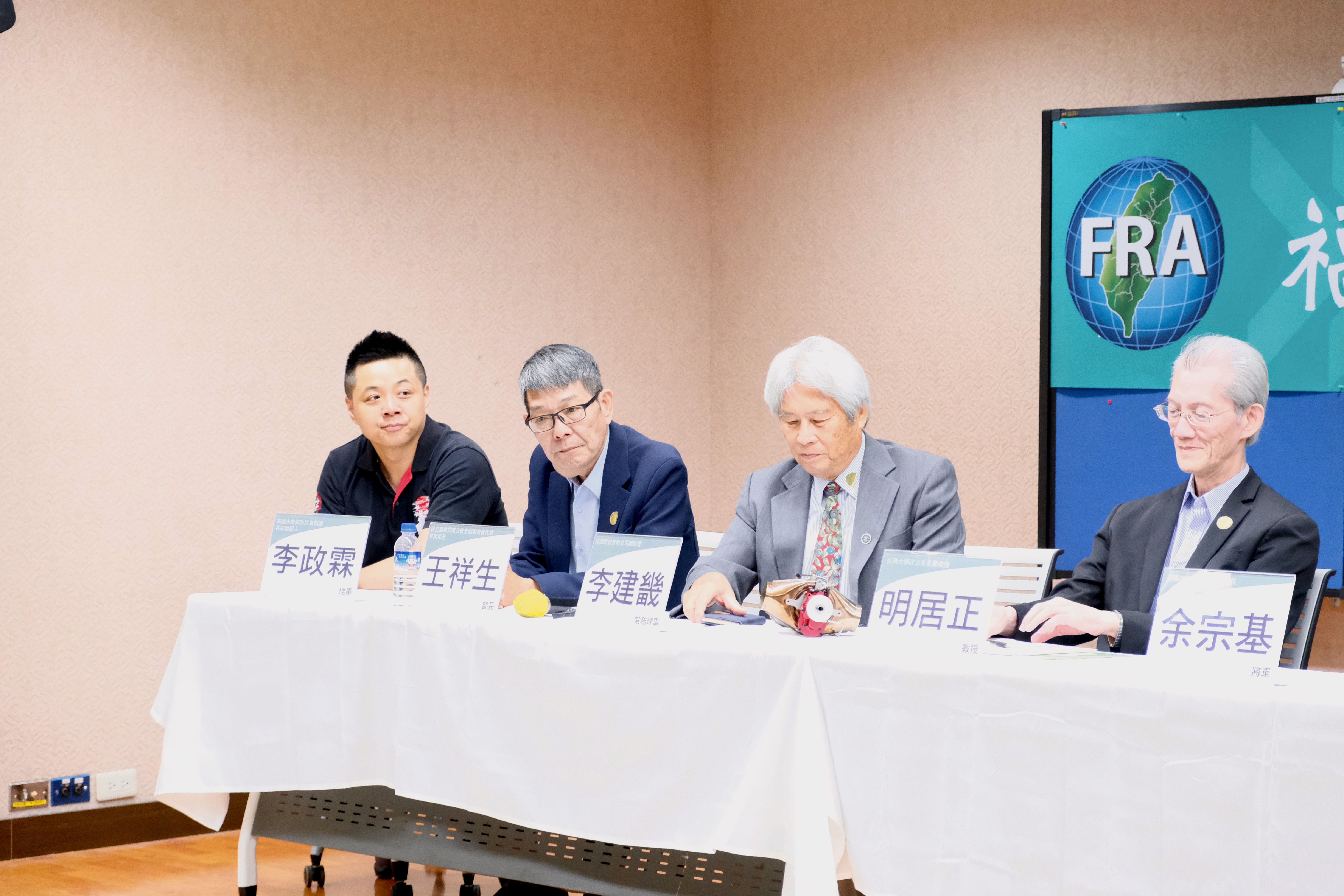
The FRA 2023 National Security Forum opened with remarks by Dr. Lin Chia‑lung, Secretary‑General to the President. The forum brought together leading strategic scholars—Prof. Ming Chu‑cheng, Dr. Lai I‑chung, Prof. Kuo Yu‑jen, and American visiting scholar Guermantes Lailari—alongside senior commanders from the Army, Navy, Air Force, and Political Warfare branches: Gen. Cheng Te‑mei, Gen. Pu Tse‑chun, Gen. Chang Yen‑ting, and Gen. Yu Tsung‑chi. Representatives from private industry, civil society, and trauma medicine also joined, including Minister Wang Hsiang‑sheng and Dr. Chien Li‑chien. The forum was moderated by Fan Chou. With military, government, and civil society united, the participants dedicated their expertise to strengthening Taiwan’s national security and advancing the vision of building Taiwan into a resilient nation.

FRA 2023 National Security Forum FRA 2023 National Security Forum FRA 2023 National Security Forum FRA 2023 National Security Forum FRA 2023 National Security Forum FRA 2023 National Security Forum FRA 2023 National Security Forum FRA 2023 National Security Forum FRA 2023 National Security Forum FRA 2023 National Security Forum FRA 2023 National Security Forum FRA 2023 National Security Forum FRA 2023 National Security Forum FRA 2023 National Security Forum FRA 2023 National Security Forum FRA 2023 National Security Forum FRA 2023 National Security Forum FRA 2023 National Security Forum FRA 2023 National Security Forum FRA 2023 National Security Forum FRA 2023 National Security Forum FRA 2023 National Security Forum FRA 2023 National Security Forum FRA 2023 National Security Forum FRA 2023 National Security Forum FRA 2023 National Security Forum FRA 2023 National Security Forum FRA 2023 National Security Forum FRA 2023 National Security Forum FRA 2023 National Security Forum FRA 2023 National Security Forum

FRA Strategic Energy Industry Tour

2023.4.13

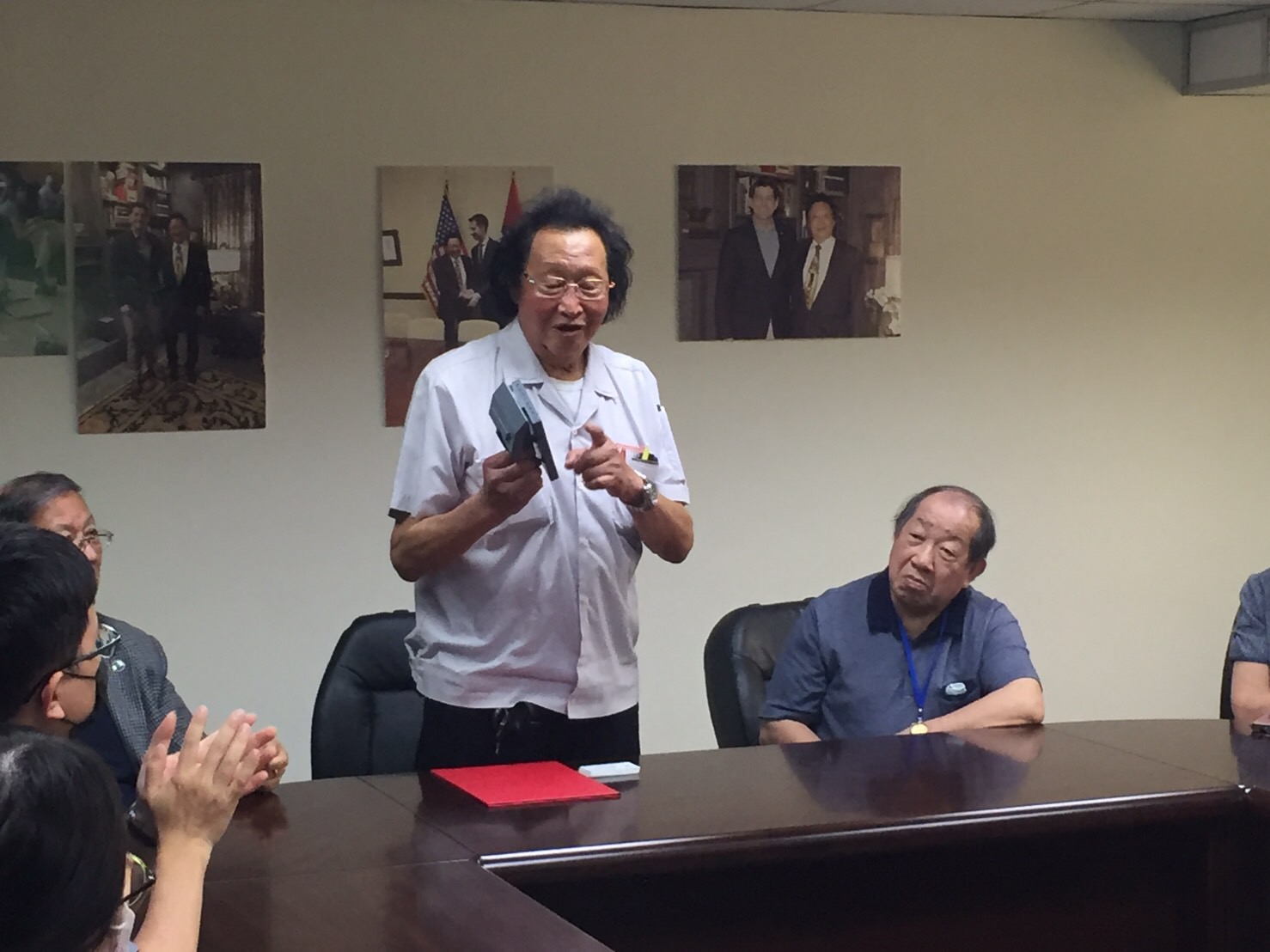
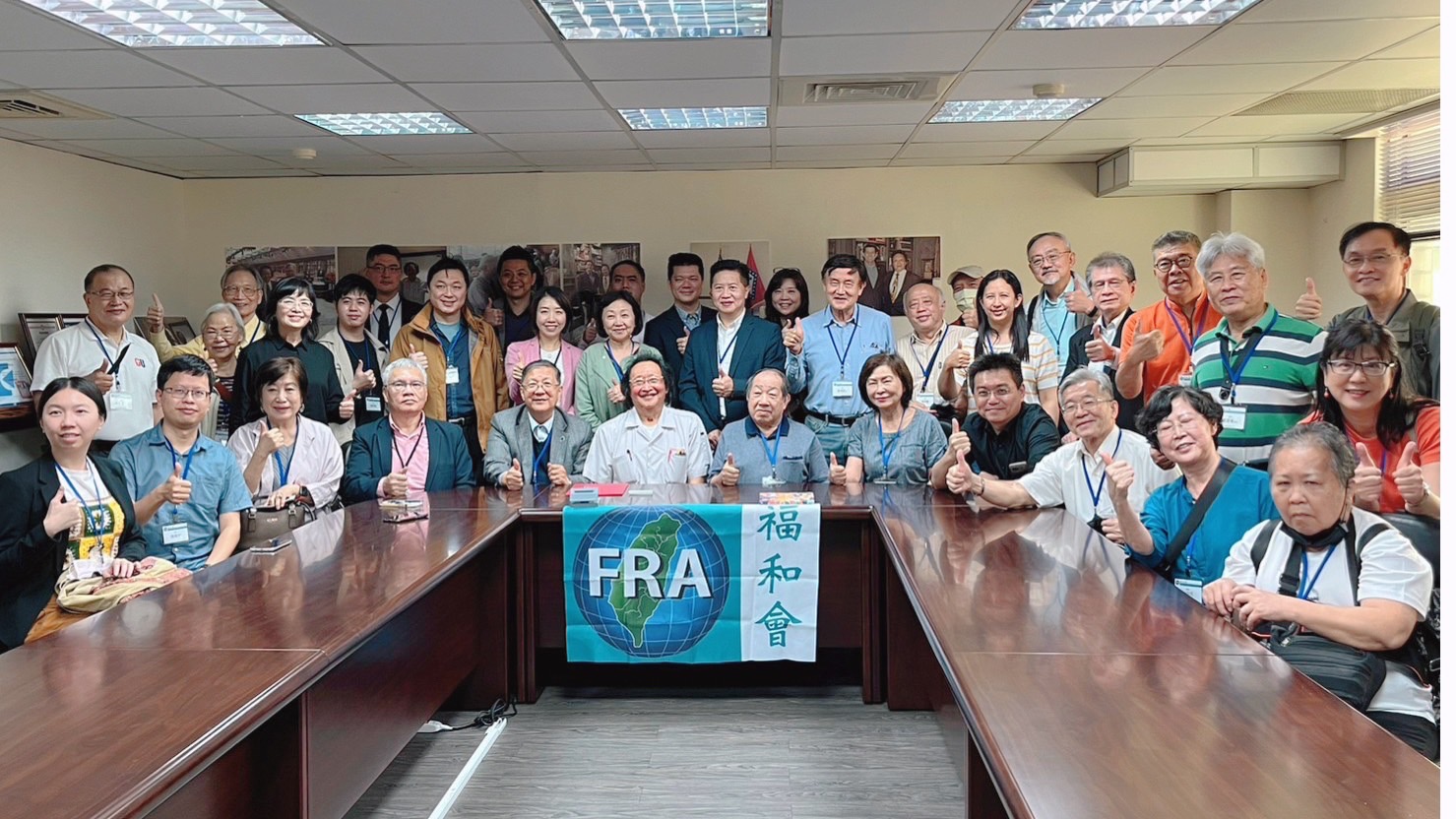
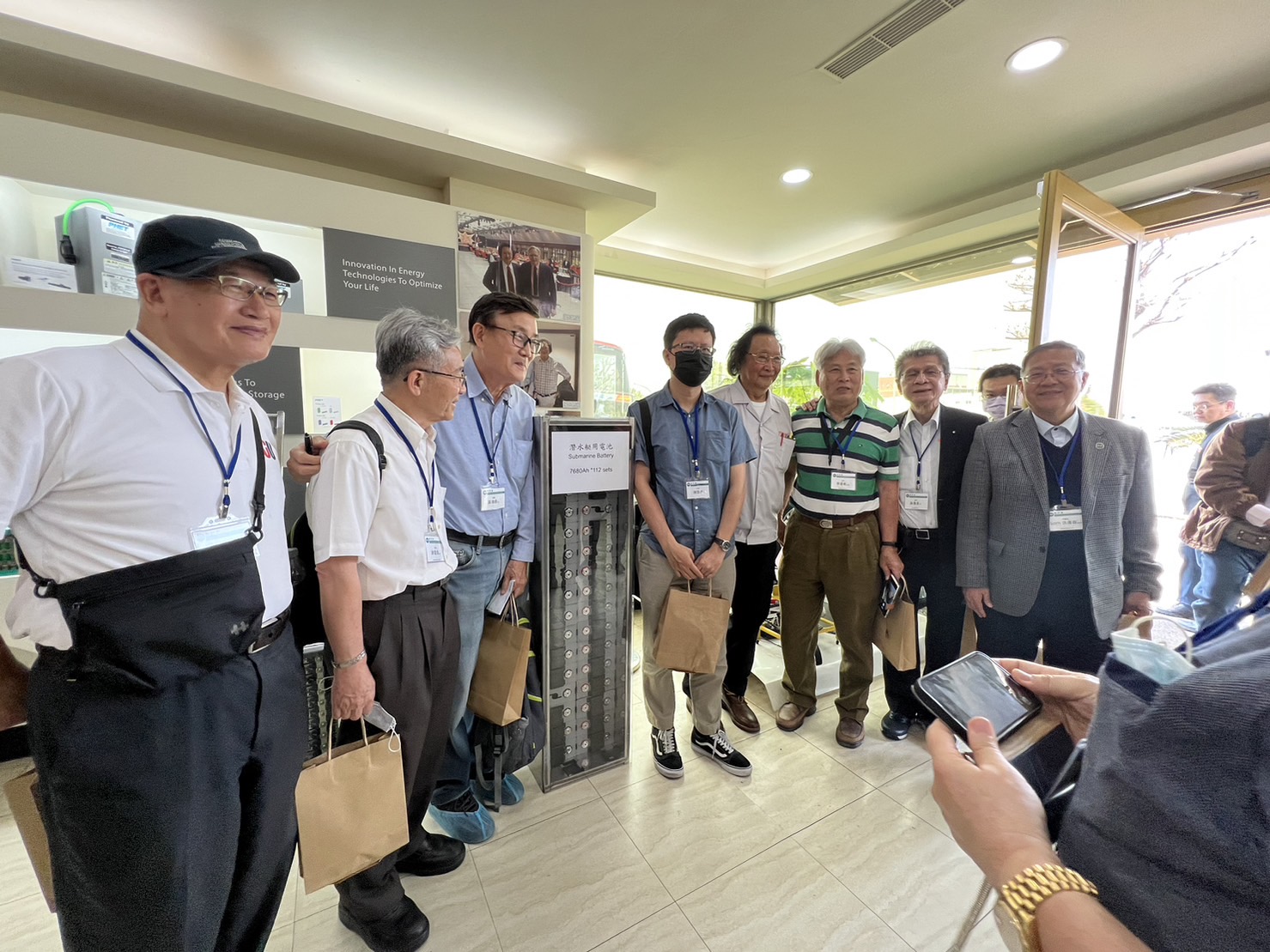
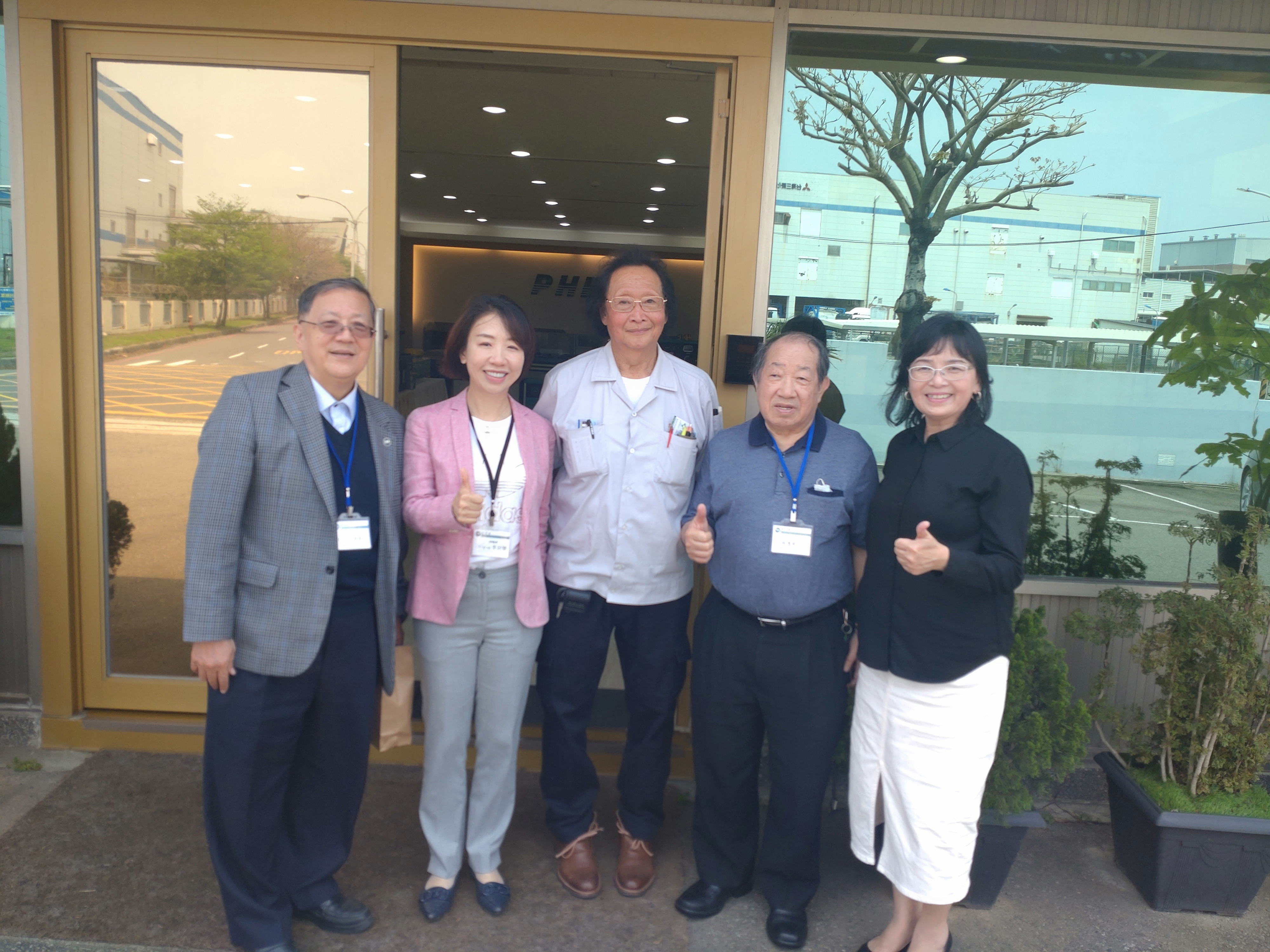
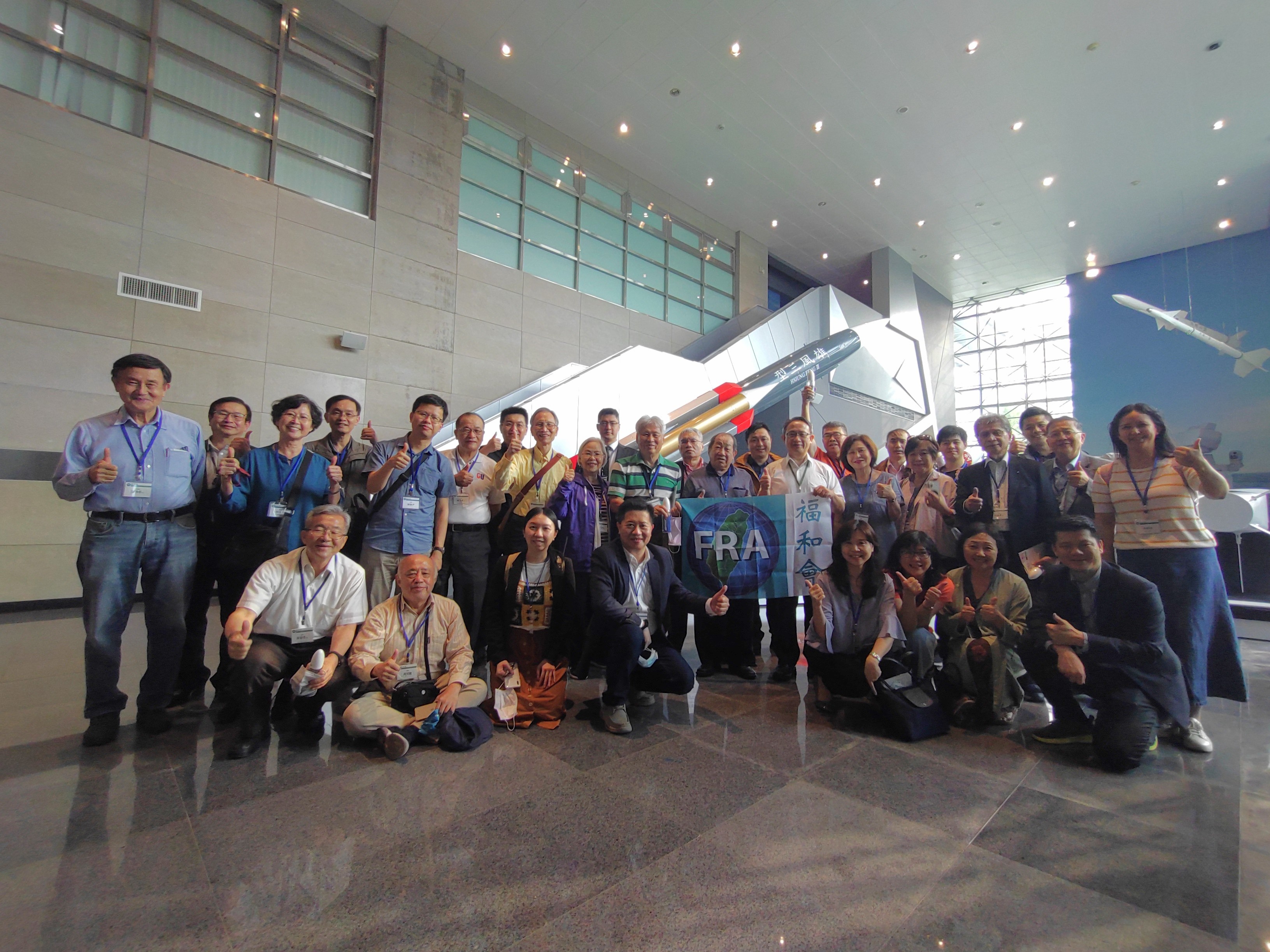
The FRA 2023 Energy Strategy Visit focused on two critical pillars of Taiwan’s future security: battery energy storage, a key component of national energy resilience, and unmanned aerial vehicles (UAVs) and missiles, which are central to modern defense operations. To deepen understanding of these strategic sectors, the delegation visited Bipower, a leading battery manufacturer, followed by the National Chung‑Shan Institute of Science and Technology (NCSIST), the core institution responsible for the military’s research and technological development.

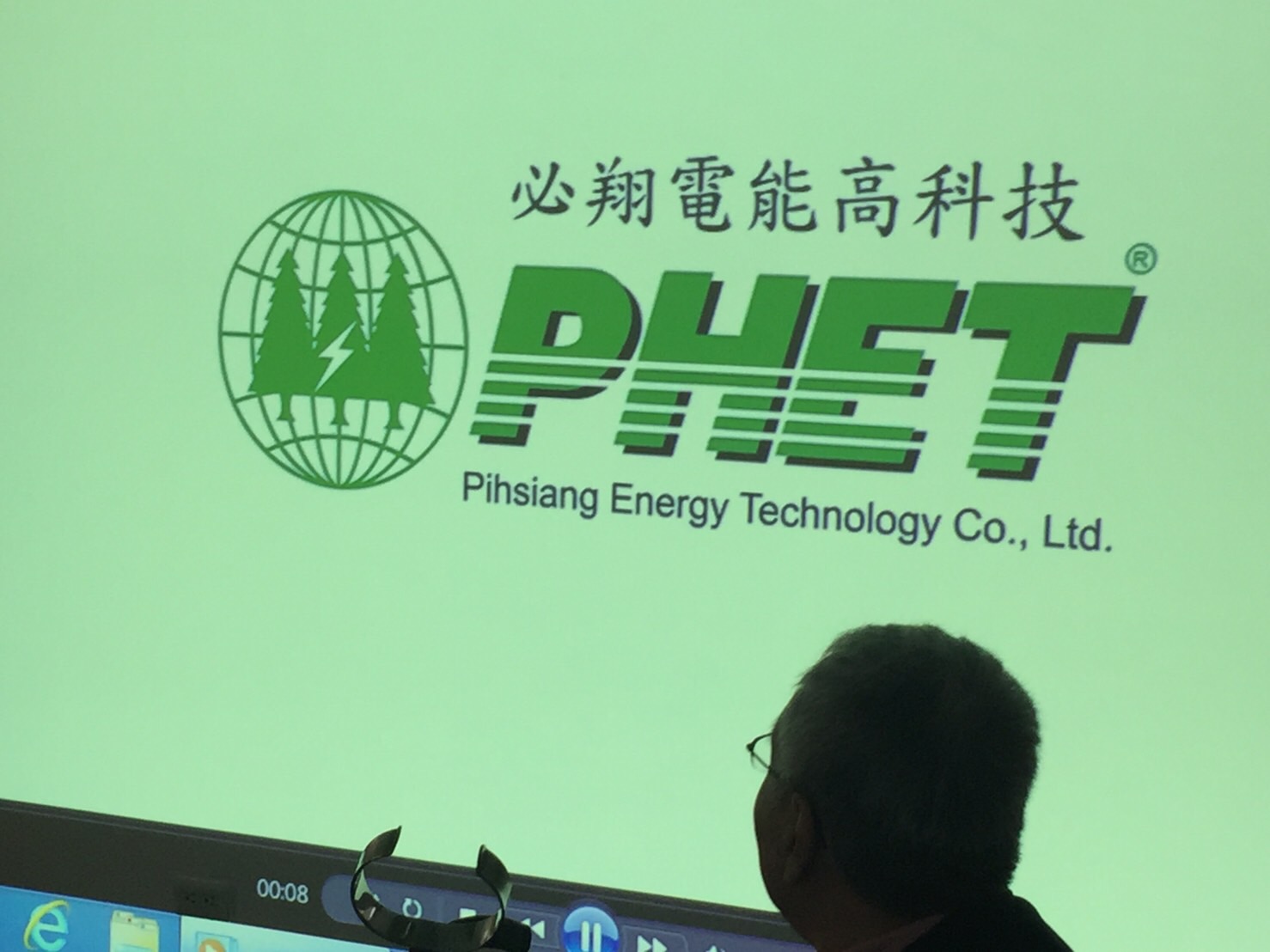
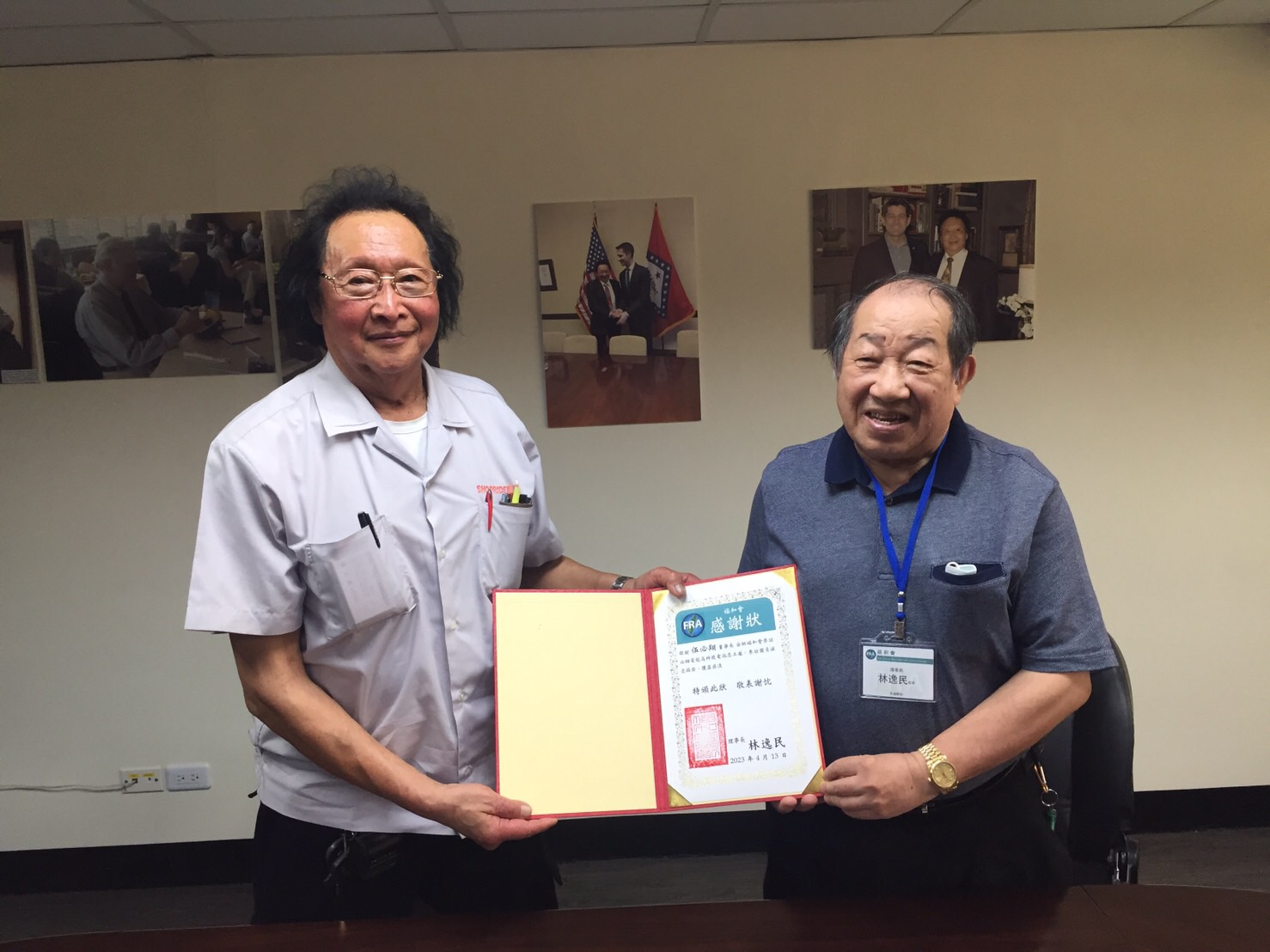
In the morning, the delegation visited Bipower, a company that began with electric mobility scooters and later advanced into the development of lithium iron phosphate (LFP) batteries. Founder Wu Bi‑xiang personally hosted the visit, recounting how his lifelong passion for invention led him into entrepreneurship. Today, Bipower’s batteries serve as critical components in platforms ranging from spacecraft to submarines. Bipower conducted live safety demonstrations comparing mainstream ternary lithium batteries with its own LFP batteries. When a ternary lithium battery was punctured, it immediately emitted sparks, exploded, and burst into flames—illustrating its high energy density but also its high inherent risk. In contrast, Bipower’s LFP battery remained remarkably stable after puncture; its battery‑management circuitry automatically isolated the damaged cell, and the pack continued functioning even when submerged in water. Founder Wu further demonstrated the robustness of the technology by striking the battery pack of a running electric vehicle with a stone. The vehicle’s operation remained completely unaffected, underscoring the exceptional safety and durability of Bipower’s LFP battery systems.

Bipower also presented each member of the FRA delegation with a solar‑powered desk lamp, a product the company developed in cooperation with the United Nations for charitable distribution in Africa. In regions without access to electricity, the lamp’s solar panel generates power during the day and stores it in the battery, providing a reliable light source at night. Beyond benefiting communities across African nations, the device is also highly useful for disaster preparedness, outdoor activities, and camping, demonstrating Bipower’s commitment to both humanitarian impact and practical resilience.

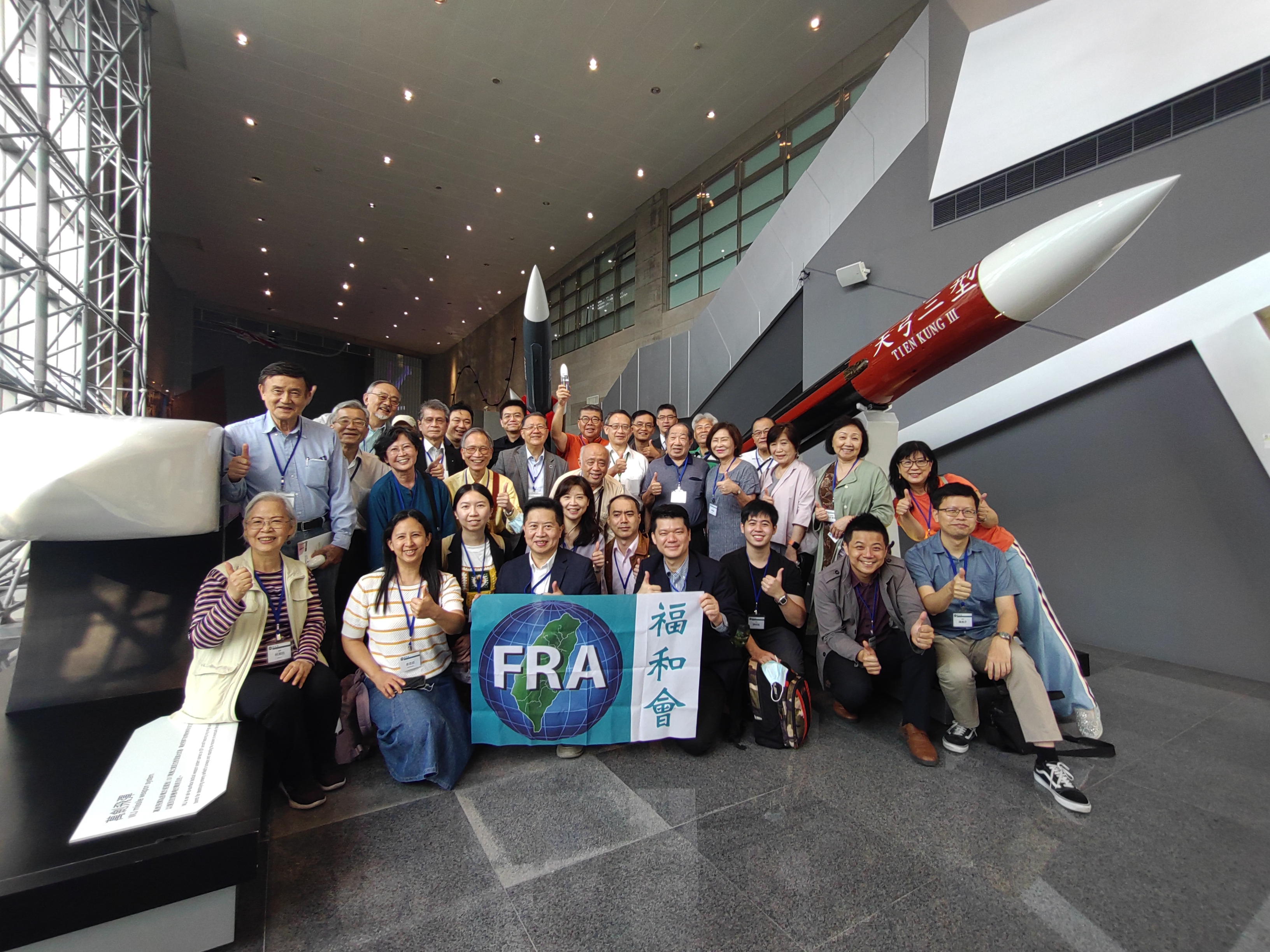
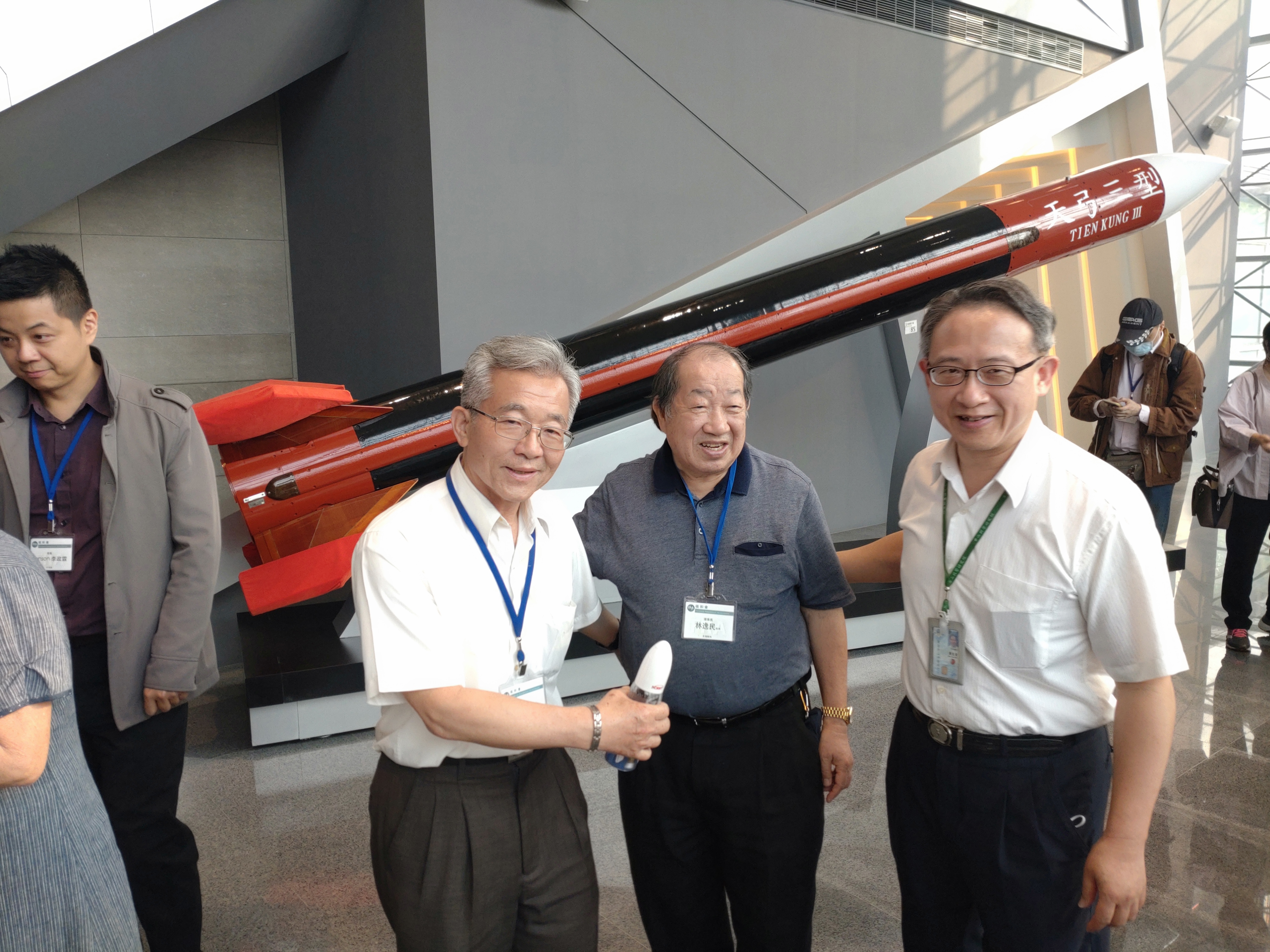
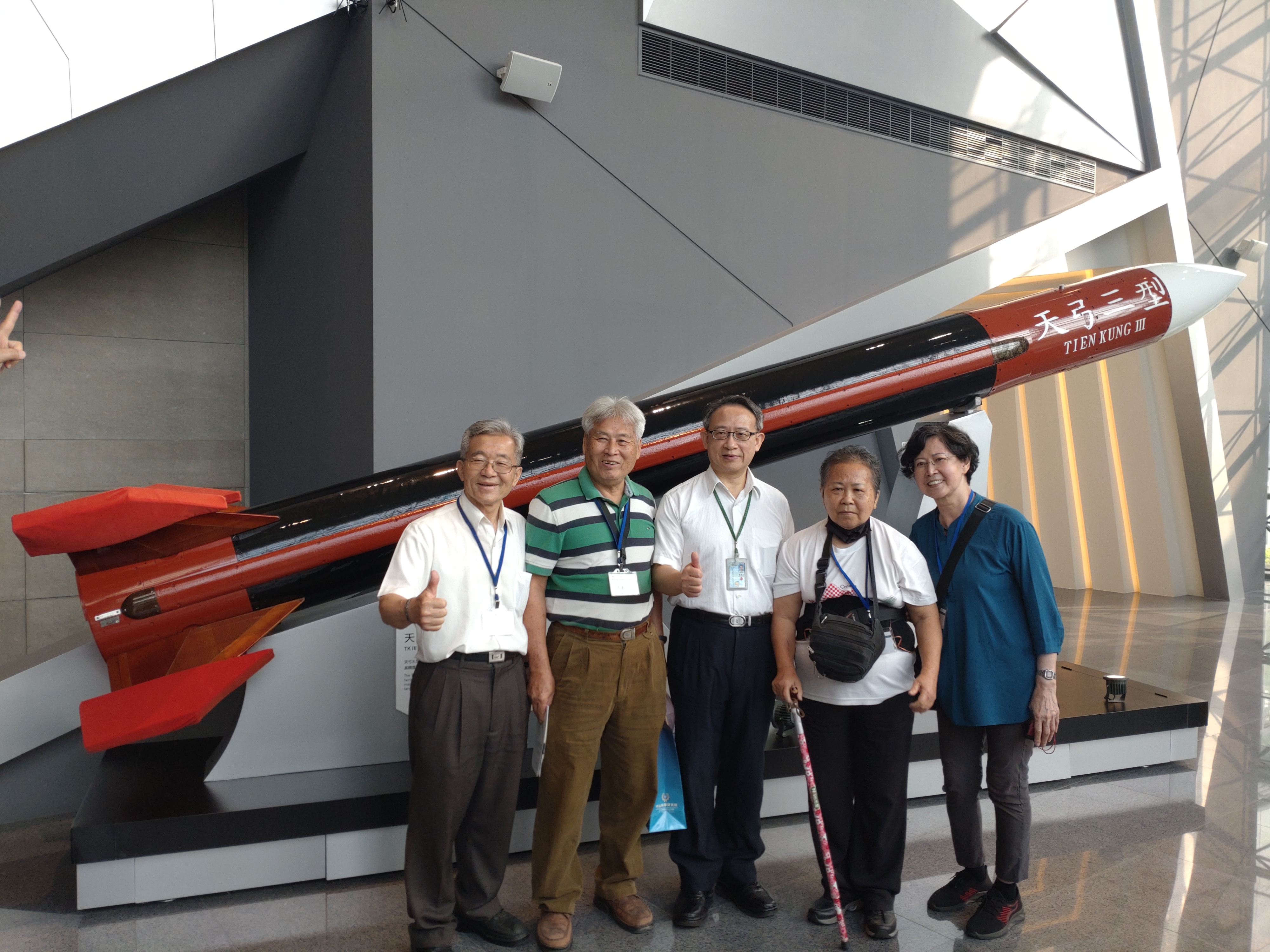
In the afternoon, the delegation visited the National Chung‑Shan Institute of Science and Technology (NCSIST). Guided by NCSIST volunteer docents, the group learned about the institute’s history and its extensive contributions to Taiwan’s defense technology. The visit covered NCSIST’s development of fighter aircraft, trainer aircraft, unmanned aerial vehicles, and the Thunderbolt‑2000 (RT‑2000) multiple‑launch rocket system, a key asset for counter‑amphibious operations. The delegation also viewed various rocket systems of different ranges and NCSIST’s portfolio of indigenously developed missiles, including the Tien Kung (Sky Bow) air‑defense missile series and the Hsiung Feng anti‑ship missile family. Participants then experienced the 360‑degree panoramic flight simulator, which recreated the sensation of carrying out a mission aboard a Black Hawk helicopter—a highly immersive and realistic experience.

FRA Strategic Energy Industry Tour FRA Strategic Energy Industry Tour FRA Strategic Energy Industry Tour FRA Strategic Energy Industry Tour FRA Strategic Energy Industry Tour FRA Strategic Energy Industry Tour FRA Strategic Energy Industry Tour FRA Strategic Energy Industry Tour FRA Strategic Energy Industry Tour FRA Strategic Energy Industry Tour FRA Strategic Energy Industry Tour FRA Strategic Energy Industry Tour FRA Strategic Energy Industry Tour

FRA 2023 Labor Force National Forum

2023.4.8

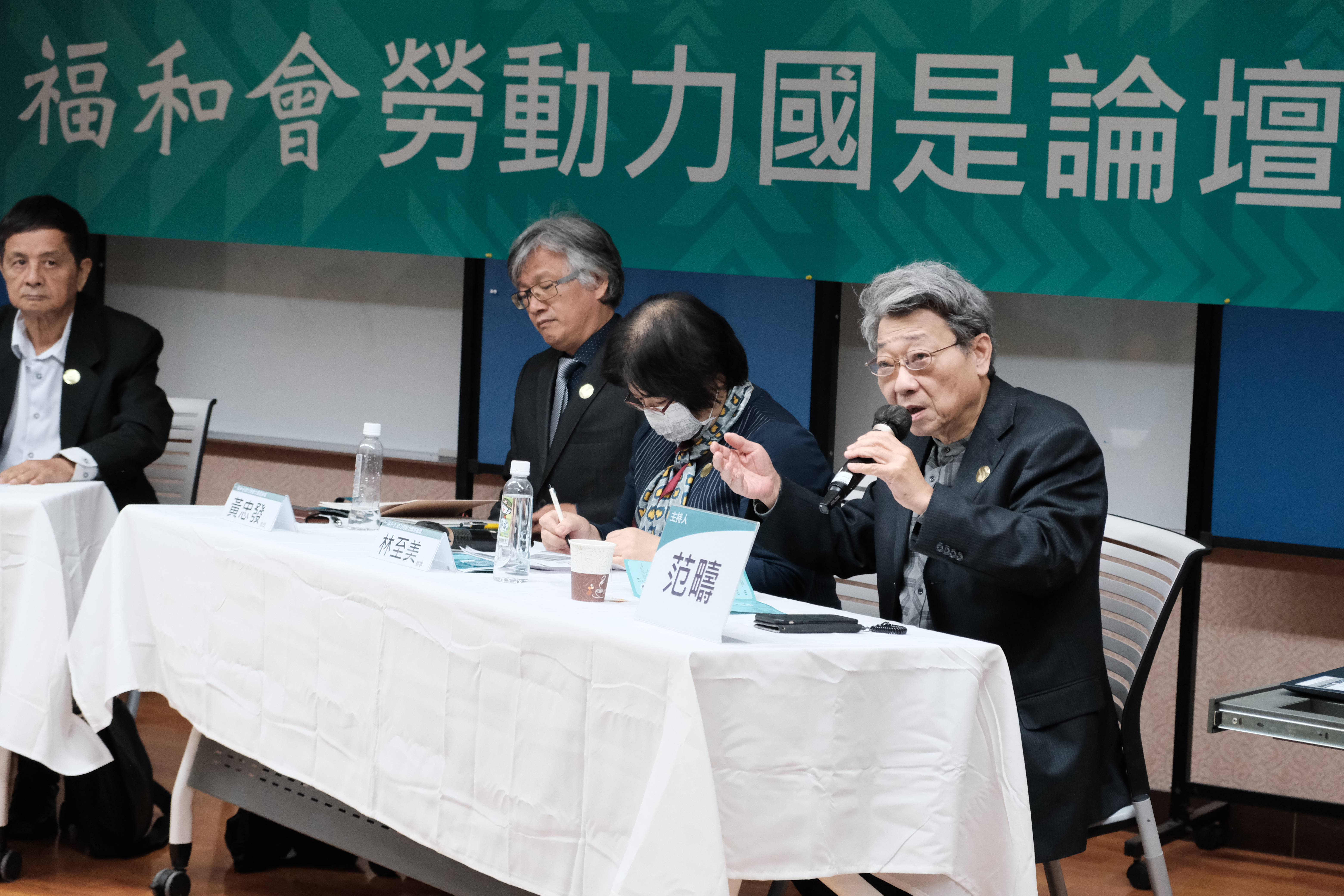
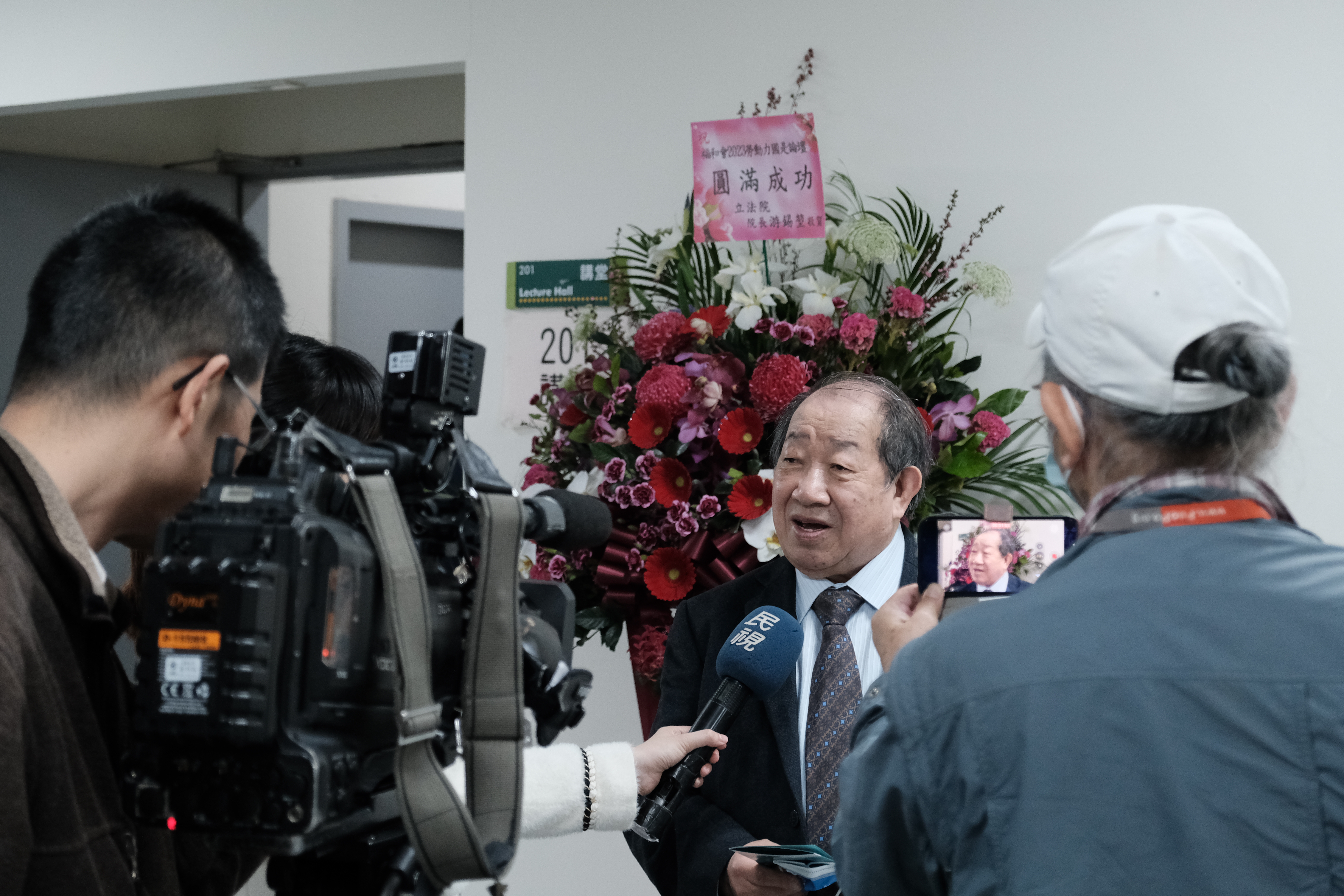
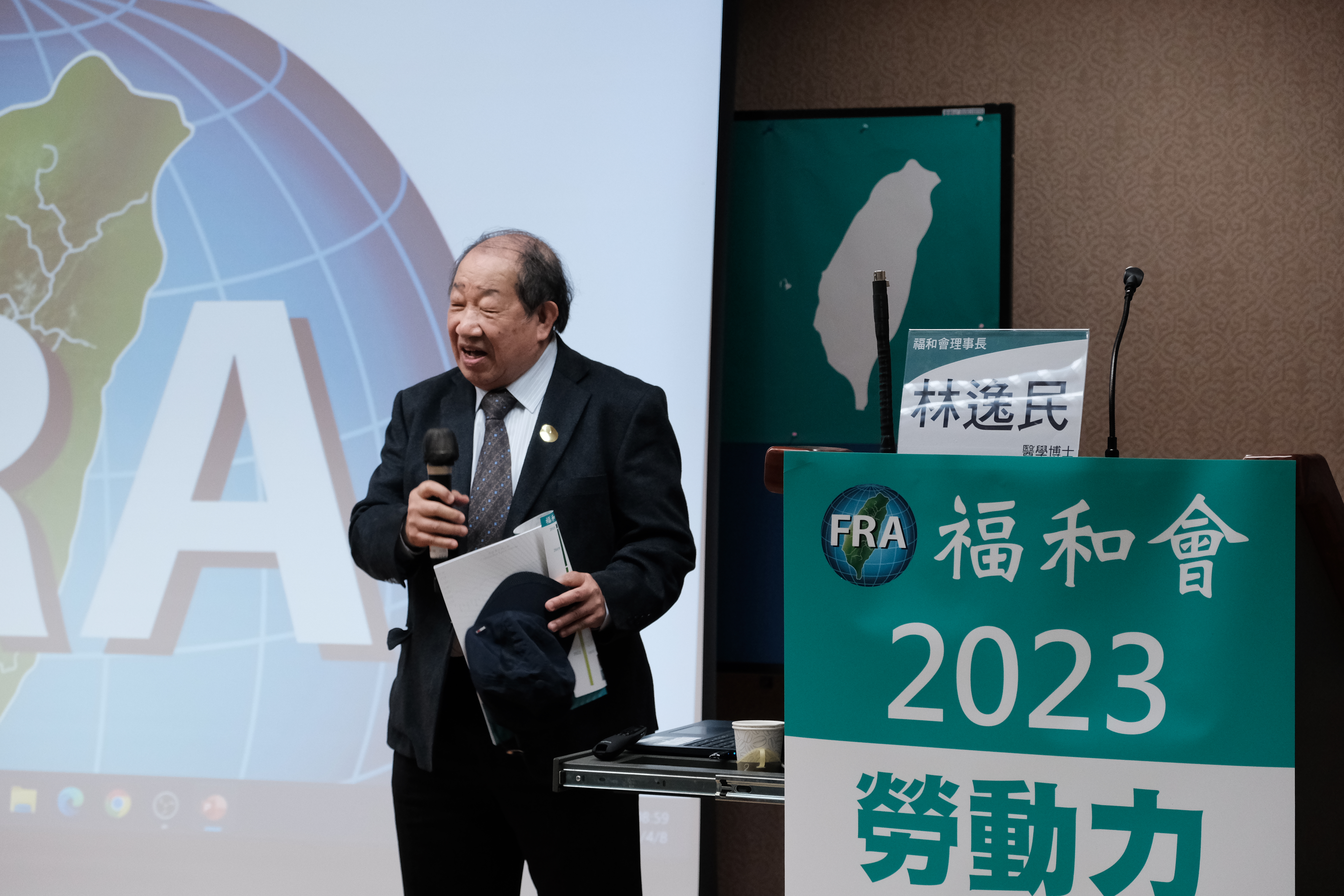
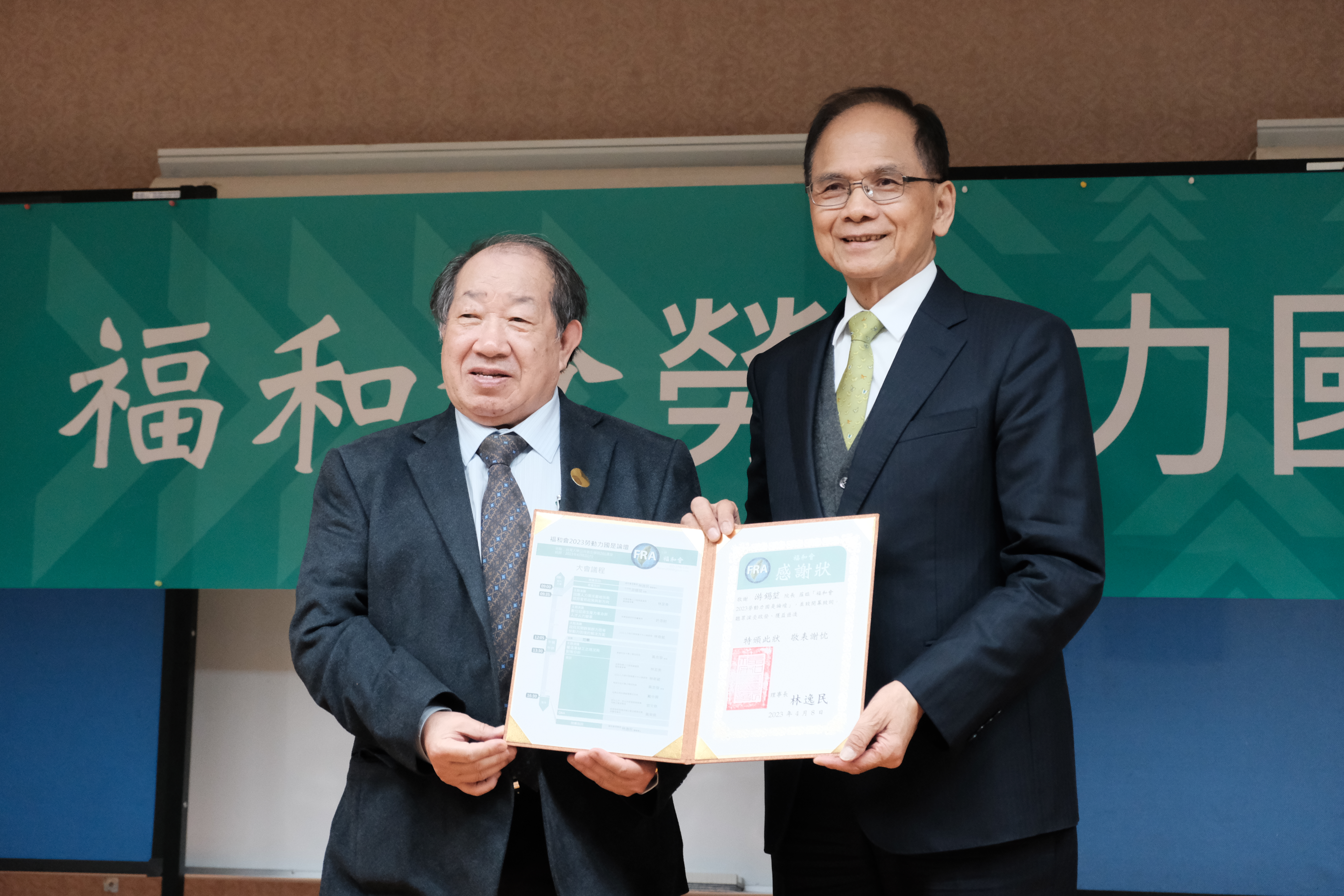
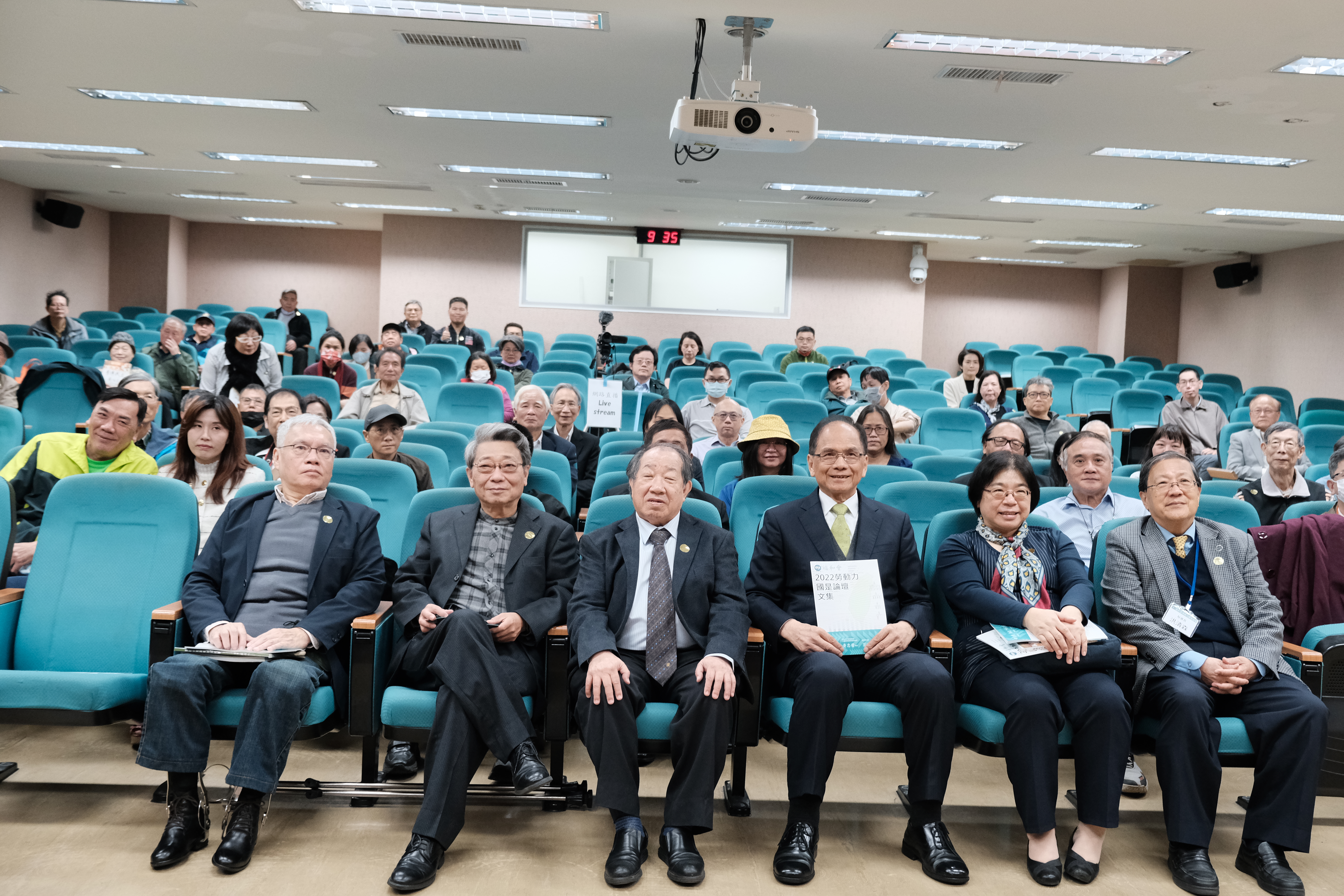
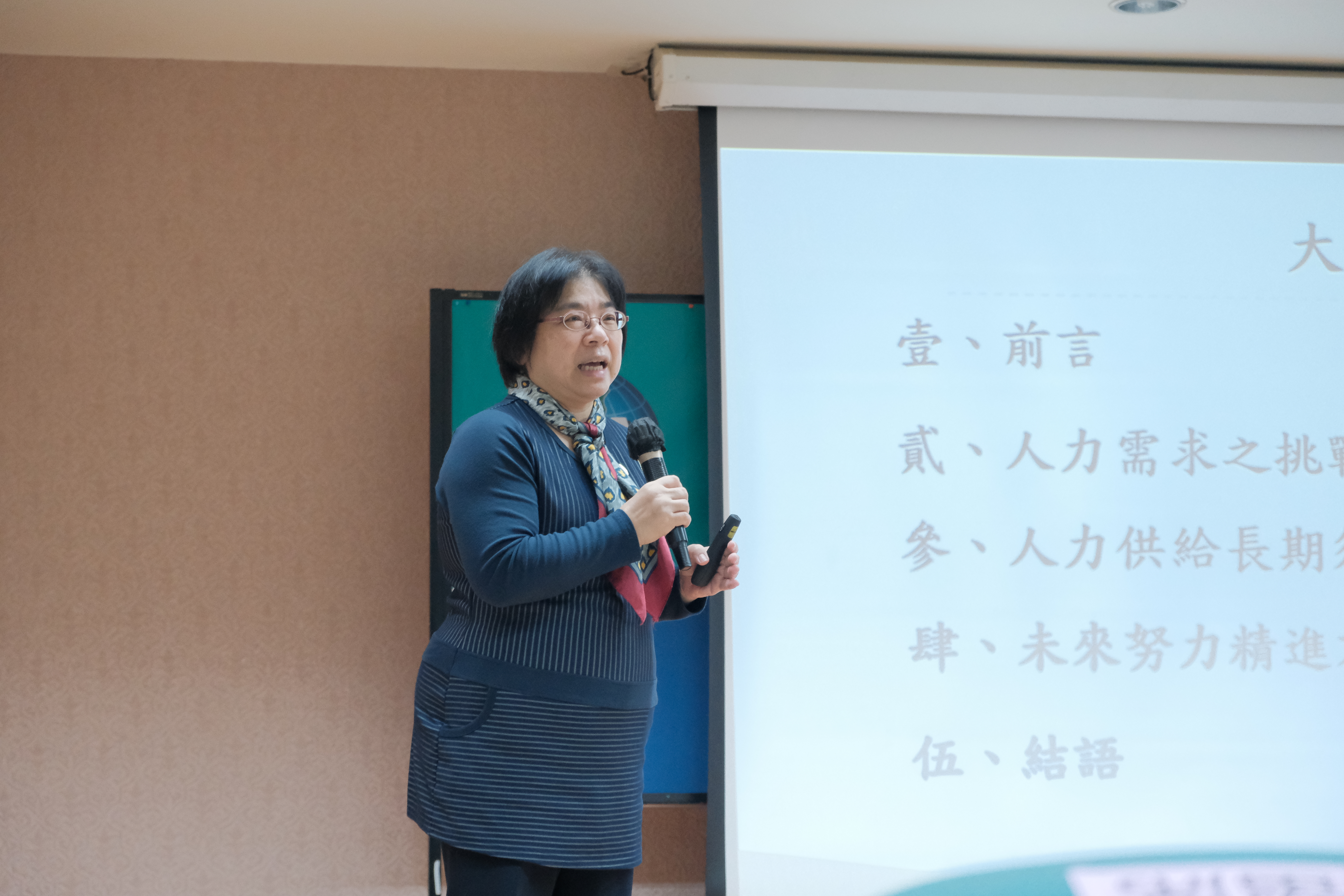
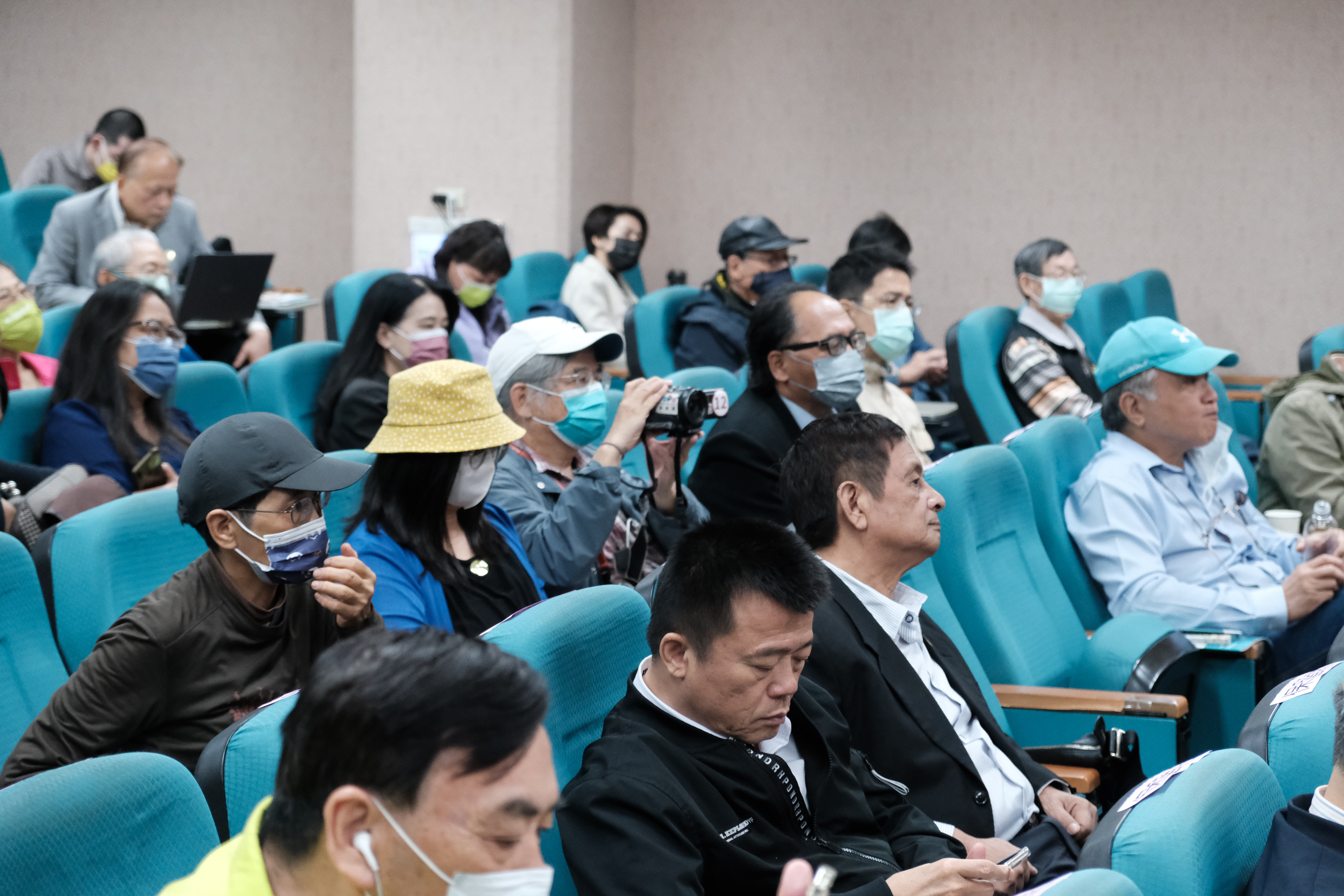
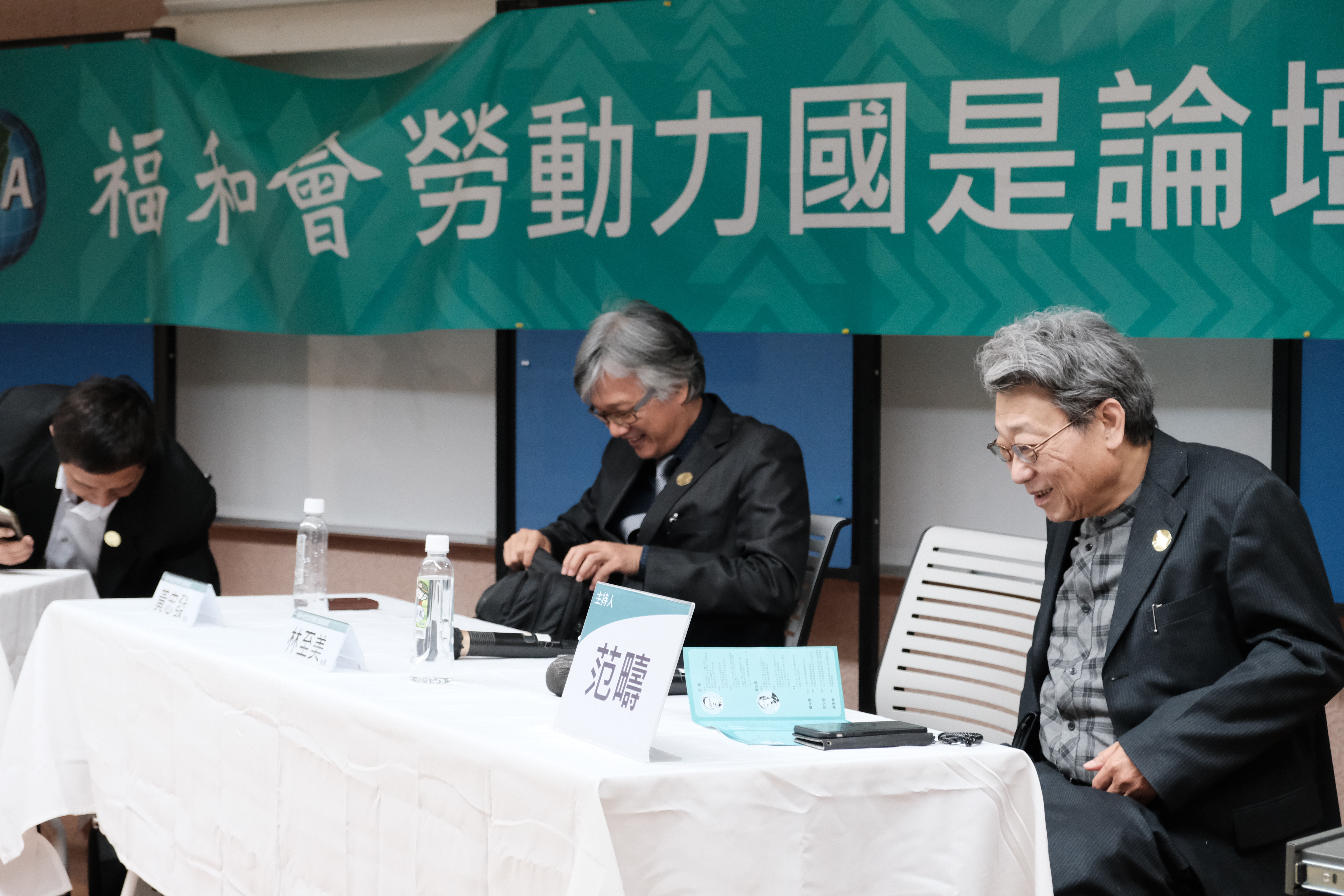
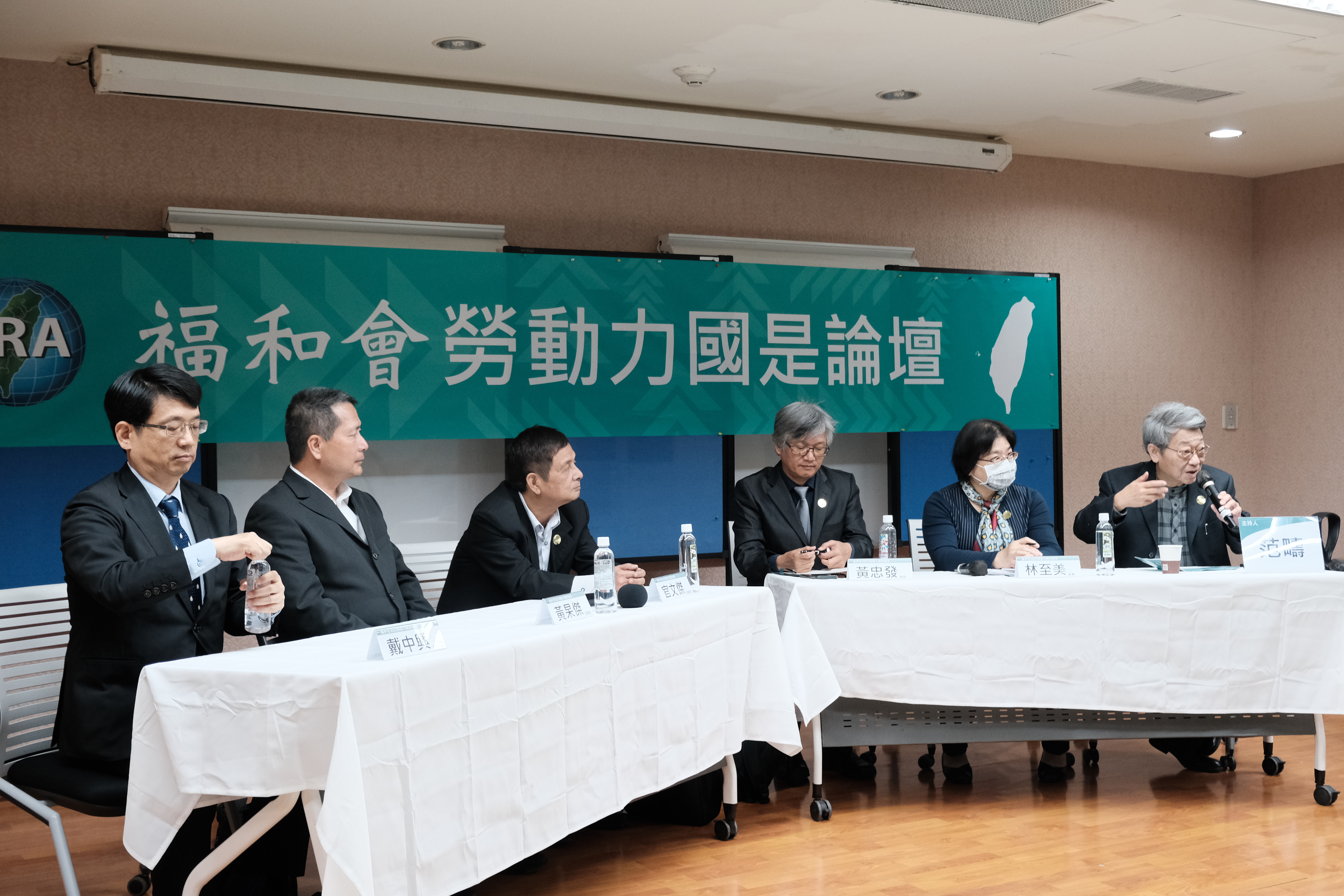
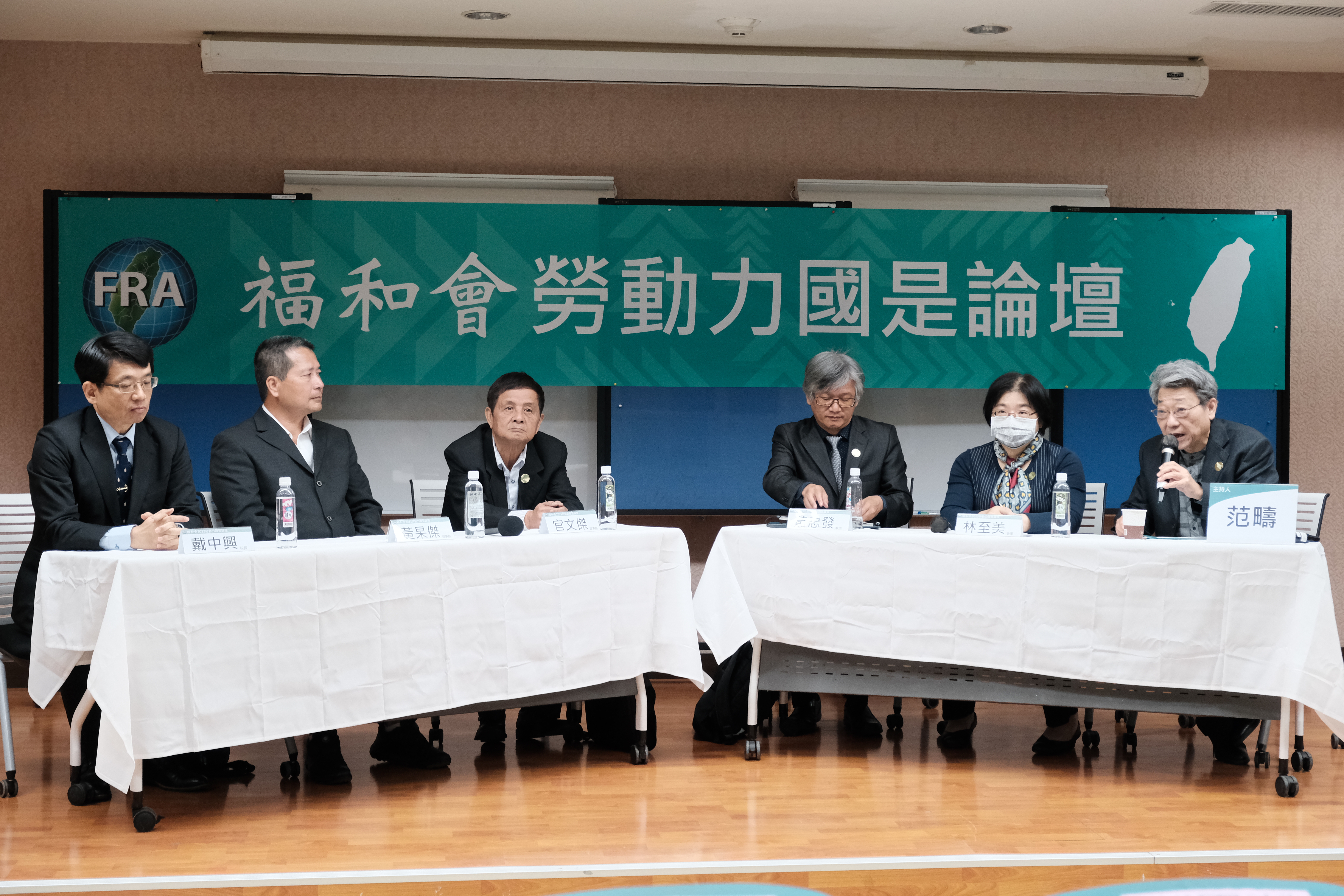
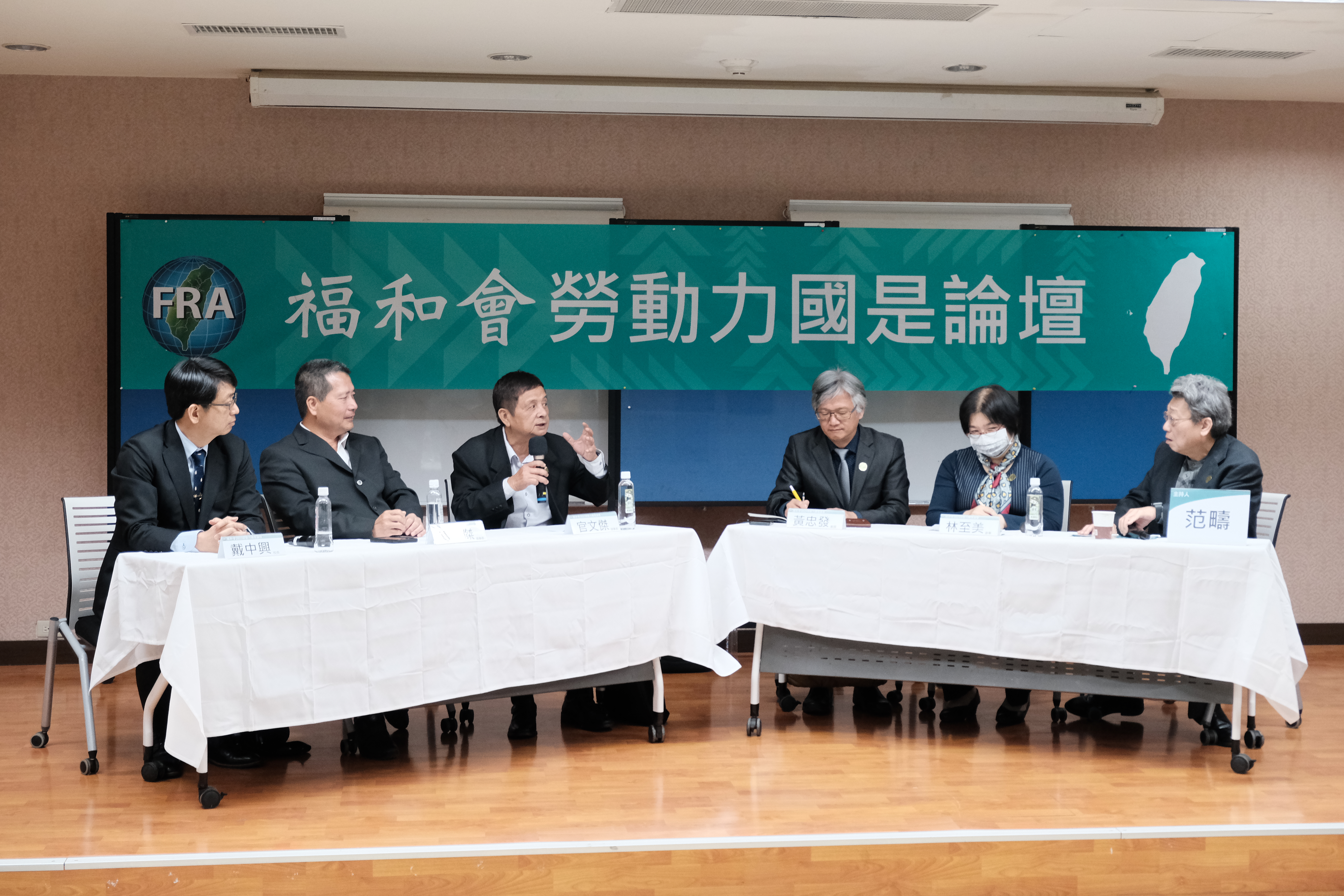
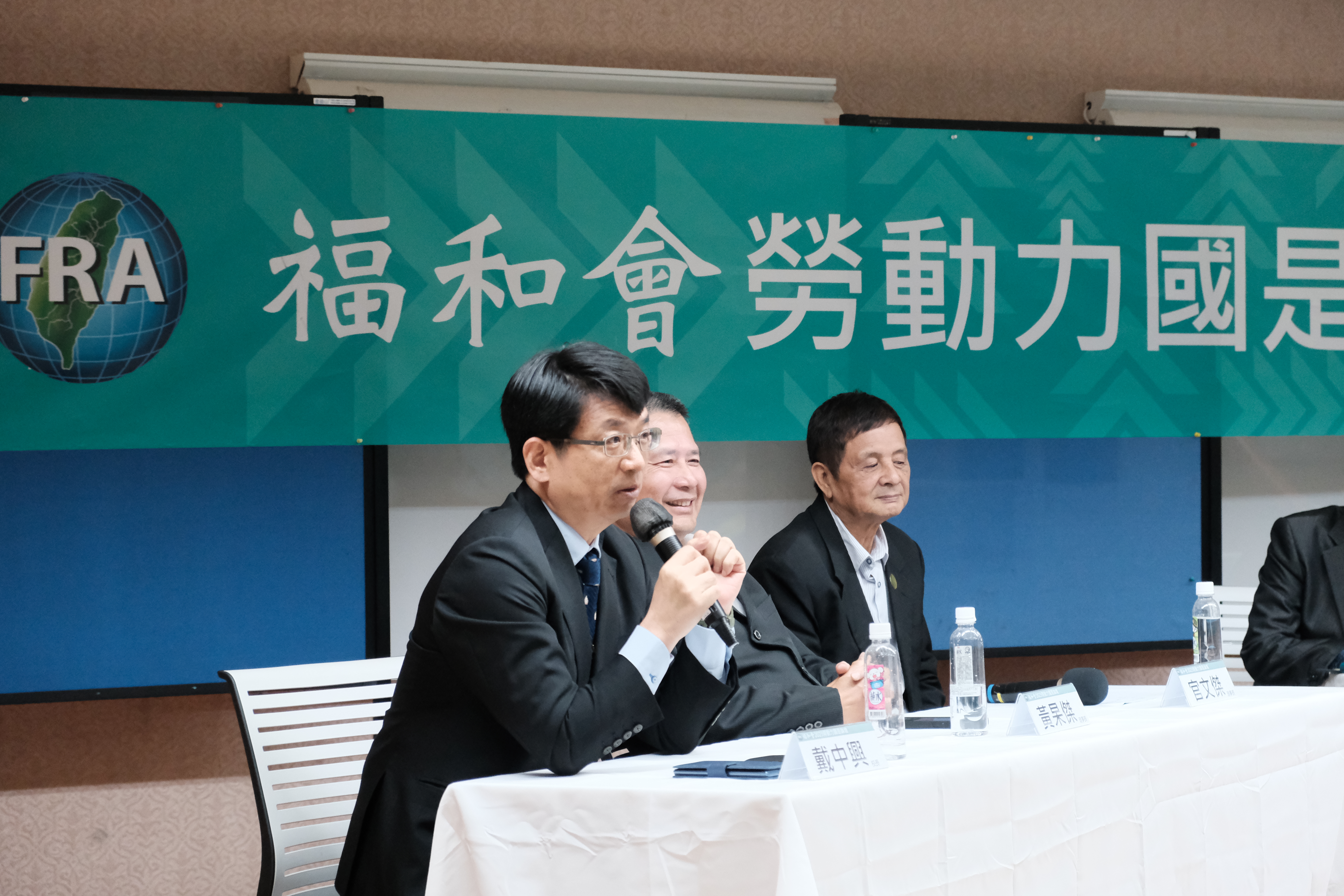
As the global economy recovers in the post‑pandemic era, countries around the world are facing severe labor shortages. The problem extends far beyond pandemic‑related medical fields: manufacturing—both electronics and traditional industries—service sectors such as food and beverage, hospitality, retail logistics, childcare and eldercare, as well as agriculture, fisheries, and livestock, are all experiencing acute shortages. Even nations that historically supplied labor to others are now facing their own labor deficits, strengthening workers’ bargaining power. Developed countries including Germany, Japan, New Zealand, and Australia have all launched aggressive policies to attract foreign talent. Taiwan has long been experiencing widespread labor shortages across virtually every sector, affecting national infrastructure projects, worsening housing and caregiving challenges, and creating significant obstacles for industrial development. In response, FRA convened the 2022 National Workforce Forum, inviting leaders from industry, government, academia, and members of the legislature to jointly address this pressing national issue. The strong engagement and positive feedback from participants led FRA to organize the forum again in 2023

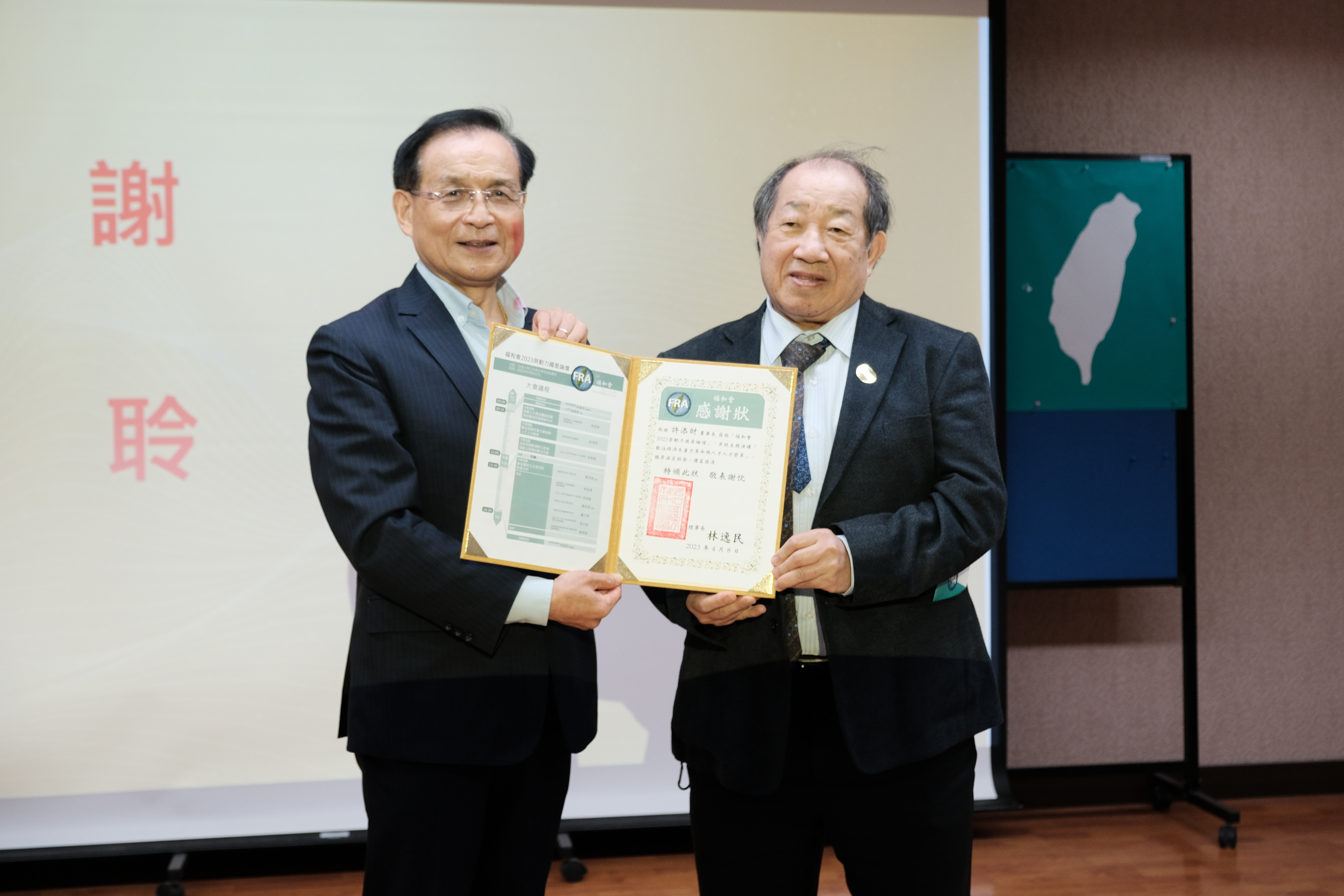
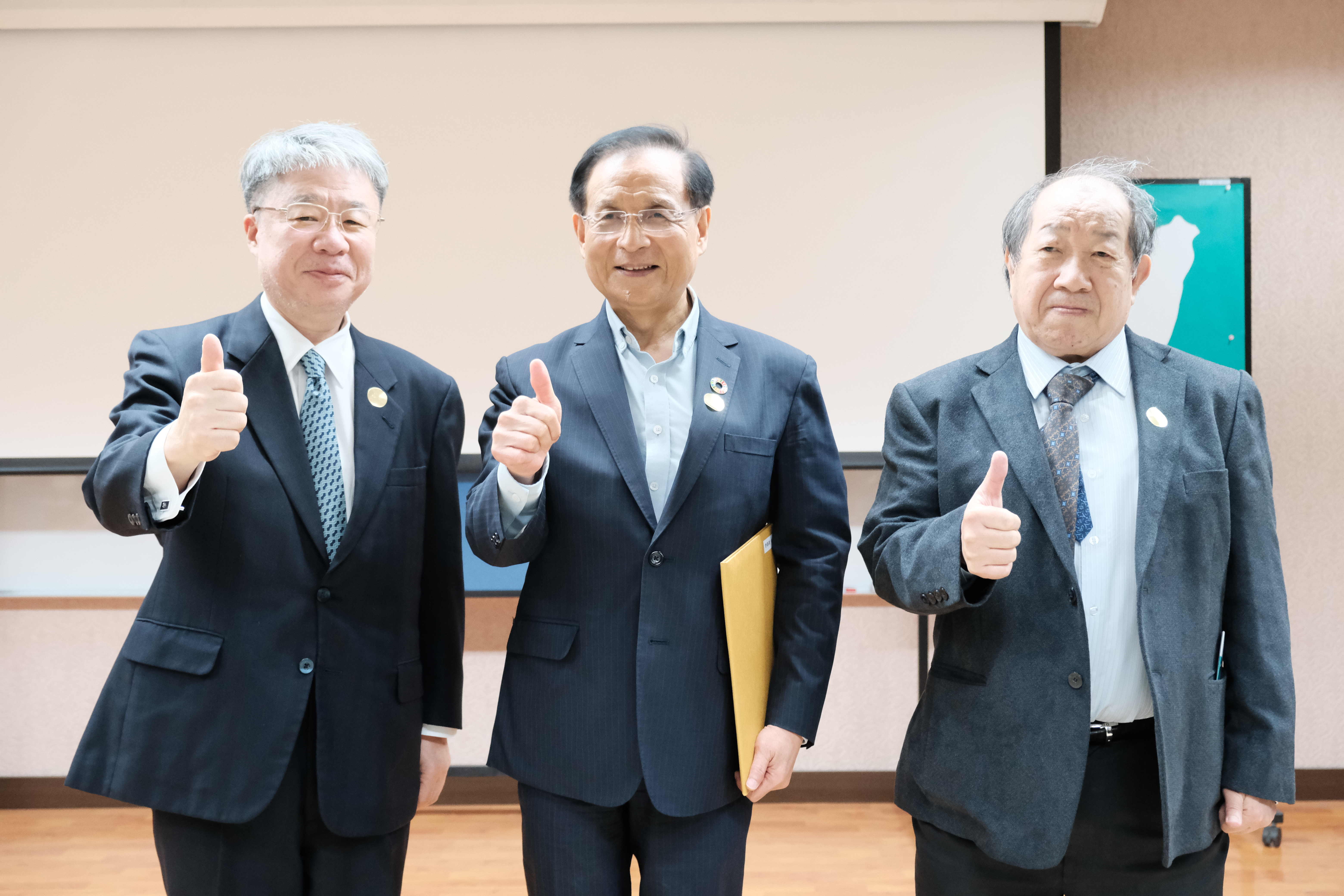
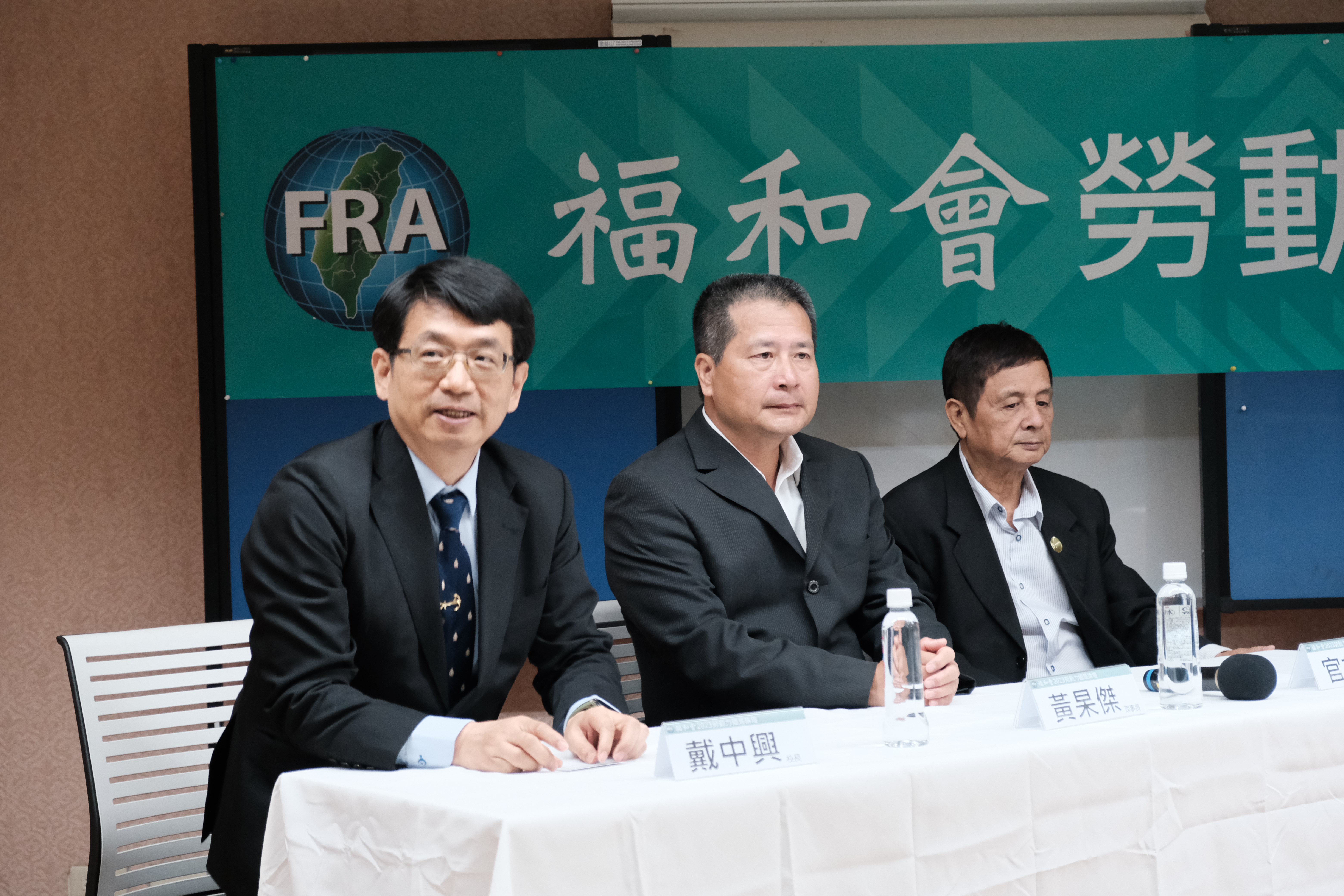
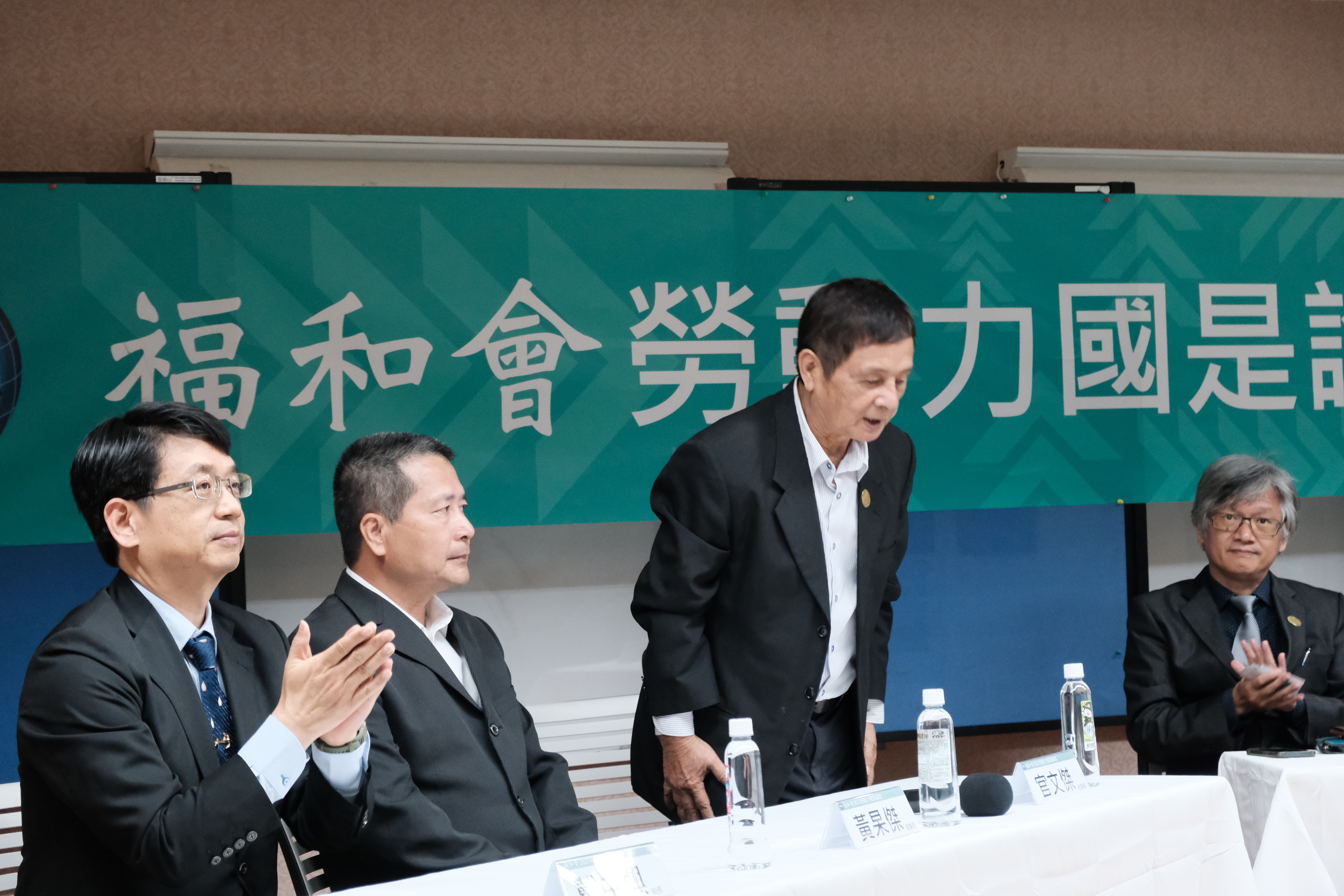
Lin Chih‑mei, who had just stepped down in March as Director of the Workforce Development Division at the National Development Council (NDC), delivered the keynote speech. Speaking in her capacity as a government representative, she provided a detailed overview of the government’s policies for addressing Taiwan’s labor shortages. This was followed by remarks from Hsu Tien‑tsai, Chairman of the Commerce Development Research Institute, who emphasized that Taiwan’s industries must evolve with global trends and continuously enhance productivity to remain competitive. Linda Lin

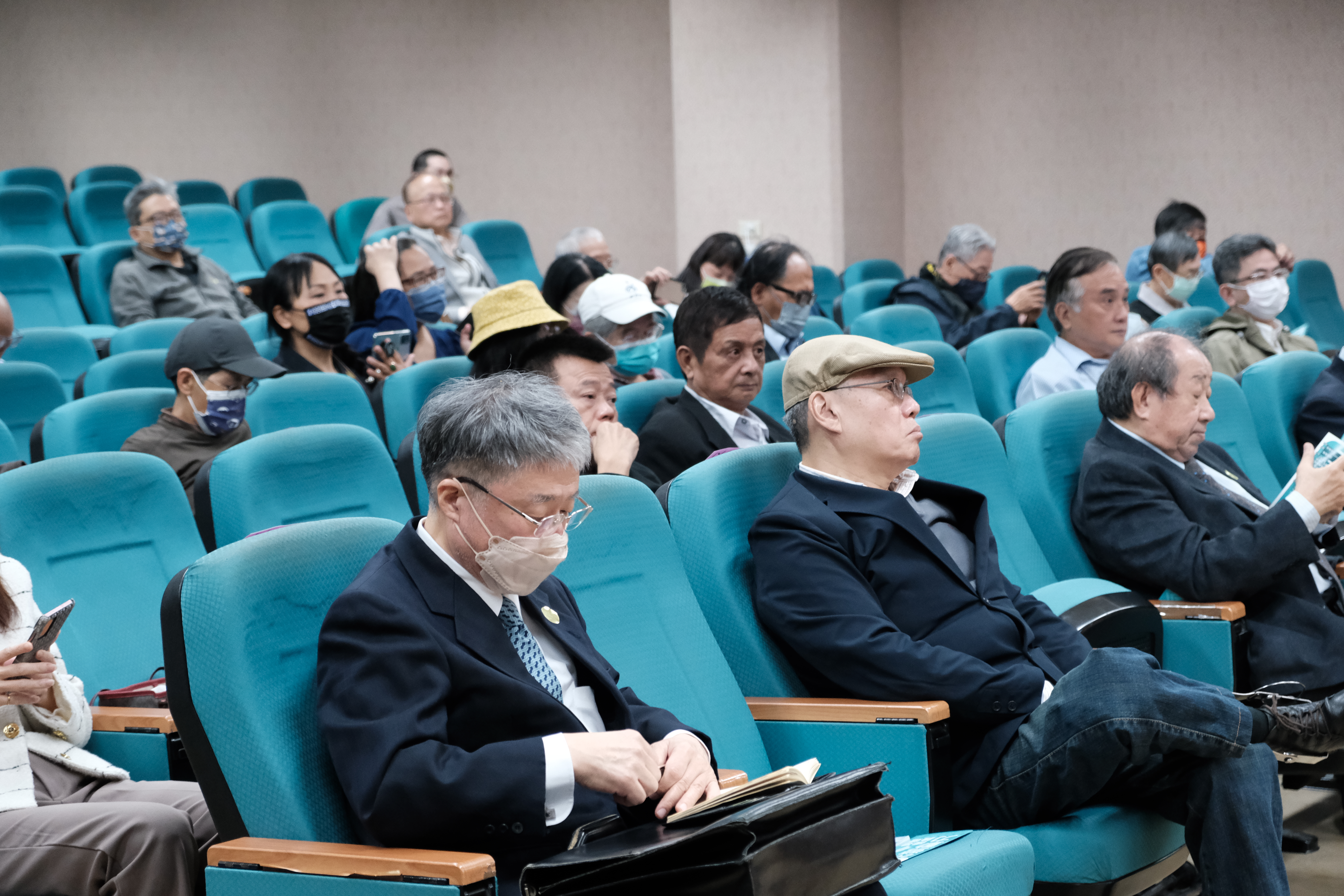
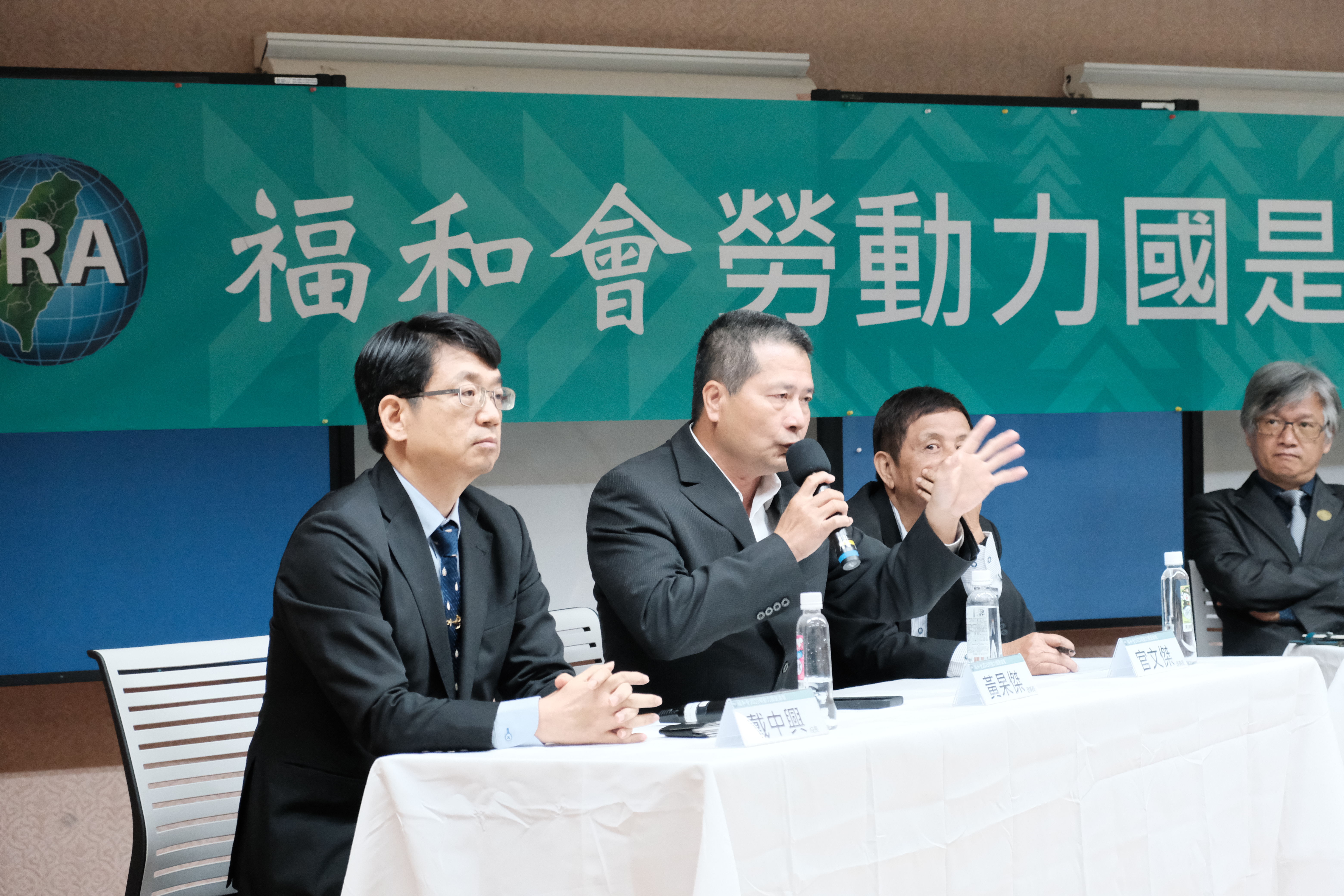
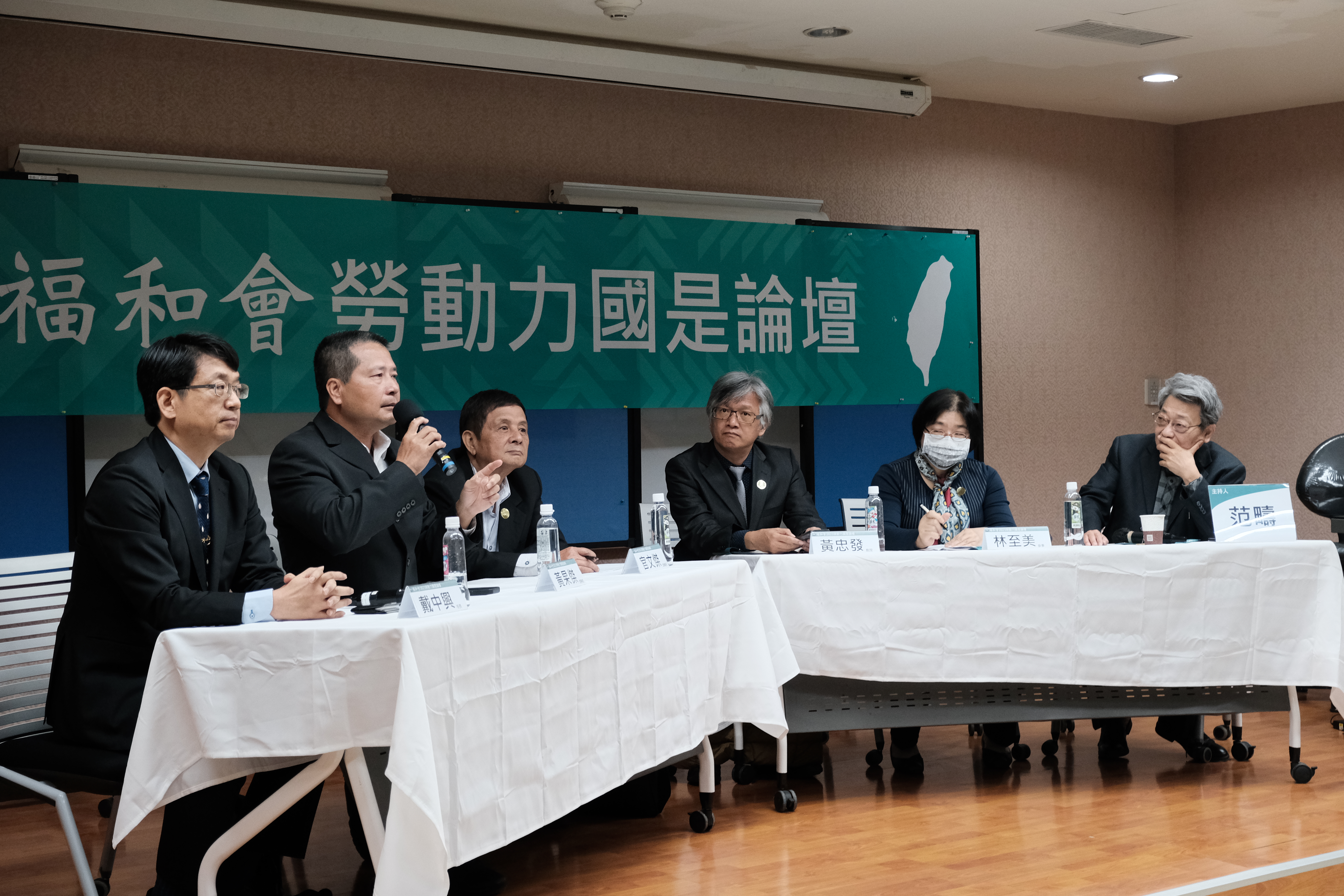
In the afternoon, Prof. Huang Chung‑fa continued with an in‑depth explanation of the urgent need to address labor shortages in the construction industry. A panel discussion followed, moderated by Fan Chou, during which industry representatives described numerous labor‑related regulations that have become outdated, impractical, and difficult to implement. Fan raised a structural question for reflection: Would Taiwan be any worse off if the Ministry of Labor were abolished—and might the country even function better without it? Panelists responded by suggesting that establishing a dedicated Ministry of Human Resources could be a more effective approach to government reorganization, enabling Taiwan to develop its labor force with greater coherence and efficiency. Tai Chung‑hsing, Principal of the Taiwan Brand Sustainability Blueprint School, added that many long‑standing labor issues are inherently difficult to resolve, but industries should also consider how they can improve and refine their own internal practices. During the Q&A session, participants noted that Taiwan’s labor policies have historically treated foreign labor as merely “supplementary.” However, under the structural pressures of declining birth rates, foreign labor is no longer supplementary but indispensable. As a result, all policy frameworks must be completely redesigned to meet Taiwan’s developmental needs.

FRA 2023 Labor Force National Forum FRA 2023 Labor Force National Forum FRA 2023 Labor Force National Forum FRA 2023 Labor Force National Forum FRA 2023 Labor Force National Forum FRA 2023 Labor Force National Forum FRA 2023 Labor Force National Forum FRA 2023 Labor Force National Forum FRA 2023 Labor Force National Forum FRA 2023 Labor Force National Forum FRA 2023 Labor Force National Forum FRA 2023 Labor Force National Forum FRA 2023 Labor Force National Forum FRA 2023 Labor Force National Forum FRA 2023 Labor Force National Forum FRA 2023 Labor Force National Forum FRA 2023 Labor Force National Forum FRA 2023 Labor Force National Forum FRA 2023 Labor Force National Forum FRA 2023 Labor Force National Forum FRA 2023 Labor Force National Forum FRA 2023 Labor Force National Forum FRA 2023 Labor Force National Forum FRA 2023 Labor Force National Forum FRA 2023 Labor Force National Forum FRA 2023 Labor Force National Forum FRA 2023 Labor Force National Forum FRA 2023 Labor Force National Forum FRA 2023 Labor Force National Forum FRA 2023 Labor Force National Forum FRA 2023 Labor Force National Forum FRA 2023 Labor Force National Forum
		Tel:+886-2-2716-6180  
		e-mail:fratwn2018@gmail.com
		Address: 3F, No. 346, Sec 3, Nanjing E. Rd., Songshan Dist. Taipei City 105, Taiwan
		Account:Taiwan Business Bank Nan King East Road Branch 050-0902 090-12-095195
		

Conservatism Domestic International About | 繁 日
2026
2025
2024
2023
2022
2021
2020
2019
2018
Previous Events

FRA 2023 National Defense Forum

FRA 2023.10.28

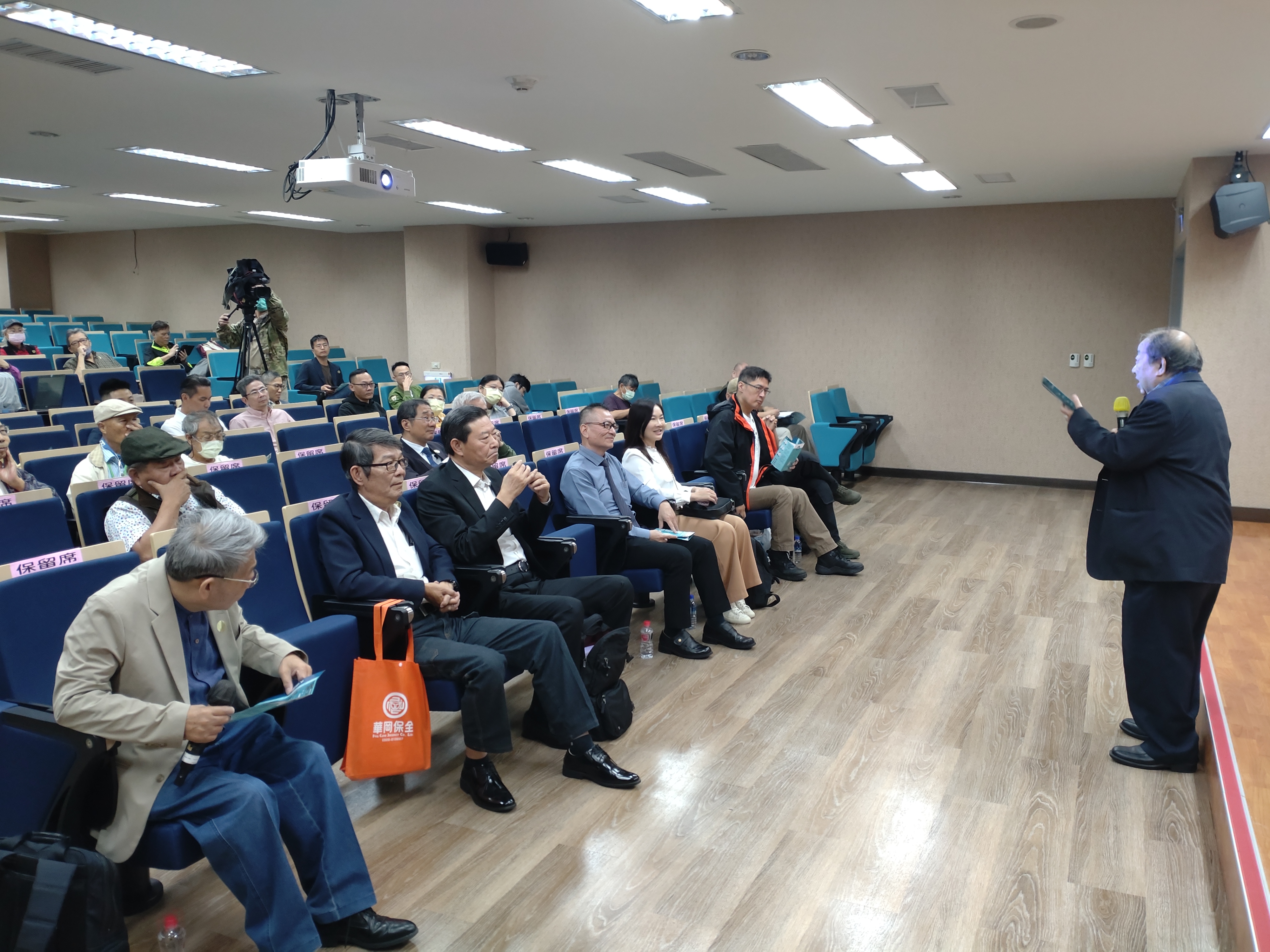
FRA hosted the 2023 National Defense Forum, emphasizing that when society faces the threat of war or major crises, it is essential to strengthen the public’s ability to respond and adapt. The forum invited experts to conduct in‑depth, bottom‑up analyses—examining conditions at the individual, community, and local‑government levels—to explore how Taiwan can build comprehensive resilience across all layers of society.

This marks the third time in recent years that FRA has organized a professional forum focused on national defense and security. While issues of national security are certainly the responsibility of the government and elected officials, society cannot rely on the state alone. Civil society must also possess the capacity to proactively confront crises and major threats.

At the forum, Wang Yen‑chun, former Director of President Lee Teng‑hui’s Office, declared that the risk of war has nothing to do with which party governs Taiwan. In reality, ever since the ROC government relocated to Taiwan in 1949, Taiwan has lived under the shadow of military threat. In other words, Beijing’s coercion and threat of force against Taiwan have never ceased. Wang stressed that this is a universal truth: when facing war, it is never solely the responsibility of the military. The entire society must mobilize and provide full support. National defense, he emphasized, is a collective effort that requires the participation and resilience of every citizen.

Drawing from Taipei City’s experience, Wang Yen‑chun underscored the critical role that local governments can play in wartime preparedness. He explained that Taipei had proactively advanced a series of initiatives led by the municipal government to ensure that civil servants understand how they should respond in wartime conditions. According to Wang, Taipei established—based on existing legal authorities—the only direct communication mechanism in Taiwan between a local government and the military’s wartime theater command. The city also reorganized all civil servants into a unified Civil Service Corps, enabling coordinated mobilization and task assignment during emergencies. He further recommended requisitioning convenience stores and setting up temporary material‑storage sites at district offices, in cooperation with logistics centers of major convenience‑store chains. These measures, he argued, form a more proactive and practical foundation for wartime readiness at the local level.

Wang Yen‑chun also analyzed Taiwan’s existing mobilization and wartime regulatory framework, noting that because the Taiwan Strait has been free of armed conflict for decades, many of the relevant laws and organizational structures are products of a bygone era. The environment in which these regulations were drafted is now far removed from present‑day realities. Although the legal framework is broad in scope, it remains insufficiently detailed when it comes to responding to concrete, real‑world scenarios. For example, emergency planning for modern communications—such as mobile phones—has not yet been fully incorporated. Overall, Wang observed that while Taiwan’s regulatory architecture appears comprehensive on paper, its depth is lacking, largely because many civil servants responsible for implementing these laws do not have a clear understanding of actual battlefield conditions. This gap, he argued, must be addressed to ensure that Taiwan’s mobilization and defense mechanisms are truly effective.

Representing the Security Industry Association, Wang Hsiang‑sheng approached the issue from the perspective of community‑level preparedness. Drawing on lessons from the COVID‑19 pandemic, he noted that beyond discussing an expanded role for private security personnel during wartime or major emergencies, an even more critical priority is the development of technology‑based systems. Such systems should strengthen planning for monitoring, early warning, communications, and logistics, enabling communities to respond more effectively and systematically when facing crises.

With extensive experience in manufacturing generators and in providing emergency power equipment at disaster sites, Chen Chin‑fu, General Manager of HC POWER, emphasized that backup power preparedness must begin long before a crisis occurs. Chen outlined emergency power requirements faced by companies such as TSMC, as well as those in the utilities, logistics, and cold‑chain sectors. He stressed that when selecting generators today, it is no longer sufficient for the machines to simply deliver continuous power—they must also meet modern environmental standards and comply with cybersecurity regulations. Chen noted that people are accustomed to stable water and electricity supplies in normal times, but ensuring power availability during wartime is far from easy. Emergency generation serves as the final line of protection, and therefore requires strong attention and investment from both the government and society.

Retired instructor Chiang An of the Army Aviation and Special Forces Command demonstrated various types of personal equipment used in wartime emergencies. He urged the public to acquire more professional knowledge in defense and survival, noting that a properly prepared medical kit should be carried on one’s person primarily so others can use it to save you in an emergency. In situations involving severe bleeding, he stressed that tourniquet preparation and correct usage are essential skills that far more people need to understand. Chiang emphasized that in real wartime conditions, self‑preservation must come first. Civilians should avoid actions that could lead to being mistaken for combatants and thus targeted. He advised that individuals prepare evacuation kits based on their own needs and professional guidance, ensuring they have the right supplies to survive and stay safe during crises.

FRA continues to promote the spirit of “preparedness in times of peace.” The organization hopes that the public can better understand, under existing conditions, how the government, institutions at all levels, and individuals themselves can respond more effectively when confronted with the dangers and uncertainties of war.
FRA 2023 National Defense Forum FRA 2023 National Defense Forum FRA 2023 National Defense Forum FRA 2023 National Defense Forum FRA 2023 National Defense Forum FRA 2023 National Defense Forum FRA 2023 National Defense Forum FRA 2023 National Defense Forum FRA 2023 National Defense Forum
FRA Visit Biomedical and UAV Industries

FRA Visit Biomedical and UAV Industries

2023.8.10

The first stop of the FRA Biomedical & UAV Industry Visit was the Hsinchu Biomedical Science Park in Zhubei. The delegation began with a visit to Medigen Vaccine Biologics Corp. (MVC), observing the vaccine production line through the monitoring system and then touring the packaging line from the inspection corridor.
The group then proceeded to TaiBao Biomedical, where—after a briefing—they visited the production facilities and the central control room responsible for regulating temperature and humidity across all areas of the plant.
In the afternoon, the delegation traveled to Shalun, Tainan, to visit Taiwan Hope Innovation, gaining an overview of current developments and applications in unmanned aerial vehicles. The visit also included a tour of the company’s office, where multiple UAVs and modified drone platforms were displayed.

FRA Visit Biomedical and UAV Industries FRA Visit Biomedical and UAV Industries FRA Visit Biomedical and UAV Industries FRA Visit Biomedical and UAV Industries FRA Visit Biomedical and UAV Industries FRA Visit Biomedical and UAV Industries FRA Visit Biomedical and UAV Industries FRA Visit Biomedical and UAV Industries FRA Visit Biomedical and UAV Industries FRA Visit Biomedical and UAV Industries FRA Visit Biomedical and UAV Industries FRA Visit Biomedical and UAV Industries FRA Visit Biomedical and UAV Industries FRA Visit Biomedical and UAV Industries FRA Visit Biomedical and UAV Industries
FRA 2023 National Security Forum

FRA 2023 National Security Forum

2023.7.1

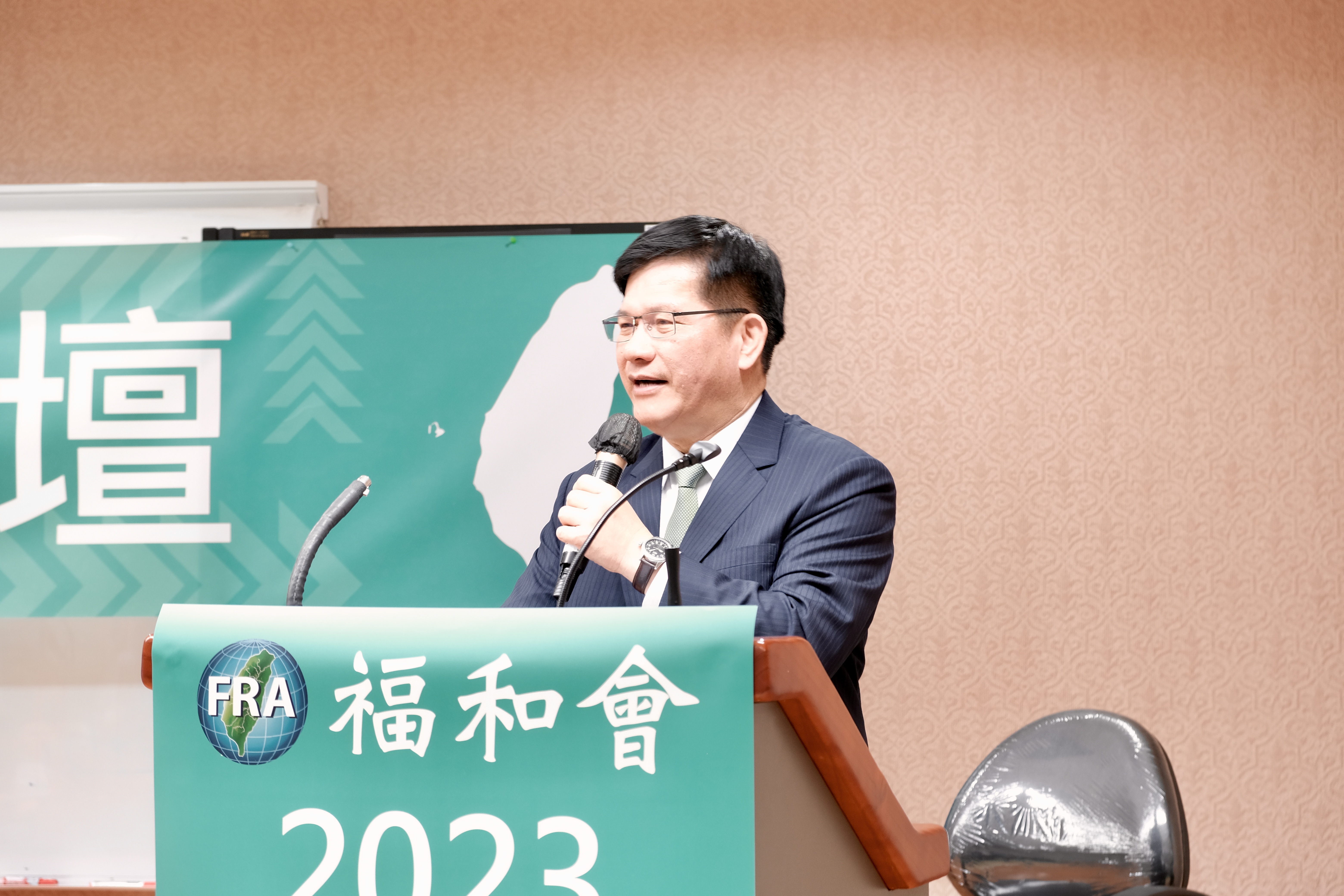
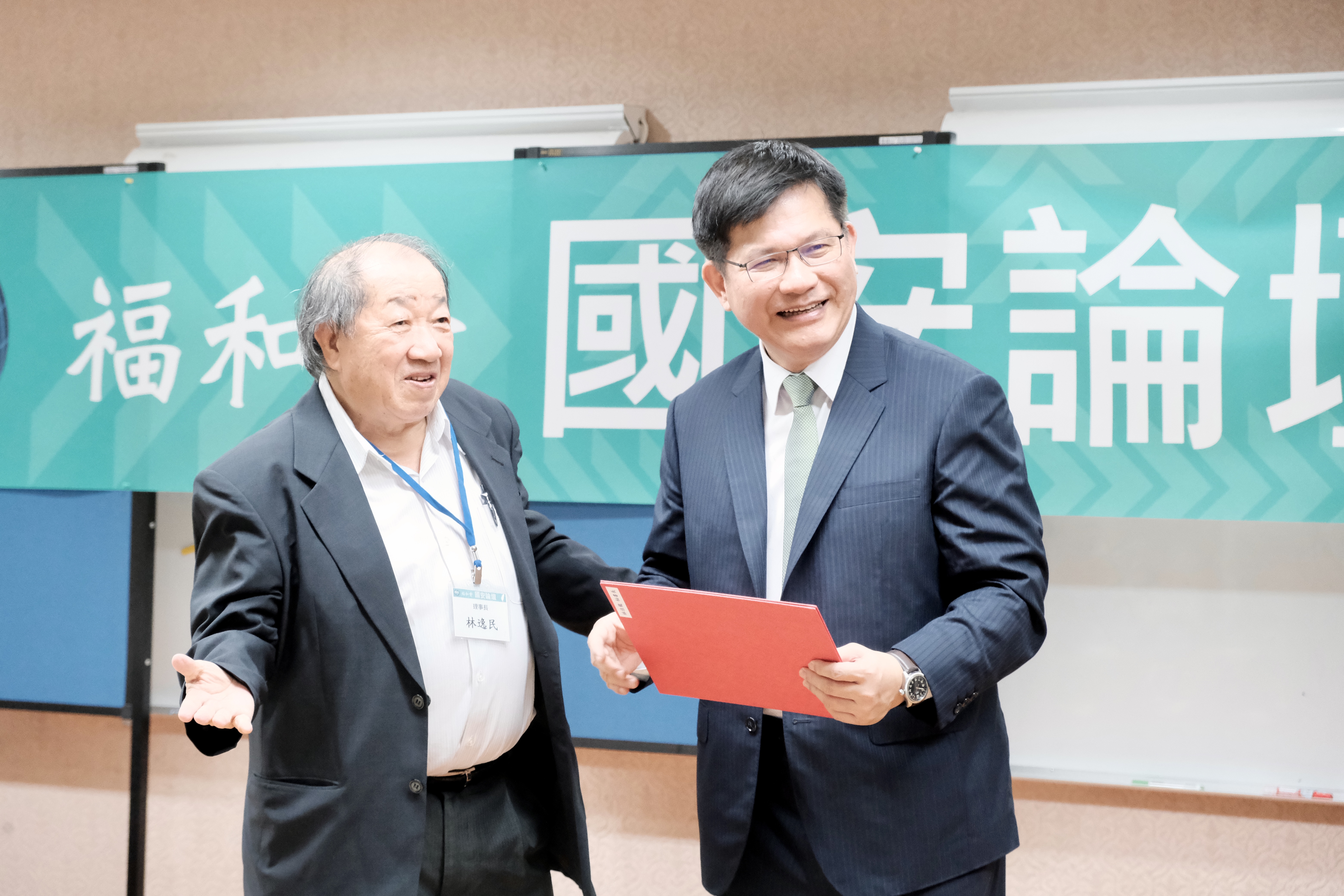
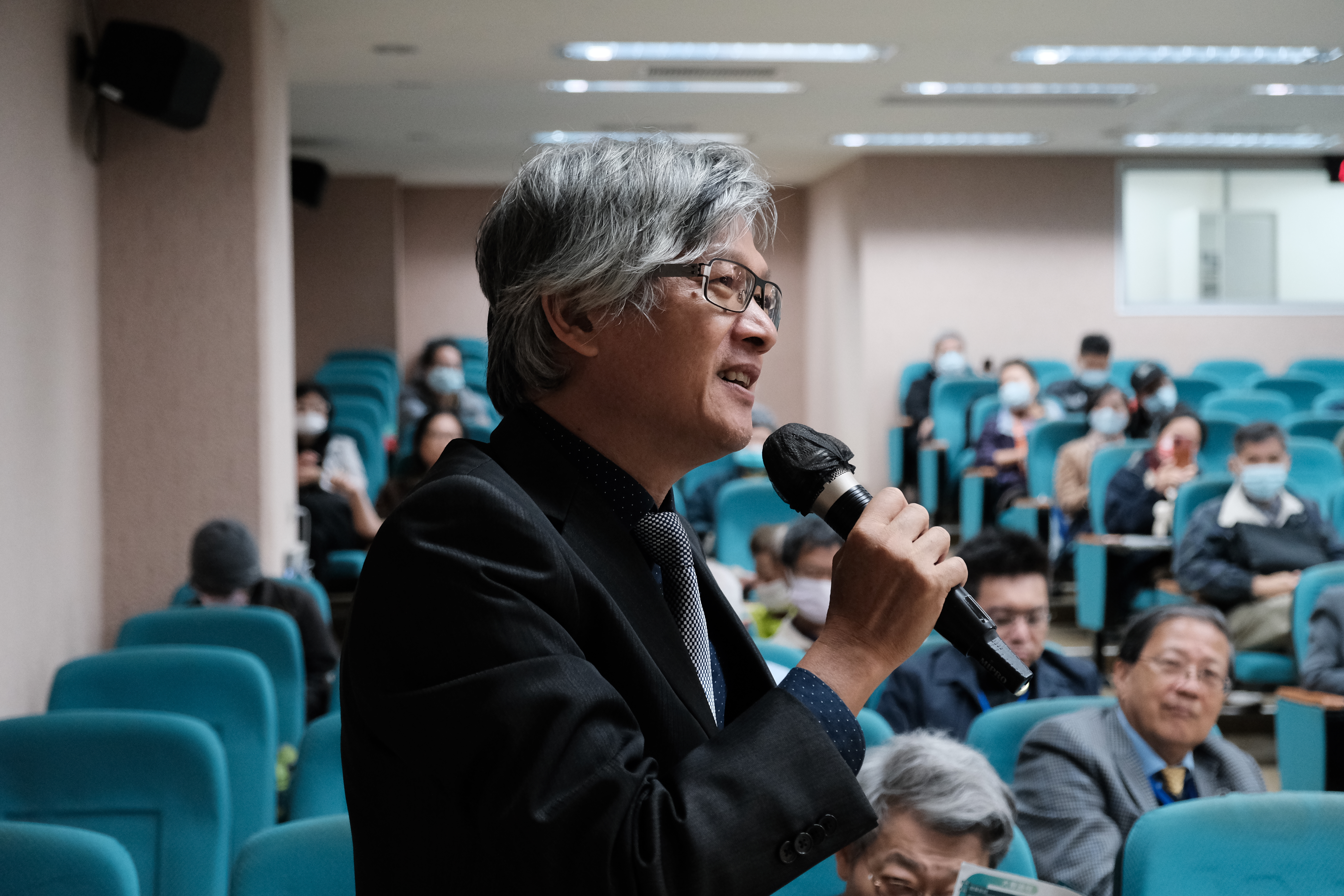
The FRA 2023 National Security Forum opened with remarks by Dr. Lin Chia‑lung, Secretary‑General to the President. The forum brought together leading strategic scholars—Prof. Ming Chu‑cheng, Dr. Lai I‑chung, Prof. Kuo Yu‑jen, and American visiting scholar Guermantes Lailari—alongside senior commanders from the Army, Navy, Air Force, and Political Warfare branches: Gen. Cheng Te‑mei, Gen. Pu Tse‑chun, Gen. Chang Yen‑ting, and Gen. Yu Tsung‑chi. Representatives from private industry, civil society, and trauma medicine also joined, including Minister Wang Hsiang‑sheng and Dr. Chien Li‑chien. The forum was moderated by Fan Chou. With military, government, and civil society united, the participants dedicated their expertise to strengthening Taiwan’s national security and advancing the vision of building Taiwan into a resilient nation.
FRA 2023 National Security Forum FRA 2023 National Security Forum FRA 2023 National Security Forum FRA 2023 National Security Forum FRA 2023 National Security Forum FRA 2023 National Security Forum FRA 2023 National Security Forum FRA 2023 National Security Forum FRA 2023 National Security Forum FRA 2023 National Security Forum FRA 2023 National Security Forum FRA 2023 National Security Forum FRA 2023 National Security Forum FRA 2023 National Security Forum FRA 2023 National Security Forum FRA 2023 National Security Forum FRA 2023 National Security Forum FRA 2023 National Security Forum FRA 2023 National Security Forum FRA 2023 National Security Forum FRA 2023 National Security Forum FRA 2023 National Security Forum FRA 2023 National Security Forum FRA 2023 National Security Forum FRA 2023 National Security Forum FRA 2023 National Security Forum FRA 2023 National Security Forum FRA 2023 National Security Forum FRA 2023 National Security Forum FRA 2023 National Security Forum

FRA Strategic Energy Industry Tour

FRA Strategic Energy Industry Tour
2023.4.13

The FRA 2023 Energy Strategy Visit focused on two critical pillars of Taiwan’s future security: battery energy storage, a key component of national energy resilience, and unmanned aerial vehicles (UAVs) and missiles, which are central to modern defense operations. To deepen understanding of these strategic sectors, the delegation visited Bipower, a leading battery manufacturer, followed by the National Chung‑Shan Institute of Science and Technology (NCSIST), the core institution responsible for the military’s research and technological development.

In the morning, the delegation visited Bipower, a company that began with electric mobility scooters and later advanced into the development of lithium iron phosphate (LFP) batteries. Founder Wu Bi‑xiang personally hosted the visit, recounting how his lifelong passion for invention led him into entrepreneurship. Today, Bipower’s batteries serve as critical components in platforms ranging from spacecraft to submarines. Bipower conducted live safety demonstrations comparing mainstream ternary lithium batteries with its own LFP batteries. When a ternary lithium battery was punctured, it immediately emitted sparks, exploded, and burst into flames—illustrating its high energy density but also its high inherent risk. In contrast, Bipower’s LFP battery remained remarkably stable after puncture; its battery‑management circuitry automatically isolated the damaged cell, and the pack continued functioning even when submerged in water. Founder Wu further demonstrated the robustness of the technology by striking the battery pack of a running electric vehicle with a stone. The vehicle’s operation remained completely unaffected, underscoring the exceptional safety and durability of Bipower’s LFP battery systems.

Bipower also presented each member of the FRA delegation with a solar‑powered desk lamp, a product the company developed in cooperation with the United Nations for charitable distribution in Africa. In regions without access to electricity, the lamp’s solar panel generates power during the day and stores it in the battery, providing a reliable light source at night. Beyond benefiting communities across African nations, the device is also highly useful for disaster preparedness, outdoor activities, and camping, demonstrating Bipower’s commitment to both humanitarian impact and practical resilience.

In the afternoon, the delegation visited the National Chung‑Shan Institute of Science and Technology (NCSIST). Guided by NCSIST volunteer docents, the group learned about the institute’s history and its extensive contributions to Taiwan’s defense technology. The visit covered NCSIST’s development of fighter aircraft, trainer aircraft, unmanned aerial vehicles, and the Thunderbolt‑2000 (RT‑2000) multiple‑launch rocket system, a key asset for counter‑amphibious operations. The delegation also viewed various rocket systems of different ranges and NCSIST’s portfolio of indigenously developed missiles, including the Tien Kung (Sky Bow) air‑defense missile series and the Hsiung Feng anti‑ship missile family. Participants then experienced the 360‑degree panoramic flight simulator, which recreated the sensation of carrying out a mission aboard a Black Hawk helicopter—a highly immersive and realistic experience.

FRA Strategic Energy Industry Tour FRA Strategic Energy Industry Tour FRA Strategic Energy Industry Tour FRA Strategic Energy Industry Tour FRA Strategic Energy Industry Tour FRA Strategic Energy Industry Tour FRA Strategic Energy Industry Tour FRA Strategic Energy Industry Tour FRA Strategic Energy Industry Tour FRA Strategic Energy Industry Tour FRA Strategic Energy Industry Tour FRA Strategic Energy Industry Tour

FRA 2023 Labor Force National Forum

2023年4月8日
FRA 2023 Labor Force National Forum

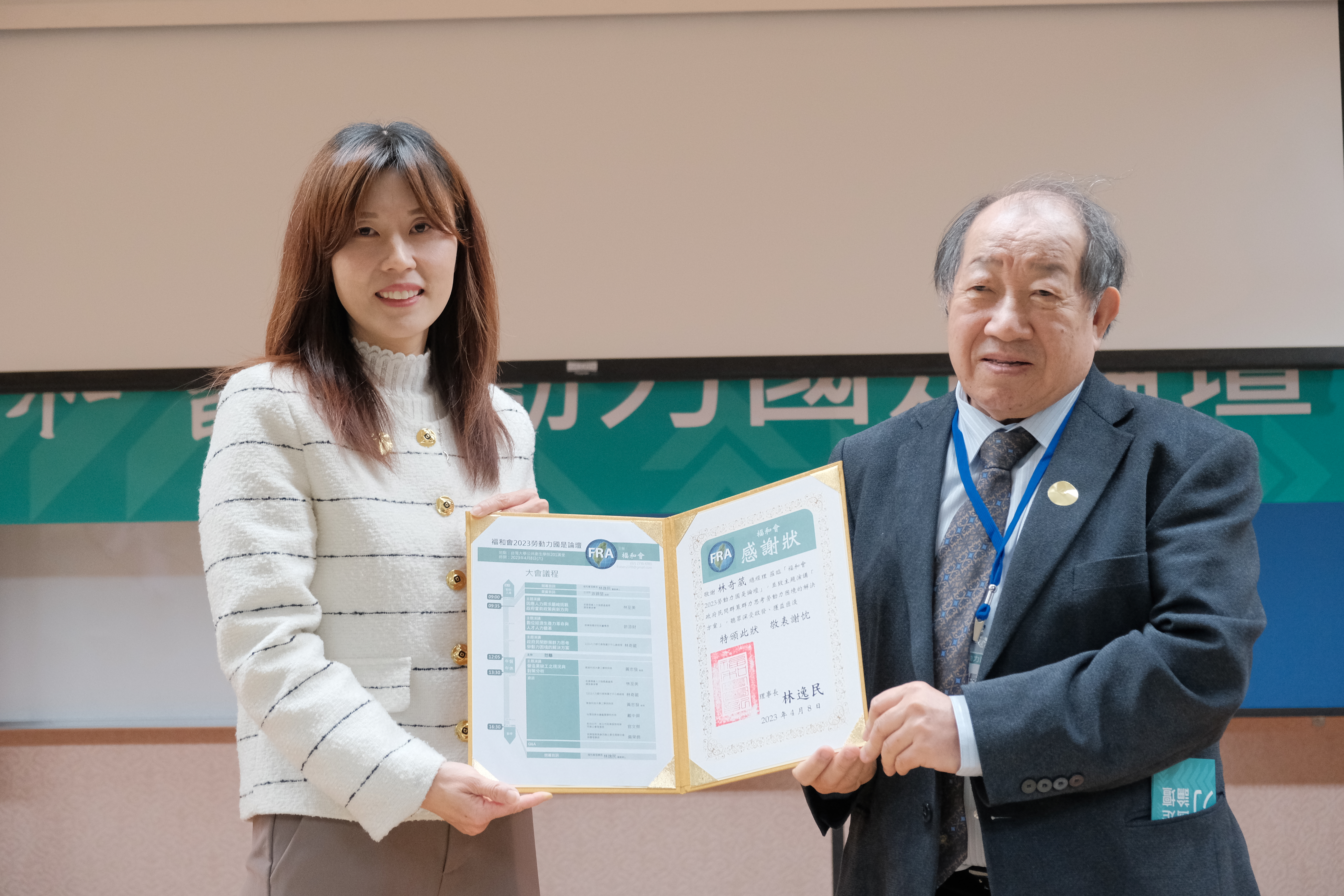
As the global economy recovers in the post‑pandemic era, countries around the world are facing severe labor shortages. The problem extends far beyond pandemic‑related medical fields: manufacturing—both electronics and traditional industries—service sectors such as food and beverage, hospitality, retail logistics, childcare and eldercare, as well as agriculture, fisheries, and livestock, are all experiencing acute shortages. Even nations that historically supplied labor to others are now facing their own labor deficits, strengthening workers’ bargaining power. Developed countries including Germany, Japan, New Zealand, and Australia have all launched aggressive policies to attract foreign talent. Taiwan has long been experiencing widespread labor shortages across virtually every sector, affecting national infrastructure projects, worsening housing and caregiving challenges, and creating significant obstacles for industrial development. In response, FRA convened the 2022 National Workforce Forum, inviting leaders from industry, government, academia, and members of the legislature to jointly address this pressing national issue. The strong engagement and positive feedback from participants led FRA to organize the forum again in 2023

Lin Chih‑mei, who had just stepped down in March as Director of the Workforce Development Division at the National Development Council (NDC), delivered the keynote speech. Speaking in her capacity as a government representative, she provided a detailed overview of the government’s policies for addressing Taiwan’s labor shortages. This was followed by remarks from Hsu Tien‑tsai, Chairman of the Commerce Development Research Institute, who emphasized that Taiwan’s industries must evolve with global trends and continuously enhance productivity to remain competitive. Linda Lin

In the afternoon, Prof. Huang Chung‑fa continued with an in‑depth explanation of the urgent need to address labor shortages in the construction industry. A panel discussion followed, moderated by Fan Chou, during which industry representatives described numerous labor‑related regulations that have become outdated, impractical, and difficult to implement. Fan raised a structural question for reflection: Would Taiwan be any worse off if the Ministry of Labor were abolished—and might the country even function better without it? Panelists responded by suggesting that establishing a dedicated Ministry of Human Resources could be a more effective approach to government reorganization, enabling Taiwan to develop its labor force with greater coherence and efficiency. Tai Chung‑hsing, Principal of the Taiwan Brand Sustainability Blueprint School, added that many long‑standing labor issues are inherently difficult to resolve, but industries should also consider how they can improve and refine their own internal practices. During the Q&A session, participants noted that Taiwan’s labor policies have historically treated foreign labor as merely “supplementary.” However, under the structural pressures of declining birth rates, foreign labor is no longer supplementary but indispensable. As a result, all policy frameworks must be completely redesigned to meet Taiwan’s developmental needs.

FRA 2023 Labor Force National Forum FRA 2023 Labor Force National Forum FRA 2023 Labor Force National Forum FRA 2023 Labor Force National Forum FRA 2023 Labor Force National Forum FRA 2023 Labor Force National Forum FRA 2023 Labor Force National Forum FRA 2023 Labor Force National Forum FRA 2023 Labor Force National Forum FRA 2023 Labor Force National Forum FRA 2023 Labor Force National Forum FRA 2023 Labor Force National Forum FRA 2023 Labor Force National Forum FRA 2023 Labor Force National Forum FRA 2023 Labor Force National Forum FRA 2023 Labor Force National Forum FRA 2023 Labor Force National Forum FRA 2023 Labor Force National Forum FRA 2023 Labor Force National Forum FRA 2023 Labor Force National Forum FRA 2023 Labor Force National Forum FRA 2023 Labor Force National Forum FRA 2023 Labor Force National Forum FRA 2023 Labor Force National Forum FRA 2023 Labor Force National Forum FRA 2023 Labor Force National Forum FRA 2023 Labor Force National Forum FRA 2023 Labor Force National Forum FRA 2023 Labor Force National Forum FRA 2023 Labor Force National Forum FRA 2023 Labor Force National Forum

福和會 Formosa Republican Association facebook


Tel:+886-2-2716-6180
e-mail:fratwn2018@gmail.com
Address:
3F, No. 346, Sec 3, Nanjing E. Rd., Songshan Dist.
Taipei City 105, Taiwan
Account:
Taiwan Business Bank Nan King East Road Branch
050-0902 090-12-095195