Conservatism Domestic International About
2026
2025
2024
2023
2022
2021
2020
2019
2018
Previous Events

FRA 2022 Labor Force National Forum

2022.10.22

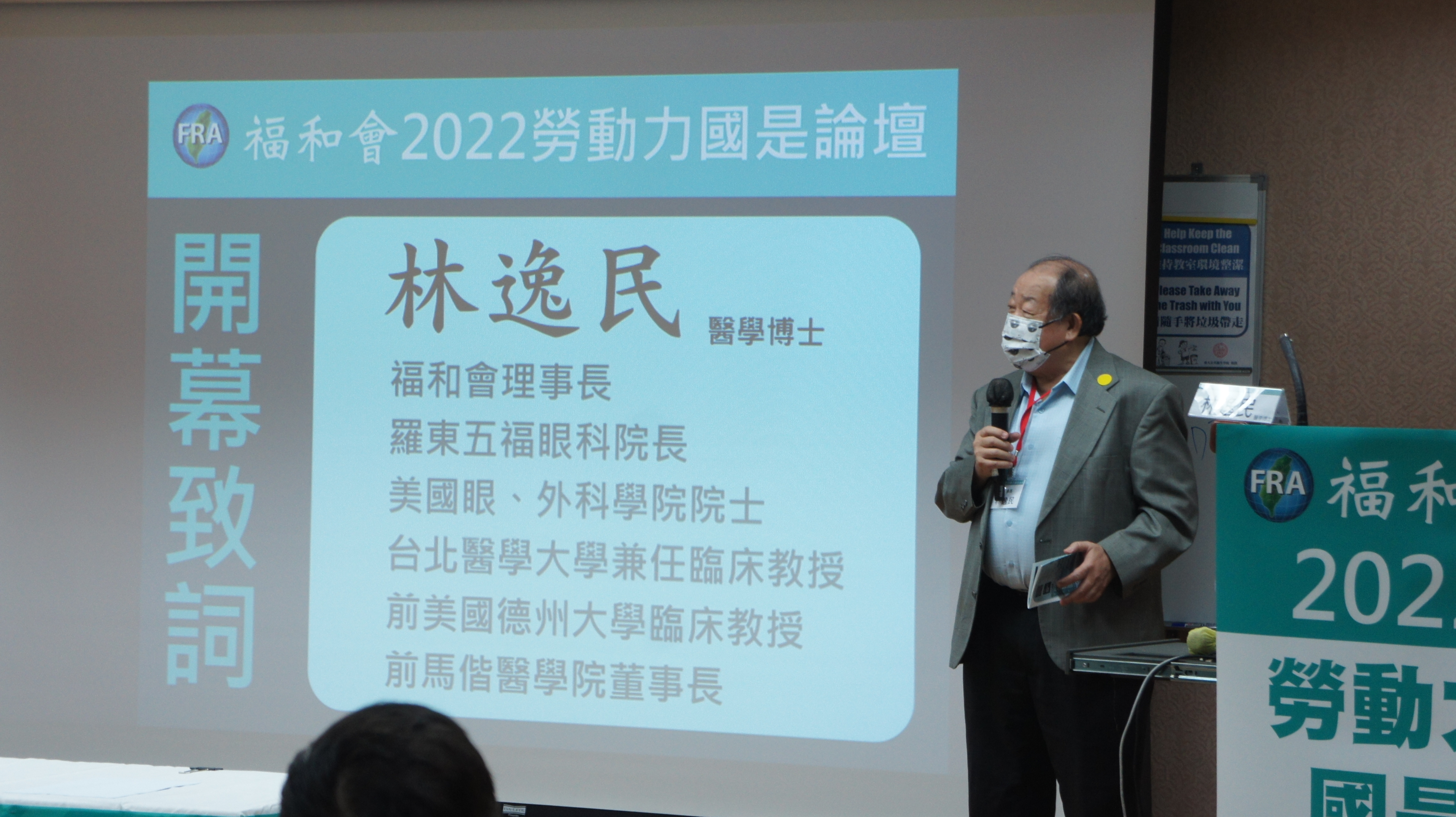
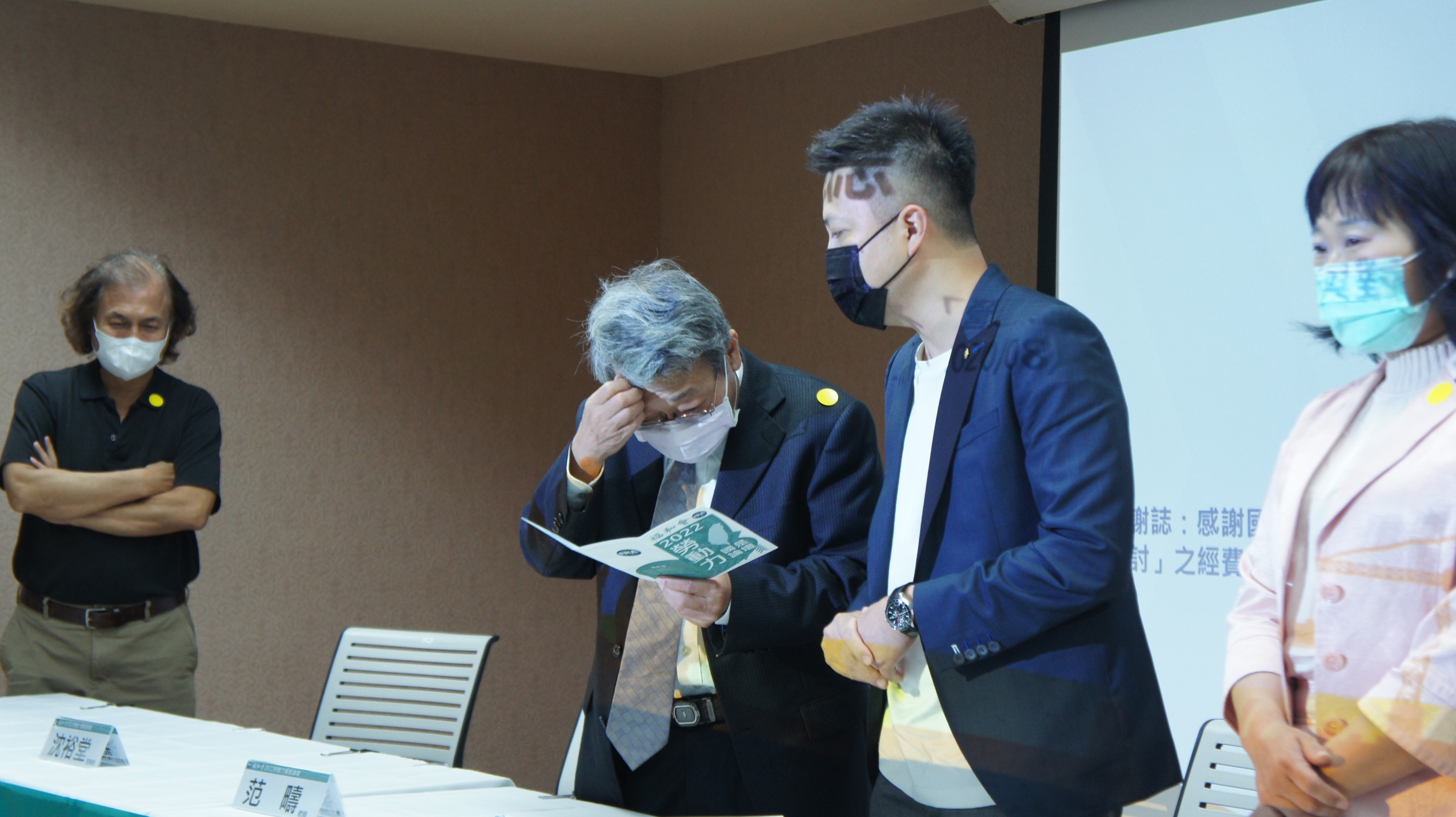
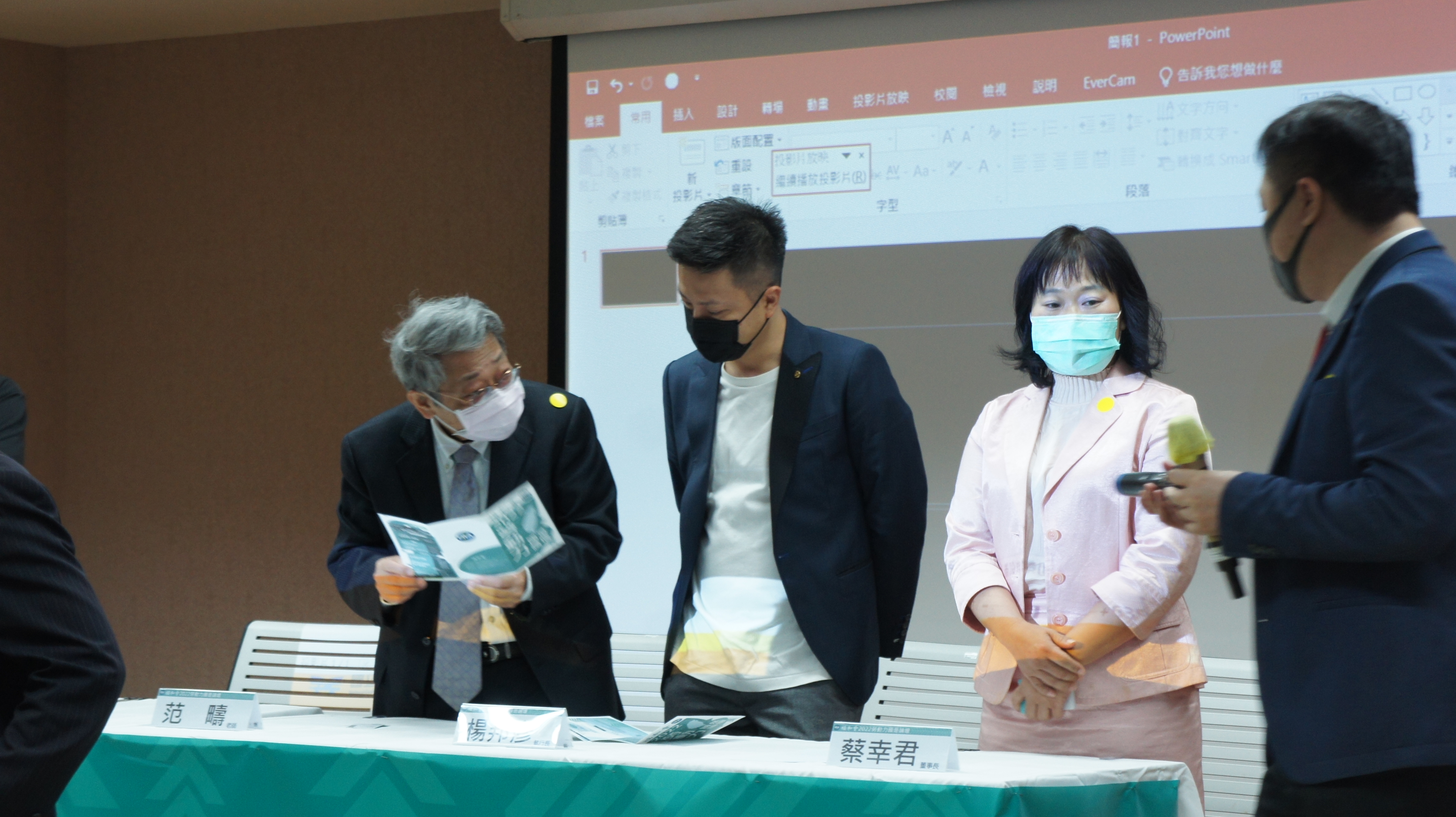
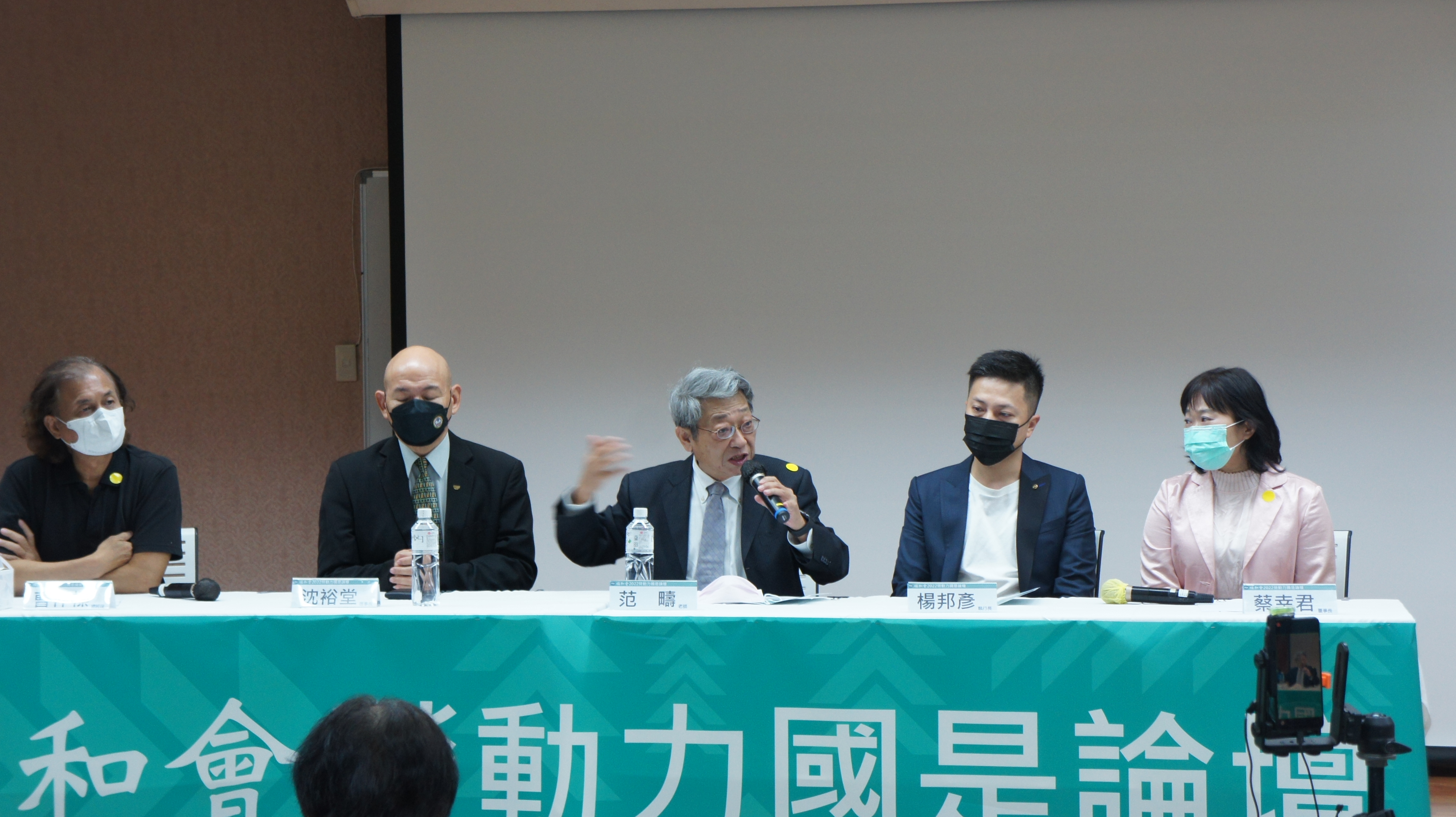
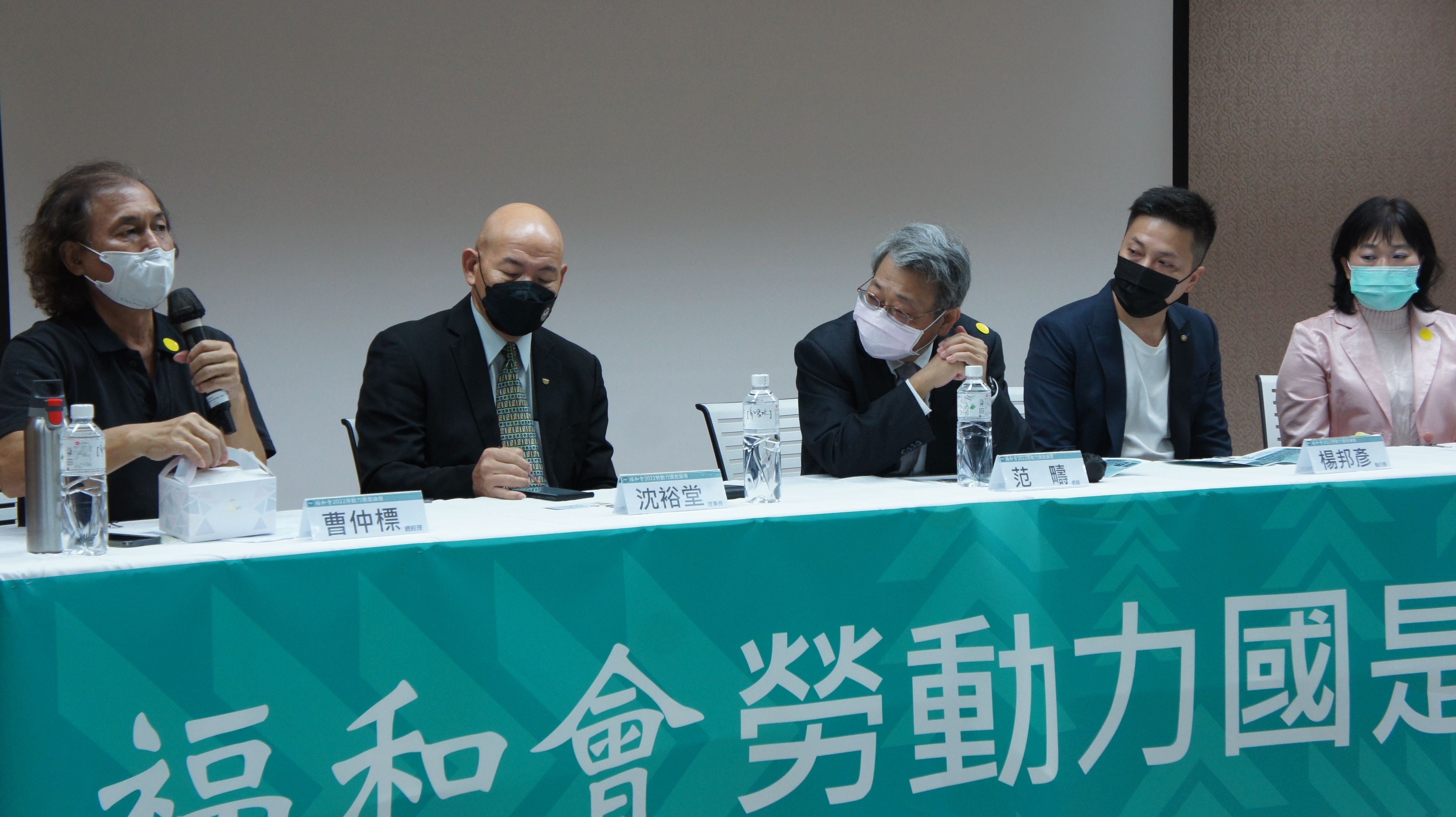
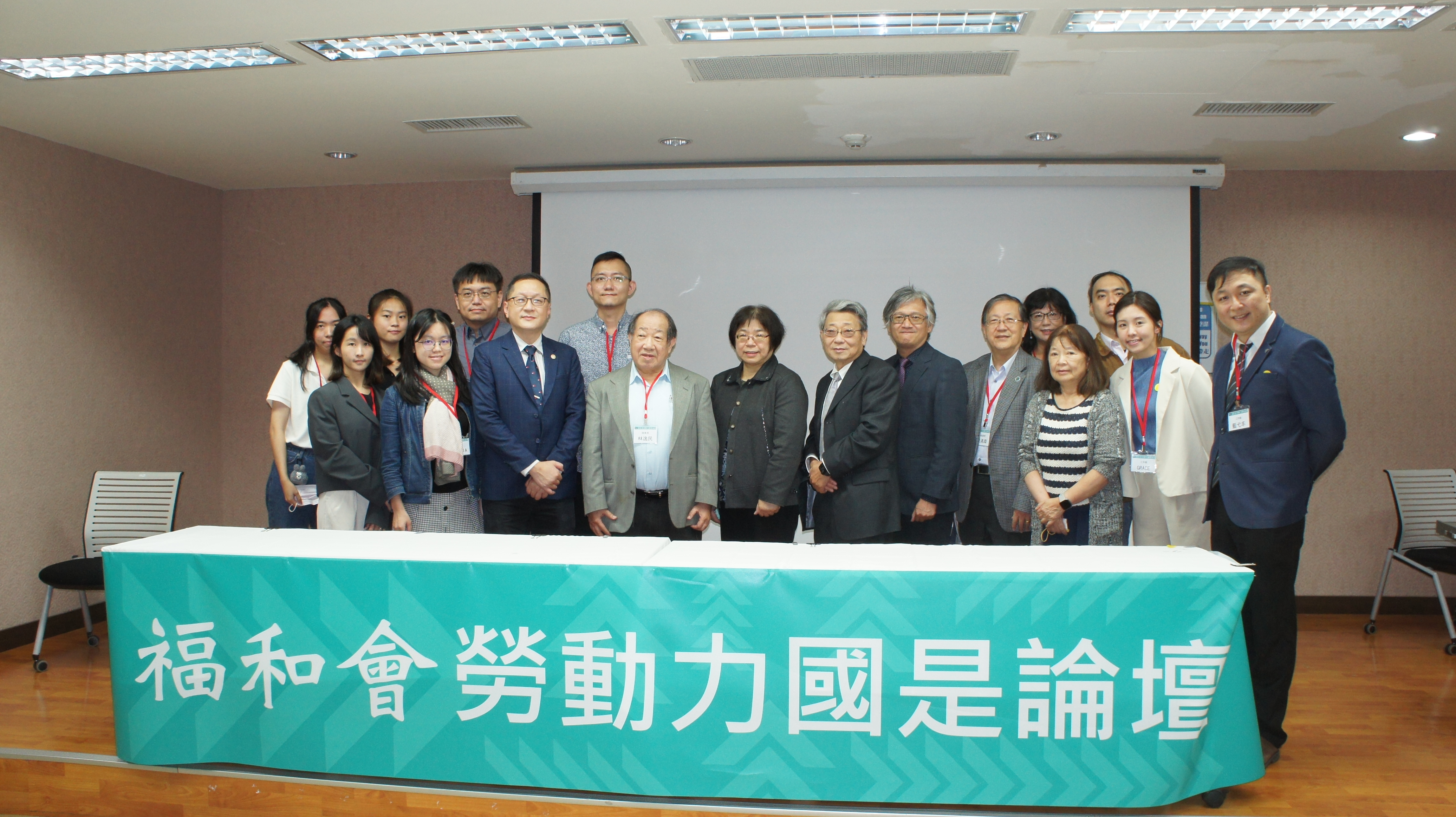
After two years of the global pandemic, countries around the world are now facing severe labor shortages during the post‑pandemic economic recovery. In the United States, massive stimulus measures under the Biden administration contributed to a Great Resignation, while Canada experienced a wave of retirements toward the end of the pandemic. The shortages extend far beyond pandemic‑related medical fields: food and hospitality, tourism, caregiving, emerging logistics channels, manufacturing—both electronics and traditional industries—as well as agriculture, fisheries, and livestock are all struggling with insufficient labor. Even traditional labor‑supplying countries are now facing shortages of their own. Thailand has encountered domestic labor deficits; Indonesia and Malaysia have engaged in labor‑rights negotiations that once pushed Malaysia to the brink of a foreign‑labor crisis; and labor‑rights disputes between the Philippines and Saudi Arabia have produced similar pressures. Developed countries such as Germany, Japan, New Zealand, and Australia have all launched aggressive policies to attract foreign talent. Taiwan, likewise, has long been experiencing widespread labor shortages across all sectors. The construction industry faces particularly acute deficits, affecting national infrastructure projects and worsening housing challenges. Manufacturing and service industries are short of workers across the board, creating significant obstacles for industrial development. Labor shortages in agriculture, fisheries, and livestock—especially amid a potential global food‑security crisis—have even become a matter of national security.

At a time when countries around the world are competing fiercely for labor, Taiwan not only cannot continue restricting the inflow of foreign talent—it must instead actively enter the global arena and compete for talent. Without doing so, Taiwan risks falling into a state of labor depletion that will undermine national development. Given Taiwan’s long‑standing approach to labor policy, the question arises: Should these policies now be fundamentally and proactively adjusted? To address this urgent issue, FRA convened the 2022 National Workforce Forum, inviting leaders from industry, government, academia, and members of the legislature to jointly deliberate on this critical national challenge.

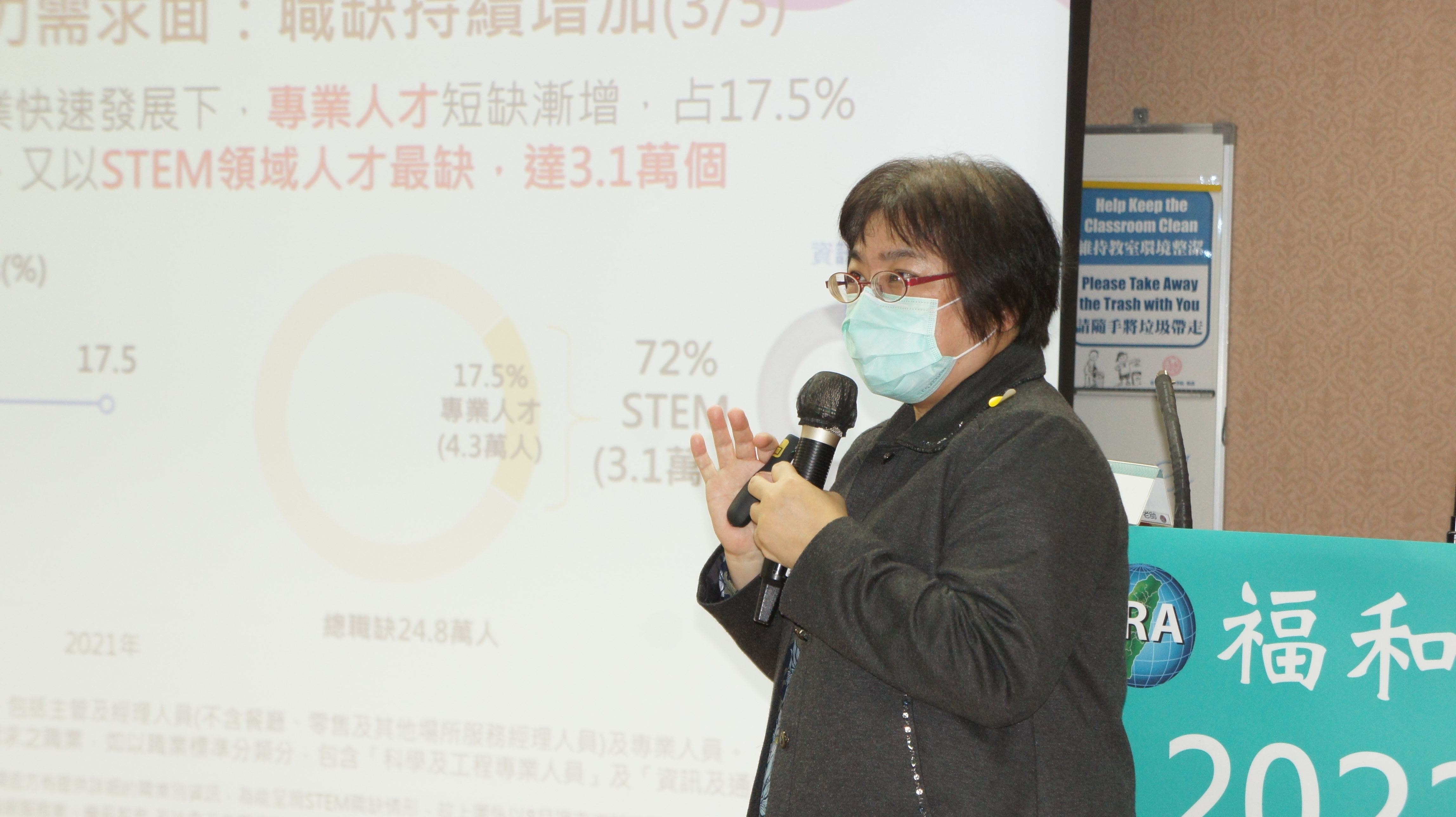
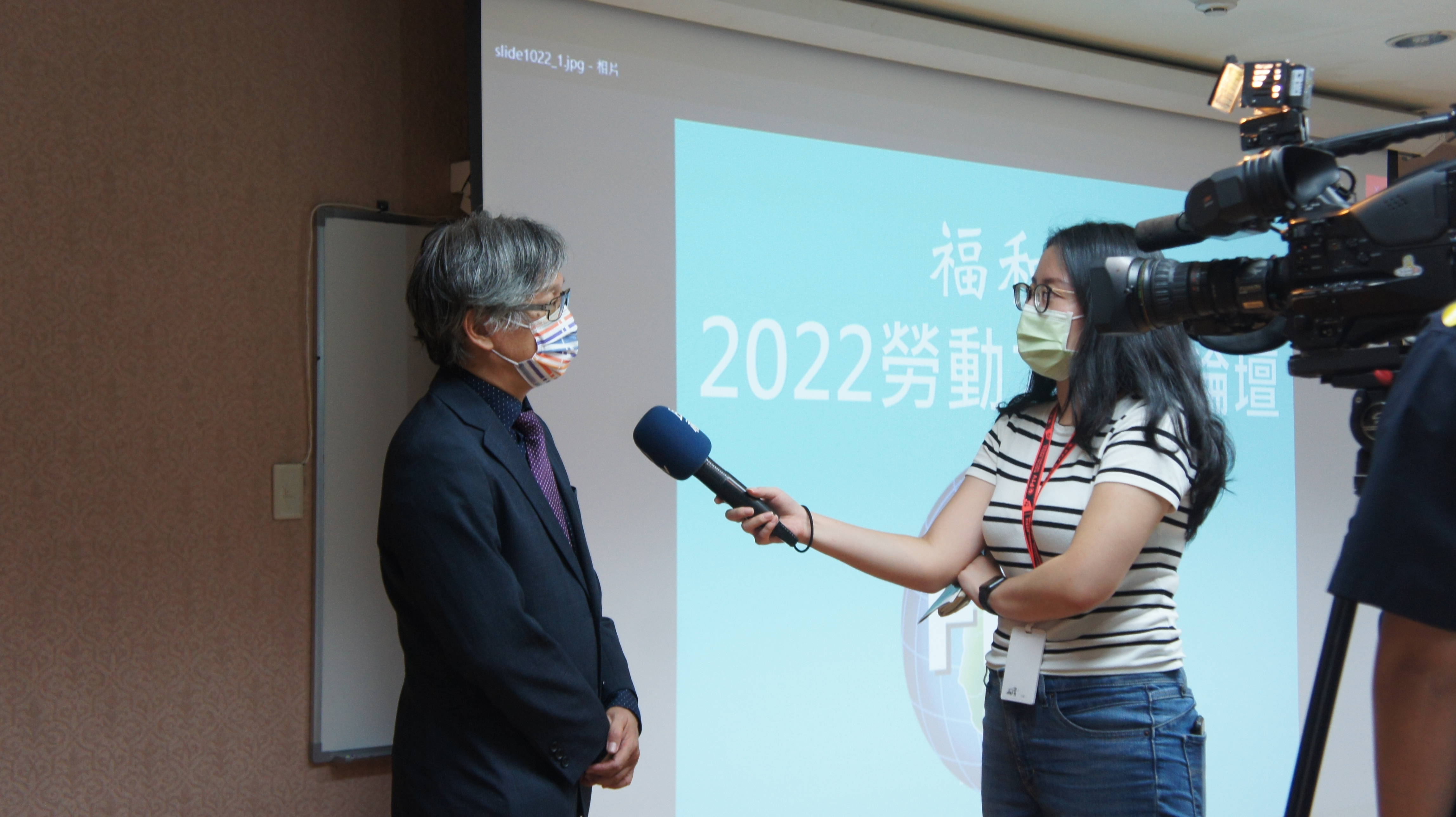
Representing the government, Lin Chih‑mei, Director of the Workforce Development Division at the National Development Council (NDC), explained that based on Taiwan’s demographic projections, the country will face a labor shortage of at least 400,000 workers in the coming years. She emphasized that the long‑term decline in the birth rate is a structural trend that cannot be reversed in the foreseeable future. Therefore, Taiwan must proactively consider bringing in external labor and talent as a necessary measure to supplement the domestic workforce.

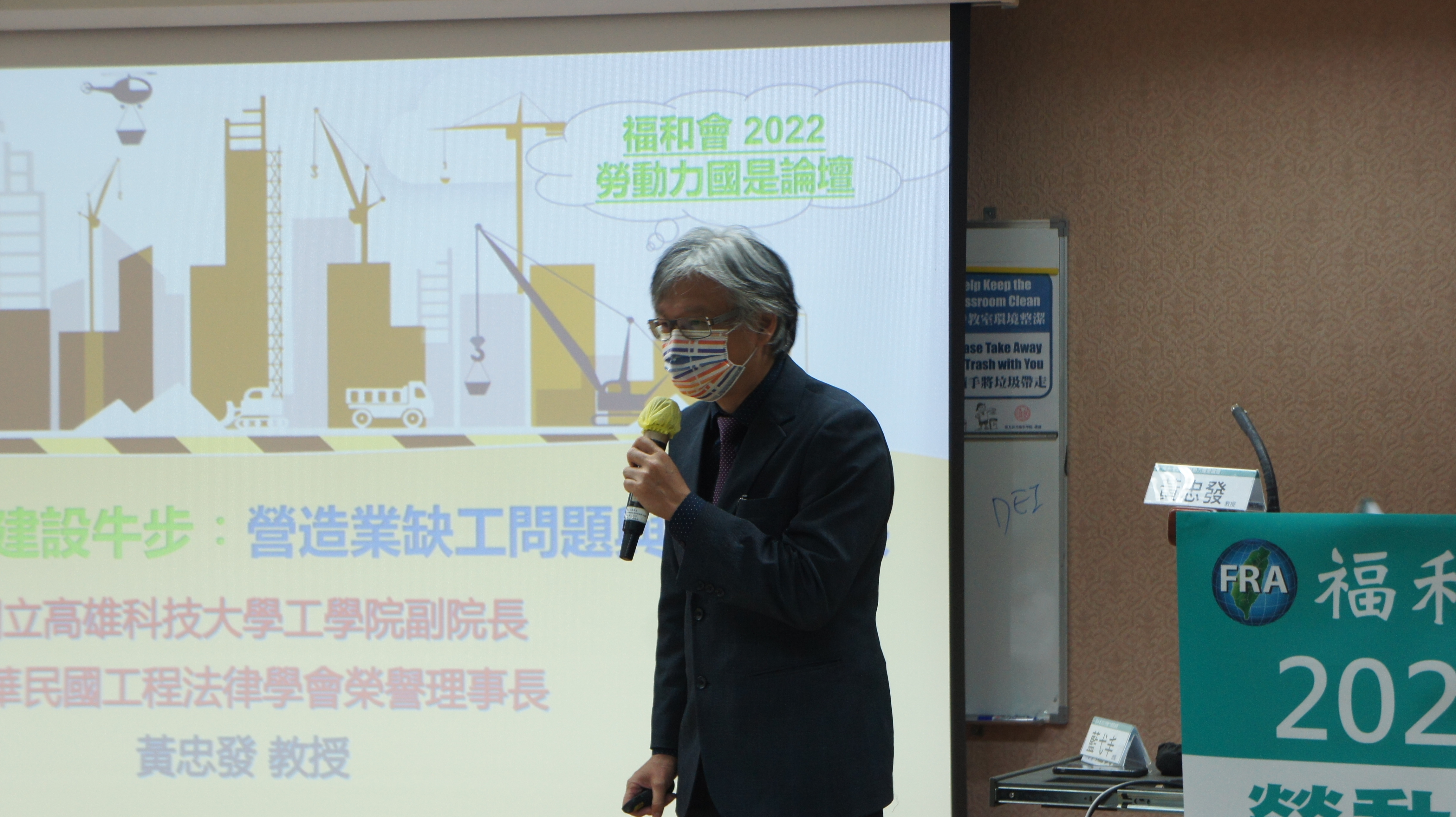
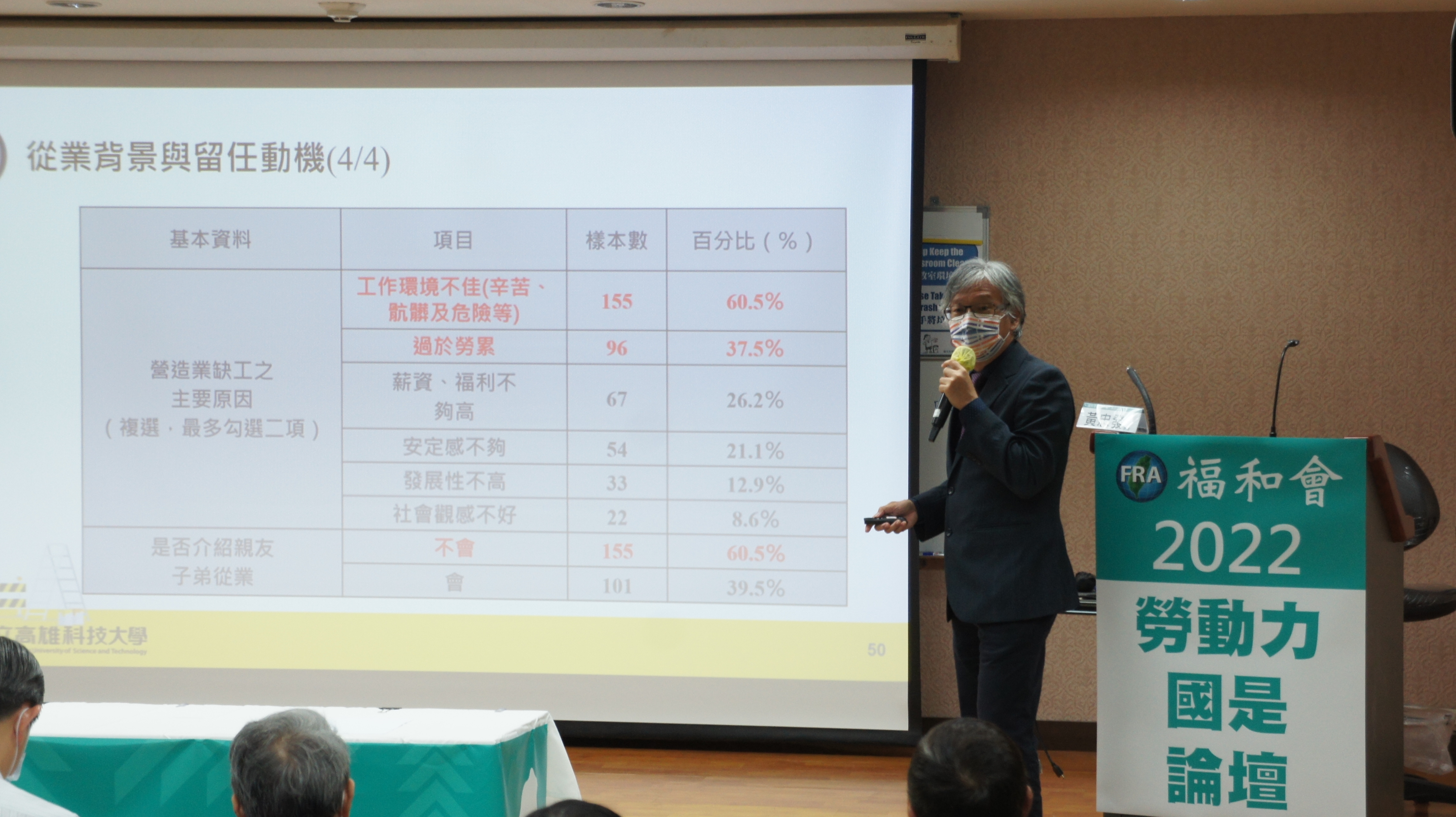
Representing academia, Prof. Huang Chung‑fa, Vice Dean of the College of Engineering at National Kaohsiung University of Science and Technology and Honorary Chairman of the Engineering Law Society, explained that within the structural makeup of Taiwan’s construction industry, labor is concentrated primarily at the subcontractor and engineering‑firm level, rather than at the general contractor tier. He presented findings from field research conducted directly among frontline workers, offering an evidence‑based academic perspective that highlights the real conditions faced by grassroots laborers.

Four industry representatives from different sectors joined a panel discussion moderated by renowned writer and thinker Fan Chou. The speakers highlighted how the “one fixed day off, one flexible rest day” labor regulation has adversely affected frontline workers and small‑ and medium‑sized enterprises. Representatives from the medical‑device industry described regulatory requirements that have created significant operational challenges. Across sectors, the panelists echoed a common theme: labor shortages are pervasive, affecting industries without exception.

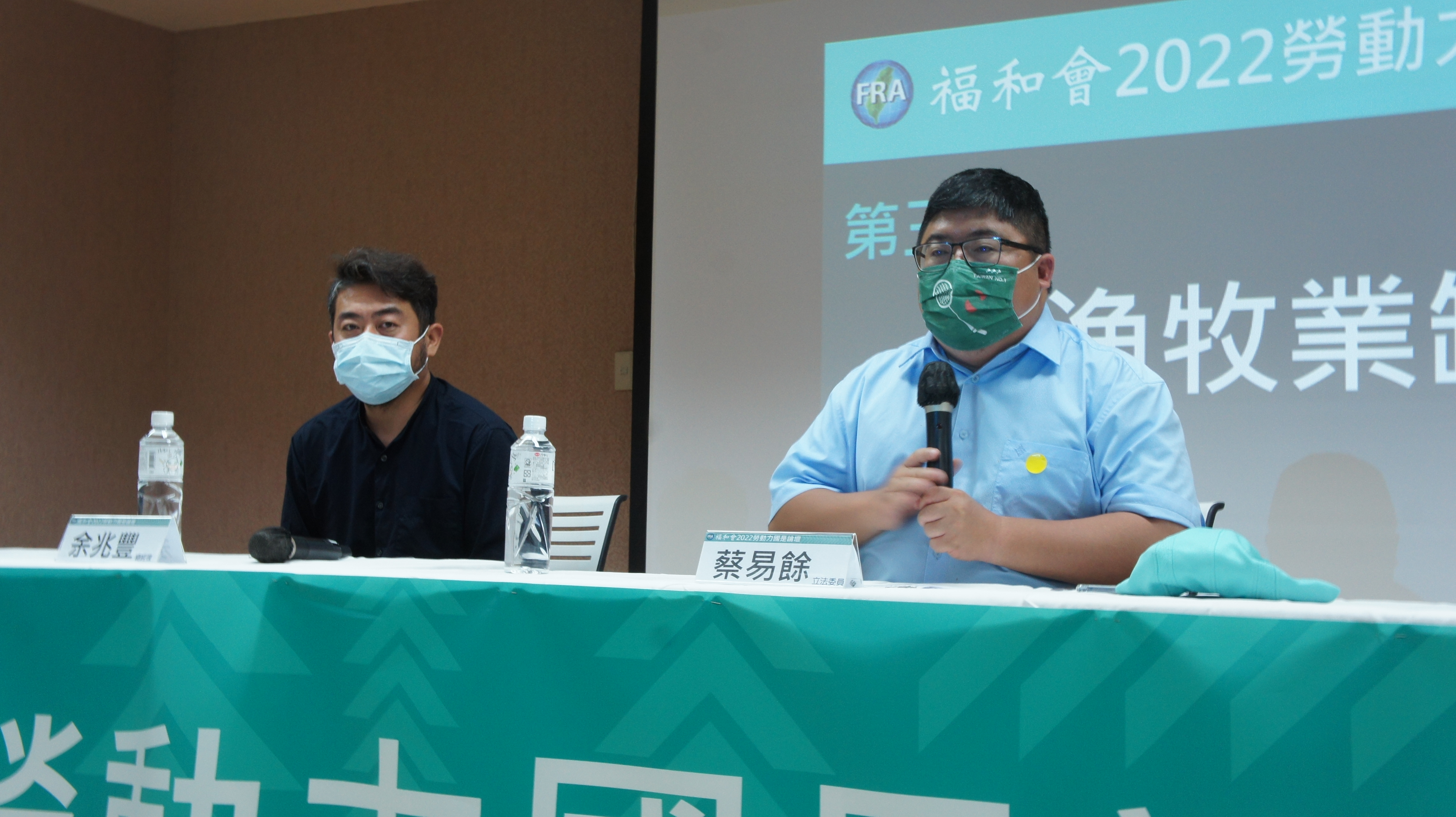
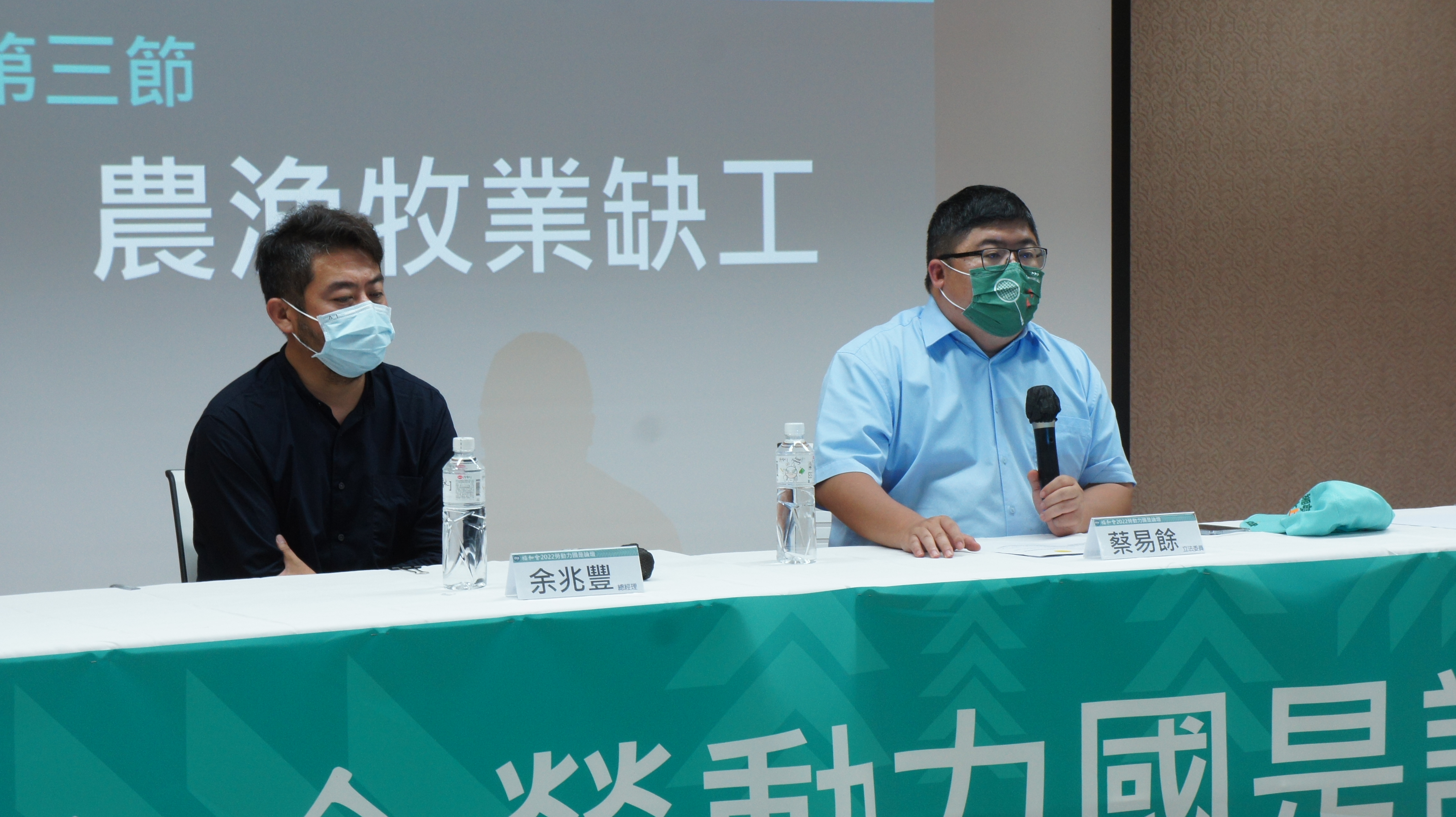
Legislator Tsai Yi‑yu, together with representatives from the agricultural sector, explained that Taiwan’s farming population is rapidly aging and that agriculture is suffering from severe labor shortages, which have become a major obstacle to the sector’s modernization and upgrading.

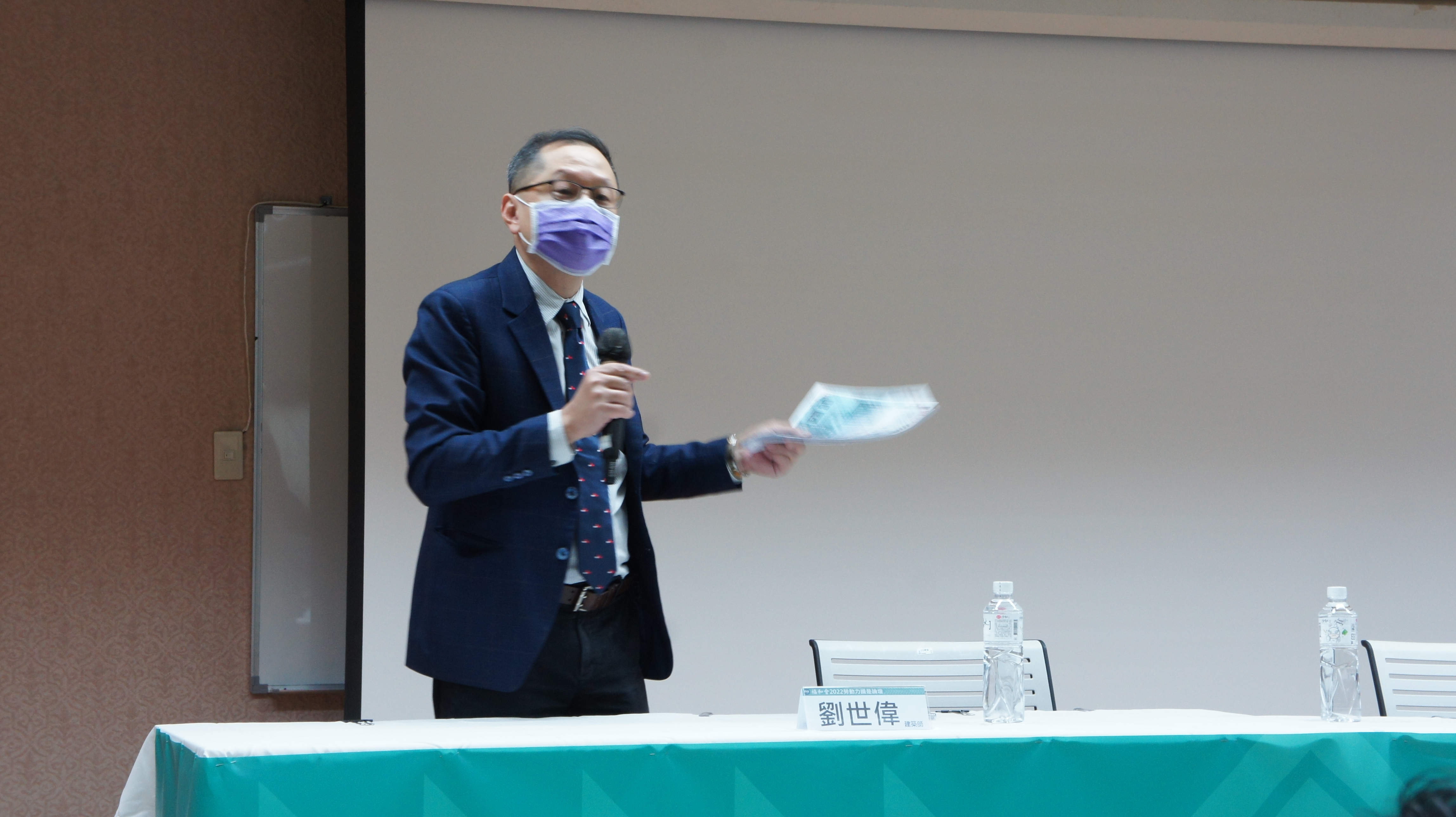
This year’s forum brought together an impressive group of distinguished participants. Guests included Tai Chung‑hsing, Deputy Secretary‑General of the General Chamber of Commerce, and Katsuhiko Umehara, former Mayor of Sendai, among other notable attendees. In his closing remarks, Architect Liu Shih‑wei, Advisor to the National Association of Architects, observed that although the forum lasted only half a day, its substantive value far exceeded that of many full‑day conferences, reflecting the depth and urgency of the discussions. FRA will continue this important national dialogue by hosting the FRA 2023 National Workforce Forum in the first half of 2023, further exploring solutions to Taiwan’s labor‑force challenges. More developments are forthcoming.
FRA 2022 Labor Force National Forum FRA 2022 Labor Force National Forum FRA 2022 Labor Force National Forum FRA 2022 Labor Force National Forum FRA 2022 Labor Force National Forum FRA 2022 Labor Force National Forum FRA 2022 Labor Force National Forum FRA 2022 Labor Force National Forum FRA 2022 Labor Force National Forum FRA 2022 Labor Force National Forum FRA 2022 Labor Force National Forum FRA 2022 Labor Force National Forum FRA 2022 Labor Force National Forum FRA 2022 Labor Force National Forum

FRA Co‑Hosts the “Charity Memorial Concert for Taiwan’s Dear Friend, Former Japanese Prime Minister Shinzo Abe”

2022.8.20

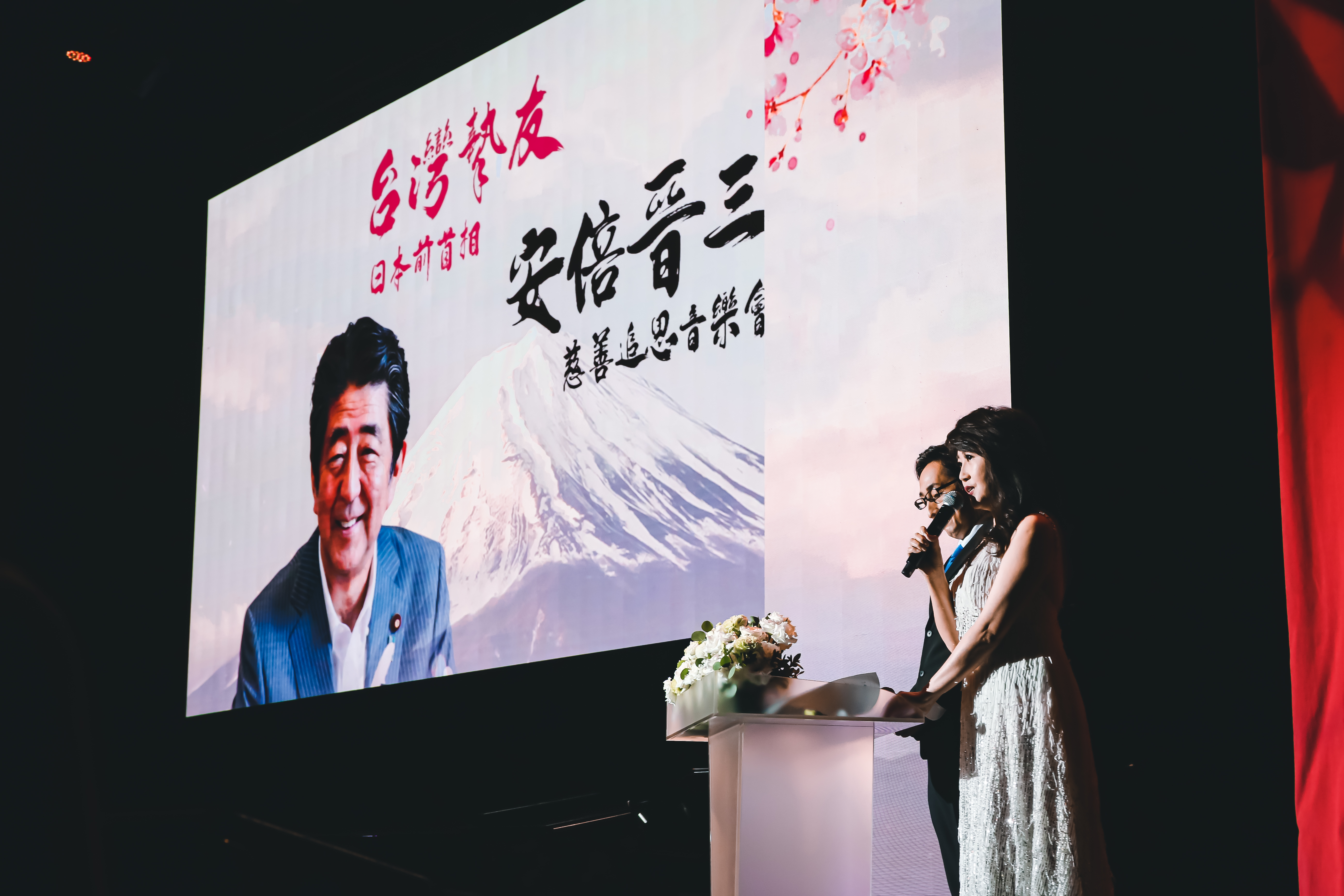
Former Japanese Prime Minister Shinzo Abe had long been one of Taiwan’s dearest friends. His sudden and tragic assassination on July 8, 2022 shocked the world and left the people of Taiwan in profound grief. Abe shared a deep bond with former President Lee Teng‑hui; the two admired and respected each other, with Abe regarding Lee as a mentor. President Lee once gifted Abe a calligraphy piece bearing the words “calmness” and “humility,” and later added a third virtue: “perseverance.”

After stepping down during his first term due to illness, Shinzo Abe visited Taiwan, where former President Lee Teng‑hui encouraged him with remarkable candor and confidence: “Among Japan’s political leaders, there is no one but you to whom the nation can be entrusted.” Lee urged Abe to “become prime minister once more.” President Lee personally guided Abe on the concept of “normalizing the Japanese state,” advising that Japan should establish a National Security Council and pursue constitutional reform. Under Lee Teng‑hui’s mentorship and encouragement, Abe rose again to the pinnacle of Japanese politics, becoming the country’s longest‑serving and most influential post‑war prime minister. Abe’s achievements were deeply shaped by Lee Teng‑hui’s wisdom—indeed, they can be seen as an extension of Taiwan’s own “quiet revolution.”

Shinzo Abe not only held profound respect for President Lee Teng‑hui; he also came to recognize how deeply the people of Taiwan care for the people of Japan—treating them almost like family. Whenever Japan faced disasters or hardship, Taiwan extended heartfelt assistance, leaving a lasting impression on the Japanese public and further strengthening Abe’s resolve to stand firmly with Taiwan. During the COVID‑19 pandemic, when Taiwan encountered difficulties in securing vaccines, Abe responded with exceptional generosity. He facilitated the donation of 4.2 million doses of AstraZeneca vaccines, significantly boosting Taiwan’s vaccination coverage at a critical moment. It was a true demonstration of solidarity in times of adversity.

To express heartfelt gratitude to former Prime Minister Shinzo Abe, the Union Bank of Taiwan served as the principal organizer, with the Taiwan Haode Public Welfare and Cultural Association leading the initiative. FRA also joined as a co‑organizer, together with a wide array of dedicated partners from across sectors—including Rotary International District 3481, Bellini Co., Ltd., First Store, PharmaEssentia, Mr. Chang Hsueh‑shun, Chairman of Taipei 101, and Ishikawa Communications Group. Together, these organizations co‑hosted the “Charity Memorial Concert for Taiwan’s Dear Friend, Former Japanese Prime Minister Shinzo Abe,” a collective tribute reflecting Taiwan’s deep appreciation for Abe’s friendship, leadership, and unwavering support.

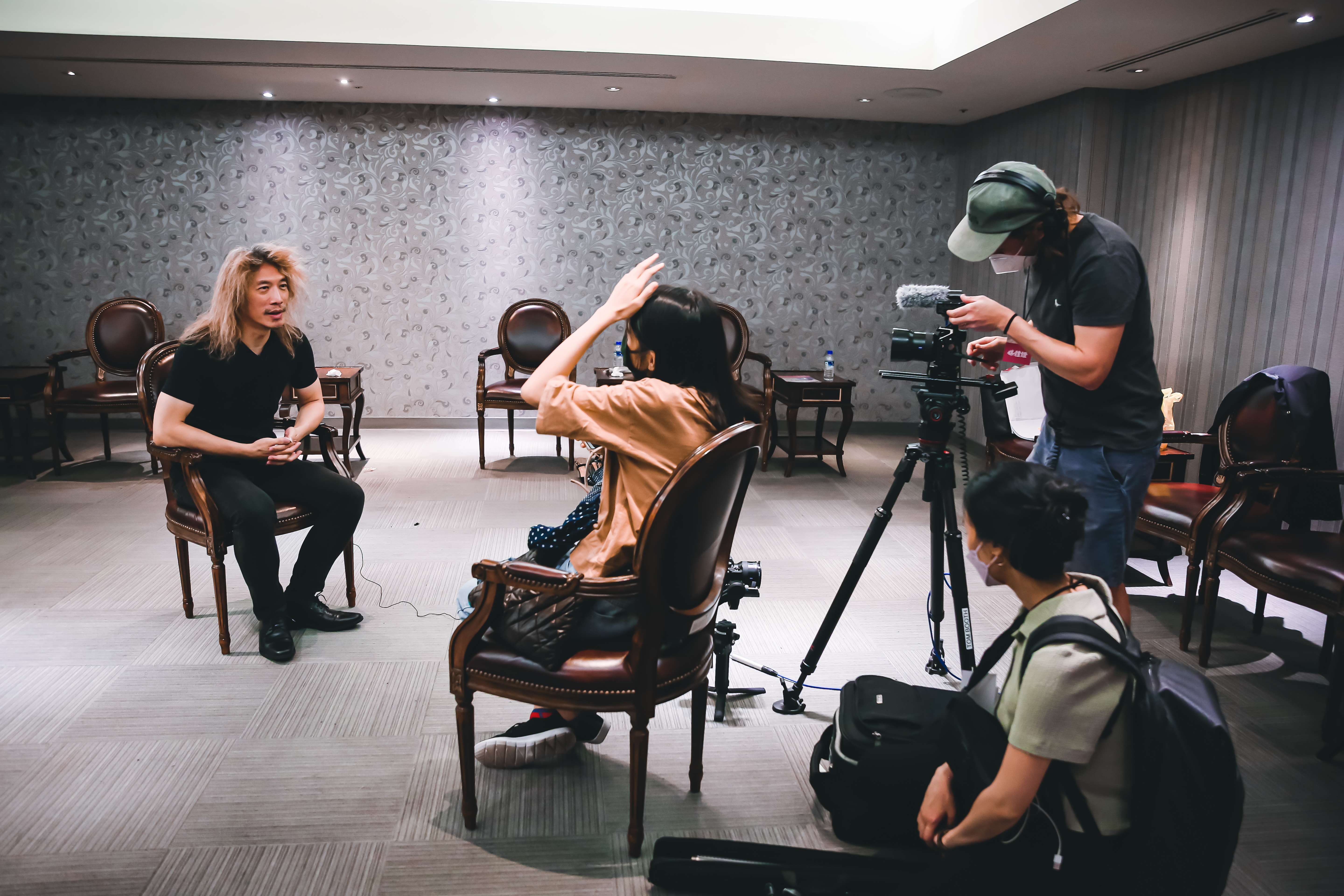
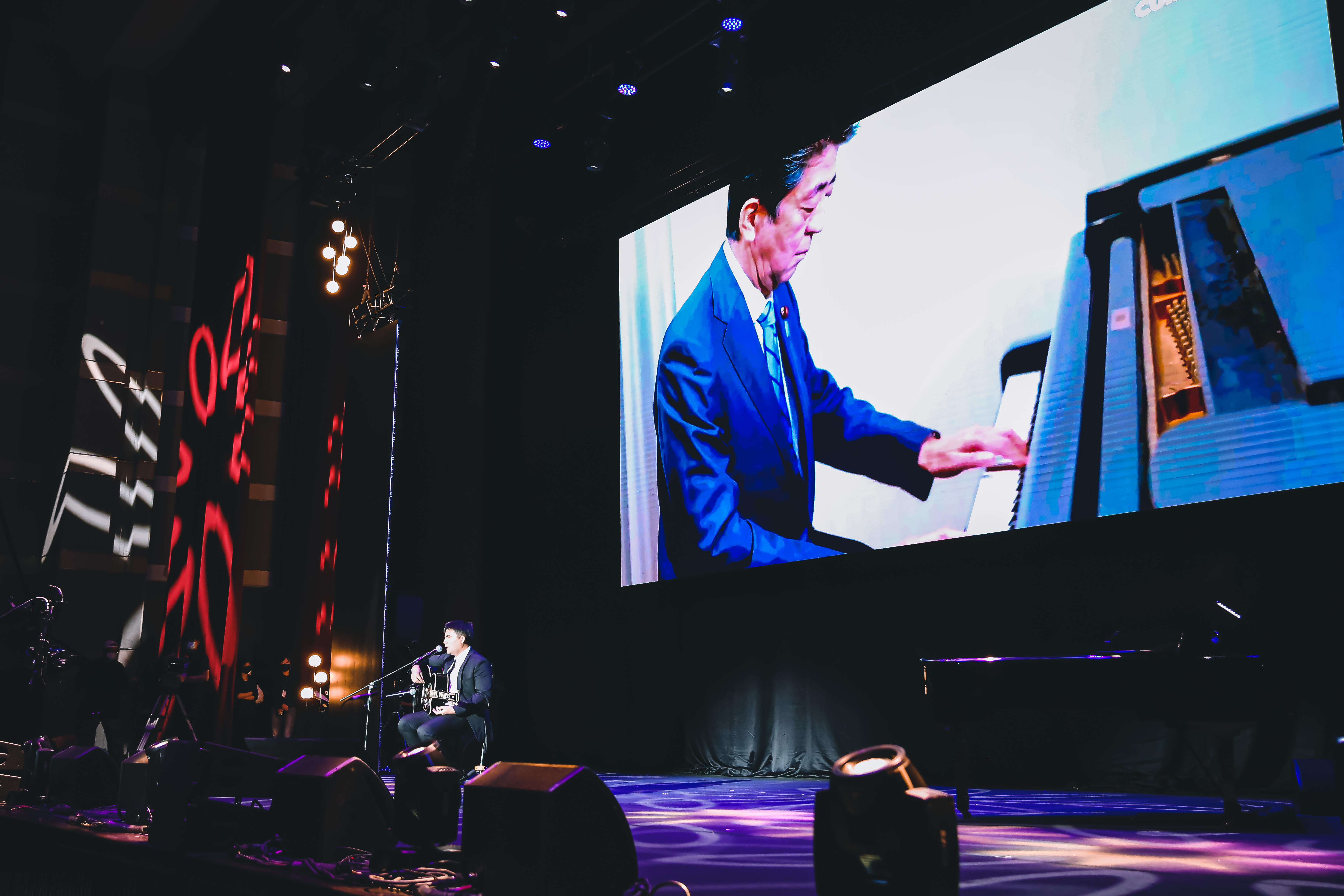
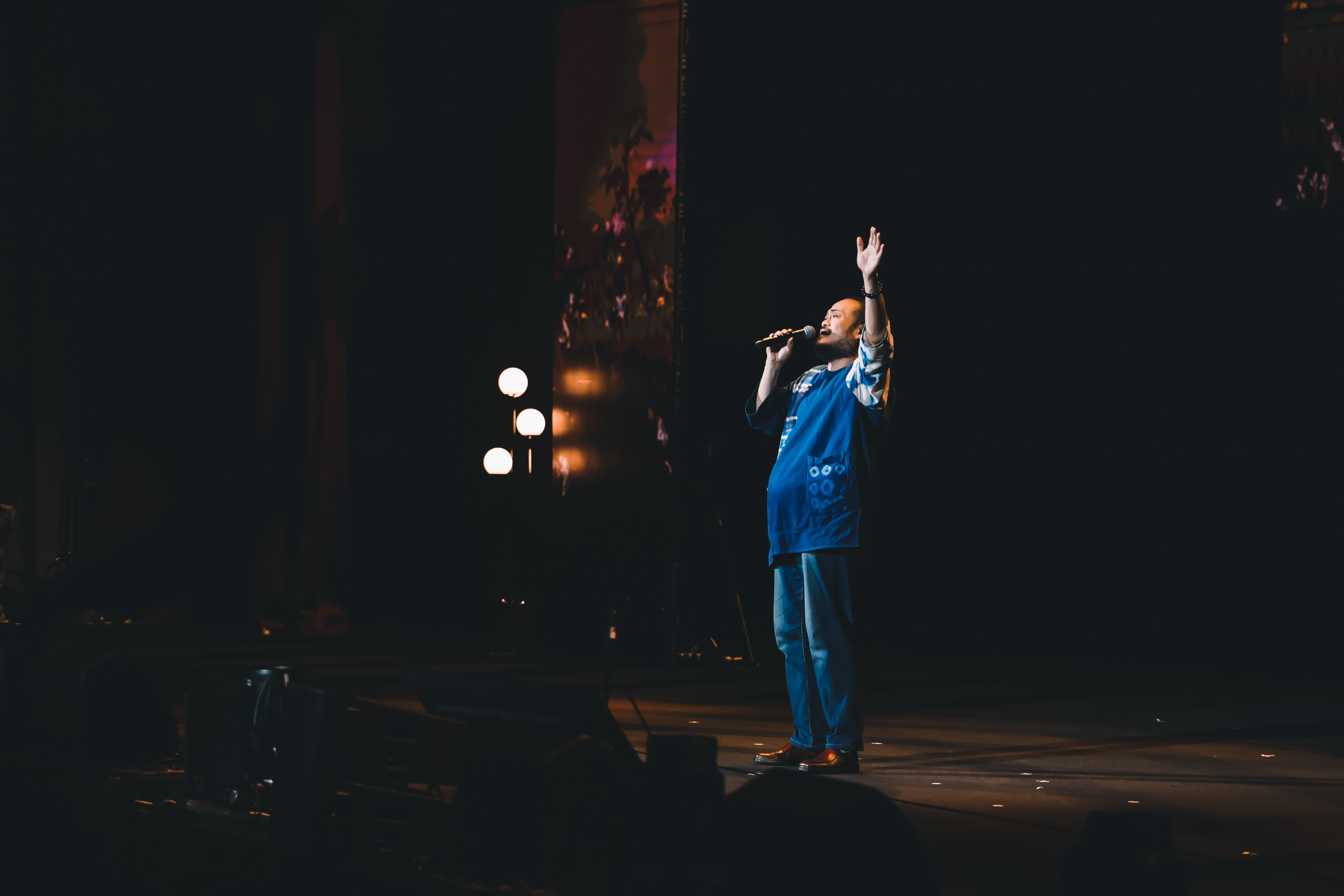
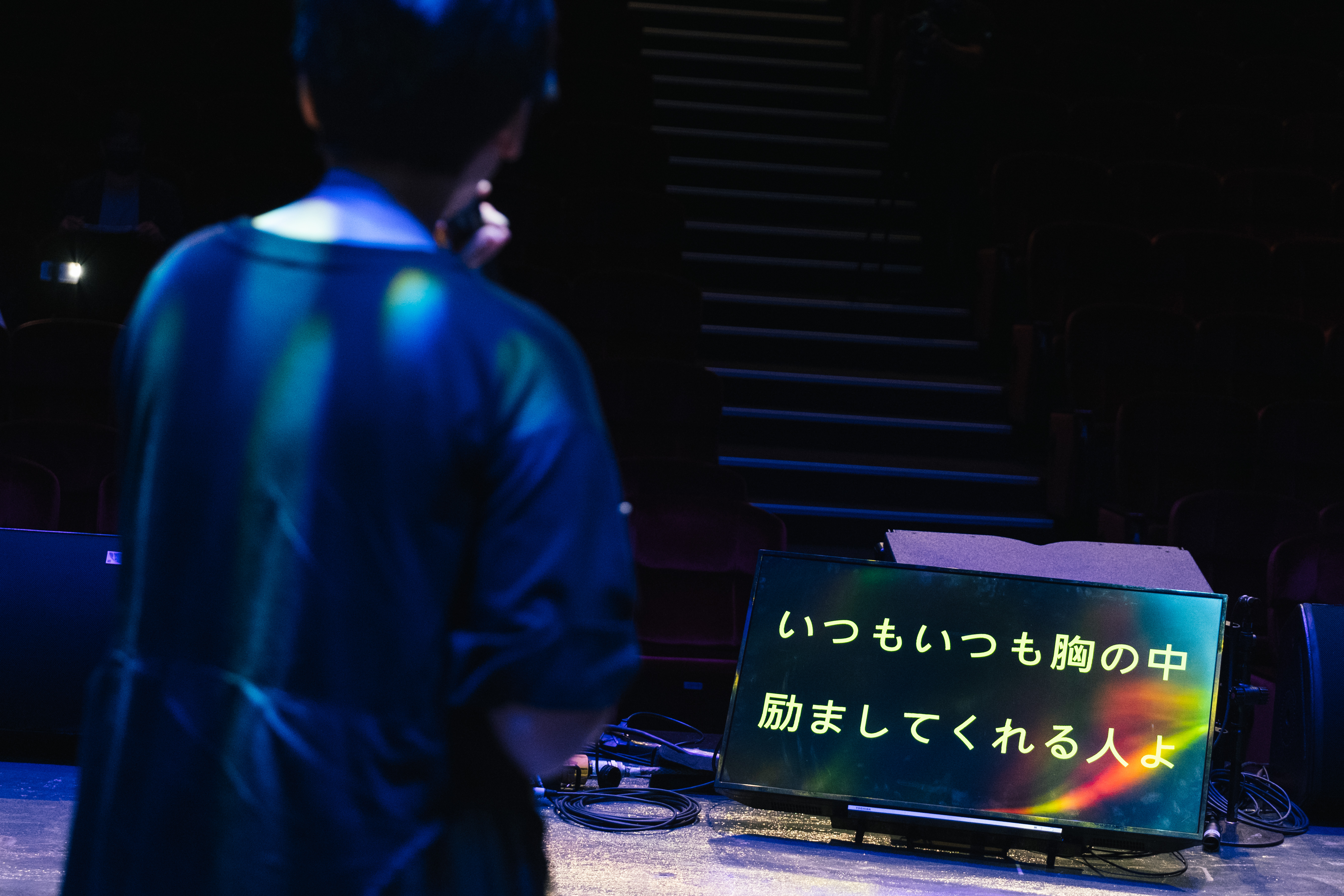
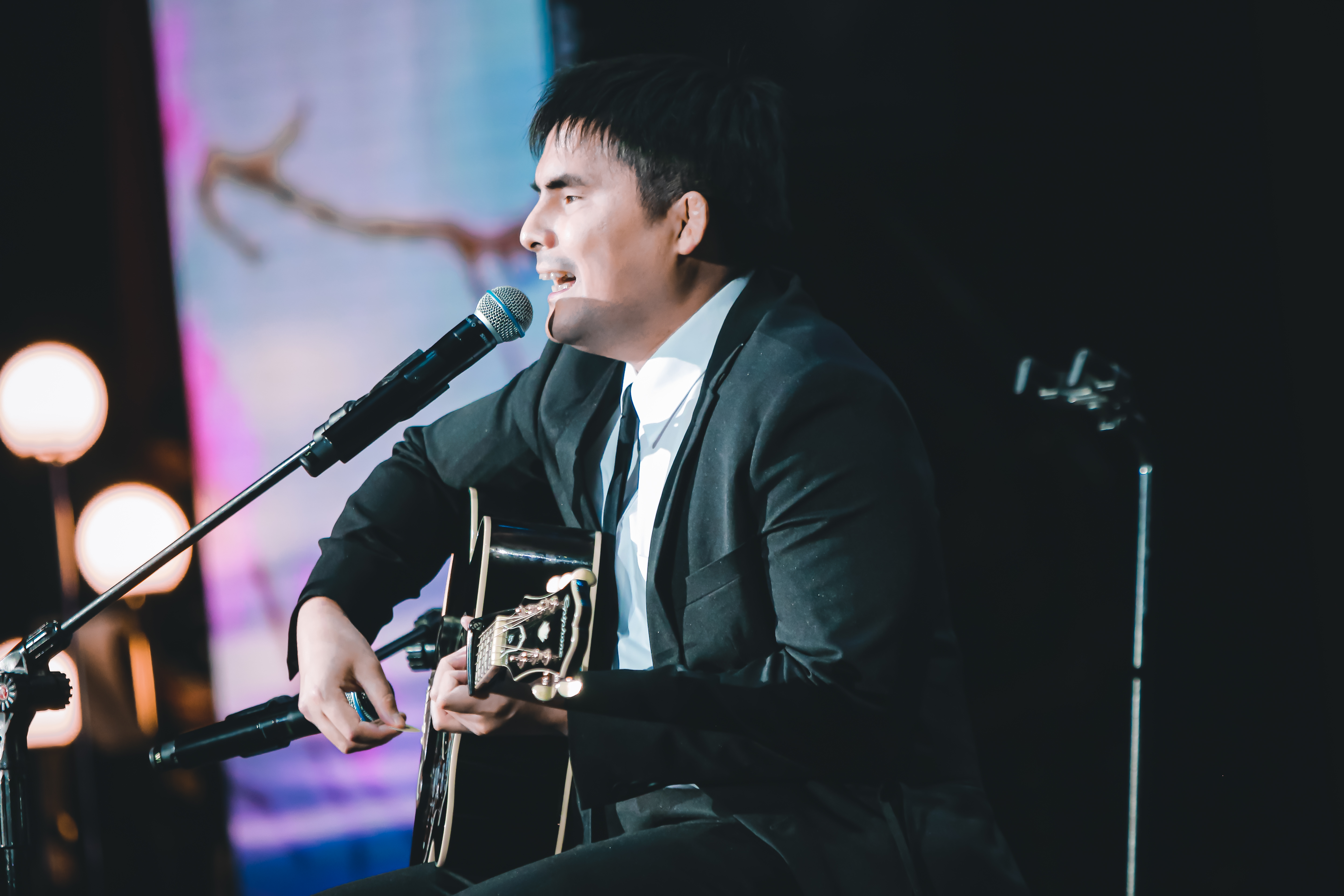
Senior Japanese journalist Akio Yaita assisted in gathering precious archival footage of Prime Minister Shinzo Abe from his lifetime, along with video messages from Japanese lawmakers who have long supported Taiwan. The organizers also invited Abe’s close friend—someone he cared about deeply—Keiji Oyama, a blind vocalist from Japan, to travel to Taiwan and perform at the memorial. Through his singing, Oyama conveyed a profound sense of remembrance and heartfelt tribute to the late prime minister.

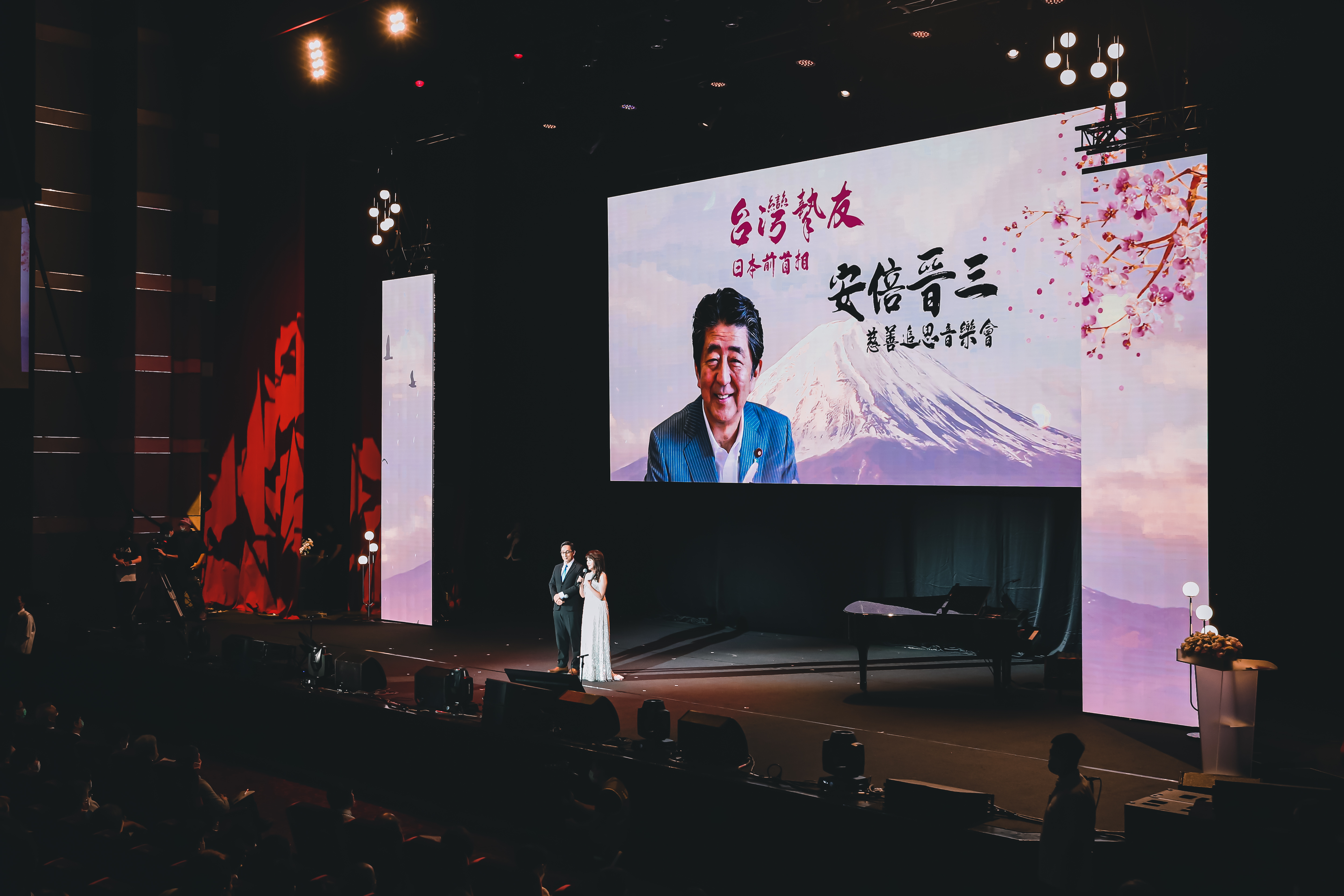
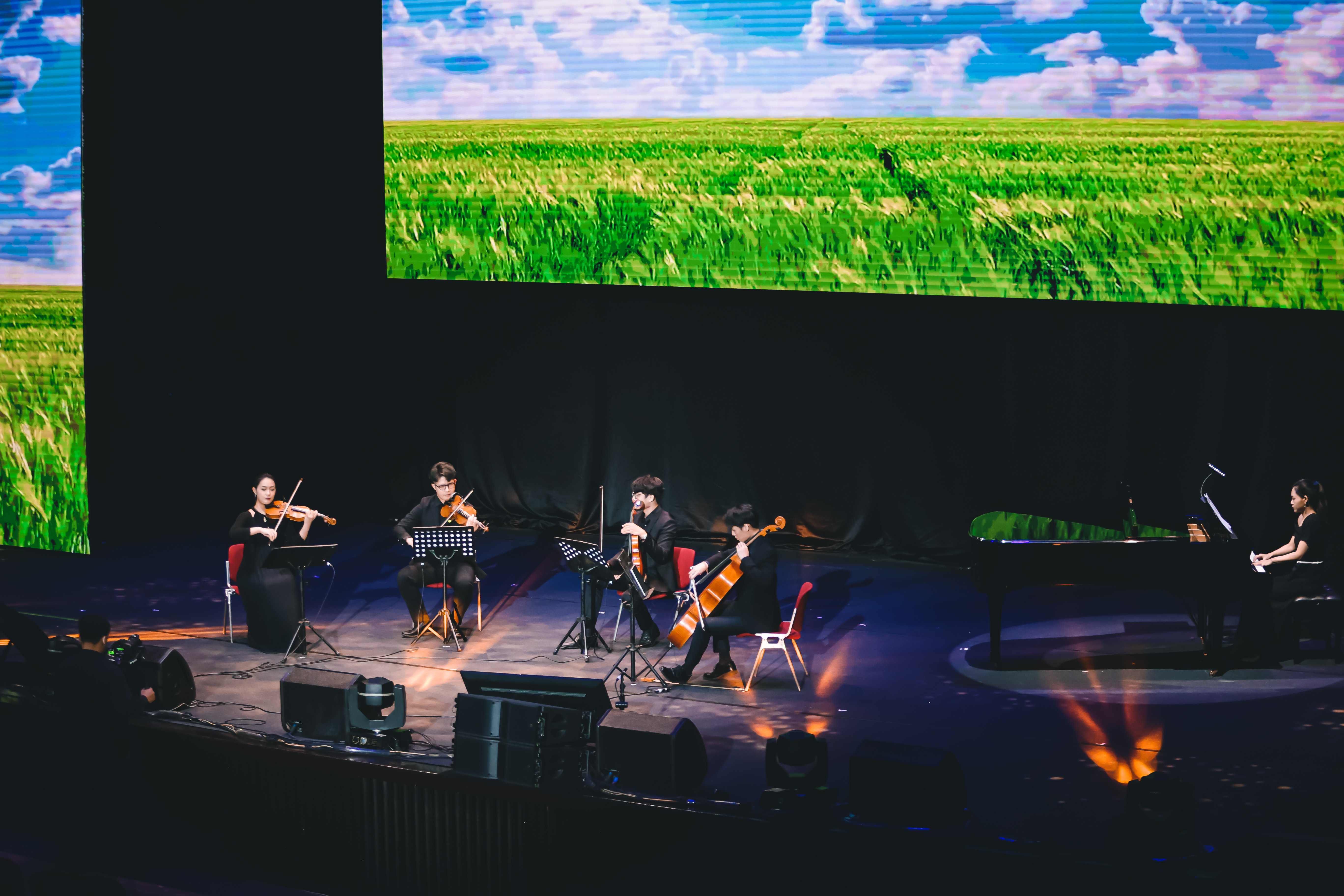
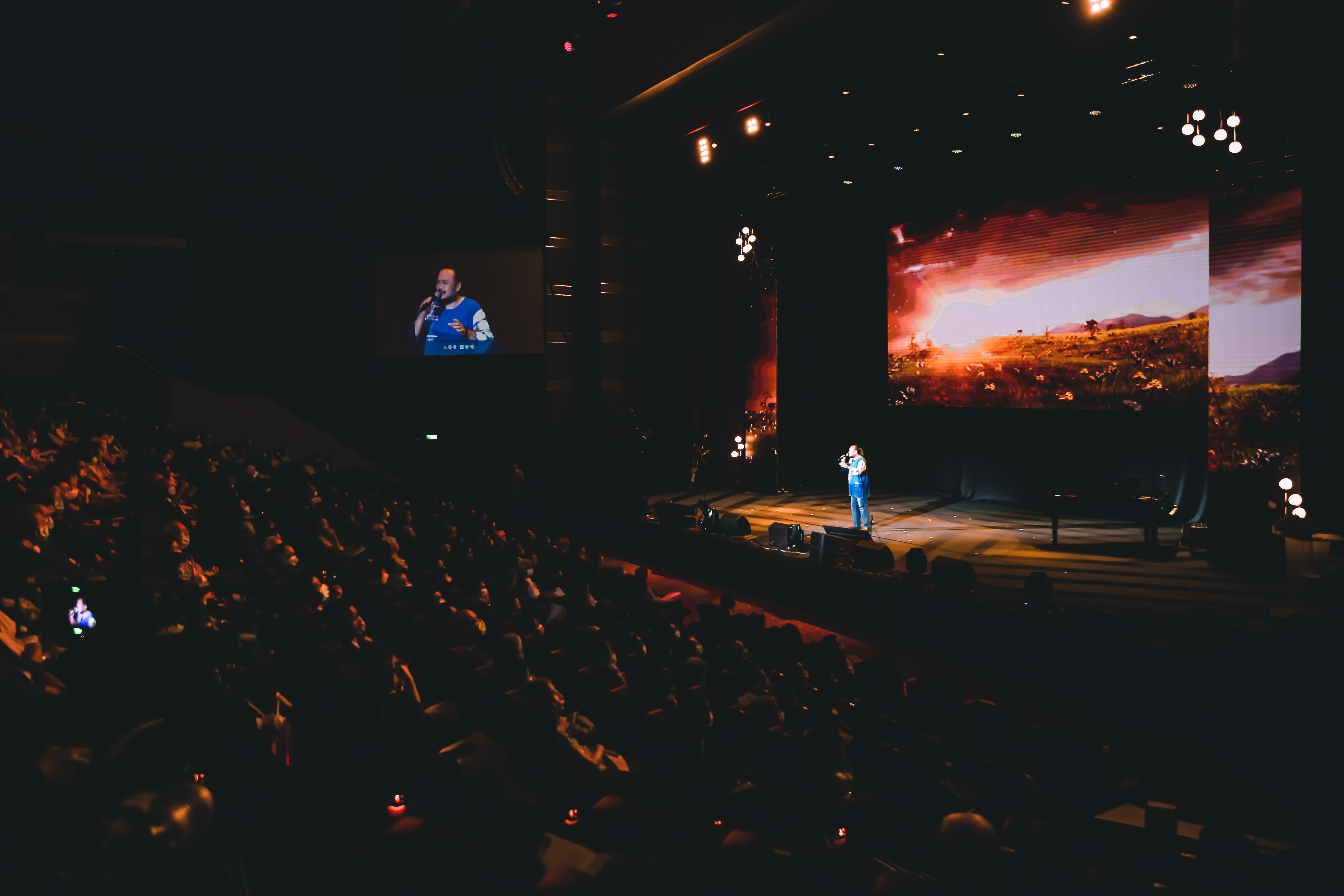
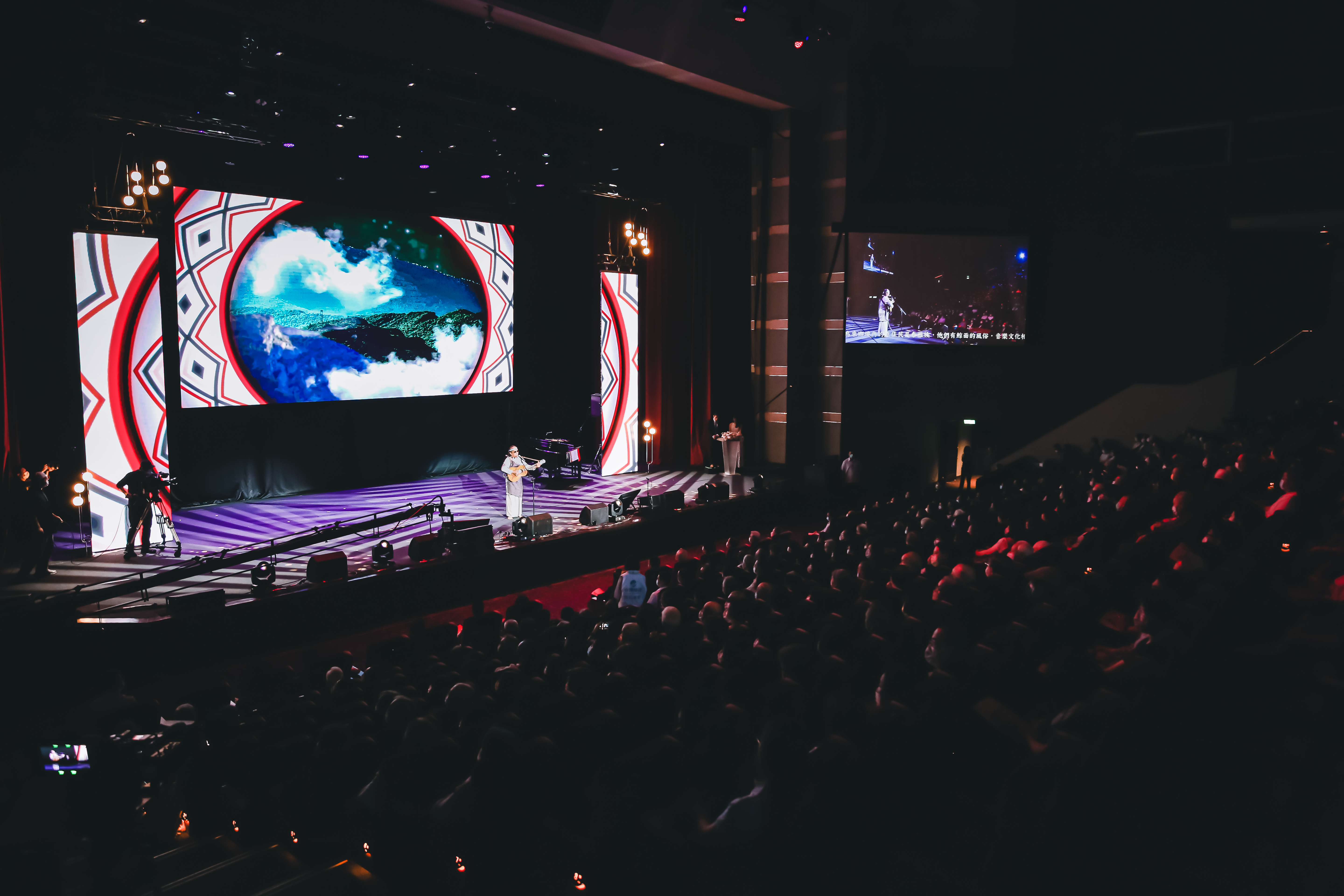
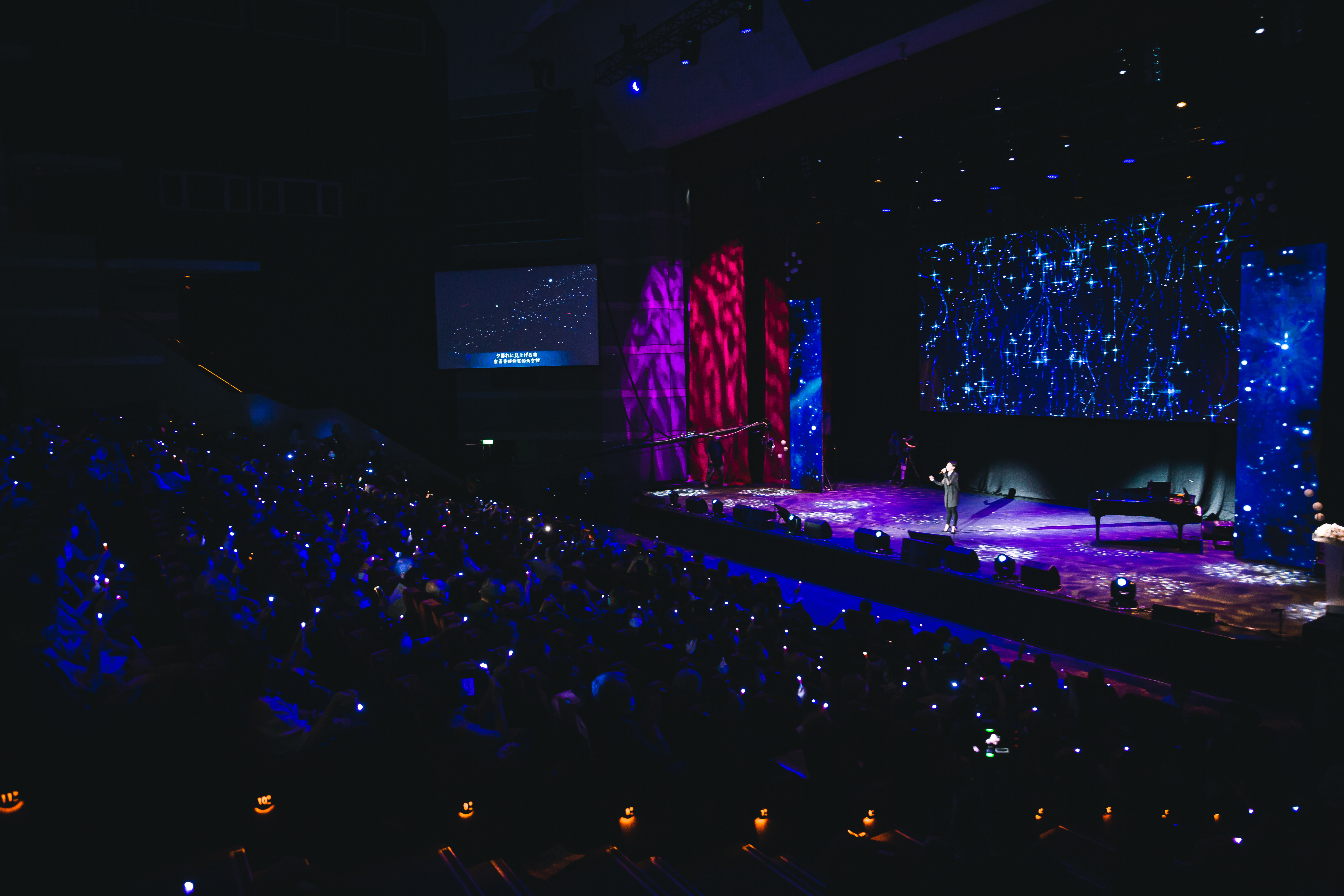
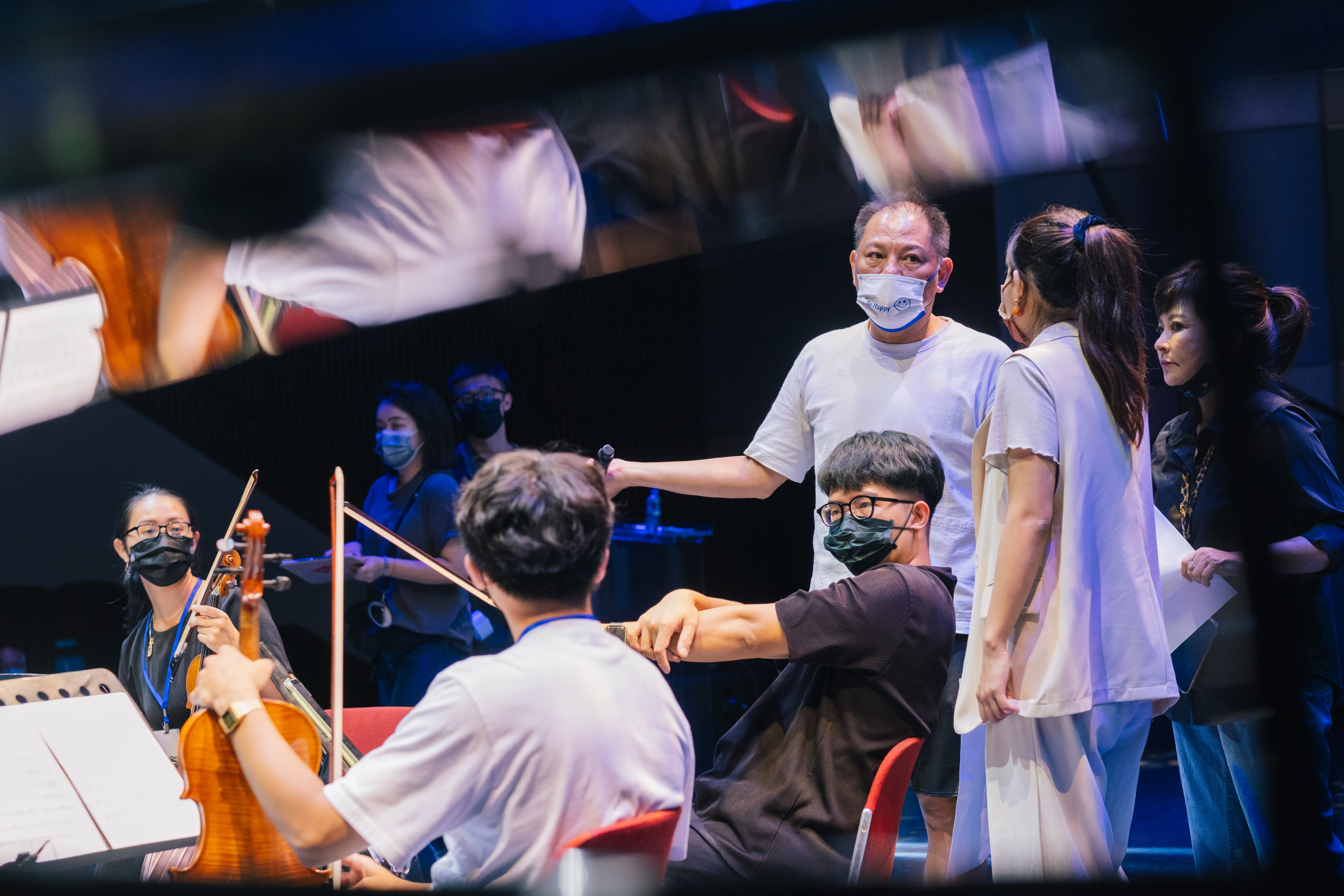
Amid the ongoing challenges of the pandemic, all participating organizations devoted themselves fully to the planning and execution of the event. Thanks to the strong support and leadership of Union Bank of Taiwan as the principal organizer, along with the generous sponsorship of the aforementioned Taiwanese enterprises and civic groups, the team ultimately accomplished what once seemed an impossible mission. The memorial concert successfully premiered on the evening of August 20 at the International Convention Center, delivering a beautifully crafted and moving program to audiences in both Taiwan and Japan.

During the Great East Japan Earthquake ten years ago, Taiwan was the single largest donor to Japan, offering more assistance than any other country. Prime Minister Shinzo Abe never forgot this kindness; it remained deeply etched in his heart. Throughout his tenure, whenever Taiwan faced hardship, he consistently extended a helping hand. Whether it was the surplus‑pineapple crisis, or moments when Taiwan found itself isolated under international pressure, Abe always stepped forward to voice support and encouragement. His well‑known declaration—“A contingency for Taiwan is a contingency for Japan”—expressed a sincerity stronger than kinship, reflecting a bond of genuine friendship. Abe was, in every sense, a true and steadfast friend of Taiwan.

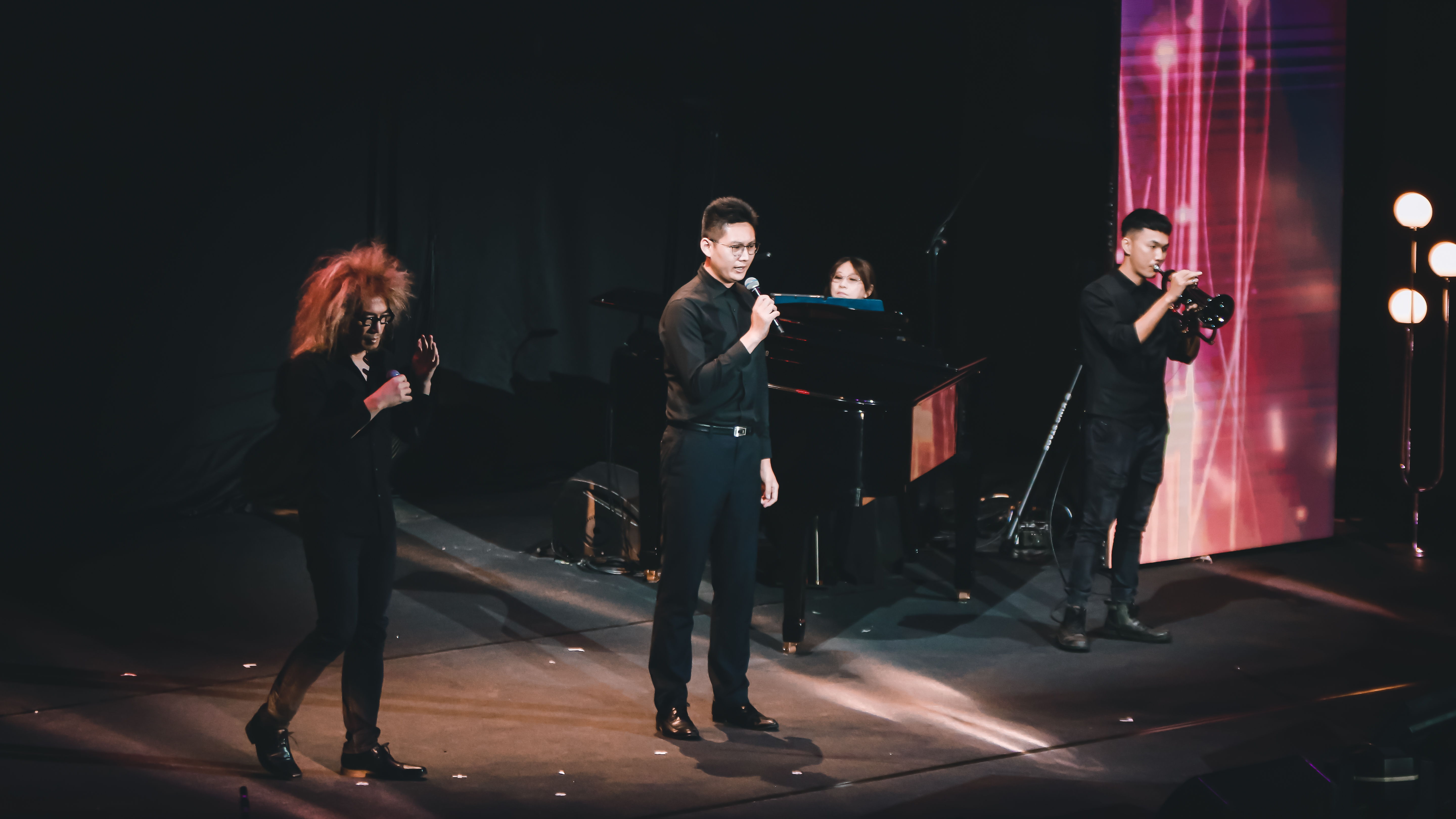
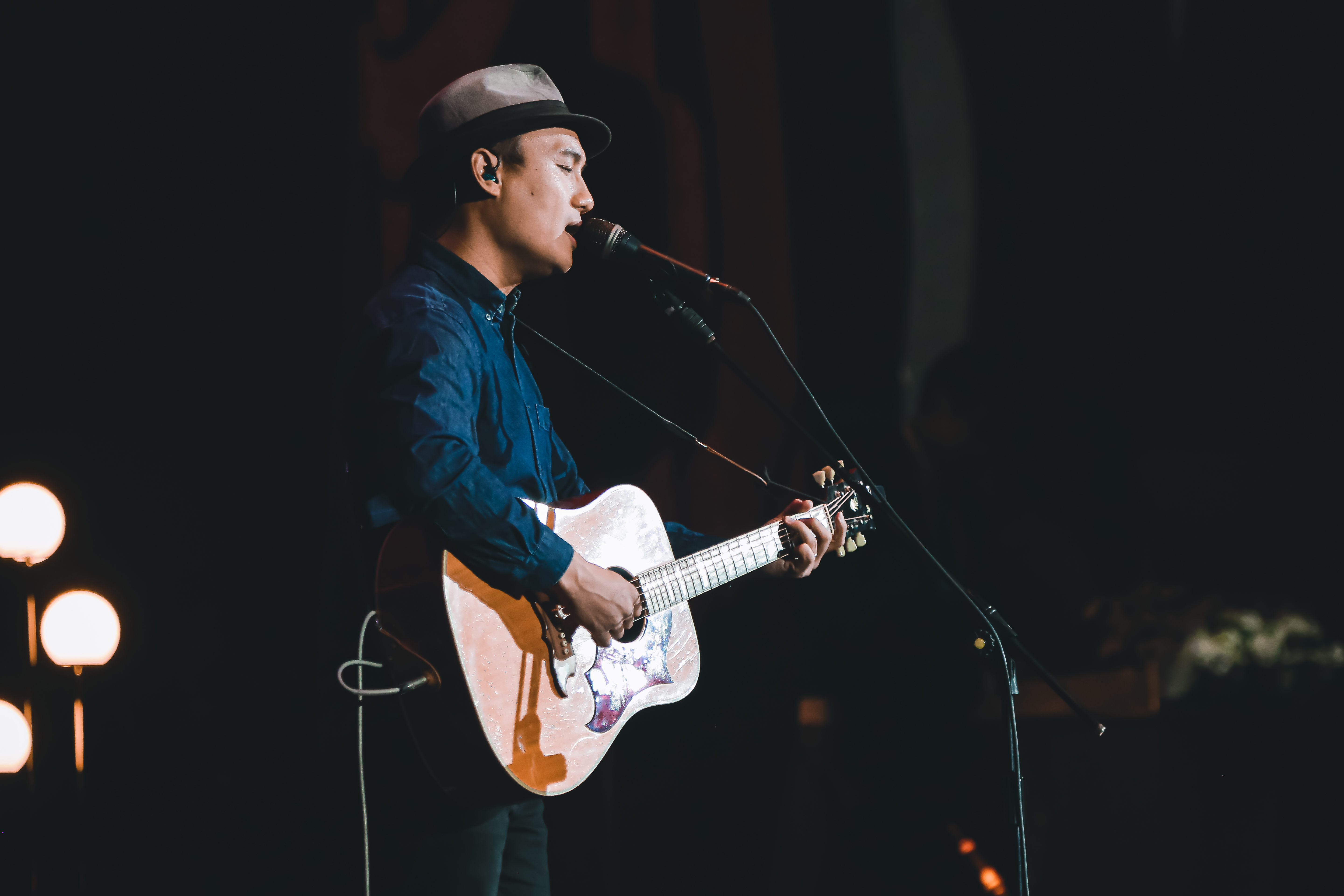
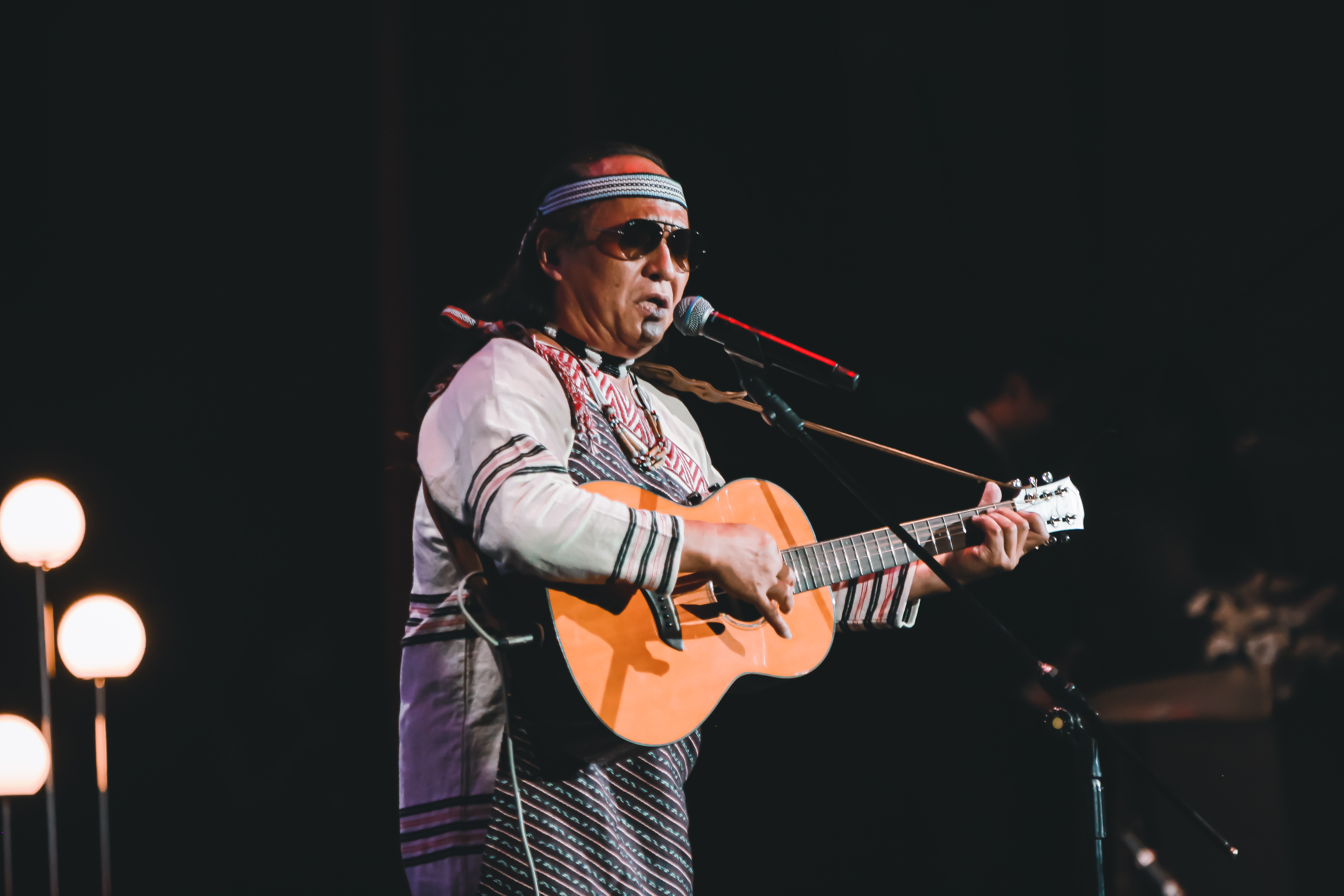
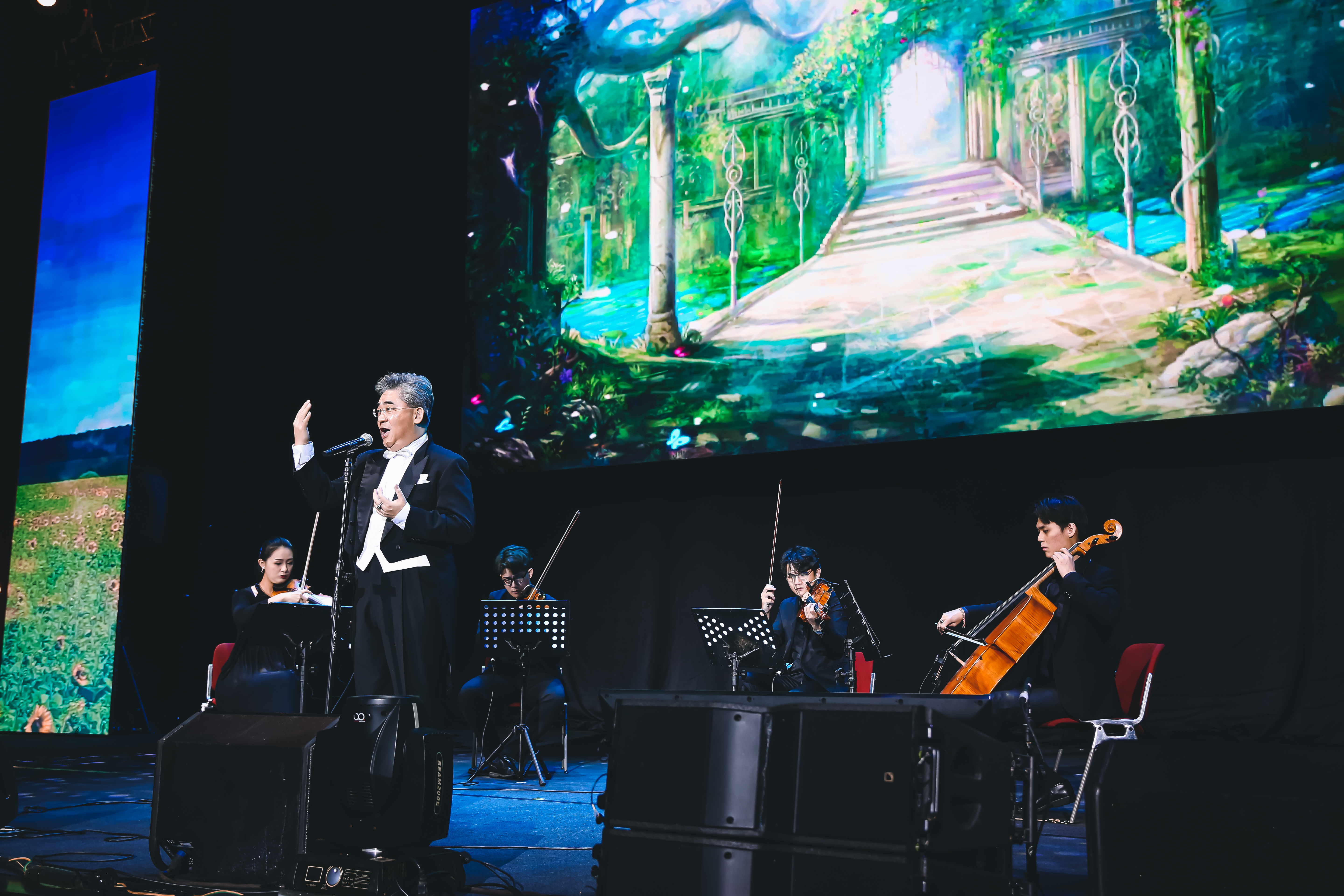
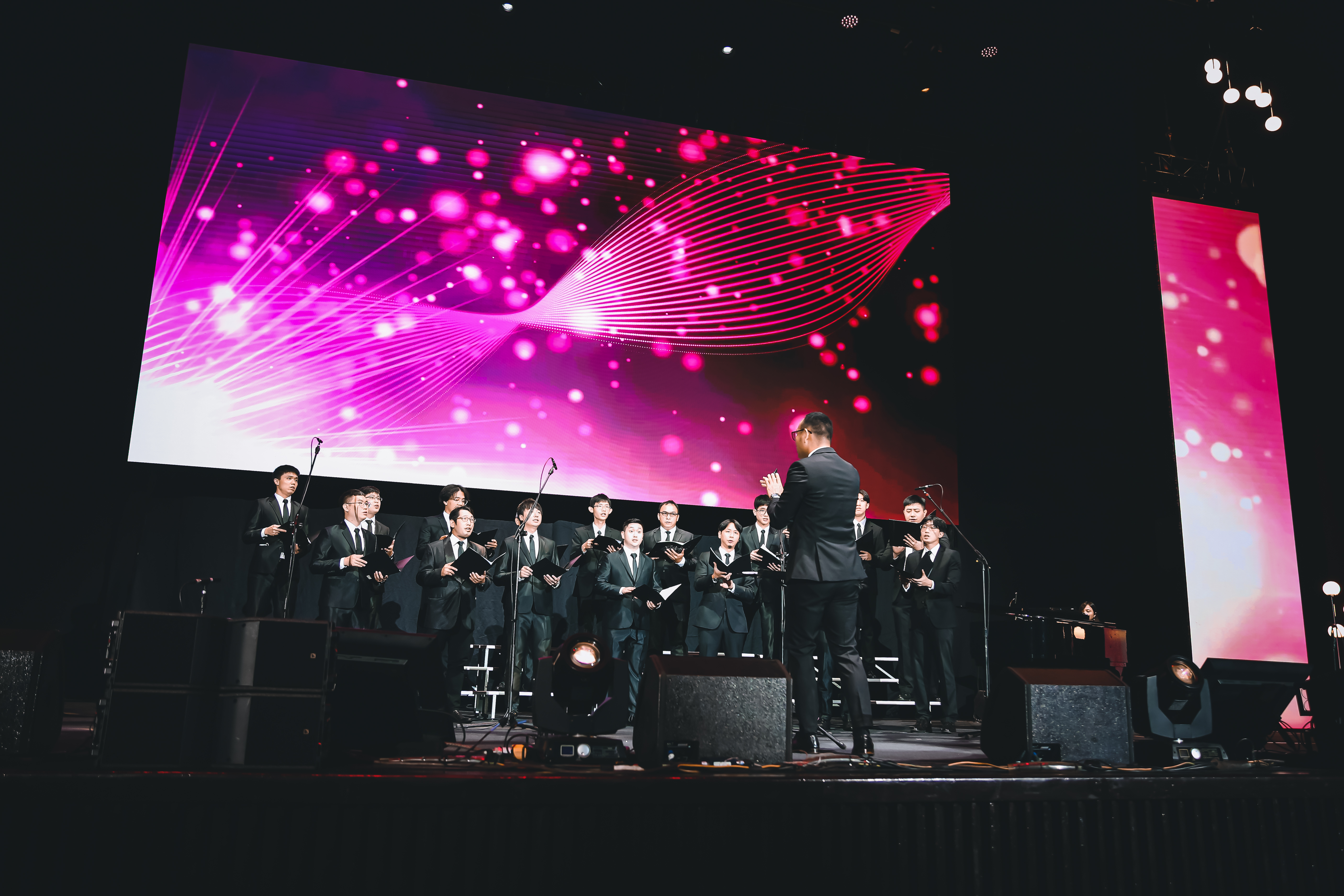
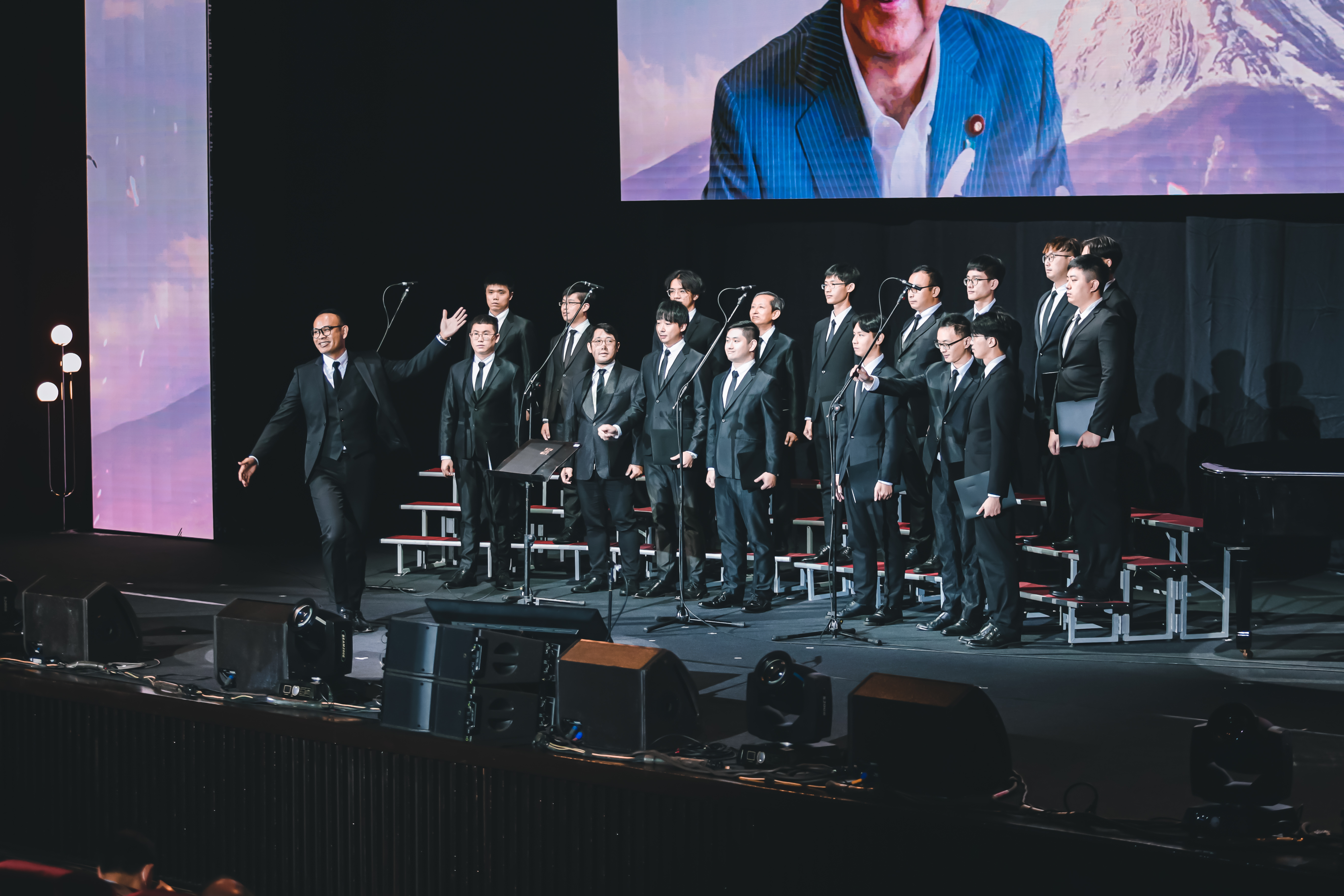
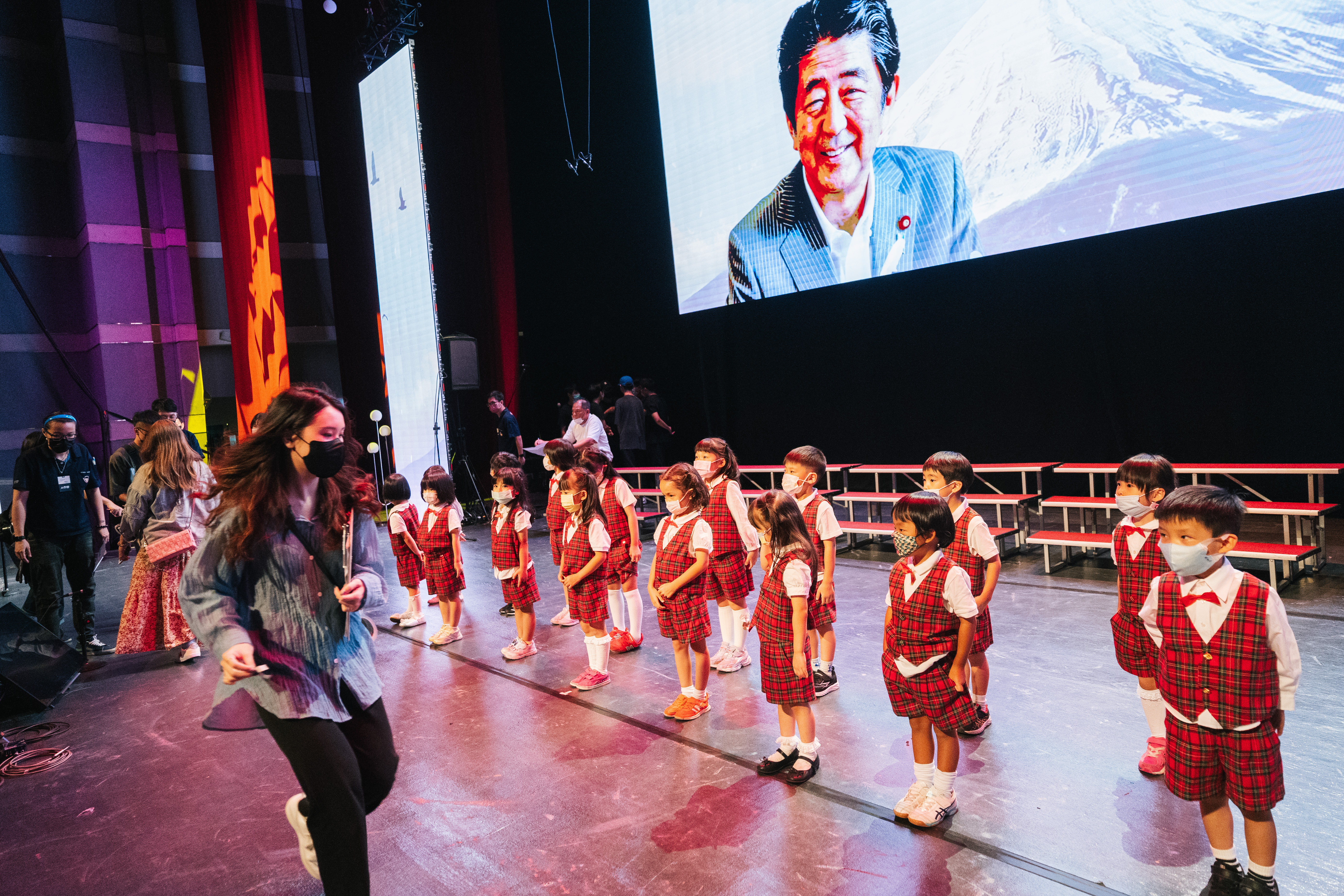
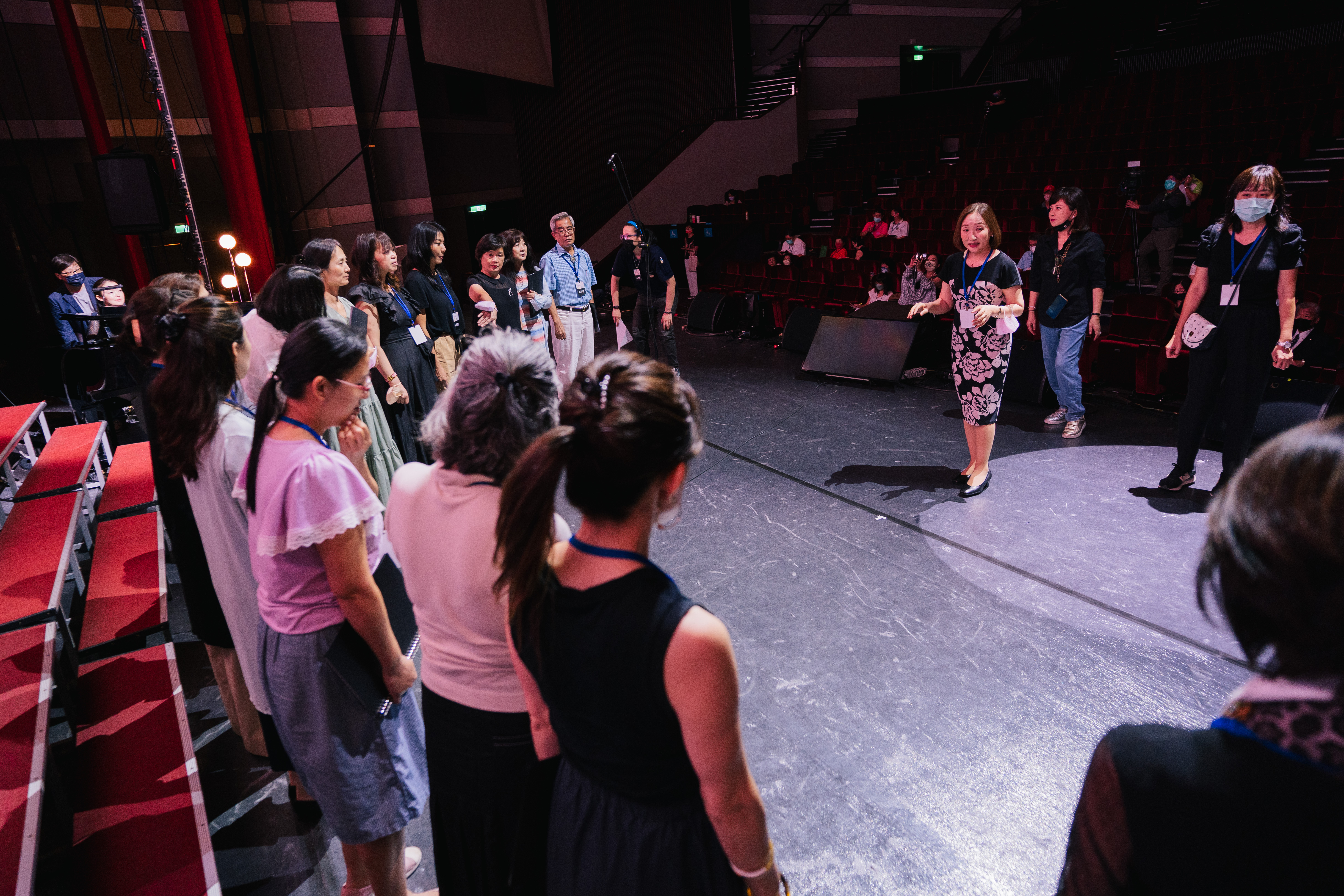
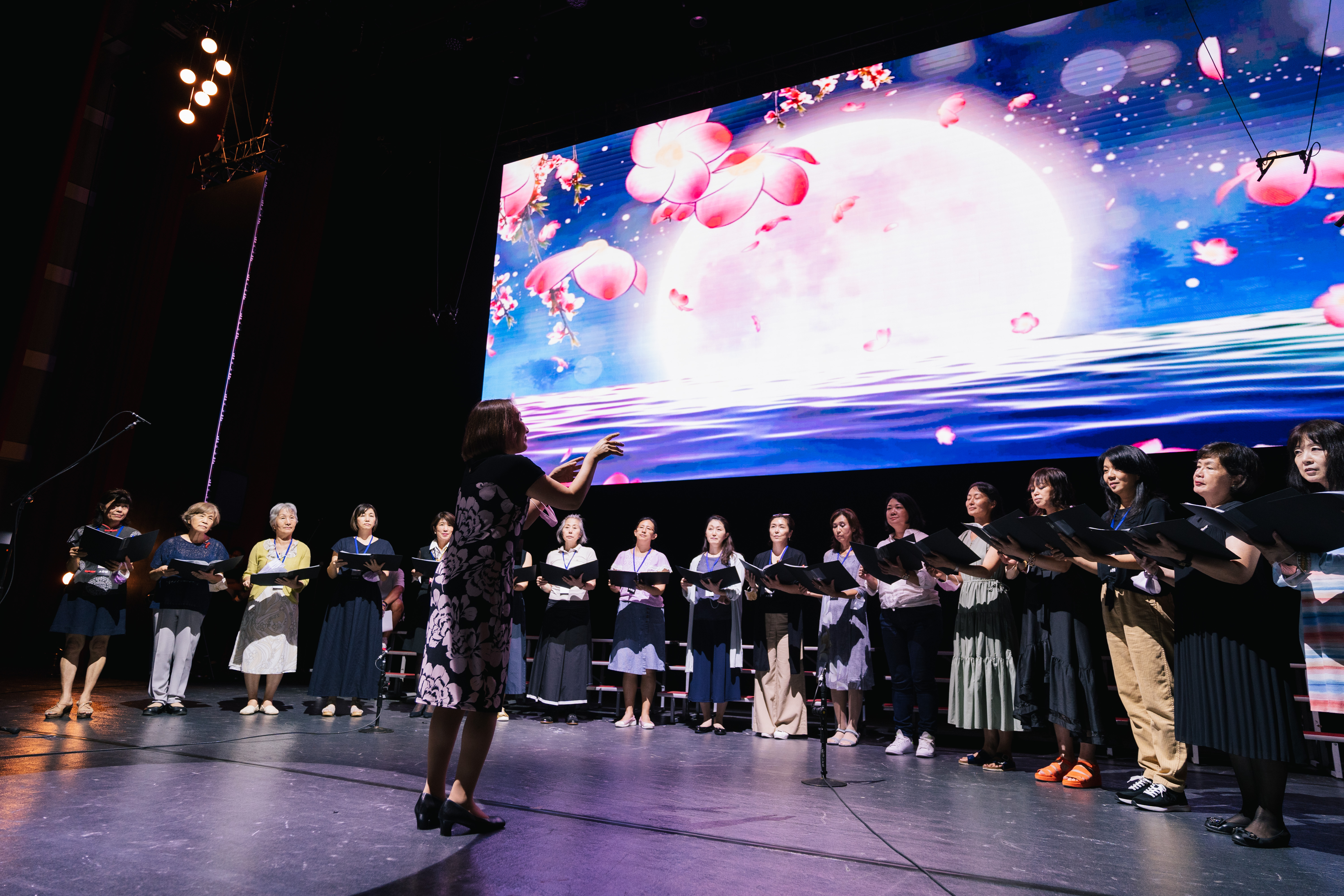
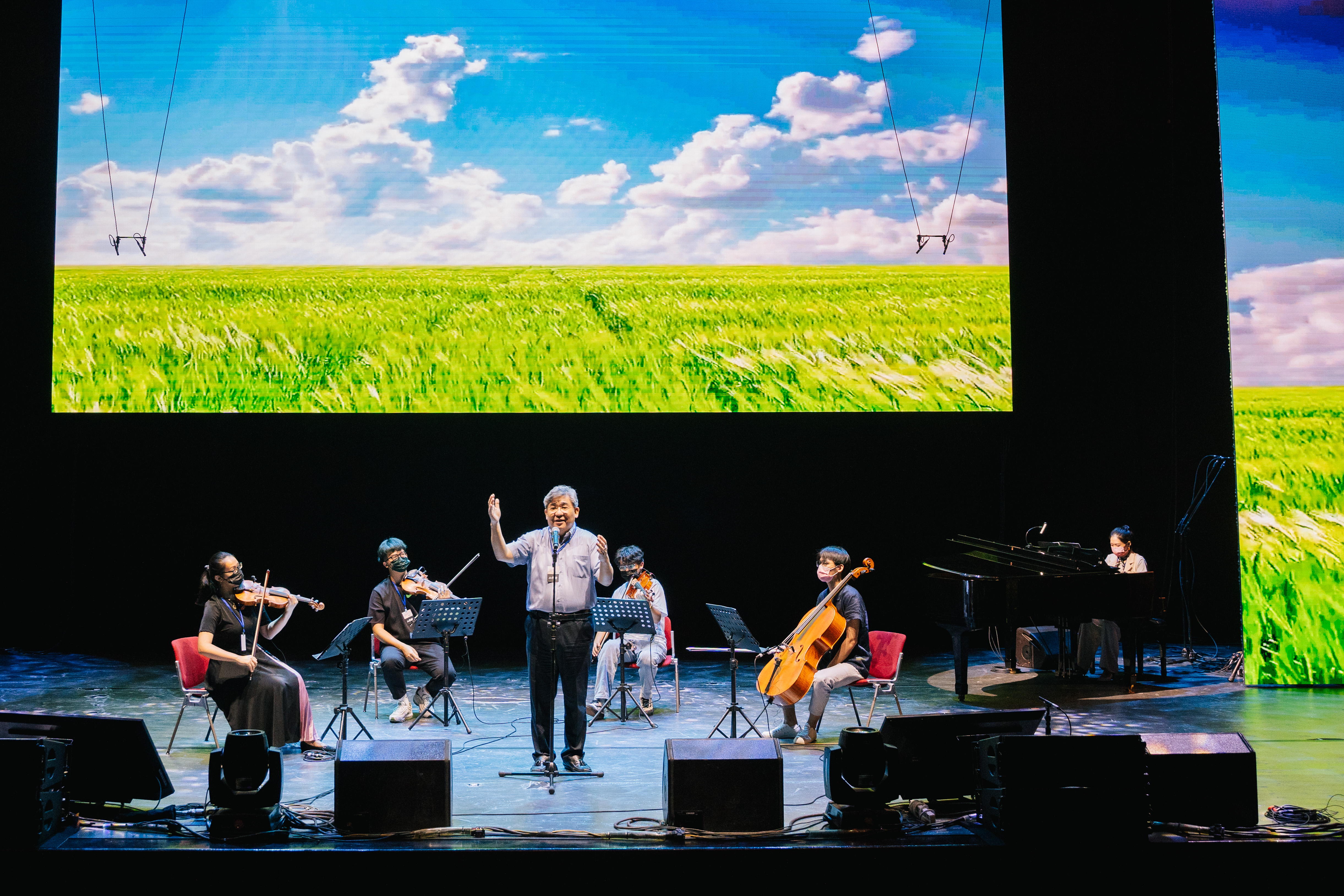
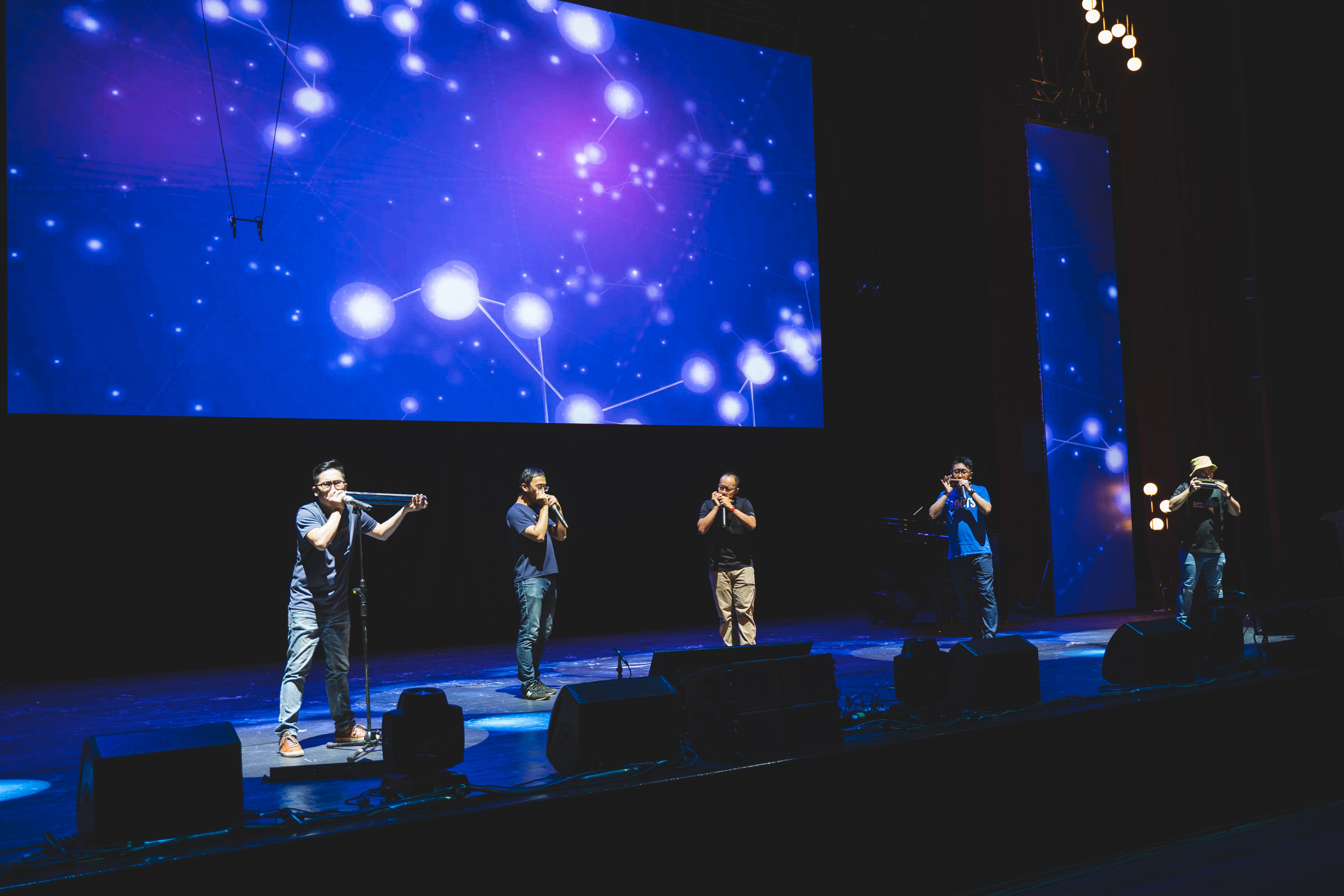
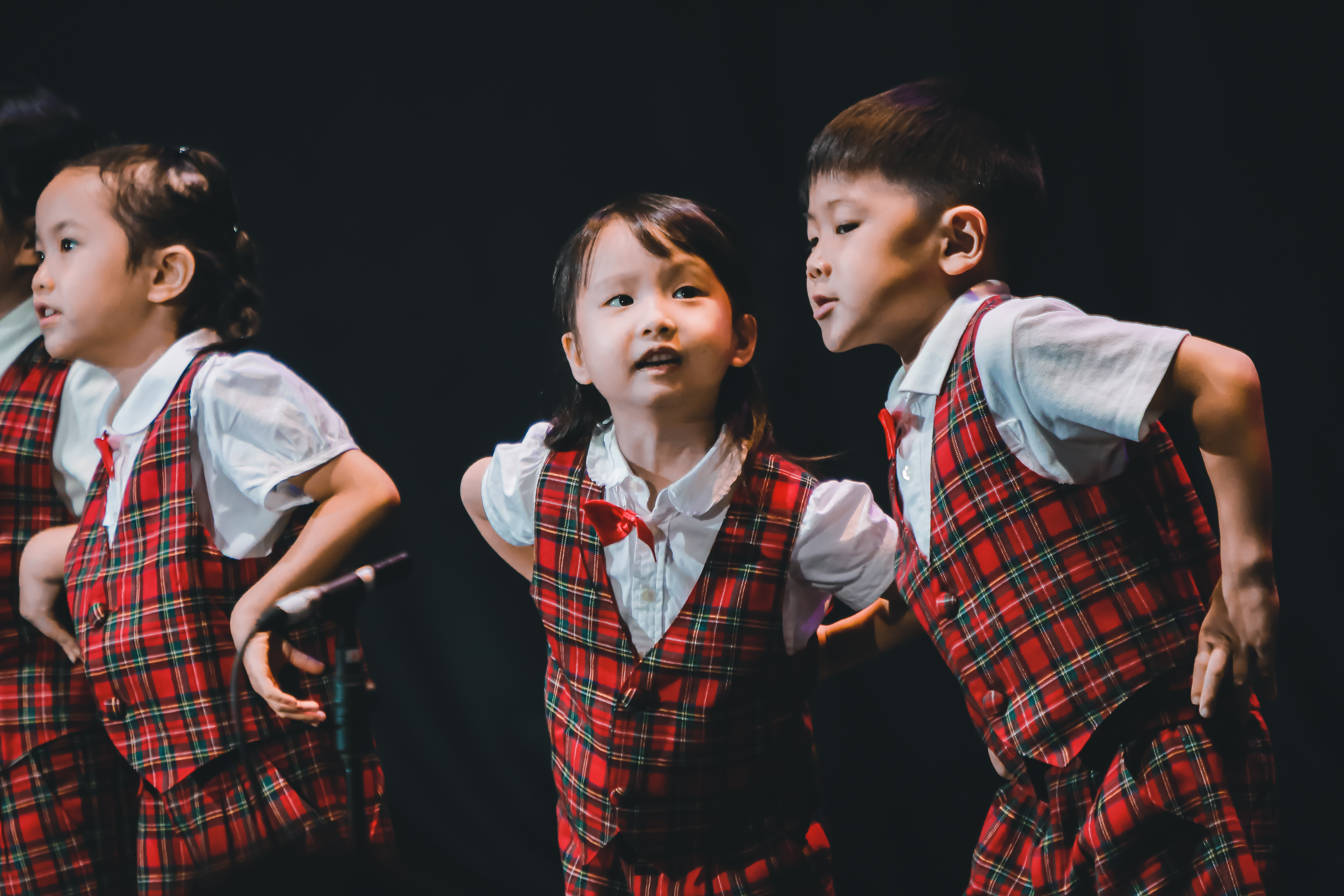
In addition to Abe’s close friend Keiji Oyama, the memorial concert also featured performances by the Adachi Ikuko Choir and Hokuyu Japanese Kindergarten, who came to express the Japanese people’s heartfelt remembrance of the late prime minister. To honor Abe’s sincere friendship with Taiwan, artists from across the Taiwanese community—both domestic and overseas—offered their talents selflessly, rehearsing day and night without compensation to present a performance filled with love, gratitude, and warmth. The lineup included Golden Melody Award winner Tseng Hsin‑mei, “New Taiwanese Language Movement” musician and singer Pighead Skin (Chu Yao‑hsin), Indigenous music producer and singer Yulaw Yugan, contemporary Hakka musician Hsieh Yu‑wei, independent singer and poet Wu Chih‑ning, the Octagon Male Choir, the Sirius Harmonica Ensemble, and tenor Liu Li‑jen performing together with the Yu‑Ke Chamber Ensemble. Their collective dedication created a moving artistic tribute, reflecting the deep affection shared between Taiwan and Shinzo Abe.

The “Charity Memorial Concert for Taiwan’s Dear Friend, Former Japanese Prime Minister Shinzo Abe” Broadcast on FTV Taiwan

Charity Memorial Concert for Taiwan’s Dear Friend Shinzo Abe Charity Memorial Concert for Taiwan’s Dear Friend Shinzo Abe Charity Memorial Concert for Taiwan’s Dear Friend Shinzo Abe Charity Memorial Concert for Taiwan’s Dear Friend Shinzo Abe Charity Memorial Concert for Taiwan’s Dear Friend Shinzo Abe Charity Memorial Concert for Taiwan’s Dear Friend Shinzo Abe Charity Memorial Concert for Taiwan’s Dear Friend Shinzo Abe Charity Memorial Concert for Taiwan’s Dear Friend Shinzo Abe Charity Memorial Concert for Taiwan’s Dear Friend Shinzo Abe Charity Memorial Concert for Taiwan’s Dear Friend Shinzo Abe Charity Memorial Concert for Taiwan’s Dear Friend Shinzo Abe Charity Memorial Concert for Taiwan’s Dear Friend Shinzo Abe Charity Memorial Concert for Taiwan’s Dear Friend Shinzo Abe Charity Memorial Concert for Taiwan’s Dear Friend Shinzo Abe Charity Memorial Concert for Taiwan’s Dear Friend Shinzo Abe Charity Memorial Concert for Taiwan’s Dear Friend Shinzo Abe Charity Memorial Concert for Taiwan’s Dear Friend Shinzo Abe Charity Memorial Concert for Taiwan’s Dear Friend Shinzo Abe Charity Memorial Concert for Taiwan’s Dear Friend Shinzo Abe Charity Memorial Concert for Taiwan’s Dear Friend Shinzo Abe Charity Memorial Concert for Taiwan’s Dear Friend Shinzo Abe Charity Memorial Concert for Taiwan’s Dear Friend Shinzo Abe Charity Memorial Concert for Taiwan’s Dear Friend Shinzo Abe Charity Memorial Concert for Taiwan’s Dear Friend Shinzo Abe Charity Memorial Concert for Taiwan’s Dear Friend Shinzo Abe Charity Memorial Concert for Taiwan’s Dear Friend Shinzo Abe Charity Memorial Concert for Taiwan’s Dear Friend Shinzo Abe Charity Memorial Concert for Taiwan’s Dear Friend Shinzo Abe

FRA 2022 Youth National Security Forum

FRA 2022 Youth National Security Forum
2022.1.15

FRA convened the 2022 Youth National Security Forum, joined by Academia Sinica Academician Lee Der‑tsai, National Taiwan University Professor Emeritus of Political Science Ming Chiu‑cheng, former PLA Navy Lieutenant Commander Yao Cheng, Hacker Association Director Wang Jen‑fu, military media analyst Wu Ming‑chieh, former ROC Air Force Lieutenant General Chang Yen‑ting, former Army Major General Liu Ching‑yuan, former Political Warfare Major General Yu Tsung‑chi, former Navy Captain Yang Yu‑sheng, and renowned writer Fan Chou.

The forum centered on four major thematic sessions:

“Invisible Smoke: Political, Psychological, and Information Warfare”

“PLA Invasion Scenarios and Military Simulation”

“Countering Infiltration and Internal Subversion: The Role of Civil Society”

“A Conversation with the Generals: How Taiwan Must Fight to Defend Itself”

Across these sessions, speakers analyzed the full spectrum of soft and hard measures the PLA may employ in an assault on Taiwan, urging the public to embrace the principle of “Do not assume the enemy will not come.”

FRA also conveyed to the government the importance of restoring a dual conscription‑and‑volunteer system and establishing military courts as part of broader defense reforms—demonstrating a firm commitment to strengthening Taiwan’s security.

FRA 2022 Youth National Security Forum
		Tel:+886-2-2716-6180  
		e-mail:fratwn2018@gmail.com
		Address: 3F, No. 346, Sec 3, Nanjing E. Rd., Songshan Dist. Taipei City 105, Taiwan
		Account:Taiwan Business Bank Nan King East Road Branch 050-0902 090-12-095195
		

Conservatism Domestic International About | 繁 日
2026
2025
2024
2023
2022
2021
2020
2019
2018
Previous Events

FRA 2022 Labor Force National Forum

FRA 2022 Labor Force National Forum
2022.10.22

After two years of the global pandemic, countries around the world are now facing severe labor shortages during the post‑pandemic economic recovery. In the United States, massive stimulus measures under the Biden administration contributed to a Great Resignation, while Canada experienced a wave of retirements toward the end of the pandemic. The shortages extend far beyond pandemic‑related medical fields: food and hospitality, tourism, caregiving, emerging logistics channels, manufacturing—both electronics and traditional industries—as well as agriculture, fisheries, and livestock are all struggling with insufficient labor. Even traditional labor‑supplying countries are now facing shortages of their own. Thailand has encountered domestic labor deficits; Indonesia and Malaysia have engaged in labor‑rights negotiations that once pushed Malaysia to the brink of a foreign‑labor crisis; and labor‑rights disputes between the Philippines and Saudi Arabia have produced similar pressures. Developed countries such as Germany, Japan, New Zealand, and Australia have all launched aggressive policies to attract foreign talent. Taiwan, likewise, has long been experiencing widespread labor shortages across all sectors. The construction industry faces particularly acute deficits, affecting national infrastructure projects and worsening housing challenges. Manufacturing and service industries are short of workers across the board, creating significant obstacles for industrial development. Labor shortages in agriculture, fisheries, and livestock—especially amid a potential global food‑security crisis—have even become a matter of national security.

At a time when countries around the world are competing fiercely for labor, Taiwan not only cannot continue restricting the inflow of foreign talent—it must instead actively enter the global arena and compete for talent. Without doing so, Taiwan risks falling into a state of labor depletion that will undermine national development. Given Taiwan’s long‑standing approach to labor policy, the question arises: Should these policies now be fundamentally and proactively adjusted? To address this urgent issue, FRA convened the 2022 National Workforce Forum, inviting leaders from industry, government, academia, and members of the legislature to jointly deliberate on this critical national challenge.

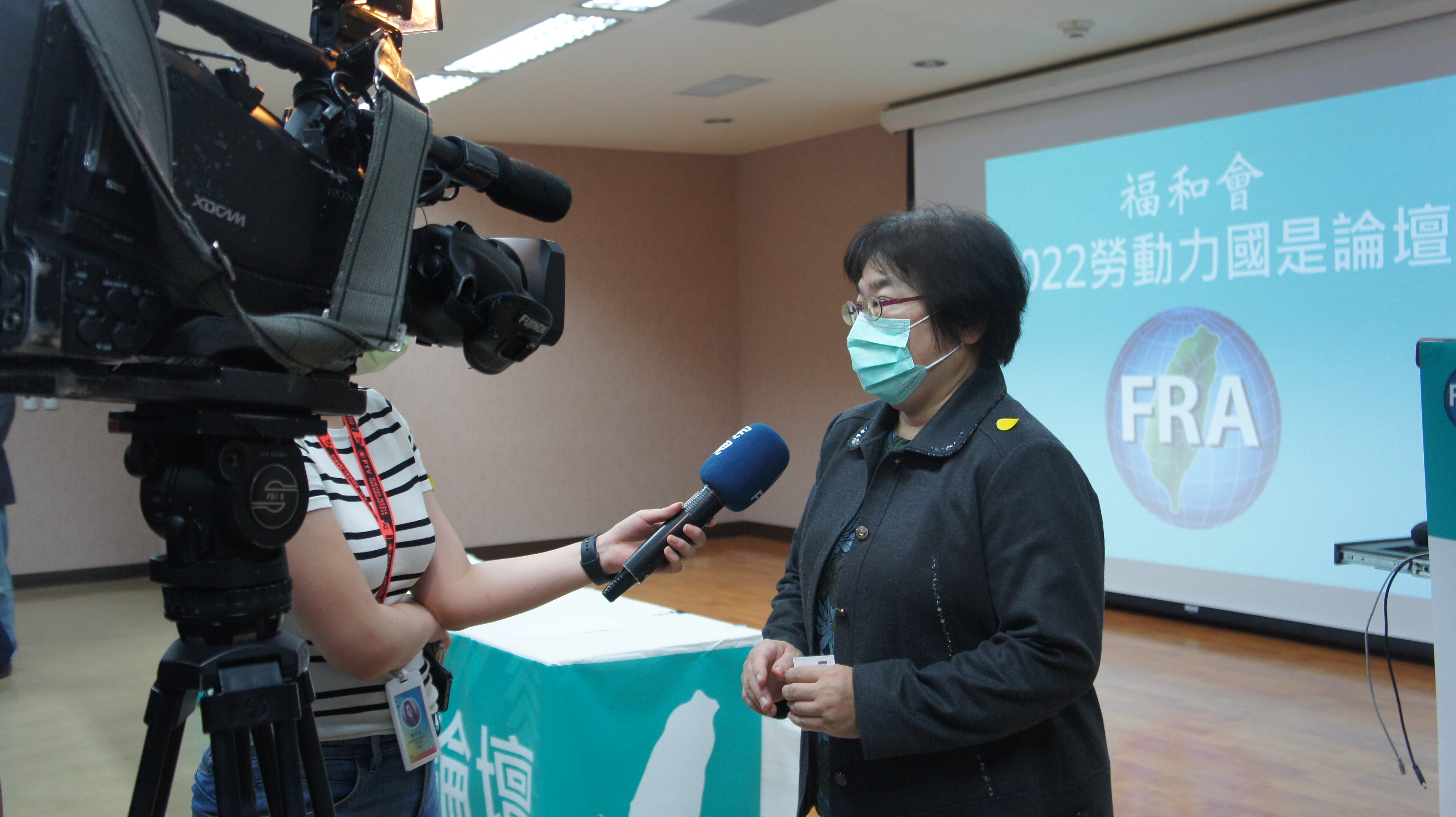
Representing the government, Lin Chih‑mei, Director of the Workforce Development Division at the National Development Council (NDC), explained that based on Taiwan’s demographic projections, the country will face a labor shortage of at least 400,000 workers in the coming years. She emphasized that the long‑term decline in the birth rate is a structural trend that cannot be reversed in the foreseeable future. Therefore, Taiwan must proactively consider bringing in external labor and talent as a necessary measure to supplement the domestic workforce.

Representing academia, Prof. Huang Chung‑fa, Vice Dean of the College of Engineering at National Kaohsiung University of Science and Technology and Honorary Chairman of the Engineering Law Society, explained that within the structural makeup of Taiwan’s construction industry, labor is concentrated primarily at the subcontractor and engineering‑firm level, rather than at the general contractor tier. He presented findings from field research conducted directly among frontline workers, offering an evidence‑based academic perspective that highlights the real conditions faced by grassroots laborers.

Four industry representatives from different sectors joined a panel discussion moderated by renowned writer and thinker Fan Chou. The speakers highlighted how the “one fixed day off, one flexible rest day” labor regulation has adversely affected frontline workers and small‑ and medium‑sized enterprises. Representatives from the medical‑device industry described regulatory requirements that have created significant operational challenges. Across sectors, the panelists echoed a common theme: labor shortages are pervasive, affecting industries without exception.

Legislator Tsai Yi‑yu, together with representatives from the agricultural sector, explained that Taiwan’s farming population is rapidly aging and that agriculture is suffering from severe labor shortages, which have become a major obstacle to the sector’s modernization and upgrading.

This year’s forum brought together an impressive group of distinguished participants. Guests included Tai Chung‑hsing, Deputy Secretary‑General of the General Chamber of Commerce, and Katsuhiko Umehara, former Mayor of Sendai, among other notable attendees. In his closing remarks, Architect Liu Shih‑wei, Advisor to the National Association of Architects, observed that although the forum lasted only half a day, its substantive value far exceeded that of many full‑day conferences, reflecting the depth and urgency of the discussions. FRA will continue this important national dialogue by hosting the FRA 2023 National Workforce Forum in the first half of 2023, further exploring solutions to Taiwan’s labor‑force challenges. More developments are forthcoming.
FRA 2022 Labor Force National Forum FRA 2022 Labor Force National Forum FRA 2022 Labor Force National Forum FRA 2022 Labor Force National Forum FRA 2022 Labor Force National Forum FRA 2022 Labor Force National Forum FRA 2022 Labor Force National Forum FRA 2022 Labor Force National Forum FRA 2022 Labor Force National Forum FRA 2022 Labor Force National Forum FRA 2022 Labor Force National Forum FRA 2022 Labor Force National Forum FRA 2022 Labor Force National Forum

FRA Co‑Hosts the “Charity Memorial Concert for Taiwan’s Dear Friend, Former Japanese Prime Minister Shinzo Abe”

Charity Memorial Concert for Taiwan’s Dear Friend Shinzo Abe
2022.8.20

Former Japanese Prime Minister Shinzo Abe had long been one of Taiwan’s dearest friends. His sudden and tragic assassination on July 8, 2022 shocked the world and left the people of Taiwan in profound grief. Abe shared a deep bond with former President Lee Teng‑hui; the two admired and respected each other, with Abe regarding Lee as a mentor. President Lee once gifted Abe a calligraphy piece bearing the words “calmness” and “humility,” and later added a third virtue: “perseverance.”
After stepping down during his first term due to illness, Shinzo Abe visited Taiwan, where former President Lee Teng‑hui encouraged him with remarkable candor and confidence: “Among Japan’s political leaders, there is no one but you to whom the nation can be entrusted.” Lee urged Abe to “become prime minister once more.” President Lee personally guided Abe on the concept of “normalizing the Japanese state,” advising that Japan should establish a National Security Council and pursue constitutional reform. Under Lee Teng‑hui’s mentorship and encouragement, Abe rose again to the pinnacle of Japanese politics, becoming the country’s longest‑serving and most influential post‑war prime minister. Abe’s achievements were deeply shaped by Lee Teng‑hui’s wisdom—indeed, they can be seen as an extension of Taiwan’s own “quiet revolution.”

Shinzo Abe not only held profound respect for President Lee Teng‑hui; he also came to recognize how deeply the people of Taiwan care for the people of Japan—treating them almost like family. Whenever Japan faced disasters or hardship, Taiwan extended heartfelt assistance, leaving a lasting impression on the Japanese public and further strengthening Abe’s resolve to stand firmly with Taiwan. During the COVID‑19 pandemic, when Taiwan encountered difficulties in securing vaccines, Abe responded with exceptional generosity. He facilitated the donation of 4.2 million doses of AstraZeneca vaccines, significantly boosting Taiwan’s vaccination coverage at a critical moment. It was a true demonstration of solidarity in times of adversity.

To express heartfelt gratitude to former Prime Minister Shinzo Abe, the Union Bank of Taiwan served as the principal organizer, with the Taiwan Haode Public Welfare and Cultural Association leading the initiative. FRA also joined as a co‑organizer, together with a wide array of dedicated partners from across sectors—including Rotary International District 3481, Bellini Co., Ltd., First Store, PharmaEssentia, Mr. Chang Hsueh‑shun, Chairman of Taipei 101, and Ishikawa Communications Group. Together, these organizations co‑hosted the “Charity Memorial Concert for Taiwan’s Dear Friend, Former Japanese Prime Minister Shinzo Abe,” a collective tribute reflecting Taiwan’s deep appreciation for Abe’s friendship, leadership, and unwavering support.

Senior Japanese journalist Akio Yaita assisted in gathering precious archival footage of Prime Minister Shinzo Abe from his lifetime, along with video messages from Japanese lawmakers who have long supported Taiwan. The organizers also invited Abe’s close friend—someone he cared about deeply—Keiji Oyama, a blind vocalist from Japan, to travel to Taiwan and perform at the memorial. Through his singing, Oyama conveyed a profound sense of remembrance and heartfelt tribute to the late prime minister.

Amid the ongoing challenges of the pandemic, all participating organizations devoted themselves fully to the planning and execution of the event. Thanks to the strong support and leadership of Union Bank of Taiwan as the principal organizer, along with the generous sponsorship of the aforementioned Taiwanese enterprises and civic groups, the team ultimately accomplished what once seemed an impossible mission. The memorial concert successfully premiered on the evening of August 20 at the International Convention Center, delivering a beautifully crafted and moving program to audiences in both Taiwan and Japan.

During the Great East Japan Earthquake ten years ago, Taiwan was the single largest donor to Japan, offering more assistance than any other country. Prime Minister Shinzo Abe never forgot this kindness; it remained deeply etched in his heart. Throughout his tenure, whenever Taiwan faced hardship, he consistently extended a helping hand. Whether it was the surplus‑pineapple crisis, or moments when Taiwan found itself isolated under international pressure, Abe always stepped forward to voice support and encouragement. His well‑known declaration—“A contingency for Taiwan is a contingency for Japan”—expressed a sincerity stronger than kinship, reflecting a bond of genuine friendship. Abe was, in every sense, a true and steadfast friend of Taiwan.

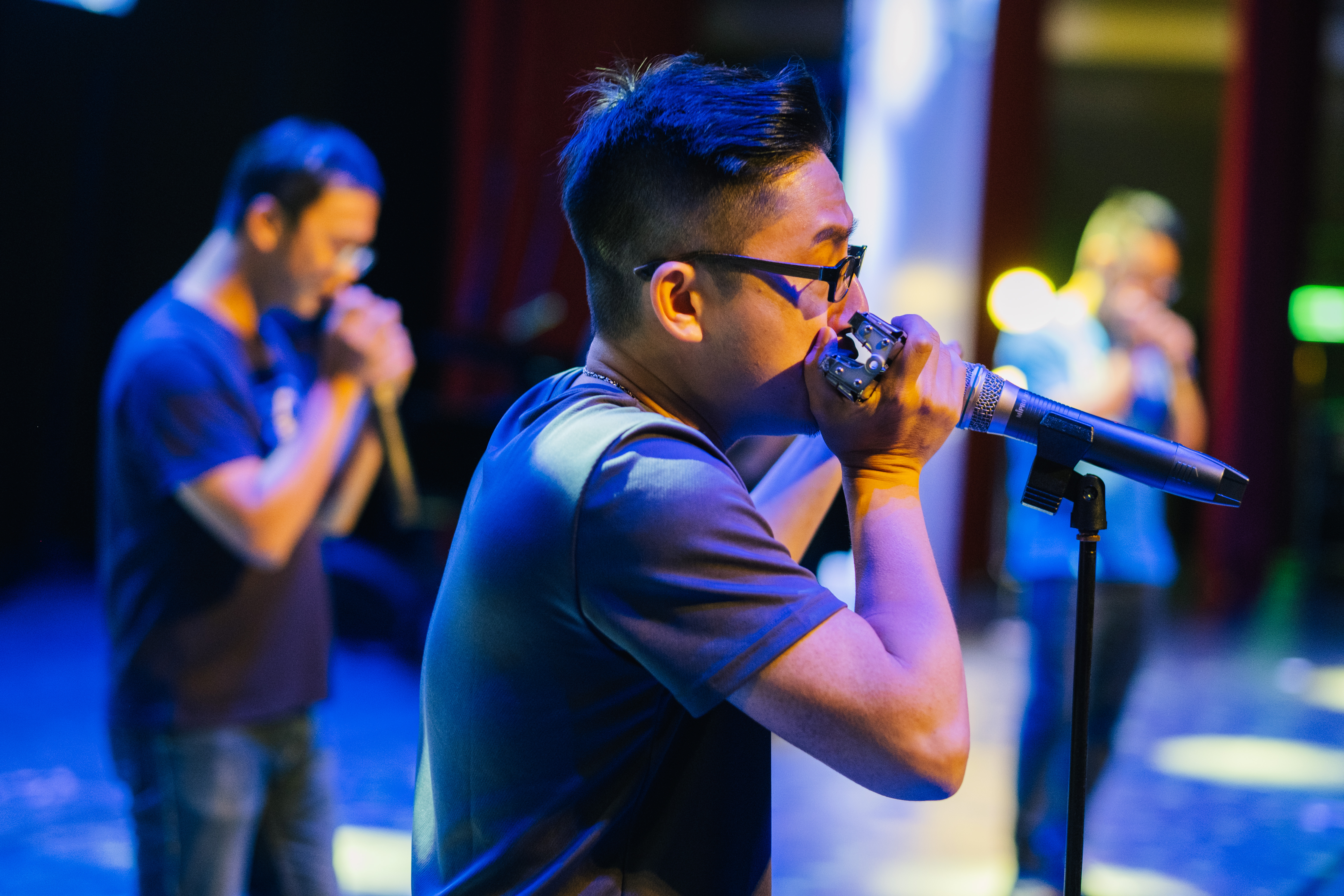
In addition to Abe’s close friend Keiji Oyama, the memorial concert also featured performances by the Adachi Ikuko Choir and Hokuyu Japanese Kindergarten, who came to express the Japanese people’s heartfelt remembrance of the late prime minister. To honor Abe’s sincere friendship with Taiwan, artists from across the Taiwanese community—both domestic and overseas—offered their talents selflessly, rehearsing day and night without compensation to present a performance filled with love, gratitude, and warmth. The lineup included Golden Melody Award winner Tseng Hsin‑mei, “New Taiwanese Language Movement” musician and singer Pighead Skin (Chu Yao‑hsin), Indigenous music producer and singer Yulaw Yugan, contemporary Hakka musician Hsieh Yu‑wei, independent singer and poet Wu Chih‑ning, the Octagon Male Choir, the Sirius Harmonica Ensemble, and tenor Liu Li‑jen performing together with the Yu‑Ke Chamber Ensemble. Their collective dedication created a moving artistic tribute, reflecting the deep affection shared between Taiwan and Shinzo Abe.

The “Charity Memorial Concert for Taiwan’s Dear Friend, Former Japanese Prime Minister Shinzo Abe” Broadcast on FTV Taiwan

Charity Memorial Concert for Taiwan’s Dear Friend Shinzo Abe Charity Memorial Concert for Taiwan’s Dear Friend Shinzo Abe Charity Memorial Concert for Taiwan’s Dear Friend Shinzo Abe Charity Memorial Concert for Taiwan’s Dear Friend Shinzo Abe Charity Memorial Concert for Taiwan’s Dear Friend Shinzo Abe Charity Memorial Concert for Taiwan’s Dear Friend Shinzo Abe Charity Memorial Concert for Taiwan’s Dear Friend Shinzo Abe Charity Memorial Concert for Taiwan’s Dear Friend Shinzo Abe Charity Memorial Concert for Taiwan’s Dear Friend Shinzo Abe Charity Memorial Concert for Taiwan’s Dear Friend Shinzo Abe Charity Memorial Concert for Taiwan’s Dear Friend Shinzo Abe Charity Memorial Concert for Taiwan’s Dear Friend Shinzo Abe Charity Memorial Concert for Taiwan’s Dear Friend Shinzo Abe Charity Memorial Concert for Taiwan’s Dear Friend Shinzo Abe Charity Memorial Concert for Taiwan’s Dear Friend Shinzo Abe Charity Memorial Concert for Taiwan’s Dear Friend Shinzo Abe Charity Memorial Concert for Taiwan’s Dear Friend Shinzo Abe Charity Memorial Concert for Taiwan’s Dear Friend Shinzo Abe Charity Memorial Concert for Taiwan’s Dear Friend Shinzo Abe Charity Memorial Concert for Taiwan’s Dear Friend Shinzo Abe Charity Memorial Concert for Taiwan’s Dear Friend Shinzo Abe Charity Memorial Concert for Taiwan’s Dear Friend Shinzo Abe Charity Memorial Concert for Taiwan’s Dear Friend Shinzo Abe Charity Memorial Concert for Taiwan’s Dear Friend Shinzo Abe Charity Memorial Concert for Taiwan’s Dear Friend Shinzo Abe Charity Memorial Concert for Taiwan’s Dear Friend Shinzo Abe Charity Memorial Concert for Taiwan’s Dear Friend Shinzo Abe

FRA 2022 Youth National Security Forum

2022.1.15

FRA convened the 2022 Youth National Security Forum, joined by Academia Sinica Academician Lee Der‑tsai, National Taiwan University Professor Emeritus of Political Science Ming Chiu‑cheng, former PLA Navy Lieutenant Commander Yao Cheng, Hacker Association Director Wang Jen‑fu, military media analyst Wu Ming‑chieh, former ROC Air Force Lieutenant General Chang Yen‑ting, former Army Major General Liu Ching‑yuan, former Political Warfare Major General Yu Tsung‑chi, former Navy Captain Yang Yu‑sheng, and renowned writer Fan Chou.

The forum centered on four major thematic sessions:

“Invisible Smoke: Political, Psychological, and Information Warfare”

“PLA Invasion Scenarios and Military Simulation”

“Countering Infiltration and Internal Subversion: The Role of Civil Society”

“A Conversation with the Generals: How Taiwan Must Fight to Defend Itself”

Across these sessions, speakers analyzed the full spectrum of soft and hard measures the PLA may employ in an assault on Taiwan, urging the public to embrace the principle of “Do not assume the enemy will not come.”

FRA also conveyed to the government the importance of restoring a dual conscription‑and‑volunteer system and establishing military courts as part of broader defense reforms—demonstrating a firm commitment to strengthening Taiwan’s security.

FRA 2022 Youth National Security Forum FRA 2022 Youth National Security Forum

福和會 Formosa Republican Association facebook


Tel:+886-2-2716-6180
e-mail:fratwn2018@gmail.com
Address:
3F, No. 346, Sec 3, Nanjing E. Rd., Songshan Dist.
Taipei City 105, Taiwan
Account:
Taiwan Business Bank Nan King East Road Branch
050-0902 090-12-095195